
← Back to Blog
Market Trends
Are There Any New Housing Developments or Construction Projects Happening in Mill Creek Washington in 2026
By Agnes AUSTRIA
Pellego
September 28, 2026 · 11 min read
Yes, there are new housing developments and construction projects happening in Mill Creek, Washington in 2026, and the most significant one just received city council approval in September 2026. If you are buying, selling, or relocating to Mill Creek, understanding what is being built and where will shape your decisions about neighborhoods, pricing, and long-term value.
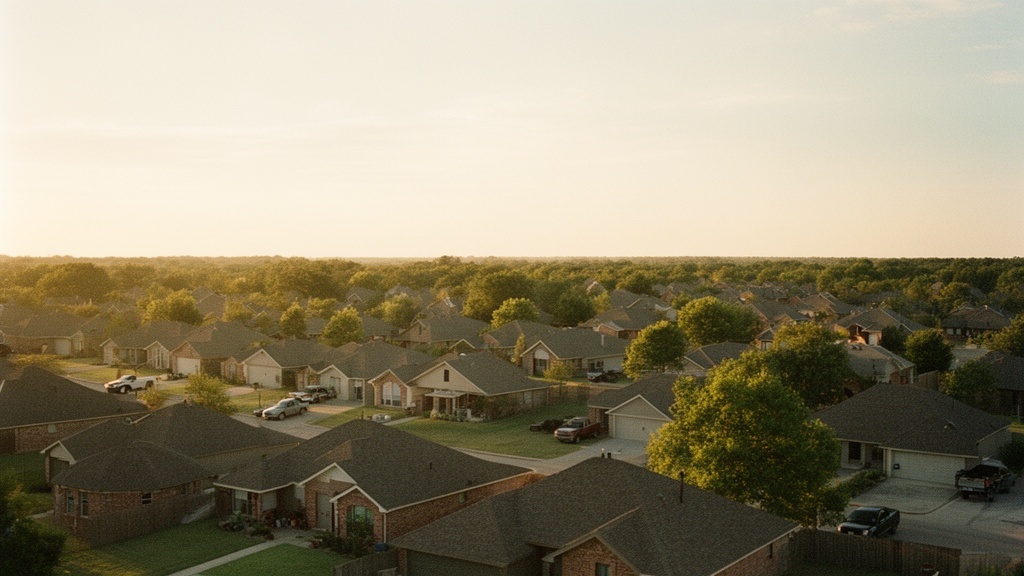
1. The South Town Center: Mill Creek's Biggest 2026 Development
The single largest development news in Mill Creek right now is the South Town Center. On September 3, 2026, the Mill Creek City Council formally approved a subarea plan for a new South Town Center neighborhood, marking the most consequential land-use decision the city has made in years. The plan creates a framework for a walkable, mixed-use district in the southern portion of the city, and it sets the stage for residential construction that Mill Creek has not seen at this scale in over a decade.
The approval was covered by the Daily Herald and confirmed on the City of Mill Creek's own website. You can read the full announcement on the City of Mill Creek's official project page, which outlines the vision, boundaries, and next steps for the South Town Center subarea.
What the City Council Approved
The council approved a subarea plan, which is a detailed land-use blueprint for a specific geographic zone within the city. This is not a single building permit; it is the legal and planning foundation that allows developers to bring projects forward under a defined set of rules. Think of it as the city drawing the lines and setting the rules of the game before construction can begin. Individual development applications will follow as builders and landowners move through the permitting process.
The plan envisions a mix of housing types alongside retail and community amenities, consistent with Mill Creek's existing Town Center model near the intersection of 132nd Street SE and Mill Creek Road. The South Town Center is intended to add density in a way that connects to pedestrian pathways and open space, which is a hallmark of how Mill Creek has approached development since its incorporation in 1983.
What Will Be Built There
The subarea plan allows for a range of residential product types, including townhomes, attached single-family homes, and potentially low-rise multifamily buildings. Mill Creek's existing housing stock skews heavily toward detached single-family homes built between the mid-1980s and early 2000s, with lot sizes typically ranging from 5,000 to 10,000 square feet. The South Town Center will introduce a different format: smaller footprints, shared walls in some cases, and ground-floor retail or services on key corridors. This is a meaningful shift for a city that has historically built outward rather than upward.
For buyers who want new construction in Mill Creek but find detached homes priced above their budget, the South Town Center may eventually offer attached or townhome options at a lower entry price. Exact pricing will depend on which builders enter the market and when permits are issued, but comparable new townhome communities in Snohomish County have recently priced in the high $500,000s to low $700,000s depending on square footage and finish level.
Where It Is Located
The South Town Center subarea sits in the southern section of Mill Creek, generally between Bothell-Everett Highway (SR 527) and the existing residential neighborhoods to the west. The area is within a short drive of the Mill Creek Town Center, which anchors the city's commercial core with a Haggen grocery store, restaurants, a post office, and small retail shops. Proximity to SR 527 gives residents direct access to Bothell to the south and Everett to the north, both of which are major employment hubs in Snohomish County.
For context on what everyday life looks like near the existing Town Center, see this overview of the Mill Creek Town Center neighborhood, which covers walkability, local businesses, and the feel of living in that part of the city.
2. What New Construction Means for the Mill Creek Housing Market
New construction activity in Mill Creek in 2026 matters because the city has had very limited new inventory for years. Mill Creek is a largely built-out city of roughly 22,000 residents covering about 4.7 square miles. Unlike neighboring Bothell or Marysville, there is not a large supply of raw land available for traditional subdivision development. That scarcity has kept resale prices elevated and given sellers strong negotiating positions. The South Town Center approval begins to change that equation over the next several years.
How New Inventory Affects Pricing
More supply generally moderates price growth, but the effect in Mill Creek will be gradual rather than sudden. The South Town Center subarea plan was approved in September 2026, but individual projects still need to go through design review, permitting, and construction. Realistically, the first homes in this new district are unlikely to be available for purchase before late 2027 or 2028 at the earliest. In the near term, the Mill Creek resale market continues to operate with limited inventory, and buyers competing for detached single-family homes should not expect relief from this approval in the next twelve months.
For current pricing context, the average home price in Mill Creek as of September 2026 reflects the tight inventory conditions that have defined the market. You can review the latest figures in this breakdown of average home prices in Mill Creek right now, which covers median sale prices, days on market, and what different price points get you today.
Timing and What Buyers Should Expect
Buyers who want to purchase in a new Mill Creek development in 2026 have a narrow window of options right now. The South Town Center is in planning, not construction. Any buyer hoping to purchase a brand-new home in Mill Creek this year will need to look at smaller infill projects, builder spec homes that occasionally appear on the MLS, or new communities in adjacent cities such as Bothell, Lynnwood, or Everett, which have more active construction pipelines currently.
That said, being informed about the South Town Center now gives buyers a strategic advantage. Buyers who purchase resale homes in or near the planned subarea today may benefit from appreciation as the district takes shape. Buyers who want to wait for new construction have a clearer timeline to plan around. Either way, understanding the development pipeline is essential context for any purchase decision in Mill Creek right now.
3. Other Active Construction and Infill Projects in Mill Creek
Beyond the South Town Center, smaller-scale construction is happening across Mill Creek in 2026. Mill Creek's development activity is not limited to one large project. The city regularly processes permits for accessory dwelling units, additions, teardown-rebuilds on older lots, and occasional small infill subdivisions where a larger parcel is divided and two or three new homes are built. These projects rarely make headlines but collectively add meaningful inventory to the local market.
Smaller Residential Infill Across the City
Infill construction in Mill Creek tends to cluster in areas where older homes on larger lots can be subdivided under current zoning. Neighborhoods near Bothell-Everett Highway and along 164th Street SE have seen occasional teardown activity, where a 1980s home on a 12,000 to 15,000 square foot lot is replaced by two new homes. New single-family homes built this way in Mill Creek typically come to market in the $850,000 to $1.1 million range depending on size and finishes, reflecting the cost of land, construction, and the city's development fees.
Accessory dwelling units, commonly called ADUs, are also being built in higher numbers across Mill Creek in 2026, following state-level legislation that made it easier for homeowners to add a secondary unit on their property. ADUs do not add to the for-sale inventory directly, but they do increase the density of the housing stock and give existing homeowners more flexibility. Some sellers now list homes with a permitted ADU as a feature, which affects how those properties are valued.
Infrastructure Projects Supporting Growth
The South Town Center approval came alongside discussions about infrastructure capacity, including roads, stormwater, and utilities. Mill Creek has an extensive trail system, with over 25 miles of paths that connect neighborhoods to parks, the Town Center, and open space corridors. Any new development in the South Town Center subarea will be required to connect to this network, which is a condition the city has consistently enforced in past projects. Buyers interested in walkable access to trails and parks should pay attention to how the South Town Center's pedestrian connections are designed as plans become more detailed.
SR 527 widening and intersection improvement projects in the broader Bothell-Everett corridor also affect Mill Creek residents, since that highway is the primary north-south artery for the city. Snohomish County and WSDOT have ongoing capital projects along this corridor that are expected to continue through 2027, which may cause temporary construction-related delays for residents in the southern part of the city.
4. How to Buy a New Construction Home in Mill Creek
Purchasing a new construction home in Mill Creek works differently from buying an existing resale property, and the differences matter. Whether you are buying a spec home that is already built, signing a contract on a home that is under construction, or reserving a lot in a new community like the future South Town Center, the process has distinct steps and risks that a buyer needs to understand before signing anything.
Builder Contracts Are Different From Resale
Builder purchase agreements are written by the builder's legal team and are designed to protect the builder, not the buyer. Unlike a standard Washington State Form 21 purchase and sale agreement used in most resale transactions, builder contracts often include provisions that allow the builder to change finishes, adjust timelines, or modify the purchase price under certain conditions. Buyers should have an independent real estate agent review any builder contract before signing. The builder's on-site sales representative works for the builder, not for you.
Having your own buyer's agent costs you nothing in a new construction transaction in Washington State. Builders typically pay the buyer's agent commission, and your agent can negotiate upgrades, closing cost contributions, and rate buydowns that the builder's sales team will not volunteer on their own. This is one of the most overlooked advantages available to new construction buyers in Mill Creek.
What to Watch for in a New Development Purchase
In a planned community like the South Town Center, there are several factors that affect long-term ownership costs beyond the purchase price. Homeowners association fees are common in new Mill Creek developments and can range from $50 to over $200 per month depending on shared amenities. Property taxes on new construction are assessed based on the completed value of the home, which is often higher than comparable resale properties assessed years ago. For a detailed look at how Mill Creek property taxes are calculated and what to expect as a new owner, see this guide to property taxes in Mill Creek.
New construction buyers should also get an independent home inspection even on a brand-new home. Washington State requires a final inspection by the city before a certificate of occupancy is issued, but a city inspector is not looking at the same things a private home inspector checks. New homes can have construction defects, incomplete work, or grading issues that only a thorough third-party inspection will catch. Builders typically offer a one-year warranty on workmanship and a ten-year structural warranty, but those warranties are far easier to use if defects are documented before you close.
5. What This Means If You Are Selling in Mill Creek Right Now
Sellers in Mill Creek need to understand that new construction, even when it is still in the planning stage, changes buyer psychology. Buyers who know a new community is coming have more options to consider, and some will choose to wait. That does not mean selling now is the wrong move; it means pricing and presentation matter more than they did two years ago. Sellers who overprice or under-prepare their homes will face longer days on market as buyers weigh resale against future new construction alternatives.
Competing With New Construction
Resale homes in Mill Creek have real advantages over new construction that sellers should highlight clearly. Established landscaping, mature trees, larger lot sizes, and proven neighborhood character are things new construction cannot offer. Mill Creek's existing single-family neighborhoods along streets like 153rd Place SE and in the Settlers Creek area have canopy coverage and lot depth that take decades to develop. A well-maintained 1990s home on a 7,500 square foot lot with a private backyard offers something the South Town Center's attached townhomes will not.
Positioning Your Home Against New Inventory
The most effective thing a Mill Creek seller can do right now is price accurately from day one and invest in condition. Buyers comparing a resale home to a future new construction option will scrutinize deferred maintenance, dated kitchens, and worn flooring more carefully than they would in a market with no new supply coming. Pre-listing updates that return value include fresh interior paint, refinished hardwood floors, updated light fixtures, and a deep clean. These are not expensive renovations; they are presentation decisions that close the perception gap between resale and new.
For a broader look at what buyers are expecting when they shop Mill Creek homes right now, the Mill Creek buyer's guide covers what different price ranges deliver, what neighborhoods offer, and how competitive the market is for buyers actively searching today.
The September 2026 approval of the South Town Center subarea plan is a genuine turning point for Mill Creek's development trajectory. According to the Herald Net's reporting on the council vote, the plan represents years of community planning work and sets a clear direction for how the city's southern corridor will grow. For buyers and sellers alike, staying informed about this project as it moves from planning into permitting is one of the most valuable things you can do in the Mill Creek market right now.
FAQ
When will homes in the Mill Creek South Town Center actually be available to buy?
The South Town Center subarea plan was approved by the Mill Creek City Council on September 3, 2026, but individual development projects still need to go through design review, permitting, and construction before any homes are available. Based on typical timelines for projects of this type in Snohomish County, the earliest realistic window for completed homes would be late 2027 or more likely 2028. Buyers who want new construction in Mill Creek before then should look at occasional builder spec homes that appear on the MLS, or consider new communities in adjacent cities like Bothell, Lynnwood, or Everett that have more active pipelines right now. Staying connected with a local agent who monitors permit activity is the best way to get early notice when South Town Center projects begin accepting reservations.
Does the South Town Center development affect property values for existing Mill Creek homeowners?
The long-term effect on surrounding property values will depend on how the South Town Center is built and what it adds to the area. New mixed-use development that brings walkable retail, improved streetscapes, and additional amenities has historically supported or increased values in nearby residential neighborhoods, as seen in comparable projects in Bothell and Redmond. In the near term, existing Mill Creek homeowners are unlikely to see a negative impact, since the new supply will not reach the market for at least one to two years and will introduce a different product type (attached and mixed-use) rather than directly competing with the detached single-family homes that make up most of Mill Creek's existing stock. Property taxes on existing homes will not change as a direct result of the subarea plan approval; assessments are based on individual property sales data, not zoning changes.
Are there any new housing developments or construction projects happening in Mill Creek Washington in 2026 besides the South Town Center?
Yes, smaller-scale construction is active across Mill Creek in 2026 even while the South Town Center is still in the planning phase. Infill activity includes occasional teardown-rebuilds on larger lots, accessory dwelling unit construction on existing properties, and small two or three-lot subdivisions in areas where zoning allows it. New single-family infill homes in Mill Creek are currently coming to market in the $850,000 to $1.1 million range depending on size and finishes. Infrastructure improvements along SR 527 are also ongoing and will continue to affect the southern portion of the city through at least 2027. For buyers who want to track active construction, checking the City of Mill Creek's permit portal and working with a local agent who follows new listings closely are the most reliable approaches.