
← Back to Blog
Local Living
What Is It Actually Like to Live in Santaquin Utah Day to Day
By Allison Peterson
September 24, 2026 · 10 min read
If you are wondering what is it actually like to live in Santaquin Utah day to day, the honest answer is: quieter than most of Utah County, more connected than people expect, and growing fast enough that the town feels noticeably different from one year to the next. This article covers the practical realities of daily life here, from running errands and getting to work, to spending weekends outdoors and navigating a housing market that has drawn thousands of new residents to this corner of the valley.
1. The Rhythm of Daily Life in Santaquin
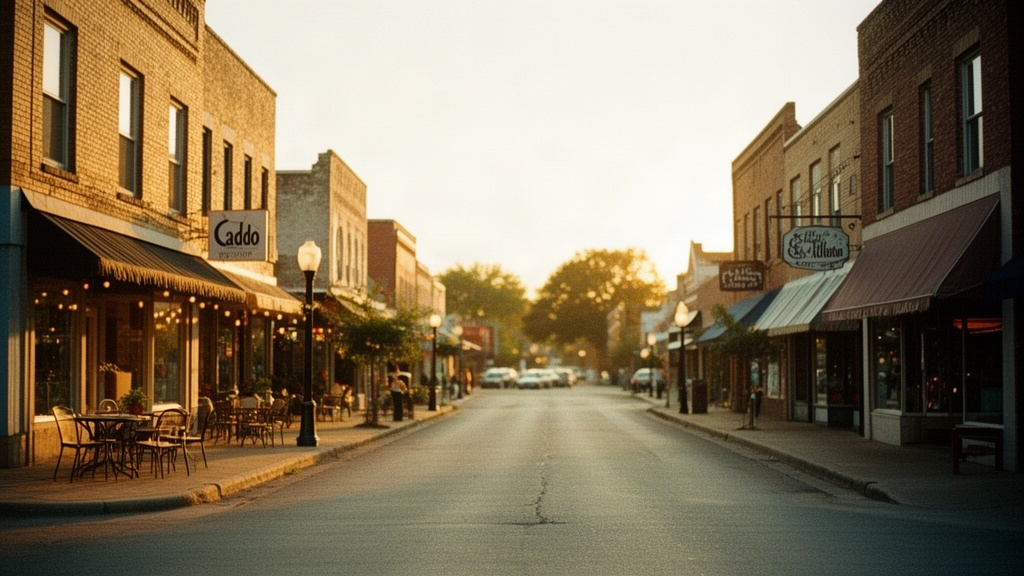
Daily life in Santaquin moves at a noticeably slower pace than in Provo or Orem, but it is not isolated. The town sits at roughly 4,900 feet elevation at the southern tip of Utah County, tucked between the Wasatch Range to the east and the Oquirrh foothills to the west. Most of what you need for a basic weekday is either in town or a short drive up I-15 to Spanish Fork or Payson.
Morning Routines and Getting Around Town
Santaquin's main commercial corridor runs along Main Street and the area near the I-15 interchange at Exit 244. You will find a handful of fast food options, a Maverick gas station, and a few local businesses that handle the basics. For a sit-down breakfast, residents tend to drive about 10 minutes north to Payson, where there are more restaurant choices. The town does not yet have a full-service grocery store within its limits, which is one of the more tangible day-to-day realities of living here.
Traffic inside Santaquin itself is light by Utah County standards. Most streets are newer, wide, and easy to navigate. Getting from one side of town to the other takes five minutes or less on a typical morning. The challenge is not internal traffic but rather the I-15 on-ramp during peak hours, which can back up heading northbound toward Payson and Spanish Fork between roughly 7:00 and 8:30 a.m.
Where Residents Shop and Run Errands
Grocery shopping almost always means leaving Santaquin. The closest full-service grocery stores are in Payson, about 8 miles north, where you will find a Walmart Supercenter and a Fresh Market Foods. Spanish Fork, roughly 14 miles north, adds a Smith's and additional retail options. Many residents consolidate their errands into one trip per week, often combining a grocery run with other stops in Payson or Spanish Fork rather than making multiple separate drives.
For hardware, clothing, or specialty items, Provo is the practical destination. The University Parkway corridor in Provo puts Home Depot, Target, Costco, and a wide range of restaurants within about 30 to 35 minutes of Santaquin on a normal traffic day. Residents who work in Provo often fold these errands into their commute rather than making separate trips, which works well logistically.
2. Getting to Work: Commutes and Transportation
The commute is one of the most important practical factors in understanding what it is like to live in Santaquin Utah day to day. Santaquin is farther south than most of Utah County's employment centers, so the drive matters more here than it does in Orem or Lehi.
Driving to Provo and Salt Lake City
Provo sits about 28 miles north of Santaquin via I-15. In light traffic, that drive takes roughly 28 to 32 minutes. During the weekday morning rush, plan for 40 to 50 minutes. Salt Lake City is approximately 65 miles north, which translates to 55 to 70 minutes under normal conditions and can stretch past 90 minutes on congested mornings. These are real numbers that shape daily schedules, so it is worth stress-testing the commute before committing to a home here.
For a deeper look at commute options and timing, including carpooling and remote work considerations, this detailed commute guide for Santaquin residents breaks down the routes and alternatives thoroughly.
FrontRunner and Public Transit Options
Santaquin does not have its own FrontRunner station, but the Payson-Santaquin FrontRunner station in Payson is approximately 8 miles north. From there, commuters can board Utah Transit Authority's commuter rail and reach Provo in about 12 minutes or Salt Lake City in roughly 55 to 60 minutes. Parking at the Payson-Santaquin station is free and generally available. For people who work downtown Salt Lake City or near a FrontRunner stop, this option meaningfully reduces the stress of daily driving.
UTA bus service to Santaquin is limited. The town is not currently served by frequent local bus routes, so owning a vehicle is a practical necessity for most households. Residents who work remotely or hybrid schedules find the commute burden much more manageable, and the growth of remote work has made Santaquin's distance from employment centers feel less significant than it did five or six years ago.
3. Outdoor Life and Recreation
Outdoor access is one of the most concrete daily benefits of living in Santaquin. The town sits at the mouth of Santaquin Canyon, which gives residents immediate access to Uinta-Wasatch-Cache National Forest terrain without driving through urban traffic to reach a trailhead. This is a meaningful difference from living in Provo or Orem, where popular trailheads can be crowded and parking is competitive.
Santaquin Canyon and Hiking Access
Santaquin Canyon Road heads east from town and opens into a canyon corridor used for hiking, mountain biking, and ATV riding. The Loafer Mountain trail system is accessible from this area and reaches elevations above 10,000 feet, offering views across Utah Valley and into the San Pitch Mountains. The canyon also provides access to dispersed camping areas managed by the Forest Service, which means residents can reach a campsite in under 20 minutes from their front door.
During fall, the canyon draws residents for the aspen color change, which typically peaks in late September and early October. In winter, the roads into the canyon are not maintained for regular passenger vehicles past certain points, so snowshoeing and cross-country skiing replace the warmer-season activities. Ski resorts are farther north: Sundance Mountain Resort is about 45 minutes away, and the Cottonwood Canyon resorts near Salt Lake City are roughly 80 to 90 minutes.
Parks, Trails, and Everyday Outdoor Space
Within the city limits, Santaquin has a growing network of parks tied to its newer subdivisions. Pioneer Park and the fields near the Santaquin City complex provide open green space and sports courts. Many of the newer planned communities include pocket parks and walking paths built into the subdivision design. The Jordan River Parkway is not accessible from Santaquin directly, but the city has its own trail connections that link neighborhoods to open space.
Yuba State Park and Yuba Reservoir are about 30 miles south on I-15. This reservoir is a genuine local asset for boating, fishing, and paddleboarding, and Santaquin residents use it regularly on weekends. The drive is straightforward and takes under 30 minutes. For fishing closer to home, the Santaquin Ponds are a small local fishery within the city that gets stocked periodically by the Utah Division of Wildlife Resources.
4. Community, Services, and Local Amenities
Santaquin functions as a small city with a population that crossed 15,000 in 2026 and continues to grow. The city government has been actively expanding infrastructure to keep pace, including road improvements, utility extensions, and parks development. For a thorough picture of what daily life in Santaquin Utah looks like from multiple perspectives, the overview at Homes.com's Santaquin city guide provides useful background data on population, housing, and local services.
Schools and Education Resources
Santaquin is served by Nebo School District, one of the larger districts in Utah County. Santaquin Elementary and Canyon Hills Elementary serve younger students within the city. Middle and high school students attend Diamond Fork Middle School and Payson High School, both located in Payson. If school information is a priority in your decision, the Utah State Board of Education's school report card portal at schools.utah.gov provides official performance and enrollment data for each campus.
Healthcare, Dining, and Local Services
Healthcare in Santaquin itself is limited to a few clinics and a pharmacy. Mountain View Hospital in Payson is the nearest full-service hospital, about 10 minutes north. Utah Valley Hospital in Provo handles more complex care and is roughly 35 minutes away. For routine medical appointments, most residents use providers in Payson or Spanish Fork.
Dining options within Santaquin are expanding but still modest. As of September 2026, the town has a handful of fast food restaurants near the freeway interchange, a pizza place, and a couple of local spots along Main Street. The restaurant scene in Payson is more developed, with Mexican, American, and Asian options within a 10-minute drive. Spanish Fork adds even more variety, including a growing strip of newer restaurants near its commercial center.
City services in Santaquin include a public library branch, city recreation programs, and a growing calendar of community events. The Santaquin Harvest Days festival each fall is a well-attended local event that draws residents together around the city's agricultural heritage. The city also operates a splash pad and youth sports leagues through its recreation department, which are practical amenities that shape the texture of daily life for households with children.
5. Housing Realities and What to Expect
Understanding the housing stock is central to understanding what it is like to live in Santaquin Utah day to day. The character of the town's neighborhoods, the size of lots, and the age of homes all shape the lived experience in ways that go beyond price per square foot.
What the Housing Stock Looks Like
Santaquin's housing is predominantly single-family detached homes built after 2000. The older core of town near Main Street has a mix of mid-century ranch homes and smaller bungalows on larger lots, some with mature trees and established yards. The newer subdivisions ringing the city feature two-story homes on lots ranging from about 0.15 to 0.25 acres, with open floor plans, attached two-car garages, and modern finishes. Townhomes and condominiums exist but represent a smaller share of the inventory than in Provo or Orem.
As of September 2026, the median home price in Santaquin sits in the upper $400,000 range. Entry-level homes start closer to $380,000 to $410,000, while larger new construction homes with mountain views can reach $600,000 or more. For a current breakdown of what prices are doing right now, the September 2026 Santaquin home price update has the most recent data.
Growth, Development, and Neighborhood Feel
Santaquin is actively under construction in several areas simultaneously. If you move here in 2026, you will likely see new homes being framed within a few blocks of your own, streets being extended, and new commercial pads being graded near the freeway. This is the reality of living in one of Utah County's fastest-growing cities. The upside is that infrastructure is being built new rather than patched; the tradeoff is that some areas feel unfinished during the transition years.
The older parts of Santaquin near the historic town center have a different character entirely. Streets are tree-lined, lots are deeper, and the pace feels more settled. Some of these homes sit on half-acre or larger parcels with room for gardens, outbuildings, or animals under the city's agricultural zoning provisions. This contrast between the established core and the growing edges gives Santaquin a layered feel that newer master-planned communities elsewhere in Utah County do not have.
If you want to understand how the different areas of town compare in terms of housing type, lot size, and proximity to amenities, this guide to Santaquin's neighborhoods and areas covers each section of the city in detail.
Property taxes are another practical piece of the daily financial picture. Utah's property tax system is relatively straightforward, and Santaquin's rates are in line with the broader Juab and Utah County averages depending on which side of the county line your home sits on. The Santaquin property tax guide walks through what to expect on a specific home value so you can budget accurately.
FAQ
Is Santaquin Utah a good place to live if you work remotely?
Santaquin works well for remote workers because the lower home prices relative to northern Utah County allow for more space and larger lots without the premium you would pay in Lehi or Saratoga Springs. Most newer subdivisions have access to fiber or cable internet service, with providers including Xfinity and local options depending on your street. The trade-off is that in-town amenities are limited, so you will still make regular drives to Payson or Spanish Fork for groceries and services. For remote workers who only need to commute occasionally, the FrontRunner station in Payson provides a useful option for those occasional in-office days in Provo or Salt Lake City. Overall, the combination of outdoor access, newer housing, and lower price points makes Santaquin a practical base for remote-first households.
What do people actually do for fun in Santaquin on weekends?
Weekend life in Santaquin tends to center on outdoor activities given the immediate access to Santaquin Canyon, Loafer Mountain trails, and the broader Uinta-Wasatch-Cache National Forest. Residents also make regular use of Yuba Reservoir about 30 miles south for boating and paddleboarding during warmer months. Within town, the city's parks and recreation programs provide youth sports leagues, and community events like the annual Santaquin Harvest Days festival bring residents together. For dining, live music, or entertainment, most residents drive to Provo or Spanish Fork, which have more developed commercial and arts scenes. The weekend rhythm here is quieter and more outdoors-oriented than in the urban core of Utah County.
How does living in Santaquin compare to living in Payson, which is just up the road?
Payson is about 8 miles north of Santaquin and has a more developed commercial core, including a Walmart Supercenter, more restaurants, and Mountain View Hospital. Santaquin tends to have newer housing stock in its growing subdivisions, slightly more open space per lot in some areas, and direct canyon access that Payson does not have to the same degree. Home prices in both cities are broadly similar, though specific neighborhoods vary. Payson has a longer-established downtown and more in-town amenities, while Santaquin offers more of a small-town feel with rapid new development happening around it. Many buyers consider both cities simultaneously, and the practical differences often come down to specific home features, lot size, and which direction you commute.