

← Back to Blog
Neighborhoods
Washington Park, Denver Real Estate Market Guide: Prices, Neighborhoods and Timing for Boulder Buyers
By Amanda Duran
LIV Sotheby's International Realty
September 8, 2026 · 12 min read
Washington Park is one of Denver's most recognizable residential areas, built around a 165-acre city park and defined by a mix of brick bungalows, Craftsman homes, and newer infill construction. This Washington Park, Denver real estate market guide covers what homes actually cost right now, how the neighborhood is laid out, what the commute to Boulder looks like, and how to time a purchase or sale in today's market.
1. What Makes Washington Park Distinct as a Denver Neighborhood
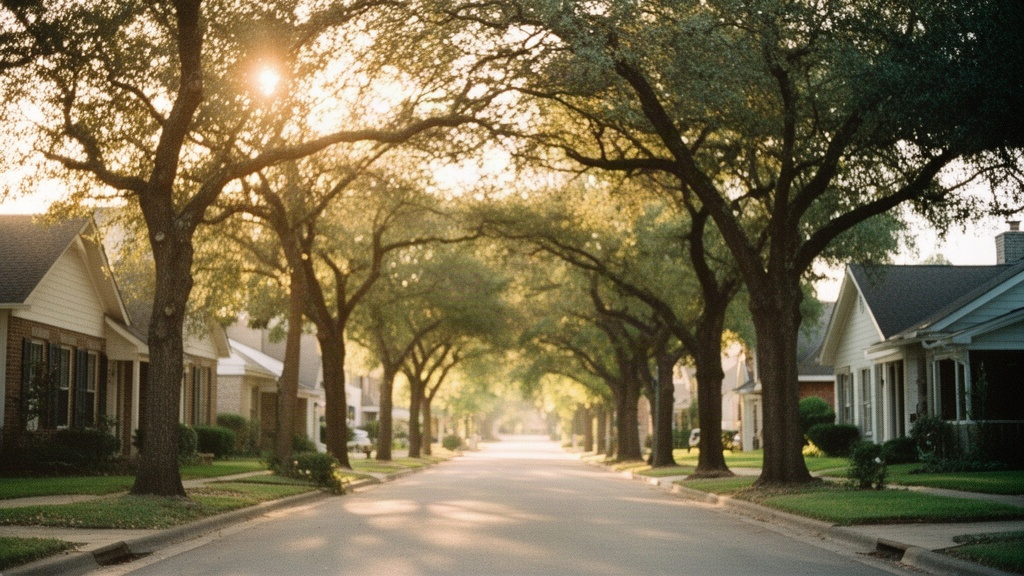
Washington Park stands apart from most Denver neighborhoods because the park itself is the organizing feature of the entire district. The 165-acre park sits at the center, and the residential streets fan out around it in a grid that dates back to the early 1900s. Two lakes inside the park, Smith Lake to the south and Grasmere Lake to the north, are visible from many of the homes closest to the perimeter. The park has a recreation center, tennis courts, a lawn bowling green, and a loop road that draws cyclists and joggers throughout the day.
The Park Itself and the Streets Around It
The streets immediately bordering the park, especially South Downing Street and South Franklin Street, carry some of the highest price points in the area. Homes on these blocks face the park directly and rarely come to market. When they do, they tend to move quickly regardless of broader market conditions. The commercial corridor along South Gaylord Street, just east of the park, has restaurants, coffee shops, and independent retail that residents can reach on foot.
Housing Stock and Architecture
The dominant housing type in Washington Park is the early-twentieth-century brick bungalow, typically 1,000 to 1,800 square feet on a 6,000-square-foot lot. You also find two-story Craftsman homes, Dutch Colonials with gambrel roofs, and a smaller number of Tudor-style properties. Infill construction has added modern single-family homes and townhomes over the past two decades, so the block-by-block character can shift noticeably. Original homes with intact woodwork, coved ceilings, and built-in cabinetry tend to command a premium over comparable square footage in updated but stripped interiors.
Lot sizes in Washington Park are relatively consistent at 6,250 square feet on most standard blocks, though corner lots and parcels closer to the park perimeter can be larger. Basements are common and frequently finished, adding usable square footage that does not always show up clearly in above-grade measurements. Buyers comparing price per square foot should clarify whether basement square footage is included in the figures they are reviewing.
2. Washington Park, Denver Real Estate Prices in September 2026
Washington Park currently sits at the upper end of Denver's residential price range. Single-family homes in the core Wash Park area are trading in a range that reflects both the park proximity premium and the neighborhood's limited inventory. Prices have softened modestly from their 2022 peak, consistent with the broader Denver market, but the area has held its value better than many Denver submarkets because supply remains constrained.
Single-Family Home Prices
As of September 2026, median single-family home prices in Washington Park are running approximately $1.1 million to $1.35 million, depending on block, condition, and lot position relative to the park. Homes directly facing the park on Downing or Franklin frequently list above $1.6 million and can reach $2.5 million or more for larger properties with significant updates. Smaller bungalows on interior blocks, particularly those needing cosmetic work, can still be found in the $800,000 to $950,000 range, though that inventory is limited. Days on market have extended compared to 2021 and 2022, with well-priced homes typically going under contract in two to four weeks rather than days.
Condos and Townhomes
Attached product in Washington Park is less common than in neighborhoods like Cherry Creek or Capitol Hill, but it exists. Townhomes in the area typically list between $650,000 and $950,000 depending on size and finish level. Condos, where they exist, generally range from $400,000 to $650,000. HOA fees vary widely; buyers should budget time to review HOA financials and reserve fund status as part of due diligence, particularly in smaller associations where a single large repair can affect assessments significantly.
How Prices Compare to the Broader Denver Market
Denver-wide, the median home price in September 2026 sits closer to $580,000 to $620,000 for single-family homes, meaning Washington Park runs roughly double the citywide median. That premium is consistent with the neighborhood's historical pattern. For context on how Denver's broader market has shifted over the past two years, Forbes Advisor's Denver housing market overview tracks citywide median prices, inventory levels, and days-on-market trends that provide useful benchmarks when evaluating whether a Washington Park listing is priced competitively.
If you are also weighing Cherry Creek as an alternative to Washington Park, the price dynamics and property types differ in ways worth understanding before you commit to a search area. The Cherry Creek, Denver Real Estate Market Guide on this site covers that neighborhood in comparable depth.
3. Neighborhood Layout: East Wash Park vs. West Wash Park
Washington Park is often discussed as a single neighborhood, but buyers quickly learn it has two distinct sections with different characters and price points. East Washington Park and West Washington Park are separated by South Downing Street, which runs along the park's eastern edge. The differences are real and affect both what you pay and what your daily experience looks like.
East Washington Park
East Wash Park sits between South Downing Street and South Colorado Boulevard, roughly from East Mississippi Avenue on the north to East Virginia Avenue on the south. The housing stock here leans toward the original bungalows and two-story brick homes built between 1905 and 1940. Lots are standard-sized and tree-lined, with mature elms and cottonwoods that create significant canopy cover. Prices on the east side tend to run slightly lower than the west side blocks closest to the park, making it a common starting point for buyers whose budget tops out around $900,000 to $1.1 million.
South Gaylord Street, the neighborhood's main commercial strip, runs through East Wash Park and is walkable from most blocks on the east side. The strip includes independently owned restaurants, a hardware store, and several coffee shops. This walkability to neighborhood retail is one of the practical differences between East Wash Park and the west side, where commercial access requires a short drive or bike ride.
West Washington Park
West Wash Park runs from South Downing Street westward to South Clarkson Street and beyond, with blocks that border the park directly on the east side of the section. The homes here include more larger two-story properties and some of the most expensive real estate in the neighborhood. Infill construction is also more visible on the west side, where older homes have been torn down and replaced with modern builds in the $1.5 million to $2.5 million range. If park access and larger square footage are priorities, the west side tends to offer both, at a corresponding price.
West Wash Park also borders the Platt Park neighborhood to the south, and the boundary between the two is blurry enough that some listings marketed as Washington Park are technically in Platt Park. Buyers working with a local agent should confirm the exact location relative to the park and the official neighborhood boundaries before assuming a listing is in the core Wash Park area.
4. Commute from Washington Park to Boulder
The commute from Washington Park to Boulder is a real consideration for anyone splitting time between the two cities. Washington Park sits in south-central Denver, roughly 35 miles from downtown Boulder by road. That distance is fixed; what varies is how long it actually takes depending on route, time of day, and whether you are driving or using transit.
Drive Times and Route Options
The most direct route from Washington Park to Boulder uses US-36 westbound from Interstate 25, which you can access by heading north through Denver or by picking up the highway further west. Off-peak, the drive runs 40 to 50 minutes. During morning rush hour heading into Boulder or the afternoon commute heading back to Denver, the same trip can stretch to 60 to 80 minutes, particularly along the US-36 corridor near Broomfield and Superior. The Table Mesa Drive exit in south Boulder is the typical landing point for commuters heading to the University of Colorado campus or the southern part of the city.
An alternative route uses Colorado Highway 93 through Golden, which adds distance but avoids the US-36 congestion on days when that corridor is particularly heavy. Most Washington Park residents who commute to Boulder use US-36 as their primary route and treat Highway 93 as a backup.
Public Transit and Alternative Commuting
RTD's Flatiron Flyer bus rapid transit service runs along US-36 between Denver Union Station and Boulder's Transit Center on Folsom Street. From Washington Park, reaching Union Station requires either driving and parking, taking a rideshare, or connecting via light rail from the Broadway or I-25/Broadway station. The full trip from Wash Park to Boulder via transit typically runs 75 to 100 minutes each way, which makes it a realistic option for occasional trips but a significant time commitment for daily commuters. Buyers who plan to commute to Boulder several days a week should factor this into their housing decision and consider whether a location further north in Denver might reduce transit time.
For Boulder residents considering Washington Park as a second home or investment property, the commute question runs in the other direction. Boulder to Wash Park by car follows the same US-36 corridor and carries the same peak-hour variability. If you are weighing a purchase in Washington Park while maintaining a Boulder home base, the Denver, Colorado Real Estate Market Guide on this site provides broader context on how Denver's various neighborhoods compare for buyers approaching from the Boulder side.
5. Timing the Washington Park Market: When to Buy or Sell
Washington Park follows Denver's seasonal real estate rhythm, but its limited inventory creates dynamics that differ from higher-volume neighborhoods. Understanding those patterns helps both buyers and sellers make better decisions about when to act.
Seasonal Patterns in Wash Park
The highest volume of new listings in Washington Park typically appears between late March and early June, when sellers want to capture the spring buyer pool and homes show well with landscaping and natural light. Competition among buyers is most intense during this window, and well-priced homes in desirable locations still attract multiple offers. Summer sees continued activity but slightly less intensity. Fall, particularly September through November, brings a second wave of motivated buyers who missed the spring market and sellers who need to close before year-end. Winter inventory drops sharply, but buyers who search from December through February often find less competition and more negotiating room.
What September 2026 Looks Like for Buyers and Sellers
Right now, in September 2026, Washington Park sits in a market that is more balanced than it was in 2021 and 2022, but not a true buyer's market. Inventory is higher than it was during the pandemic-era frenzy, days on market have extended, and price reductions are more common than they were two years ago. That said, well-located and well-priced homes still move. Sellers who overprice relative to recent comparable sales are sitting longer. Buyers have more time to conduct inspections and negotiate repairs than they did in 2021, which is a meaningful shift in how transactions play out.
HousingWire has tracked how Denver's broader market has shifted toward buyers over the past year, noting extended days on market and increased price cut frequency across the metro. Those trends are present in Washington Park too, though the neighborhood's premium positioning means the effect is less dramatic than in lower-priced Denver submarkets. Buyers in Wash Park currently have negotiating leverage they did not have in 2021, but should not expect steep discounts on properties that are priced accurately from the start.
For a broader view of whether this moment favors buying or waiting, the article Is Right Now a Good Time to Buy a Home in Denver, Colorado or Should I Wait walks through the key factors in detail.
6. What Boulder Buyers Should Know Before Purchasing in Washington Park
Buyers coming from Boulder to Washington Park often underestimate how different the transaction environment is, even though both markets are competitive by national standards. Several practical points deserve attention before you start writing offers.
Due Diligence Specific to This Area
Washington Park homes built before 1978 are common, which means lead paint disclosure is standard and buyers should budget for testing if they have concerns. Many original homes also have older sewer lines, some still clay or Orangeburg pipe, that are prone to root intrusion and cracking. A sewer scope inspection, which runs $150 to $300, is worth adding to any inspection package on a pre-1960 home. Knob-and-tube wiring and older electrical panels are present in some original homes and may affect insurance costs or require updates before a lender will issue a policy.
Flood zone status is another item to verify. The two lakes inside Washington Park and the proximity to Harvard Gulch mean that some parcels on the park's southern edge carry flood zone designations that require additional insurance. Your lender will flag this during underwriting, but knowing it early prevents surprises. The City and County of Denver's GIS mapping tools show flood plain boundaries by parcel.
For Boulder buyers who want to understand how closing timelines and transaction costs compare between the two markets, the article How Long Does It Typically Take to Close on a House in Boulder, Colorado provides a useful baseline, and the same general framework applies in Denver.
Working With an Agent Who Knows Both Markets
Buying in Washington Park while living in or relocating from Boulder requires an agent who understands the nuances of both markets, not just one. Price per square foot benchmarks differ. The way offers are structured, inspection periods are used, and concessions are negotiated can vary between the Denver and Boulder markets. An agent who works regularly across both Front Range markets will recognize when a Washington Park listing is priced at a premium relative to recent sales and can help you calibrate your offer accordingly.
Amanda Duran of LIV Sotheby's International Realty works with Boulder-based buyers who are exploring Denver neighborhoods including Washington Park. Her familiarity with what Boulder buyers are comparing against, in terms of price, lot size, commute, and property type, makes the cross-market evaluation more straightforward. If you are deciding between staying in Boulder and purchasing in Denver, having an agent who can speak credibly to both sides of that comparison is worth prioritizing.
For sellers in Washington Park, choosing the right agent matters as much as timing. The article Which Agent Should I Hire to Sell My House in Denver, Colorado outlines what to look for and what questions to ask before signing a listing agreement.
FAQ
What is the average home price in Washington Park, Denver right now?
As of September 2026, single-family homes in Washington Park are trading in a range of approximately $1.1 million to $1.35 million at the median, with park-facing properties on South Downing and South Franklin frequently listing above $1.6 million. Smaller bungalows on interior blocks needing cosmetic updates can be found closer to $850,000 to $950,000, though that inventory is limited and moves when priced correctly. Townhomes in the area typically list between $650,000 and $950,000. These figures reflect the Washington Park core; properties marketed as Wash Park but located in adjacent Platt Park or Rosedale may carry lower price points.
How far is Washington Park from Boulder, Colorado?
Washington Park is approximately 35 miles from downtown Boulder by road, with the primary route running north through Denver to US-36 westbound. Off-peak drive times run 40 to 50 minutes; during morning and afternoon rush hours the same trip can take 60 to 80 minutes, particularly along the US-36 corridor near Broomfield and Superior. RTD's Flatiron Flyer bus rapid transit connects Denver Union Station to Boulder's Transit Center, but reaching Union Station from Washington Park adds time via light rail or rideshare, making the full transit trip 75 to 100 minutes each way. Buyers who plan to commute to Boulder regularly should factor this into their decision.
Is Washington Park a good area to buy in September 2026?
Washington Park currently offers buyers more time and negotiating room than the market did in 2021 and 2022, when multiple offers and waived contingencies were standard. Days on market have extended, price reductions are more common, and buyers are generally able to conduct full inspections and negotiate repairs. That said, well-priced homes in desirable locations still attract competition, and the neighborhood has not seen the deep price corrections that some lower-priced Denver submarkets have experienced. Whether the timing is right depends on your specific financial situation, how long you plan to hold the property, and what you are comparing it against in terms of alternatives in Boulder or elsewhere on the Front Range.