← Back to Blog
Market Trends
Investment Property Guide for Powell, Ohio: What Every Investor Needs to Know
By ANDREW NEWCOMB
September 15, 2026 · 10 min read
Powell, Ohio has quietly become one of the more closely watched suburban markets in central Ohio for real estate investors, and for good reason. This investment property guide for Powell, Ohio covers everything you need to evaluate before committing capital: current price ranges, rental demand drivers, property types worth considering, financing realities, and the local market conditions shaping decisions right now in September 2026.
1. Why Powell, Ohio Attracts Real Estate Investors
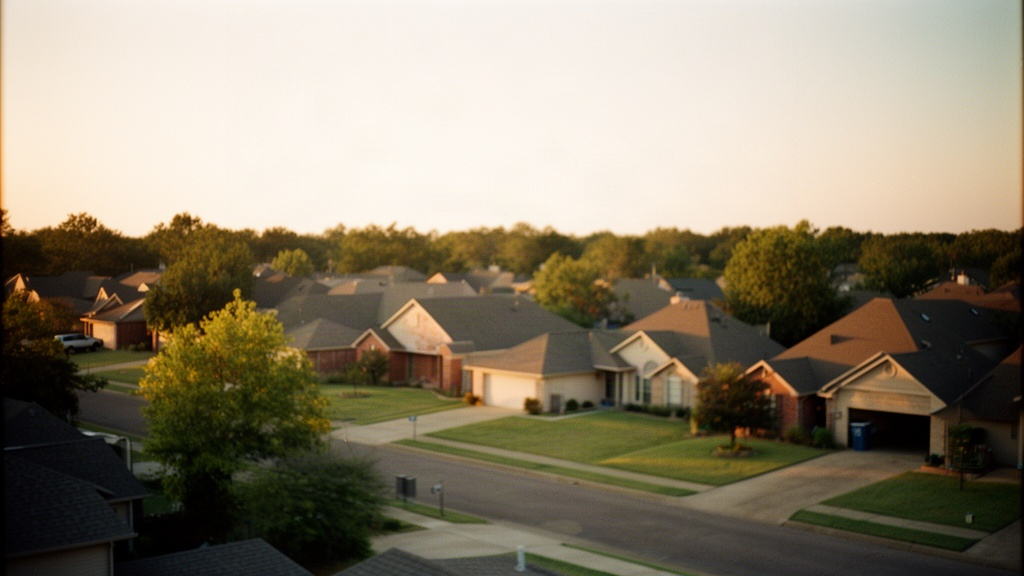
Powell draws investor attention because it sits at the intersection of strong suburban demand and limited new supply. The city covers roughly 7 square miles in northern Delaware County, positioned about 20 miles north of downtown Columbus via US-23 and SR-315. That commute, typically 25 to 35 minutes in normal traffic, keeps Powell firmly within the Columbus employment orbit while maintaining its own distinct character as a walkable small town with a dedicated village center along Olentangy Street.
Delaware County as a whole has been one of the fastest-growing counties in Ohio for over a decade, and Powell sits near its southern edge where growth pressure from Columbus is most concentrated. That sustained population growth is one reason Midwest suburban markets like this one have appeared on investor radar nationally. HousingWire has noted that Midwest markets are dominating lists of investor hot spots, with suburban communities near major employment centers leading the way. Powell fits that profile precisely.
What Makes Powell Different from Other Columbus Suburbs
Powell has a genuine downtown core, which is unusual for a suburb of its size. The Historic Village District along Olentangy Street features locally owned restaurants, boutiques, and seasonal events that draw residents throughout the year. Homeowners and renters in Powell are paying partly for that sense of place, which tends to support both resale values and rental desirability over time.
The Columbus Zoo and Aquarium is located immediately adjacent to Powell along Powell Road, drawing millions of visitors annually and making the area recognizable to a wide regional audience. Scioto Reserve Country Club, Glacier Ridge Metro Park, and the Olentangy Indian Mounds State Memorial are all within a short drive. These are not abstract amenities; they are concrete reasons why people actively seek out this specific zip code when relocating to central Ohio.
The Demand Drivers Behind Powell's Rental Market
Corporate relocations into the Columbus metro continue to push demand northward. Intel's semiconductor manufacturing campus in New Albany is roughly 30 miles from Powell, and the broader Columbus tech and logistics expansion has added tens of thousands of jobs to the metro over the past several years. Many incoming employees and contractors look for rentals in established northern suburbs before committing to a purchase, and Powell captures a meaningful share of that temporary and transitional demand.
Powell's housing stock skews toward larger single-family homes, which means the rental pool here is not competing with downtown apartments. The tenant profile tends toward households that want a yard, garage access, and proximity to parks, which produces longer average tenancies and lower turnover costs for landlords.
2. Powell Investment Property Types and Price Ranges
Powell's inventory is dominated by single-family detached homes, with a smaller but meaningful supply of condos, townhomes, and a very limited number of small multifamily properties. Understanding what each property type offers an investor, and at what price point, is the starting point of any serious investment property guide for Powell, Ohio.
Single-Family Rentals
Single-family homes in Powell currently range from approximately $350,000 on the lower end for older ranch-style homes built in the 1980s and 1990s, up through $700,000 and beyond for newer construction in subdivisions like Scioto Reserve, Wedgewood Hills, and The Lakes at Brentwood.
The acquisition cost in Powell is higher than in many Columbus suburbs, which means gross rental yields are compressed compared to, say, Whitehall or Reynoldsburg. Investors here are generally making a total-return bet: accepting a lower cap rate in exchange for stronger appreciation potential and lower vacancy risk. A 3-bedroom, 2-bath home in the $375,000 to $425,000 range currently rents for approximately $2,200 to $2,600 per month, depending on condition, subdivision, and included features like a finished basement or three-car garage.
Condos and Townhomes
Condos and townhomes in Powell typically fall in the $250,000 to $380,000 range and offer a lower entry price for investors who want Powell exposure without the maintenance footprint of a detached home.
The trade-off is HOA fees, which in Powell condo communities can run from $200 to $450 per month depending on the association. Those fees cover exterior maintenance, landscaping, and sometimes water and trash, but they directly reduce net operating income. Underwriting a condo investment without factoring in HOA costs is a common and costly mistake. Always request the full HOA financials and reserve study before submitting an offer.
Small Multifamily and Mixed Considerations
True small multifamily properties, duplexes and triplexes, are rare within Powell's city limits. The zoning in most of Powell is oriented toward single-family residential use, and the Historic Village District has its own overlay regulations. Investors specifically seeking multifamily assets may find more options in adjacent communities like Lewis Center or Dublin, though those carry their own market dynamics. If multifamily is your target, a conversation with a local agent who knows the zoning map is essential before you spend time searching.
3. Understanding the Powell, Ohio Rental Market
Rental demand in Powell is real, but the market is not as deep as it is in denser Columbus neighborhoods. The total housing stock within Powell's city limits is relatively modest, which means inventory turns over slowly in both the for-sale and for-rent segments. That limited supply is a structural advantage for landlords who already own here, but it also means finding a tenant sometimes takes longer than in a market with higher overall rental volume.
Current Rent Ranges and Vacancy Context
As of September 2026, single-family rental rates in Powell generally fall in these ranges based on bedroom count and condition:
- 3-bedroom homes: $2,100 to $2,600 per month, depending on subdivision and finishes.
- 4-bedroom homes: $2,500 to $3,200 per month, with premium pricing for newer builds in Scioto Reserve or Wedgewood Hills.
- Condos and townhomes: $1,600 to $2,100 per month before HOA fees, which the landlord typically absorbs.
- Vacancy rates: Historically low in Powell relative to the broader Columbus metro, though well-priced properties lease faster than overpriced ones regardless of location.
What Tenants Are Looking For in Powell
Tenants willing to pay Powell rents generally expect updated kitchens, in-unit laundry, attached garages, and proximity to the trail systems and parks that define the area's appeal. The Olentangy Trail runs through the region and connects Powell to Columbus, which is a genuine draw for tenants who commute by bike or simply value outdoor access. Properties near Glacier Ridge Metro Park or within walking distance of the village center command a premium.
Investors who buy dated properties and rent them without updates often find the property sits longer and rents at the bottom of the range. In a market where acquisition costs are already high, leaving rent on the table due to deferred cosmetic updates is an avoidable drag on returns. Budget for paint, flooring, and appliance upgrades before listing any Powell rental.
4. Financing an Investment Property in Powell
Financing is where many first-time investors in Powell run into surprises. Because Powell home prices are well above the Columbus metro median, the loan amounts on investment purchases here frequently push into jumbo territory, which changes the lending landscape considerably.
Conventional Investment Loans vs. Portfolio Lending
Conventional investment property loans follow Fannie Mae and Freddie Mac guidelines and currently require a minimum 15 percent down payment for single-unit investment properties, with better pricing at 25 percent down.
For a $425,000 Powell single-family rental, that means a down payment of $63,750 to $106,250, plus closing costs and cash reserves. Portfolio lenders and local community banks sometimes offer more flexible terms for experienced investors, including debt-service coverage ratio (DSCR) loans that qualify the property on its rental income rather than the borrower's personal income. DSCR lending has grown significantly in the Columbus market and is worth exploring if you are self-employed or already carry multiple investment properties.
Down Payment and Reserve Requirements
Most conventional lenders require six months of principal, interest, taxes, and insurance (PITI) in liquid reserves after closing on an investment property. On a $400,000 Powell home with a 25 percent down payment and a 7.25 percent interest rate, monthly PITI runs approximately $2,800 to $3,100 depending on tax escrow and insurance. That puts your reserve requirement at roughly $17,000 to $19,000 in cash you cannot touch at closing. Factor this into your total capital requirement before you make an offer.
Interest rates on investment properties carry a pricing adjustment above primary residence rates, typically 0.5 to 0.75 percentage points higher. In the current September 2026 rate environment, locking in the right loan structure matters as much as finding the right property. Speak with at least two lenders, including a local Ohio community bank, before deciding on financing.
5. Due Diligence Steps Before You Buy
No investment property guide for Powell, Ohio is complete without a clear due diligence framework. Powell's higher price points mean the cost of a mistake is proportionally larger than in lower-priced markets. Rushing through inspections or skipping financial analysis because a property looks appealing is how investors end up with assets that underperform for years.
Running the Numbers on a Powell Property
Start with gross scheduled rent, then subtract vacancy (assume at least 5 percent even in a strong market), property management fees (8 to 10 percent of collected rent is standard in the Columbus metro), maintenance reserves (budget 1 percent of purchase price annually), and HOA fees if applicable.
What remains after those expenses and your mortgage payment is your monthly cash flow. In Powell, many investors find that monthly cash flow is thin or slightly negative on a leveraged purchase, which is why understanding the appreciation thesis and total-return picture matters. Investors who expect strong immediate cash flow from a Powell property at current prices and rates are often disappointed. Those who underwrite for long-term equity growth alongside modest income tend to be more satisfied with the outcome.
Local Costs That Affect Your Return
Delaware County property taxes are a significant line item in any Powell investment analysis. The effective tax rate on a $425,000 Powell home runs roughly $7,500 to $9,500 annually depending on the specific parcel and any applicable exemptions. Owner-occupant homestead exemptions do not apply to investment properties, so budget accordingly. You can look up the exact assessed value and tax history for any Powell parcel through the Delaware County Auditor's website before making an offer.
Insurance on investment properties in Powell runs higher than owner-occupied rates, typically $1,800 to $2,800 annually for a single-family home depending on age, construction type, and coverage limits. Homes with pools or older roofs (15 years or more) will be on the higher end. Get an insurance quote before finalizing your offer so there are no surprises in your underwriting.
Working with a Powell-Based Agent
Access to off-market opportunities, accurate rental comps, and neighborhood-level pricing nuance all depend on working with someone who is active in Powell specifically, not just the broader Columbus area. An agent who sells regularly in Powell knows which subdivisions hold value better in a softening market, which streets have deferred infrastructure issues, and which properties have been sitting because of a pricing problem versus a condition problem. That local knowledge is not available in a spreadsheet.
If you are also thinking about the broader purchase process in Powell, the articles on buying a home in Powell, Ohio and the Powell, Ohio real estate market guide provide useful context on current pricing and timing that applies directly to investment purchases as well.
For investors who may eventually want to sell their Powell asset, understanding the resale side of the equation from the start is smart planning. The guide on selling a home in Powell, Ohio covers pricing strategy and timeline expectations that are directly relevant to an eventual exit.
Investors who want a deeper look at the upper end of the Powell market, where some of the strongest appreciation has occurred, should also review the luxury home market in Powell, Ohio for context on what drives premium pricing in this market.
FAQ
Is Powell, Ohio a good market for real estate investment right now?
Powell offers a combination of sustained demand, limited housing supply, and proximity to Columbus employment that has historically supported property values. As of September 2026, the market favors investors with a long-term horizon rather than those seeking immediate high cash flow, because acquisition prices are elevated relative to achievable rents. The total-return picture, combining modest cash flow with appreciation potential in a supply-constrained suburb, is what draws investors to Powell. Anyone underwriting a Powell investment should model conservatively on cash flow and stress-test the numbers at a higher vacancy rate than they expect to actually experience.
What type of investment property works best in Powell, Ohio?
Single-family detached homes in the $350,000 to $500,000 range represent the most liquid and most in-demand investment property type in Powell. These properties attract longer-tenancy renters, are easier to finance, and have the broadest resale market when you eventually exit. Condos can work if the HOA financials are healthy and fees are factored into your underwriting, but they carry additional risk from association governance and special assessments. True multifamily properties are scarce within Powell's city limits due to zoning, so investors focused on that asset class typically look in adjacent communities.
How do I find investment properties in Powell, Ohio before they hit the market?
Off-market access in Powell comes almost entirely through agent relationships, since the city's relatively small size means the MLS inventory is limited and competition for listed properties is real. An agent who is active in Powell and connected to the local seller community will hear about properties before they are formally listed, sometimes through conversations at community events, through other agents, or through homeowners who are testing the waters. Networking with a local Powell agent months before you intend to buy is far more effective than waiting for listings to appear on consumer portals. Andrew Newcomb works specifically in the Powell market and is a strong starting point for investors who want early access to available properties.