← Back to Blog
Market Trends
Powell, Ohio the Best Real Estate Market Guide: Prices, Neighborhoods and Timing
By ANDREW NEWCOMB
September 16, 2026 · 11 min read
If you are weighing a move to Powell, Ohio, or thinking about listing your home there, you need a clear picture of what the market is doing right now, what different parts of town offer, and when to act. This guide covers current prices, neighborhood characteristics, market timing, and the practical details that rarely make it into generic real estate articles.
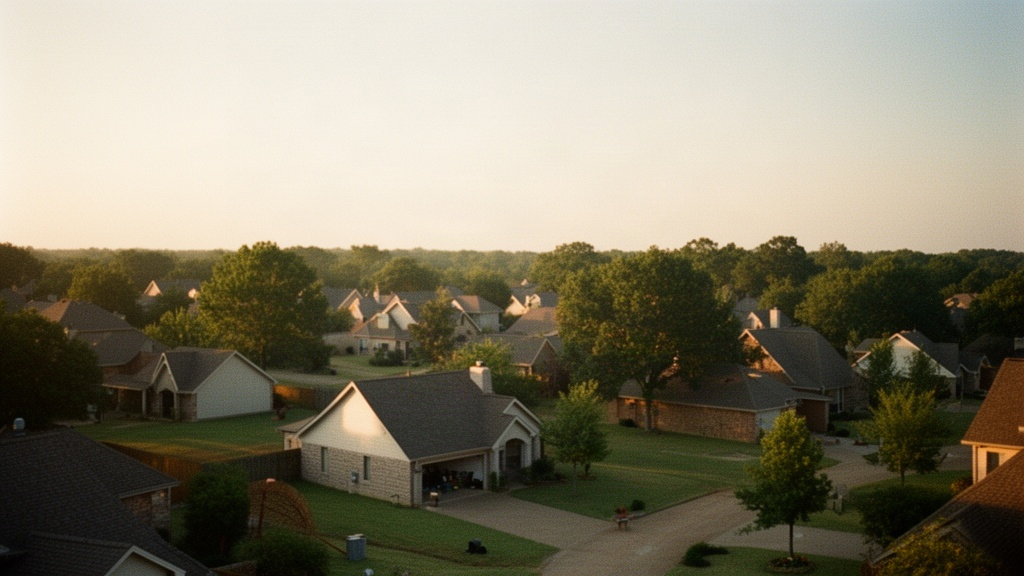
1. What the Powell, Ohio Housing Market Looks Like Right Now
Powell remains one of the more active suburban markets in central Ohio. Median sale prices for single-family homes in Powell have held in the $550,000 to $620,000 range through mid-2026, with well-finished homes on larger lots pushing well past $700,000. Inventory has loosened compared to the near-zero supply conditions of 2021 and 2022, but Powell still sees multiple-offer situations on move-in-ready homes priced accurately.
Median Prices and Inventory
According to the Powell Ohio Real Estate Market Report for August 2026, the market has shown steady demand with homes averaging around 20 to 30 days on market for correctly priced listings. Overpriced homes, by contrast, are sitting longer as buyers have grown more selective. The number of active listings has ticked up from the historic lows of prior years, giving buyers slightly more choices without tipping into a full buyer's market.
Homes priced between $450,000 and $600,000 tend to move fastest in Powell right now. The entry point for a detached single-family home in the city sits roughly in the low $400,000s, though that typically means an older ranch or colonial with dated finishes. At the upper end, custom builds on half-acre or larger lots in communities like Scioto Reserve and Tartan Fields regularly list above $900,000.
How Powell Compares Within Delaware County
Powell sits within Delaware County, which has consistently posted some of the stronger price-per-square-foot figures in the Columbus metro area. Within the county, Powell's incorporated village boundaries carry a premium over more rural Delaware County addresses because of the walkable village center, the Liberty Township infrastructure surrounding it, and the proximity to Polaris Fashion Place and the major employers clustered along the US-23 and I-270 corridors. Westerville and Dublin are the closest comparable suburban markets, and Powell homes tend to trade at a slight premium to Westerville while running close to Dublin depending on the specific street.
2. Neighborhoods and Housing Stock in Powell
Powell's residential landscape is diverse in age, style, and price point, which matters when you are comparing listings. The city and the surrounding Liberty Township areas that carry a Powell mailing address span everything from 1970s and 1980s ranches near the original village core to brand-new construction on the northern and western edges. Understanding what each pocket offers helps buyers set realistic expectations and helps sellers understand their competition.
Established Subdivisions Near the Village Core
Streets within a half-mile of Historic Powell Road and Olentangy Street feature homes built primarily between the late 1970s and mid-1990s. Lot sizes in these areas often run from a quarter acre to just under half an acre. The housing stock is a mix of two-story colonials, split-levels, and ranches, most with two-car garages. Many owners have updated kitchens and baths over the years, so the condition varies considerably from house to house. Prices in these established pockets generally run from the low $400,000s to the mid-$500,000s depending on square footage and finish level.
The walkability factor here is a real differentiator. Residents can reach the Powell Farmers Market, the restaurants and shops along Historic Powell Road, and Antrim Park's northern access points without getting in a car. The Olentangy Trail also runs through this part of the area, connecting cyclists and walkers south toward Columbus and north toward Delaware.
Newer Construction Along the Perimeter
Communities built from the early 2000s through the mid-2010s ring the older village core and stretch into Liberty Township. Subdivisions like Heritage Trace, Wedgewood Hills, and sections of Scioto Reserve fall into this category. Homes here tend to be larger, often running 2,400 to 3,800 square feet, with open floor plans, three-car garages, and community amenities like pools, tennis courts, and walking paths. Prices in these communities generally range from the mid-$500,000s to the upper $700,000s for resale homes.
New construction is still available in select pockets, though the supply is tighter than it was five years ago. Builders active in the Powell market as of September 2026 are pricing new builds starting in the low $600,000s for standard lots, with premium lots and upgraded packages pushing totals above $800,000 fairly quickly. Lead times for new construction have normalized from the pandemic-era delays, with most builders quoting six to ten months from contract to close.
Larger Lot and Custom Home Areas
Scioto Reserve, Tartan Fields, and a handful of smaller enclaves along Sawmill Road and US-42 represent Powell's custom and semi-custom home segment. Lot sizes in these areas frequently exceed half an acre, with some properties running one to three acres. Homes are typically 3,500 to 6,000 square feet with high-end finishes, finished lower levels, and outdoor living spaces. Tartan Fields sits adjacent to the Tartan Fields Golf Club, adding a recreational component that many buyers in this price range specifically seek out. List prices in these communities start around $800,000 and extend well above $1.5 million for the most finished properties.
If you are exploring the upper end of the Powell market, the article on the luxury home market in Powell, Ohio covers that segment in depth, including what buyers at those price points should expect during due diligence.
3. Market Timing: When to Buy or Sell in Powell
Timing in Powell follows a recognizable seasonal pattern, but the 2026 rate environment has added a layer of nuance that buyers and sellers both need to understand. The short answer: spring remains the most competitive window for buyers, while fall listings often face less competition from other sellers. The longer answer depends on your specific situation and the current mortgage rate picture.
Seasonal Patterns in Powell Real Estate
March through June historically brings the highest buyer activity in Powell. Listings that hit the market in late March or April tend to attract the most showings and the strongest offers, particularly in the $500,000 to $750,000 range where move-up buyers are most active. The Ohio State University academic calendar and the Columbus corporate hiring cycle both contribute to a surge of relocating households arriving in central Ohio between April and July, which keeps Powell's spring market consistently busy.
Summer activity in Powell runs strong through July, then slows noticeably in August as families settle in before the school year. September and October bring a secondary wave of buyers who missed out in spring or are relocating for fall corporate starts. This window, which is exactly where the market sits right now, often produces cleaner transactions because there are fewer competing offers, sellers are sometimes more motivated, and the frantic pace of spring has passed. November through January is the quietest stretch, with lower inventory and fewer buyers, though serious purchasers who are active then often face less competition.
What September 2026 Conditions Mean for You
As of September 2026, Powell sits in a market that is more balanced than it was in 2021 and 2022, but still tilted toward sellers on well-priced homes. Mortgage rates have moderated from their 2023 peaks, which has brought some sidelined buyers back into the market. The broader Ohio picture supports this: as noted in a recent analysis of the Ohio housing market, the state retains a sellers' market character even as conditions have softened from their most extreme levels, with supply still below historical norms in desirable suburban corridors like Powell.
For sellers listing this fall, accurate pricing is the single most important decision. Buyers in September 2026 are informed and have access to recent comparable sales data. Homes priced 5 to 8 percent above comparable sales are sitting, accumulating days on market, and eventually selling for less than they would have at a correct initial price. For buyers, this fall window offers a chance to negotiate on homes that have been sitting, while still moving before the winter slowdown narrows inventory further.
For a deeper look at how to price and position a home for sale in the current Powell market, the article on selling a home in Powell, Ohio walks through the full process, including realistic timelines and net proceeds expectations.
4. What Drives Home Prices in Powell
Price per square foot in Powell is not uniform, and understanding why two homes on different streets can be priced $100,000 apart helps both buyers and sellers make smarter decisions. Several factors consistently move the needle on Powell home values, and they are worth understanding before you set a list price or make an offer.
Proximity to Columbus and Commute Times
Powell sits approximately 20 miles north of downtown Columbus, with the I-270 interchange at US-23 providing the primary highway access. Drive times to downtown Columbus run roughly 25 to 35 minutes outside of peak hours and 40 to 55 minutes during morning rush. The Polaris Fashion Place area and the corporate campuses along Polaris Parkway, including Cardinal Health and Nationwide Children's Hospital's Westerville campus, are 10 to 15 minutes from most Powell addresses. Homes that are positioned closer to the US-23 corridor for easy highway access tend to carry a modest premium over those requiring longer surface-street navigation.
Local Amenities and Infrastructure
The Columbus Zoo and Aquarium sits just south of Powell along Powell Road, drawing visitors from across Ohio and adding a recognizable anchor to the area's identity. Zoombezi Bay water park operates on the same campus. The Olentangy Indian Mounds State Memorial is a few miles north in Delaware, adding historical context to the broader area. Within Powell itself, Antrim Park's northern sections, the Olentangy Trail access, and the walkable Historic Powell Road district with its restaurants, coffee shops, and local retail all contribute to the area's draw. Communities with direct trail access or within walking distance of the village center consistently command higher prices per square foot than comparable homes in more car-dependent pockets.
Lot Size, Age, and Finishes
In Powell's mid-range and upper-mid-range segments, lot size is a meaningful price driver. A home on a 0.4-acre lot will typically outperform an identical floor plan on a 0.15-acre lot by 5 to 10 percent in Powell's market. The age of major systems, particularly the roof, HVAC, and windows, affects both pricing and buyer confidence. Homes with roofs and HVAC systems under 10 years old move faster and with fewer contingency complications. Kitchen and primary bath updates matter most to buyers in the $500,000 to $700,000 range; at the $800,000-plus level, buyers are increasingly focused on the overall finish quality and the outdoor living space.
5. Practical Steps Whether You Are Buying or Selling
Knowing the market is only useful if you translate it into action. Whether you are on the buy side or the sell side in Powell right now, the steps below reflect what actually moves the needle in September 2026 conditions.
For Buyers: Getting Positioned Correctly
Start with a fully underwritten pre-approval, not a pre-qualification. In Powell's market, sellers and their agents distinguish between the two, and a fully underwritten approval from a local lender carries more weight than a quick online pre-qual from a national platform. Identify your target neighborhoods based on commute priorities, the type of housing stock that fits your needs, and the price range your approval supports. Then track active listings and recent sales for at least 30 days before making offers so you have a calibrated sense of what accurate pricing looks like in each pocket.
Inspection contingencies remain standard in Powell even in competitive situations, but the terms matter. Buyers who ask for everything flagged in an inspection report often lose deals; buyers who focus on material defects and negotiate those specifically tend to close more successfully. Budget for closing costs of roughly 2 to 3 percent of the purchase price on top of your down payment, and factor in property taxes, which in Delaware County run approximately 1.8 to 2.1 percent of assessed value annually depending on the specific township and applicable levies.
If you are purchasing your first home in Powell, the first-time home buyer guide for Powell, Ohio covers down payment assistance programs, loan types, and the full step-by-step process specific to this market.
For Sellers: Pricing With Precision
The biggest mistake Powell sellers make in the current market is anchoring to 2022 peak prices. Values have held up well, but the market no longer absorbs overpricing the way it did during the inventory crisis. A comparative market analysis built on the last 90 days of closed sales in your specific subdivision, adjusted for condition and lot size, is the most reliable starting point. Homes that are priced within 2 to 3 percent of market value and presented well, meaning decluttered, professionally photographed, and with any deferred maintenance addressed, are still selling in 15 to 25 days in Powell as of September 2026.
Pre-listing inspections have become more common in Powell over the past two years. Sellers who identify and address issues before going on market avoid the renegotiation that often follows a buyer's inspection, and they signal confidence in the property's condition. If your home has a finished lower level, a three-car garage, or a significant outdoor living space like a covered patio or pool, make sure those features are front and center in the marketing, as they are among the most searched-for attributes in Powell's $550,000 to $750,000 price band.
The Q1 2026 breakdown for Powell's market, published by Van Steyn Partners, provides additional data points on days on market and sale-to-list ratios that are worth reviewing alongside your agent's local analysis. You can read that report here for a quantitative snapshot of how the year started before the summer activity.
Investors evaluating Powell as an income-property market will find a different calculus than owner-occupants. The investment property guide for Powell, Ohio covers cap rates, rental demand, and the specific property types that pencil out in this market.
FAQ
What is the median home price in Powell, Ohio right now?
As of September 2026, median sale prices for single-family homes in Powell are running in the $550,000 to $620,000 range, with the entry point for detached homes starting in the low $400,000s. Custom and luxury homes in communities like Scioto Reserve and Tartan Fields regularly list above $900,000. Prices vary considerably based on subdivision, lot size, square footage, and the age and quality of finishes. The most accurate benchmark for any specific home is a comparative market analysis built on the last 90 days of closed sales in that immediate area.
Is it a buyer's market or a seller's market in Powell, Ohio in 2026?
Powell sits in a moderately seller-favorable market as of September 2026, though conditions have become more balanced than the extreme seller's market of 2021 and 2022. Well-priced, move-in-ready homes are still selling in 15 to 30 days and attracting multiple offers in some price bands. Overpriced homes, however, are sitting and accumulating days on market before eventually selling below the original list price. Buyers have more negotiating room than they did three years ago, particularly on homes that have been active for more than 45 days, but they should not expect the deep discounts that would characterize a true buyer's market.
What are the best times of year to buy or sell a home in Powell, Ohio?
Spring, specifically March through June, is Powell's most active selling season and the most competitive window for buyers. Sellers who list in late March or April typically see the most showings and strongest offers. A secondary wave of buyer activity runs through September and October, which is the current window, and tends to produce less competition for buyers while still offering motivated sellers. The quietest period runs from November through January, when inventory drops and buyer activity slows, though serious buyers active in that window often face fewer competing offers. The right timing ultimately depends on your personal situation, financing readiness, and the specific property type you are targeting.