← Back to Blog
Selling
Downsizing in Layton, Utah: Options, Costs and Timing
By Annette Judd
Real Broker LLC · DRE# 8932026-AB00
September 11, 2026 · 11 min read
Downsizing in Layton, Utah is one of the most practical moves you can make when your current home no longer fits your life. Whether you have rooms sitting empty, a yard that has become more work than pleasure, or a mortgage payment that feels oversized for what you actually use, Layton's housing market in September 2026 gives you real options at a range of price points. This guide covers the housing types available, the costs involved, and how to time your move so you come out ahead.
1. Why Downsizing in Layton, Utah Makes Financial Sense Right Now
Downsizing in Layton, Utah makes strong financial sense because homeowners who purchased before 2022 are sitting on substantial equity. Converting that equity into a smaller, less expensive home can eliminate a mortgage entirely or dramatically reduce monthly carrying costs. That freed-up cash can fund retirement, travel, or simply a more comfortable day-to-day budget.
What the Layton Market Looks Like in September 2026
Layton sits in the middle of Davis County, roughly 25 miles north of Salt Lake City along I-15, and its housing market reflects a city that has matured steadily over the past decade. Median home prices in Layton currently sit in the high $400,000s to low $500,000s for detached single-family homes, depending on size, lot, and location within the city. That range means a homeowner in a four-bedroom, 2,400-square-foot home on the east bench could sell at or above the $500,000 mark and purchase a two-bedroom rambler or townhome in the $300,000 to $380,000 range, pocketing a meaningful difference.
Inventory in Layton has been more balanced through 2026 than the frenzied seller's market of 2021 and 2022, which is actually helpful for downsizers. You are not competing against dozens of buyers the moment you find a smaller home you like, and you have a reasonable window to negotiate. For a deeper look at current conditions, the Layton, Utah Real Estate Market Guide covers price trends and inventory levels in detail.
The Equity Advantage for Layton Homeowners
A homeowner who bought in Layton in 2016 for around $280,000 and sells today near $490,000 has roughly $210,000 in gross appreciation before selling costs. Even after paying a commission and closing costs, the net proceeds are substantial. Pair that with the federal capital gains exclusion, which allows up to $250,000 in profit tax-free for single filers and $500,000 for married couples filing jointly on a primary residence, and many Layton downsizers will owe nothing in federal capital gains tax on the transaction.
AARP's guidance on downsizing in retirement notes that the financial calculation is not only about the sale price but also about reduced ongoing costs: lower property taxes, smaller utility bills, and less maintenance spending. In Layton, where property tax on a $500,000 home runs roughly $2,200 to $2,600 per year, dropping to a $340,000 condo or townhome could save $600 to $900 annually in taxes alone.
2. Your Housing Options When Downsizing in Layton
Layton offers three main categories of smaller housing for downsizers: single-story detached homes, townhomes and twin homes, and condominiums including age-restricted communities. Each comes with different price points, maintenance responsibilities, and lifestyle tradeoffs worth understanding before you start touring.
Single-Story Homes and Ramblers
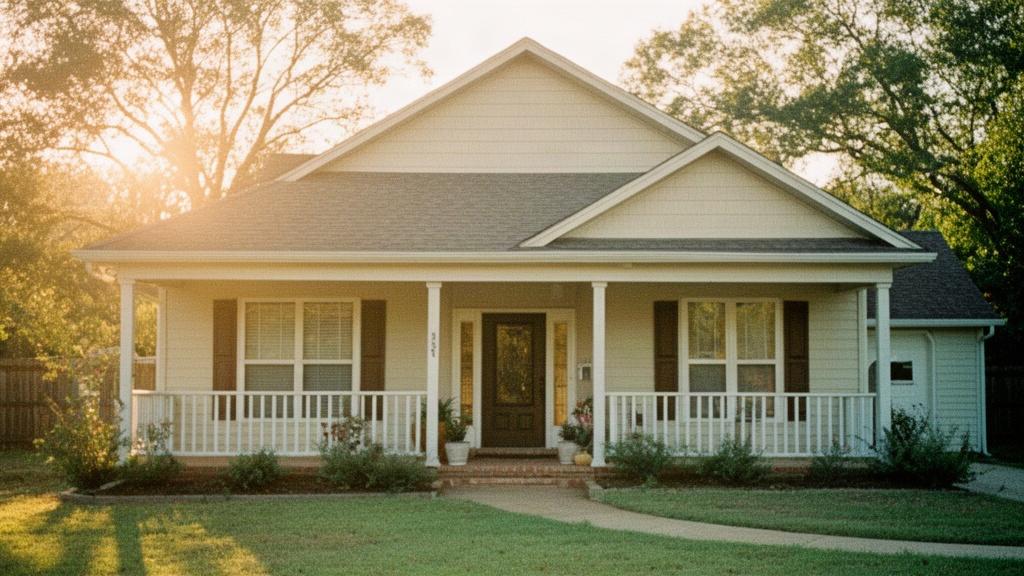
Layton has a solid inventory of single-story ramblers, many built between the 1960s and 1990s in established neighborhoods west of I-15 near Layton Hills Mall and along the 1000 North corridor. These homes typically range from 1,100 to 1,600 square feet, with two or three bedrooms and a single-car or two-car garage. Prices for updated ramblers currently run from the low $360,000s to the mid-$420,000s depending on lot size and finishes.
The appeal of a single-story home for downsizers is straightforward: no stairs, a yard you still own and control, and the feel of a traditional detached home without the square footage you no longer need. The tradeoff is that you still carry full exterior maintenance responsibility, including the roof, driveway, and landscaping.
Townhomes and Twin Homes
Townhome and twin-home communities have expanded significantly in Layton over the past several years, particularly along the Highway 193 and Antelope Drive corridors and near the Layton FrontRunner station on 1200 West. These attached or semi-attached homes typically range from 1,300 to 1,900 square feet across two stories, with two to three bedrooms and a small patio or yard space.
Prices for Layton townhomes currently range from roughly $315,000 to $410,000. Most come with an HOA that covers exterior maintenance, landscaping of common areas, and sometimes snow removal, which is a meaningful convenience during northern Utah winters when snowfall from the Wasatch Front can pile up quickly. Monthly HOA fees in Layton townhome communities generally run between $150 and $300.
Condominiums and 55-Plus Communities
Condominiums in Layton are available in a handful of complexes, with prices generally starting in the high $200,000s and reaching into the mid-$300,000s for updated units. Condos offer the lowest maintenance burden of any ownership option: the HOA typically covers the building exterior, roof, common areas, and sometimes water and trash. The monthly HOA fee is higher as a result, often $250 to $450 per month in Layton-area condo associations.
Age-restricted communities designed for residents 55 and older exist in the broader Davis County area, including options in nearby Kaysville and Clearfield that Layton residents frequently consider. These communities offer single-story attached homes or detached patio homes with HOA-managed exteriors. If you are exploring the full spectrum of Davis County options, the North Davis County Buyer's Guide covers communities in Kaysville, Clearfield, and Syracuse as well.
3. The Real Costs of Downsizing in Layton, Utah
The total cost of downsizing involves three buckets: what it costs to sell your current home, what it costs to buy the smaller one, and the transition costs in between. Running these numbers before you commit to a timeline is essential, because the net financial outcome depends heavily on all three.
Selling Costs You Need to Budget For
When you sell your Layton home, the largest line item is the real estate commission, typically 5 to 6 percent of the sale price split between both agents. On a $490,000 sale, that runs $24,500 to $29,400. Add seller-paid closing costs, which in Utah typically range from 1 to 2 percent of the sale price, covering title insurance, settlement fees, and prorated property taxes. Pre-listing repairs and staging, if needed, add another $1,000 to $5,000 depending on the home's condition.
In total, plan for 7 to 9 percent of your sale price in selling-side costs. On a $490,000 home, that is roughly $34,000 to $44,000 coming off the top of your proceeds. The guide to selling a home in Layton, Utah walks through each cost category in more detail so you can build an accurate net sheet before you list.
Buying Costs on the Smaller Home
If you are purchasing a $350,000 townhome in Layton with cash from your sale proceeds, your closing costs will be modest, generally $2,000 to $4,000 for title, settlement, and recording fees. If you are financing part of the purchase, add lender fees and prepaid items like homeowners insurance and property tax escrow, which typically bring buyer closing costs to 2 to 3 percent of the purchase price. On a $350,000 purchase with a loan, budget $7,000 to $10,500 in closing costs.
Do not forget the HOA reserve fund contribution that many Layton townhome and condo associations require at closing. This one-time payment, often two to three months of dues, can add $400 to $900 to your upfront costs. Ask for the HOA's financial documents and reserve study during your due diligence period; a well-funded HOA is a sign of responsible management.
Moving, Storage and Transition Costs
Local moves within Layton or Davis County typically cost $800 to $2,500 depending on the volume of belongings and whether you use a full-service mover or a rental truck. If your closing dates do not align perfectly, you may need short-term storage, which runs $100 to $250 per month for a standard unit at one of the several storage facilities along Layton Parkway or near the Hill Field Road commercial corridor.
The other transition cost that surprises many downsizers is furniture replacement or modification. A sectional sofa that filled a large family room may not fit in a smaller living space. Budget $1,000 to $4,000 for new or replacement furnishings, and consider donating or selling larger pieces before the move rather than paying to move them only to store them.
4. Timing Your Downsize: When to Sell and When to Buy
Timing a downsize well means aligning the sale of your current home with the purchase of your smaller one, while accounting for Layton's seasonal market patterns and current mortgage rate conditions. Getting the sequence right can save you from carrying two housing payments or scrambling for temporary housing between closings.
Seasonal Patterns in the Layton Market
Layton follows northern Utah's typical real estate calendar. Buyer activity picks up in late February and peaks through May and June as families plan moves around the school year. Listings that go on the market in March through May tend to attract the most competing offers and sell closest to or above asking price. The market slows meaningfully in July and August as summer vacations thin the buyer pool, then picks back up modestly in September before cooling again through November and December.
September 2026, right now, sits in that modest fall uptick window. Serious buyers who did not find what they wanted in the spring are still active, and competition from other sellers has thinned somewhat from the spring peak. If you are considering listing your larger home this fall, you may find a motivated buyer pool without the frenzy of the spring rush.
Should You Sell First or Buy First?
For most Layton downsizers, selling first is the lower-risk approach. You know exactly how much equity you are working with, you can make a non-contingent offer on your smaller home, and you avoid carrying two mortgages. The main downside is the gap between your sale closing and your new purchase closing, which may require a short-term rental or a negotiated leaseback arrangement with your buyer.
A leaseback, where you sell your home but remain as a tenant for 30 to 60 days after closing, is a common solution in the Layton market and can be negotiated into your purchase contract. Alternatively, if you have strong credit and sufficient assets, a bridge loan or home equity line of credit can let you buy first and sell second, though the carrying costs and qualification requirements make this a more complex path. Discuss both scenarios with your agent and lender before committing to a sequence.
Rate and Affordability Considerations in 2026
Mortgage rates in September 2026 remain elevated compared to the historic lows of 2020 and 2021, which affects the monthly payment on any financed portion of your smaller home. However, if you are paying cash from your sale proceeds or financing only a small portion, the rate environment matters less to you than it does to a first-time buyer financing 95 percent of a purchase. A downsizer putting $200,000 down on a $340,000 townhome is financing $140,000, which keeps the monthly payment manageable even at current rates.
HomeLight's guide on when to downsize your home points out that waiting for rates to drop before downsizing often costs more than it saves, because home prices tend to rise when rates fall as demand increases. If your personal circumstances are ready, the financial math of downsizing in Layton works in your favor now, not just hypothetically when rates might be lower.
5. Practical Steps to Downsize Successfully in Layton
A successful downsize in Layton comes down to preparation, sequencing, and working with someone who knows both the selling and buying sides of the local market. Here is how to approach it systematically so nothing catches you off guard.
Deciding What to Keep Before You List
Start the decluttering process at least two to three months before you plan to list your home. Going through each room with the question of whether an item fits your new space and your current life will reduce your moving costs, make your home show better, and help you mentally prepare for the transition. Layton has several donation centers and a few estate sale companies that can help you move furniture and household goods efficiently.
Once you have a clearer picture of what you are keeping, you can better evaluate whether a specific smaller home will actually work for your belongings and routines. Touring a 1,400-square-foot townhome with a mental inventory of your actual possessions gives you a much more accurate read than touring it cold.
Working with a Local Agent Who Knows Both Sides
Downsizing is a simultaneous sell-and-buy transaction, which means your agent needs to be equally skilled on both sides of the deal. An agent who primarily works with buyers may not price your current home aggressively enough. An agent who mostly lists homes may not know the townhome and condo inventory well enough to find you the right replacement property quickly.
Look for an agent with a track record of completed transactions in both categories in Layton specifically. They should be able to pull comparable sales for your current home, walk you through the smaller-home inventory that fits your criteria, and help you structure the timing of both closings so the transition is smooth. For guidance on evaluating agents, the article on what to look for when choosing a Realtor to sell your home in Layton covers the key questions to ask before you sign a listing agreement.
Annette Judd of Real Broker LLC has worked with buyers and sellers across Layton and Davis County and understands the specific dynamics of downsizing transactions, from pricing the larger home correctly to identifying the right smaller properties before they go under contract. If you are thinking about downsizing in Layton, having that dual-sided expertise in your corner makes the process significantly less stressful.
FAQ
How much equity do I need to make downsizing in Layton, Utah worth it financially?
There is no single threshold, but most Layton homeowners find the numbers work well when they have at least $150,000 in net equity after paying selling costs. That amount gives you enough to purchase a smaller home outright or with a very small loan, which is the core financial benefit of downsizing. If your equity is lower, you can still downsize and reduce your monthly costs, but the math is tighter and you will want to model the numbers carefully with your agent and a lender before committing. A net sheet prepared by your agent will show you exactly what you walk away with after all selling costs, so you can compare that figure to the purchase price of your target smaller home.
Are there age-restricted or 55-plus communities in or near Layton, Utah?
Layton itself has limited age-restricted inventory, but the broader Davis County area, including Kaysville to the south and Clearfield to the north, has several communities designed for residents 55 and older. These typically feature single-story attached or detached patio homes with HOA-managed exteriors and communal amenities. If this type of community is a priority for you, working with a local agent who knows Davis County inventory across multiple cities is important, because these properties do not always appear prominently in general home searches and some have waitlists or resale restrictions worth understanding before you make an offer.
What is the biggest mistake Layton homeowners make when downsizing?
The most common mistake is underestimating the total cost of the transition, specifically the combination of selling costs, buying costs, and moving and transition expenses. Many homeowners focus only on the sale price of their current home and the purchase price of the smaller one, and are surprised when the net gain is $30,000 to $50,000 less than they expected after all costs are accounted for. The second most common mistake is not decluttering before listing, which results in a home that shows poorly and may sell for less than it would have with a cleaner, more spacious presentation. Starting the decluttering process two to three months before listing solves both problems: the home shows better, and you arrive at your smaller space with only what you actually need.