← Back to Blog
Neighborhoods
What Is It Like to Live Near the Layton Hills Area and What Are Home Prices There Right Now
By Annette Judd
Real Broker LLC · DRE# 8932026-AB00
September 26, 2026 · 11 min read
If you have been wondering what it is like to live near the Layton Hills area and what home prices look like right now, you are asking one of the most common questions Annette Judd hears from buyers relocating to northern Utah. The Layton Hills corridor sits in the heart of Layton, Utah, surrounded by retail, parks, and freeway access, and the housing market nearby reflects a broad mix of price points and property types. This guide breaks down everything a buyer or seller needs to know, from current September 2026 pricing to lot sizes, commute times, and what daily life in the area actually looks like.
1. Where Exactly Is the Layton Hills Area?
The Layton Hills area sits in the central-western portion of Layton, Utah, anchored by the Layton Hills Mall at roughly 1200 North and Main Street. It is one of the most recognizable commercial and residential zones in all of Davis County, with Interstate 15 running along its western edge and Layton's residential grid spreading east toward the Wasatch foothills.
The Physical Setting
Layton sits in Davis County between Kaysville to the south and Clearfield to the north. The city covers roughly 23 square miles and sits at an elevation of about 4,400 feet, which gives residents views of both the Wasatch Range to the east and the Great Salt Lake wetlands to the west. The Layton Hills corridor is close to the geographic center of the city, making it a natural hub for commerce and daily life.
What Streets and Boundaries Define It
For practical purposes, buyers and sellers typically use the term Layton Hills to describe the area bounded by Antelope Drive to the north, Fairfield Road to the east, Gordon Avenue to the south, and the I-15 corridor to the west. Main Street (Highway 193) bisects the area east to west and is the primary commercial spine. Homes within a half-mile to a mile of the mall and the Main Street retail strip fall squarely within what most locals call the Layton Hills area.
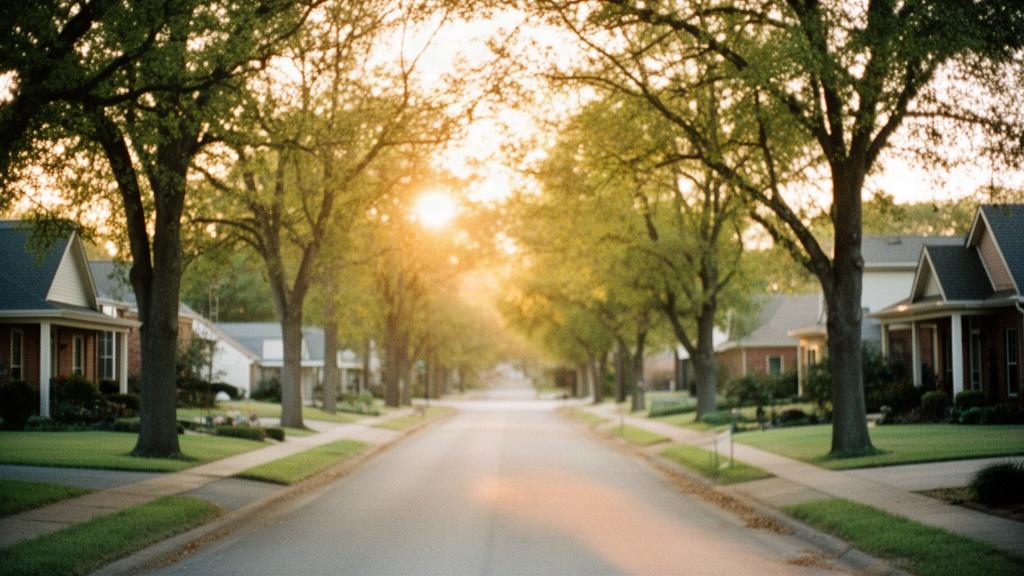
The area transitions quickly from commercial to residential as you move east on any of the cross streets. Within three to five blocks of Main Street, the density drops, lots widen, and the streetscape shifts to established single-family neighborhoods with mature trees and mid-century to 1990s-era housing stock.
2. What Is It Like to Live Near Layton Hills Day to Day?
Living near the Layton Hills area means having most daily errands within a short drive or even a walkable distance, depending on exactly where your home sits. The concentration of retail, dining, and services along the Main Street and Antelope Drive corridors is among the densest in Davis County, which makes the area convenient for households that prioritize access over quiet.
Retail, Dining, and Errands
The Layton Hills Mall anchors the commercial zone with over 100 stores, including major anchors like Dillard's and Dick's Sporting Goods. The surrounding retail sprawl along Main Street adds Costco, Target, Home Depot, multiple grocery chains, and a dense collection of restaurants ranging from fast-casual to sit-down. Residents living within a mile of the mall can handle virtually every routine errand without leaving the immediate area.
Medical access is also strong near Layton Hills. Davis Hospital and Medical Center is located on Antelope Drive, roughly two miles from the mall, and a large cluster of urgent care clinics, dental offices, and specialty practices operates throughout the corridor. For routine healthcare needs, residents rarely have to leave Layton at all.
Parks and Outdoor Space
Despite the commercial density near the mall, the residential streets surrounding the Layton Hills area connect to several parks within easy reach. Layton Commons Park, located at roughly 700 North Wasatch Drive, is one of the city's largest parks, featuring a splash pad, picnic pavilions, sports fields, and walking paths across more than 60 acres. It sits about one mile east of the Layton Hills Mall.
The Layton Surf park and the Layton Surf recreation area have also brought new outdoor and water recreation options to the city in recent years. For trail access, the Legacy Parkway Trail runs along the western edge of the city near the wetlands and offers a paved multi-use path that connects south toward Farmington and north toward Clearfield. The Bonneville Shoreline Trail access points in east Layton are a short drive from Layton Hills, typically under 10 minutes.
Commute Access and Drive Times
Interstate 15 access from the Layton Hills area is straightforward, with on-ramps at Antelope Drive and at Main Street (Highway 193). During typical weekday morning rush hour, the drive south to Salt Lake City's downtown core runs between 35 and 55 minutes depending on traffic conditions and your exact destination. The FrontRunner commuter rail station in Layton, located near the Layton Transit Center on Antelope Drive, offers an alternative to driving. For a deeper look at what the commute actually looks like, the article on commuting from Layton to Salt Lake City during rush hour covers the numbers in detail.
Ogden, located about 12 miles north of Layton Hills, is a 15 to 20-minute drive on I-15 under normal conditions. Hill Air Force Base, one of the largest employers in the region, is directly adjacent to Layton's western boundary, making the Layton Hills area one of the closer residential zones to the base's main gate.
3. Home Prices Near the Layton Hills Area Right Now
As of September 2026, home prices near the Layton Hills area sit in a range that reflects both the area's central location and the broader Layton market. According to current market data tracked on Redfin's Layton housing market page, the median sale price for homes across Layton is approximately $480,000 to $510,000 in September 2026, with the Layton Hills corridor itself trending slightly below the city median due to its older housing stock and smaller average lot sizes compared to east Layton.
Median Price Range in September 2026
Single-family homes within roughly a mile of the Layton Hills Mall are currently selling in the $390,000 to $520,000 range, with the spread driven primarily by square footage, lot size, and renovation status. A 1,400-square-foot ranch-style home on a standard city lot in the area typically lists in the low-to-mid $400,000s. A fully updated two-story home with 2,200 or more square feet pushes toward the upper end of that range or beyond.
Townhomes and condos near Layton Hills offer a lower entry point, generally ranging from $290,000 to $390,000 in September 2026. These attached units have become more competitive as buyers priced out of the single-family market have shifted their search, so well-priced townhomes in this corridor are moving at a pace comparable to detached homes.
What Different Price Points Get You
At the $390,000 to $420,000 price point, buyers near Layton Hills are typically looking at homes built between the 1960s and 1990s, with three bedrooms, one or two bathrooms, and a single-car or two-car garage on a lot of roughly 7,000 to 9,000 square feet. These homes often have original kitchens and bathrooms, which creates an opportunity for buyers willing to update over time. Sellers in this range who have made cosmetic updates, new flooring, fresh paint, updated fixtures, are seeing faster offer timelines.
In the $460,000 to $520,000 range near Layton Hills, buyers find homes with more square footage, updated interiors, and in some cases newer construction from the 2000s or early 2010s. Four-bedroom floor plans become more common at this price level, and many homes in this bracket have finished basements that add significant usable square footage.
How Prices Have Shifted Year Over Year
Compared to September 2025, median prices in the Layton market are up approximately 4 to 6 percent, a moderation from the sharper gains seen in prior years. Inventory has increased modestly in 2026, giving buyers more options than they had during the tightest years of the market, but well-priced homes near Layton Hills are still drawing multiple offers within the first week or two of listing. The market near Layton Hills is competitive without being frantic, which represents a meaningful shift from the multiple-offer-in-48-hours conditions of earlier years.
4. Housing Stock and Property Types Near Layton Hills
The housing stock near the Layton Hills area is notably diverse, covering a wider range of eras and styles than you find in the newer subdivisions in east Layton or the developments near the Layton Parkway. That variety is one of the reasons buyers at different price points and with different priorities consistently look in this part of the city.
Single-Family Homes
The dominant housing type near Layton Hills is the detached single-family home, and the stock spans roughly six decades of construction. The oldest homes in the area date to the 1950s and 1960s, and they tend to be smaller ranch-style or split-level designs on lots that are often larger than what newer subdivisions offer. Mid-century homes on 9,000 to 12,000-square-foot lots are not uncommon within a few blocks of the commercial corridor, particularly on streets running north-south between Main Street and Antelope Drive.
Homes built in the 1980s and 1990s make up a large share of the inventory near Layton Hills. These tend to be two-story designs with three or four bedrooms, two-car garages, and layouts that feel more familiar to buyers used to modern floor plans. Many have been updated in the past decade with new roofs, HVAC systems, and kitchen refreshes, which reduces the deferred maintenance risk that sometimes comes with older homes.
Townhomes and Condos
Attached housing options near Layton Hills include several townhome and condo developments that were built primarily in the 1990s through the 2010s. These units typically run 1,000 to 1,600 square feet, with two or three bedrooms and one or two bathrooms. HOA fees in these communities generally cover exterior maintenance, landscaping, and sometimes water and trash, which can offset some of the cost difference compared to a detached home. Buyers looking at the attached housing market near Layton Hills should budget for HOA fees ranging from roughly $150 to $350 per month depending on the community.
Lot Sizes and Architecture
Lot sizes near Layton Hills vary considerably based on when the subdivision was platted. Older sections of the area from the 1950s and 1960s often sit on lots of 9,000 to 14,000 square feet, with mature landscaping, large yards, and in some cases fruit trees that reflect the agricultural history of the region. Subdivisions platted in the 1990s and 2000s tend toward smaller lots of 6,000 to 8,000 square feet as land values rose. The architectural styles you encounter range from brick ranch homes and split-levels to two-story colonials and the stucco-and-stone exteriors common to late-1990s Utah construction.
5. Practical Considerations Before You Buy or Sell Near Layton Hills
Understanding what it is like to live near the Layton Hills area goes beyond price per square foot. Buyers and sellers in this part of Layton also need to think through property taxes, closing costs, school research, and market timing before making a move.
Property Taxes and Closing Costs
Property taxes on homes near Layton Hills are assessed by Davis County and are based on the home's fair market value as determined by the county assessor. Utah's effective property tax rate is among the lower rates in the western United States, and Layton benefits from that. For a detailed breakdown of what you can expect to pay, the article on property taxes on a $500,000 home in Layton, Utah walks through the numbers with specifics. Buyers should also factor in closing costs, which on a typical Layton purchase run between 2 and 4 percent of the purchase price; the full breakdown is covered in the guide on closing costs for home buyers in Layton, Utah.
Schools and How to Research Them
The Layton Hills area is served by the Davis School District, which is the second-largest school district in Utah by enrollment. School assignments depend on the specific address of the home you are buying, so the best approach is to check the Davis School District's official boundary lookup tool at the district's website to confirm which elementary, middle, and high school serve a particular property. For objective performance data, the Utah State Board of Education publishes school report cards at schools.utah.gov, which provides enrollment, assessment, and other factual information for each school without third-party rankings.
School assignment is a personal research step that every buyer should complete independently using official sources. Annette Judd can confirm which schools are assigned to any specific address you are considering, but the evaluation of those schools is a decision each family makes based on their own priorities and the official data available.
Timing the Market
September 2026 sits in an interesting window for both buyers and sellers near Layton Hills. The summer surge in buyer activity has softened slightly as the school year gets underway, which means less competition at open houses and more room to negotiate on inspection repairs. Sellers who price accurately are still achieving strong results, but the days of automatic bidding wars on every listing have given way to a market where condition and pricing strategy matter more. If you are weighing whether to move now or wait until spring, the article on whether fall 2026 or spring is the better time to buy in Layton lays out the trade-offs clearly.
For sellers near Layton Hills, the key variable right now is accurate list pricing from the start. Homes that are priced to reflect current comparable sales are moving in two to four weeks. Homes that open above market are sitting longer and eventually selling below where a correctly priced home would have landed. The dynamics of pricing strategy in Layton's current market are covered in depth in the guide on how pricing strategy affects your final sale price in Layton.
FAQ
Is the Layton Hills area noisy or congested to live near?
The immediate blocks adjacent to Main Street and the Layton Hills Mall do experience significant traffic, particularly during peak retail hours and on weekends. However, the residential streets even two or three blocks east of the commercial corridor are substantially quieter, with typical suburban noise levels. Buyers who want proximity to the amenities without the commercial noise typically look for homes on the east-facing streets running off Fairfield Road or in the subdivisions north of Antelope Drive. Visiting the specific street you are considering at different times of day gives you the most accurate read on what daily life actually sounds like there.
How long do homes near Layton Hills typically stay on the market right now?
In September 2026, correctly priced homes near the Layton Hills area in Layton, Utah are generally going under contract within 10 to 21 days of listing. Homes priced at or slightly below recent comparable sales are still attracting multiple offers, particularly in the $400,000 to $480,000 range where buyer demand is concentrated. Overpriced listings are sitting 30 to 60 days before sellers make price reductions, which tends to result in a lower final sale price than a well-priced listing would have achieved from day one. Annette Judd can pull current days-on-market data for any specific price range or street in the Layton Hills area.
Are there newer homes available near Layton Hills, or is the inventory mostly older?
The Layton Hills area itself is largely built out, so the majority of homes available near the mall and along the Main Street corridor were constructed between the 1960s and the early 2000s. Newer construction in Layton is concentrated more in the eastern and northeastern parts of the city, where subdivisions from the 2010s and 2020s offer more contemporary floor plans and energy-efficient systems. Buyers who want newer construction and are open to a slightly longer drive to the Layton Hills retail hub can find homes built in the last five to ten years in the $520,000 to $650,000 range in those eastern neighborhoods. Annette Judd can help you compare the trade-offs between older homes near Layton Hills and newer builds further east based on your specific priorities.