

← Back to Blog
Market Trends
Layton, Utah Has the Best Online Reviews from Past Clients: Real Estate Market Guide, Prices, Neighborhoods and Timing
By Annette Judd
Real Broker LLC · DRE# 8932026-AB00
September 14, 2026 · 12 min read
When people search for an agent in Layton, Utah, they increasingly start with online reviews from past clients, and what those reviews consistently describe is a local market that rewards preparation and local knowledge. This guide covers what verified client feedback reveals about working in this market, what prices and inventory actually look like in September 2026, how the distinct pockets of Layton differ from one another, and how to read the timing signals that determine whether you should act now or wait.
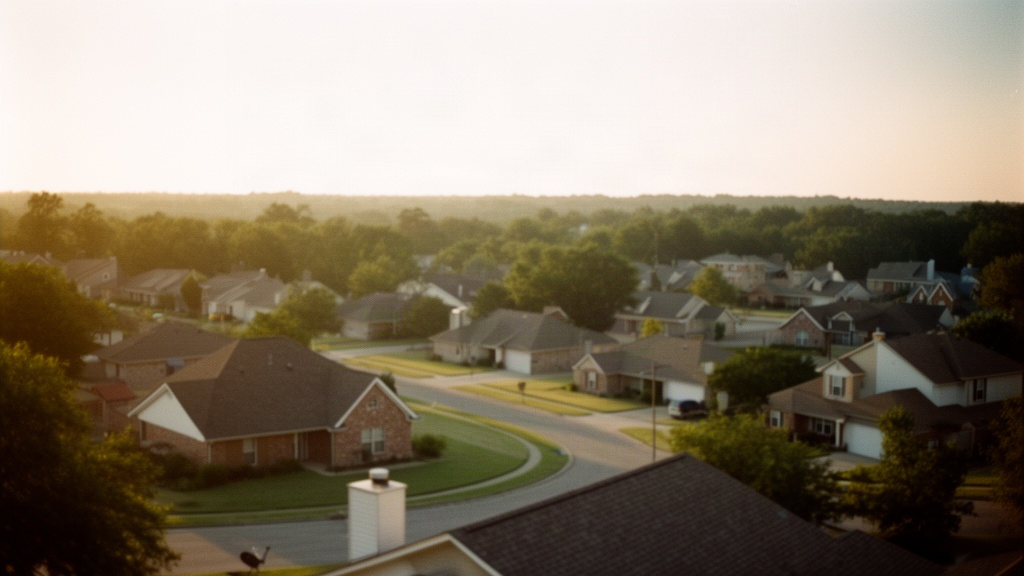
1. What Online Reviews Actually Tell You About the Layton Market
Client reviews are more than a reputation signal. When you read through verified feedback from buyers and sellers who have closed transactions in Layton, Utah, patterns emerge that tell you something concrete about how this market actually behaves: how quickly homes move, how competitive multiple-offer situations get, and how much local knowledge matters when pricing a home or writing an offer.
Why Client Feedback Is a Market Signal
Layton sits at the center of Davis County, roughly 25 miles north of Salt Lake City along I-15, and it draws a wide range of buyers: people transferring to Hill Air Force Base, commuters who work in Salt Lake or Ogden, and long-time Utah residents looking for more space than Salt Lake City's core neighborhoods offer. Reviews from past clients in this market repeatedly surface the same themes: the importance of acting fast when a well-priced listing appears, the value of knowing which streets back to the Legacy Parkway trail system, and the difference between a listing agent who understands the nuances of East Bench pricing versus one who applies a county-wide formula.
What Repeat Themes Reveal About Local Conditions
The most consistent theme in strong client reviews for Layton transactions is responsiveness during a compressed decision window. Homes in move-in-ready condition priced accurately for their pocket of the city still attract multiple showings within the first 48 to 72 hours. Buyers who worked with agents who knew the inventory ahead of time, who had already toured comparable properties and understood the price-per-square-foot range for a given street, were the ones who closed. Reviews that describe a smooth transaction almost always mention that the agent had been watching a specific area for weeks before the listing went live.
Seller-side reviews tell a parallel story. Past clients who felt their agent priced their home correctly from day one consistently report fewer price reductions, shorter days on market, and net proceeds closer to their original expectations. In Layton, where the gap between a well-priced home and an overpriced one can mean sitting on the market through an entire seasonal cycle, that initial pricing call carries real financial weight. For a deeper look at what sellers should expect through the full process, see Selling a Home in Layton, Utah: Pricing, Timeline and What to Expect.
2. Layton, Utah Real Estate Prices Right Now
Layton's median home price in September 2026 sits in the low-to-mid $500,000s for single-family detached homes, with meaningful variation depending on location, lot size, and whether the home has been updated. Townhomes and condominiums, which represent a growing share of Layton's housing stock especially near the Layton Hills Mall corridor and along Main Street, generally range from the high $200,000s to the low $400,000s depending on square footage and HOA structure.
Median Prices and Price Per Square Foot
Price per square foot for single-family homes in Layton currently runs roughly $210 to $260 depending on the pocket of the city, condition, and lot. Homes on the East Bench with mountain views and larger lots push toward the upper end of that range. Homes in the flatter, more densely built sections near the western freeway corridor tend to sit closer to the $210 to $225 range. Newer construction in the north end of the city, where development has continued along the foothills, can exceed $270 per square foot when finishes are upgraded.
How Layton Compares Within Davis County
Within Davis County, Layton occupies a middle tier by price. Bountiful and North Salt Lake, which sit closer to Salt Lake City, generally carry higher medians due to commute proximity. Kaysville and Fruit Heights, directly south of Layton, are comparable in price but offer a smaller overall inventory. Clearfield and Syracuse to the north tend to come in slightly lower than Layton's median, which makes Layton a point of comparison for buyers weighing size, price, and access to services.
Layton's position along I-15 with direct access to both the Ogden metro (roughly 15 miles north) and Salt Lake City (roughly 25 miles south) gives it a commuter advantage that supports its pricing relative to communities further from the freeway. The FrontRunner commuter rail station in Layton also adds a transit option that not every Davis County city can claim, and that access point factors into how certain buyers evaluate walkable or transit-oriented properties near the station.
Price Trends Since 2024
According to NAR's Q1 2024 Local Market Report for the Salt Lake City and Northern Utah region, the Northern Utah market showed signs of price stabilization after the rapid appreciation of 2021 and 2022. From that stabilization point in early 2024 through September 2026, Layton has seen measured appreciation in the low single-digit percentage range annually, which represents a return to a more historically normal pace rather than the double-digit swings of the pandemic era.
For buyers and sellers trying to understand where prices are headed, the takeaway is that Layton is not a market in freefall, nor is it in a speculative run-up. It is a market where accurate pricing and local knowledge produce better outcomes than broad regional assumptions. For those considering the investment side of Layton real estate, the Investment Property Guide for Layton, Utah covers the rental landscape and return expectations in more detail.
3. Layton Neighborhoods: Housing Stock and What to Expect
Layton covers approximately 23 square miles and contains a range of housing types built across several decades, from mid-century ramblers near the city's original core to new construction subdivisions along the northern and eastern edges. Understanding which part of Layton you are looking in matters a great deal for both price expectations and the physical character of the neighborhood.
South Layton and the Flats
The southern portion of Layton, roughly below Gentile Street, contains some of the city's older housing stock. Homes here were largely built between the 1950s and 1980s. Lots tend to be generous by Utah suburban standards, often 0.20 to 0.35 acres, with mature trees and established landscaping. Brick ramblers and split-levels are common architectural styles. Many of these homes have been updated over the decades, but buyers should budget for mechanical systems that may be approaching end of useful life. Prices in south Layton for a 3-bedroom single-family home typically run from the low $400,000s to the mid $500,000s depending on updates and lot configuration.
North Layton and the Bench
North Layton, particularly the areas east of Fairfield Road and above 2000 North, includes a mix of 1990s and early 2000s construction alongside newer infill and subdivision development. Homes here are generally larger than their south Layton counterparts, with two-story plans in the 2,000 to 3,200 square foot range being common. The Bench areas sit at a higher elevation and offer views toward the Great Salt Lake to the west and the Wasatch Range to the east. Proximity to Antelope Drive, which connects to I-15 at multiple points, makes north Layton a practical location for commuters heading in either direction. Prices for updated 4-bedroom homes in this area generally range from the mid $500,000s into the low $700,000s.
East Layton Foothills
East Layton climbs toward the Wasatch Front and includes some of the city's most topographically distinct properties. Lots here are often larger, sometimes exceeding half an acre, and homes frequently feature walkout basements that take advantage of the slope. Architectural styles range from custom builds to production homes from the 2000s and 2010s. Access to hiking and trail networks in the foothills is a practical feature of this location. Prices in east Layton tend to sit at the upper end of the city's range, with 4 and 5-bedroom homes commonly listed from the low $600,000s to well above $800,000 for larger custom properties.
West Layton Near the Freeway Corridor
West Layton, the area closest to I-15 and the commercial corridors along Layton Parkway and Main Street, contains a higher concentration of townhomes, condominiums, and smaller single-family homes. This part of the city has seen the most new attached-housing development over the past decade. The Layton Hills Mall area anchors retail and services for this corridor. Commute access is the strongest advantage here: on-ramp access to I-15 is within minutes from most west Layton addresses. Townhomes in this area typically run from the high $200,000s to the mid $380,000s. Smaller single-family homes on compact lots generally start in the low $400,000s.
4. Market Timing: When to Buy or Sell in Layton
Timing in Layton's market is not about finding a perfect moment. It is about understanding the seasonal rhythm, reading current inventory levels, and knowing how mortgage rate movement affects the pool of active buyers at any given time. All three of those factors are in play right now in September 2026.
Seasonal Patterns in Davis County
Layton follows the broader Wasatch Front seasonal pattern with some local nuance. Listing volume peaks in April through June, when sellers want to capture the spring buyer surge and families prefer to move before the school year ends. July and August see continued activity but with slightly reduced new inventory as sellers wait to see how spring listings resolved. September brings a secondary window: buyers who did not find what they needed in spring are still active, and sellers who list now face less competition from other listings than they would have in May. October through December see a meaningful slowdown in new listings, which can work in favor of buyers who remain active since negotiating leverage tends to shift slightly during winter months.
Inventory and Days on Market in September 2026
Currently, Layton's active inventory is running above the historically tight levels of 2021 and 2022 but still below what would be considered a fully balanced market. Well-priced homes in move-in condition are typically going under contract within 10 to 21 days. Homes that are overpriced relative to their pocket of the city, or that require significant work, are sitting longer, sometimes 45 to 60 days or more. That gap between accurately priced and overpriced properties is wider than it was two years ago, which is the most important market signal for sellers right now: the market will reward correct pricing and punish wishful pricing more decisively than it did during the frenzy years.
For buyers, the current inventory level means more choices than were available in 2022, but not so much supply that urgency has disappeared entirely. Desirable properties, particularly updated single-family homes in north Layton priced accurately in the $500,000 to $650,000 range, still move quickly. Being pre-approved and having a clear sense of your priorities before a home hits the market remains a practical necessity rather than optional preparation. The First-Time Buyer's Survival Guide to Layton, Utah covers the pre-approval process and offer strategy in depth.
Rate Environment and Buyer Demand
Mortgage rates have been a defining factor in Utah housing demand since 2022, and that remains true in September 2026. When rates tick down even modestly, demand in Layton responds quickly because there is a large pool of buyers who have been waiting on the sidelines watching their purchasing power fluctuate. Sellers who time their listing to coincide with a rate dip often see stronger initial showing traffic and faster offers. Buyers who act during a period of slightly elevated rates face less competition, which can offset the higher monthly payment through better negotiating position on price or seller concessions.
Utah's housing demand fundamentals remain intact: the state continues to attract employment in technology, defense, and logistics, and Davis County specifically benefits from Hill Air Force Base, which employs tens of thousands of military and civilian personnel within a short drive of Layton. That employment base provides a floor of consistent buyer demand that insulates Layton somewhat from the volatility seen in markets without a stable institutional employer nearby.
5. How to Use This Information to Make a Decision
Understanding the Layton market at a data level is the starting point. Translating that data into a decision that fits your specific situation, your timeline, your financial position, and the specific property you are considering, requires applying local knowledge to those numbers. That is where the gap between a generalist agent and a Layton-specific agent becomes financially meaningful.
For Buyers: What the Data Means Practically
If you are buying in Layton right now, the data points toward a few concrete actions. First, get pre-approved with a lender who can close quickly; in a market where desirable homes still move in under three weeks, a 45-day close timeline puts you at a disadvantage against buyers offering 30 days. Second, narrow your geographic focus before you start touring: decide whether you are prioritizing lot size and mature trees in south Layton, newer construction and views in north Layton, or freeway access and lower price points in west Layton, because trying to cover the entire city simultaneously leads to decision fatigue and missed opportunities. Third, understand the price-per-square-foot range for your target pocket so you can recognize a well-priced listing immediately rather than needing days to research it after seeing it.
For buyers who are also considering downsizing or rightsizing within Layton, the Downsizing in Layton, Utah: Options, Costs and Timing guide addresses the specific considerations around moving from a larger home to a townhome or smaller single-family property within the same market.
For Sellers: Positioning in the Current Market
Sellers in September 2026 are operating in a market that is more discerning than it was two or three years ago. Buyers have more choices, they are doing more research before scheduling showings, and they are less willing to overlook deferred maintenance or aggressive pricing than they were in 2021. That means presentation matters more than it did, and pricing accuracy matters more than it did. A home that is priced correctly for its specific street and condition, professionally photographed, and available for showings within the first weekend will still perform well. A home that is priced $30,000 above its supportable range will sit, accumulate days on market, and ultimately sell for less than it would have at the right price from the start.
The most important step a Layton seller can take right now is requesting a comparative market analysis that is specific to their street and property type, not a zip-code-level estimate from an automated tool. The difference between a 97301 zip code average and the actual comparable sales for a 2,400 square foot home on a corner lot in north Layton with a three-car garage can be $40,000 or more. That specificity is what separates a useful pricing conversation from a generic one.
FAQ
What are home prices in Layton, Utah right now?
In September 2026, the median price for a single-family home in Layton, Utah sits in the low-to-mid $500,000s, with meaningful variation by location and condition. Homes on the East Bench or in north Layton with views and larger lots tend to price at the higher end, while west Layton townhomes and smaller single-family homes can start in the high $200,000s to low $400,000s. Price per square foot for detached homes generally runs between $210 and $260 depending on the specific pocket of the city. Accurate pricing requires looking at comparable sales at the street level, not just city-wide averages.
Is September a good time to buy or sell a home in Layton, Utah?
September sits at the beginning of Layton's secondary selling season, after the spring peak and before the winter slowdown. For sellers, listing in September means less competition from other listings than in May or June, and buyers who did not find what they needed in spring are still actively searching. For buyers, September can offer slightly more negotiating room than the spring frenzy, though well-priced homes in desirable parts of the city still move quickly, often within two to three weeks. The key for both buyers and sellers is accurate pricing and preparation rather than waiting for a theoretically perfect moment.
How do I find a trustworthy real estate agent in Layton, Utah?
The most reliable indicators of a trustworthy agent in Layton are verified reviews from clients who have closed transactions in the specific area you are buying or selling in, a demonstrable track record of recent sales in Layton's distinct neighborhoods, and the ability to provide a detailed comparative market analysis at the street level rather than a generic estimate. Ask any agent you are considering how many Layton transactions they have closed in the past 12 months and in which parts of the city. An agent who can speak specifically to the price-per-square-foot differences between south Layton ramblers and east bench foothills homes has the local knowledge that produces better outcomes than a generalist working across multiple counties.