← Back to Blog
Market Trends
Spokane, Washington Vacant Land Real Estate Market Guide: Prices, Neighborhoods and Timing
By April Moore, Real Estate Broker
Mackay Team Exp Powered · DRE# 137976
September 30, 2026 · 13 min read
Buying or selling vacant land in Spokane, Washington is a different process than buying or selling a house, and most buyers walk in without knowing what lots actually cost, how zoning shapes what you can build, or when the market favors their side of the transaction. This Spokane vacant land real estate market guide covers current prices across the city and surrounding areas, what to expect from the permitting and utility connection process, and how to time a purchase or listing for the best outcome.
1. What Vacant Land Costs in Spokane Right Now
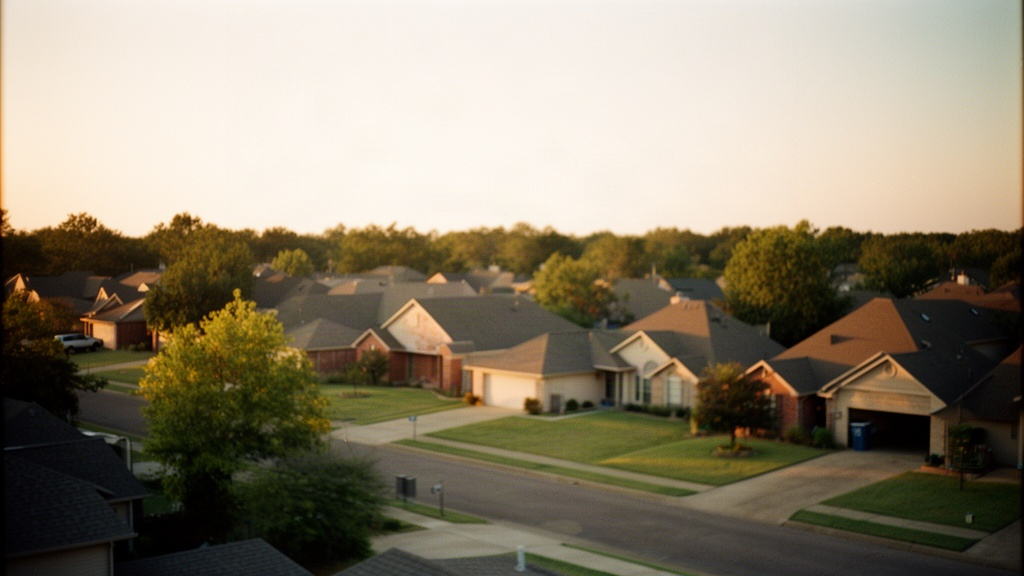
Vacant land prices in Spokane vary sharply depending on size, location, and whether utilities are already stubbed to the lot. A basic residential in-fill lot inside Spokane city limits typically lists between $45,000 and $120,000 as of September 2026, while larger parcels of five acres or more on the city's fringes range from roughly $80,000 to $300,000 or higher depending on road access and topography.
Residential Lot Prices
A standard single-family residential lot inside Spokane, typically 6,000 to 9,000 square feet, currently sits in the $50,000 to $90,000 range for a plain, flat parcel with city water and sewer nearby. Lots with views of the Spokane River corridor, or those positioned on the South Hill's basalt rim, push closer to $100,000 to $150,000 because of the terrain and the premium buyers place on those exposures. Corner lots and lots with alley access tend to attract builder interest and price accordingly.
Lots inside platted subdivisions where streets, curbs, and utility stubs are already in place command the highest prices per square foot because the buyer's cost to start construction is lower. An unplatted parcel of the same size that needs a survey, a plat application, and utility extensions will list for less upfront but carry significant soft costs before a shovel goes in the ground.
Acreage and Rural Land Prices
Parcels of two to ten acres within about fifteen miles of downtown Spokane, covering areas like Mead, Otis Orchards, and the Rockford Road corridor south of the city, currently list in the $100,000 to $250,000 range depending on road frontage, well and septic feasibility, and whether the land is flat or steeply pitched. Spokane County's rural residential zones allow one home per parcel in many of these areas, though density rules vary by zone designation.
Larger agricultural parcels of twenty acres or more, found further out in Lincoln and Spokane counties, can drop to $1,500 to $3,000 per acre for dryland wheat ground, though those purchases come with their own set of water rights, farm lease, and zoning considerations that go well beyond a standard residential land transaction.
How Spokane Compares to the Broader Washington Market
Spokane's land prices remain significantly lower than the Puget Sound region, where a comparable residential lot in a suburban city can easily exceed $300,000 to $500,000. That gap is one reason Spokane continues to attract builders and developers from western Washington. The National Association of Realtors has flagged Spokane as one of the top improving markets in the West for affordability and inventory, which applies to land as much as to finished homes. You can read more about that designation in NAR's Housing Hot Spots report.
2. Where Vacant Land Is Available Across Spokane
Vacant land in Spokane is not evenly distributed across the city. The areas where lots are actively available, and what those lots look like, differ significantly by quadrant. Knowing where to look and what you are getting into in each area saves time and avoids mismatched expectations.
In-Fill Lots Inside the City
In-fill lots are scattered through established Spokane neighborhoods where an older home was demolished or a parcel was never built on. These show up in the East Central neighborhood, parts of Hillyard, and pockets of the lower South Hill. They are typically narrow, ranging from 40 to 60 feet wide, and sit on city water and sewer. The appeal is walkability and proximity to amenities; the challenge is that older neighborhood lot lines sometimes create setback and coverage issues that limit what you can build without a variance.
North Spokane and Mead Area
North Spokane, stretching from the Newport Highway corridor up through Mead and into unincorporated Spokane County, holds some of the most active vacant land inventory in the metro area right now. Lots here tend to be larger than in-fill city parcels, often 10,000 square feet to a quarter acre, and new subdivisions are still being platted and recorded. Proximity to US-2 and Division Street makes the commute into downtown Spokane, roughly twelve to eighteen minutes depending on traffic, manageable for most buyers.
If you want to understand what new construction activity looks like in these northern corridors, the article on new housing developments and subdivisions being built in Spokane in 2026 covers the active subdivision projects and which areas are adding the most inventory.
South Hill and Rockford Road Corridor
The South Hill rises sharply south of downtown, and vacant lots here are scarce and expensive because most of the buildable terrain was developed decades ago. What remains tends to be steep, view-oriented parcels that require engineered foundations and sometimes retaining walls, which adds $30,000 to $80,000 or more to construction costs. The Rockford Road corridor further south, heading toward the communities of Valleyford and Rockford, opens up into rolling Palouse-adjacent terrain where larger parcels of two to ten acres are more commonly available and more affordably priced.
West Plains and Airway Heights
The West Plains, centered on Airway Heights and stretching toward Medical Lake, is one of the most affordable areas for vacant land in the Spokane metro. Flat terrain, relatively straightforward utility access, and lower land prices have drawn both residential builders and commercial developers. The area sits about twelve miles west of downtown Spokane via I-90, and Spokane International Airport is essentially next door. Residential lots here can be found in the $40,000 to $75,000 range, and the city of Airway Heights has been actively expanding its utility infrastructure to accommodate growth.
Spokane Valley and Liberty Lake Edges
Spokane Valley is largely built out, but in-fill lots and the occasional larger parcel still come to market, particularly along the northern and southern edges of the valley floor. Liberty Lake, at the eastern end of the valley, has very limited vacant land because the city has been careful about its growth boundaries near the lake itself. Parcels that do appear near Liberty Lake tend to carry premium prices, often $120,000 to $200,000 for a standard residential lot, because of the recreational access and the relatively tight supply.
3. Zoning, Utilities, and What You Can Actually Build
Zoning and utility access are the two factors that determine whether a vacant lot is actually usable for your intended purpose. A lot that looks affordable on paper can become expensive or even unbuildable once you dig into its zoning designation, setback requirements, and what it would cost to bring water, sewer, and power to the site.
Understanding Spokane's Zoning Designations
The City of Spokane uses a Unified Development Code that categorizes land into residential, commercial, industrial, and mixed-use zones, each with its own density, setback, height, and coverage rules. The most common residential designations for vacant lots are RSF (Residential Single Family) at various density levels, and RMF (Residential Multi-Family) for parcels where duplexes, triplexes, or small apartment buildings are permitted. Spokane County has its own separate zoning code for unincorporated land, with Rural Conservation, Rural Traditional, and Urban Growth Area designations that each carry different development standards.
Before making an offer on any parcel, pull the zoning designation from the City of Spokane's online GIS portal or the Spokane County Assessor's parcel viewer. Then call the planning department directly and ask what is allowed on that specific parcel, including any overlay districts, critical areas, or flood zone designations that might restrict development. This call takes fifteen minutes and can save you from buying land you cannot use.
Utility Connections and Their Costs
Utility connection costs in Spokane can range from a few thousand dollars for a lot where stubs are already at the property line, to $30,000 or more for a rural parcel that needs a well drilled, a septic system designed and installed, and a power line extended. Avista Utilities serves most of the Spokane metro for natural gas and electricity; Spokane City Utilities handles water and sewer inside city limits; and various water districts cover the unincorporated areas. Each has its own connection fee schedule, and those fees change periodically, so always request a current quote rather than relying on numbers from a previous sale.
Well drilling costs in the Spokane area currently run $8,000 to $20,000 depending on depth to water, which varies considerably across the region. A conventional septic system on suitable soil adds another $10,000 to $18,000. If a perc test reveals poor soil drainage, a more expensive engineered system can push that number to $25,000 or higher. These are costs that come before a foundation is poured, and they need to be factored into your total budget from the start.
Permits and the City's Development Review Process
Spokane's building permit process for new residential construction currently runs four to eight weeks for a straightforward single-family home on a standard lot, though more complex projects or those requiring environmental review can take several months. The City of Spokane has invested in its online permitting portal, which allows applicants to submit plans and track review status digitally. Spokane County's permit process operates on a similar timeline but through a separate office. If you are buying land with the intent to build, factor permit lead time into your construction schedule so you are not paying carrying costs on a lot while waiting for approvals.
4. Timing the Vacant Land Market in Spokane
Land in Spokane follows seasonal patterns, but not as dramatically as the residential home market. Buyers who understand when activity slows and when it picks up can negotiate from a stronger position, whether they are purchasing a lot to build on or selling a parcel they no longer need.
Seasonal Patterns for Land Sales
Spring, specifically March through June, is when the largest number of land listings hit the Spokane market and when buyer competition is highest. Builders who want to break ground before Spokane's hot, dry summers are in full swing start their lot searches in late winter. That urgency compresses timelines and sometimes pushes prices above list. Summer sees continued activity, particularly for larger rural parcels where buyers want to walk the land and assess drainage before fall rains arrive.
Fall and winter are when land inventory tends to sit longer and sellers become more negotiable. A lot listed in October that has not sold by December is often carrying a motivated seller who is tired of paying property taxes on land they are not using. Buyers who are patient and willing to do their due diligence in colder, wetter conditions can find better pricing in the October through February window.
Current Market Conditions in September 2026
As of September 2026, Spokane's vacant land market is in a transitional phase. Interest rates for land loans remain elevated compared to the historic lows of 2020 and 2021, which has slowed the pace of speculative purchases. However, builder demand for finished lots in platted subdivisions remains steady because the overall Spokane housing inventory for completed homes is still below balanced-market levels. This means well-positioned lots in established subdivisions are moving, while raw, unimproved parcels are sitting longer and seeing more price reductions.
HousingWire has noted that Washington state's broader housing market is seeing inventory shifts and price adjustments in 2026; you can read more about those statewide trends in their Washington housing market coverage. Spokane's land segment is not immune to those pressures, but the city's relative affordability compared to western Washington continues to attract buyers from outside the region.
When Sellers Have the Upper Hand
Sellers of finished, platted lots in high-demand corridors, particularly north Spokane subdivisions and West Plains developments near Airway Heights, still hold negotiating leverage right now because builder demand for move-in-ready lots has not softened as much as demand for raw land. If you are selling a parcel in one of these areas, September through October is a reasonable window to list before the market quiets for winter. If you are selling a rural acreage parcel, pricing it realistically from day one matters more than timing, because that buyer pool is smaller and more deliberate.
For a broader look at how timing affects Spokane real estate decisions across property types, the article on whether September is a good time to buy a home in Spokane covers the seasonal dynamics that apply to buyers across the market.
5. What to Watch Out For Before You Make an Offer
Land transactions have more ways to go sideways than home purchases, and most of the risk sits in the due diligence period. The issues that derail land deals are almost always discoverable before you close if you know what to look for and who to call.
Due Diligence Steps Specific to Land
A title search is non-negotiable for any land purchase. Easements, encumbrances, and deed restrictions that do not show up in a casual review of the listing can significantly limit what you can do with a parcel. In Spokane County, it is common to find utility easements running through the middle of a lot, or access easements that benefit a neighboring property, both of which affect where you can place a structure.
A boundary survey is worth ordering before closing if the parcel has not been surveyed recently, particularly for rural acreage where fence lines do not always match legal boundaries. FEMA flood zone mapping should be checked for any parcel near the Spokane River, Hangman Creek, or their tributaries; flood zone designation affects both insurability and what you can build. And if you are buying land with the intent to build, a geotechnical assessment of soil stability is worth the $1,500 to $3,000 cost, especially on the South Hill where basalt outcroppings and steep slopes create foundation challenges.
Financing Vacant Land
Financing vacant land is harder than financing a home. Most conventional lenders and all FHA and VA loan programs do not apply to raw land purchases. Buyers typically use one of three approaches: a land loan from a local community bank or credit union, a construction-to-permanent loan that covers both the land and the build, or seller financing when the seller is willing to carry a note.
Land loans from Spokane-area lenders currently carry interest rates in the 8.5% to 10.5% range as of September 2026, with down payment requirements of 20% to 35% depending on whether the parcel is a finished lot or raw acreage. Loan terms are typically shorter than a standard mortgage, often ten to fifteen years, which means higher monthly payments. If you plan to build within two years, a construction-to-permanent loan from a lender familiar with Spokane's building market is often the more efficient path.
Common Surprises That Derail Land Deals
The most common deal-killers in Spokane land transactions include: a parcel that cannot perc for a septic system, making it unbuildable without a community sewer extension; critical areas designations such as wetlands or steep slopes that trigger environmental review and restrict the buildable envelope; and back taxes or special assessments that the buyer did not discover until title came back. None of these are uncommon, and all of them are discoverable with proper due diligence before you commit to closing.
If you are also considering an investment angle on vacant land, the investment property guide for Spokane, Washington covers how land fits into a broader Spokane investment strategy alongside rental properties and commercial assets.
FAQ
How much does a vacant lot cost in Spokane, Washington right now?
As of September 2026, residential in-fill lots inside Spokane city limits typically list between $45,000 and $120,000, depending on size, location, and whether utilities are stubbed to the property line. Lots in platted subdivisions with streets and utilities already in place sit at the higher end of that range because they require less work before construction begins. Larger parcels of two to ten acres on the city's edges, in areas like Mead, Otis Orchards, and the Rockford Road corridor, generally list between $100,000 and $250,000. Rural acreage further out in Spokane County can be considerably less per acre but carries higher development costs for wells, septic, and road access. The West Plains area near Airway Heights offers some of the most affordable residential lots in the metro, with prices frequently in the $40,000 to $75,000 range.
What do I need to check before buying vacant land in Spokane?
The most important items to verify before closing on any Spokane land purchase are zoning designation and what it permits, utility availability and connection costs, flood zone status from FEMA mapping, title condition including easements and encumbrances, and whether the parcel has been surveyed recently. For rural parcels, a perc test to confirm septic feasibility is critical because a failed perc test can make a parcel effectively unbuildable without a community sewer connection. Spokane County and City of Spokane both have online GIS tools where you can pull zoning and parcel information, and a call to the relevant planning department before making an offer can clarify what is and is not allowed on a specific lot. Working with a real estate agent who has experience in land transactions, rather than one focused primarily on residential homes, will help you identify these issues early.
Is now a good time to buy vacant land in Spokane, or should I wait?
In September 2026, buyers of raw and unimproved parcels are in a relatively favorable negotiating position because that segment of the Spokane land market has seen longer days on market and more price reductions than finished, platted lots. If you are looking for a finished lot in a north Spokane or West Plains subdivision where builder demand remains steady, competition is still present and waiting is less likely to improve your position. For rural acreage or unimproved parcels, the fall and winter months historically bring more motivated sellers and less buyer competition, making October through February a window worth considering. The caveat is that land loan rates are elevated right now, so your carrying cost while you plan and permit a build is higher than it was a few years ago. Running the numbers on your full project cost, including land, financing, utilities, permits, and construction, is the right starting point before deciding whether to move now or wait.