
← Back to Blog
Selling
Is Fall 2026 a Good Time to Sell a Home on Staten Island or Should I Wait Until Spring?
By Ariana DiMattina
Robert DeFalco Realty
September 24, 2026 · 10 min read
If you have been asking yourself whether fall 2026 is a good time to sell a home on Staten Island or whether you should wait until spring 2027, you are not alone. Timing a sale is one of the biggest decisions a Staten Island homeowner faces, and the answer depends on factors specific to this borough, not just national headlines. This article breaks down what the current market looks like right now, what spring typically brings, and how to figure out which window actually works for your property and your situation.
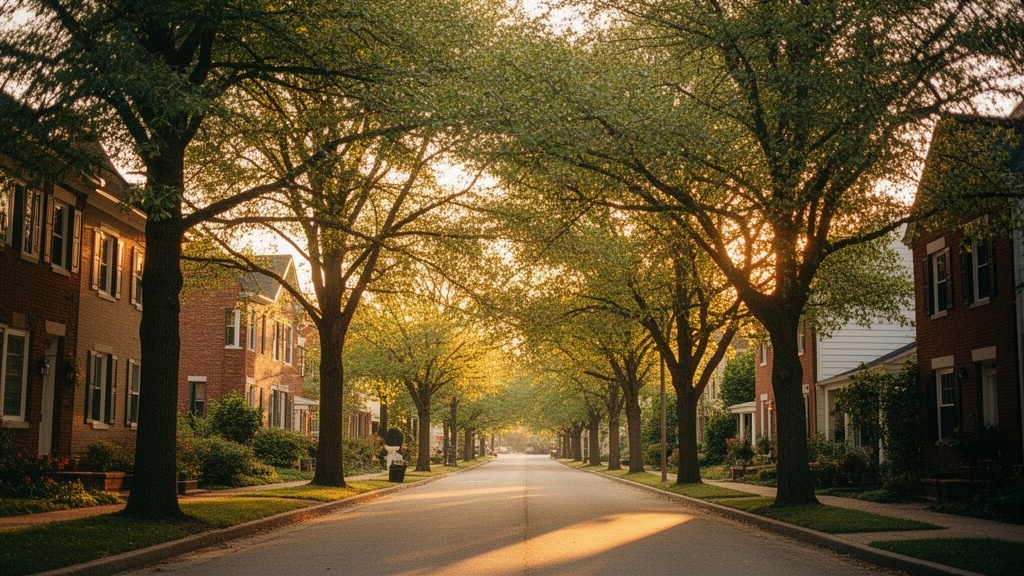
1. What the Staten Island Market Looks Like Right Now in Fall 2026
Fall 2026 is an active market on Staten Island, not a slow one. Inventory remains constrained across the borough. Buyers who did not close during the spring and summer are still searching, and mortgage rate movement throughout 2026 has kept a segment of qualified buyers on the sidelines waiting for the right home to appear. When a well-priced listing comes up in September or October, it does not sit long.
According to leading housing economists tracked by the National Association of Realtors, the 2026 housing market nationally has been shaped by persistent low supply and sustained buyer demand even as affordability remains stretched. Staten Island reflects that pattern closely, with single-family homes in neighborhoods like Tottenville, Great Kills, and Annadale continuing to draw multiple inquiries when priced correctly.
Inventory and Competition This September
Right now in September 2026, the number of active listings on Staten Island is below the five-year average for this time of year. That matters for sellers because it means fewer competing homes are pulling buyers away from yours. In spring, particularly April and May, the listing count typically climbs by 20 to 30 percent as sellers who spent the winter preparing their homes hit the market simultaneously. Your competition thins out in fall, which changes the negotiating dynamic in your favor.
The South Shore corridor from Huguenot through Tottenville has seen consistent demand throughout 2026, driven in part by buyers seeking larger lots and more square footage than they can find in other New York City boroughs. The North Shore, including the area around St. George with its ferry access to Lower Manhattan, continues to attract buyers who prioritize commute time. You can read more about North Shore market conditions in the St. George real estate market guide published here.
Price Trends Heading Into Autumn
Median sale prices on Staten Island have held firm through the third quarter of 2026. Single-family homes in mid-island neighborhoods like New Springville and Heartland Village have been trading in the $650,000 to $800,000 range for move-in-ready properties, while South Shore colonials and expanded ranches in Annadale and Eltingville have been closing between $700,000 and $950,000 depending on lot size and condition. Waterfront and near-waterfront properties have their own pricing tier; if that describes your home, the luxury waterfront market guide covers what buyers in that segment are looking for right now.
Prices do not typically crater in fall on Staten Island the way some sellers fear. The borough's housing stock is dominated by owner-occupied single-family homes, attached colonials, and two-family properties, most of which appeal to buyers with specific borough ties: people relocating from Brooklyn or Manhattan, Staten Island residents moving up or down in size, and buyers coming from New Jersey who want the city connection the Goethals or Bayonne bridges provide. That buyer pool does not disappear in October.
2. What Spring Sellers on Staten Island Typically Experience
Spring is the most active selling season on Staten Island, but active does not always mean more profitable for the seller. More buyers enter the market between March and June, but more sellers do too. The net effect on your outcome depends on how your specific property competes against everything else that lists at the same time.
The Spring Surge in Buyer Activity
March through May on Staten Island typically brings a noticeable uptick in open house traffic, online listing views, and offer activity. School-year timing drives some of this: families who want to move before the following September tend to start searching in earnest by February and need to close by June or July to settle in before the new school year. This creates a concentrated window of motivated buyers, which can work in your favor if your home photographs well and is priced competitively from day one.
Spring also benefits sellers whose homes show better with landscaping in bloom. A Colonial on a quarter-acre lot in Eltingville or a Cape Cod near Clove Lakes Park looks different in April than it does in November. If your curb appeal depends heavily on mature plantings, a well-maintained lawn, or outdoor living space, spring photography and spring showings may genuinely help your sale price.
What Increased Competition Means for Your Net Proceeds
More listings in spring means buyers have more options, which gives them more negotiating leverage. A buyer who toured four homes in your price range on a Saturday in April has context and alternatives. A buyer who toured your home in October as one of two available options in the neighborhood is in a different position. That difference in leverage is real and shows up in final sale prices and concession requests.
There is also the carrying cost question. If you list in fall 2026 and close by December, you avoid six or seven months of mortgage payments, property taxes, utilities, and maintenance costs that you would continue to pay while waiting for spring 2027. On a Staten Island home with a $3,800 monthly carrying cost, waiting until spring adds roughly $22,000 to $26,000 in holding expenses before you ever see a buyer's offer.
3. The Real Advantages of Selling in Fall 2026 on Staten Island
Fall 2026 offers Staten Island sellers a specific set of structural advantages that do not get enough attention. Understanding them helps you weigh the season honestly rather than defaulting to the assumption that spring is always better.
Serious Buyers Are Still Active
Buyers searching Staten Island in September and October are not casual browsers. They are pre-approved, motivated, and often frustrated after losing out on spring and summer listings. Buyers relocating to Staten Island from other boroughs or from out of state typically do not have the luxury of waiting for a specific season; they need to close on a timeline tied to a job start date or a lease expiration. If your home meets their criteria, you are dealing with someone who is ready to move.
If you are curious what buyers relocating to the Island are specifically looking for right now, the relocating to Staten Island guide outlines what drives their decisions, from commute access to housing type preferences.
Faster Closings and Smoother Transactions
Title companies, attorneys, and inspectors are less backlogged in fall than in the spring rush. In the April-to-June window, every professional in the transaction pipeline is handling a higher volume of deals simultaneously. Appraisals get delayed, attorney schedules fill up, and closing dates slip. Fall transactions on Staten Island tend to move more efficiently through the pipeline, which means fewer surprises and a more predictable closing date for both parties.
Your Home Can Stand Out More Easily
With fewer competing listings, a well-prepared fall listing gets a disproportionate share of buyer attention. Professional photography, a clean interior, and accurate pricing are the three factors that drive online clicks and showing requests. In a thinner fall market, a home that checks those boxes rises to the top of search results on Zillow and Realtor.com faster than it would in a spring market where a dozen comparable homes are all competing for the same buyer pool.
For a detailed look at how pricing and preparation affect your timeline and final number, the Staten Island home selling guide covering pricing and timelines walks through what to expect from list to close.
4. Situations Where Waiting Until Spring 2027 Makes Sense
Waiting until spring 2027 is the right call in specific circumstances, not as a default assumption. If your situation fits one of the scenarios below, the delay may genuinely improve your outcome.
When Your Home Needs Work First
If your home has deferred maintenance that will show up on an inspection or in buyer walk-throughs, rushing to list this fall will cost you more in price reductions and concessions than the delay would cost in carrying expenses. A kitchen that needs updating, a roof that is at the end of its useful life, or a basement with water intrusion issues will suppress offers regardless of the season. Taking the winter to address those items and listing in March or April 2027 in proper condition is a legitimate strategy when the needed work is substantial.
The threshold question is whether the cost of the repair is less than the price discount a buyer will demand if you sell as-is. On Staten Island, buyers frequently request credits of 1.5 to 2 times the estimated repair cost when they find a significant issue, because they are factoring in the inconvenience of managing the work after closing. If a roof replacement costs $18,000, a buyer may ask for a $28,000 credit. In that scenario, doing the work before listing and capturing full market value makes financial sense.
When Your Personal Timeline Requires It
Market timing should never override your personal circumstances. If you are planning to downsize and have not yet identified where you are going, listing this fall before you have a clear plan for your next home can create a stressful gap. Staten Island's rental market has tightened considerably, and short-term housing between a sale and a new purchase is harder to find and more expensive than it was two years ago. If you need the winter to line up your next move, that is a valid reason to wait.
Sellers who are downsizing within Staten Island have a specific set of considerations around timing and inventory that the downsizing on Staten Island guide covers in detail, including what the condo and smaller single-family inventory looks like right now.
5. How to Make the Right Call for Your Specific Property
The fall versus spring question does not have a universal answer on Staten Island because the borough's neighborhoods behave differently from each other. A two-family home in Port Richmond has a different buyer pool than a waterfront property in Great Kills or a new construction townhouse in Graniteville. The right timing depends on your property type, your specific neighborhood's current inventory, your home's condition, and your financial situation.
Neighborhood-Level Timing Varies Across the Island
South Shore neighborhoods like Tottenville, Charleston, and Richmond Valley tend to see strong fall activity from buyers who specifically want larger lots and more privacy. These buyers are often less tied to school-year timing and more focused on finding the right property, which means seasonal patterns matter less to them. Mid-island areas like New Springville and Heartland Village, where the housing stock includes many attached colonials and town homes, see more pronounced spring surges because the buyer pool there skews toward households with school-age children planning around the academic calendar.
The Tottenville market guide covers that specific neighborhood's pricing and timing patterns in depth if your home is located on the South Shore.
The Carrying Cost Calculation You Should Run Before Deciding
Before deciding to wait, calculate what holding the property through winter actually costs you. Add your monthly mortgage payment, property taxes divided by twelve, homeowner's insurance, utilities, and any ongoing maintenance costs. Multiply by the number of months between now and when you would actually close in a spring 2027 scenario, accounting for a typical 45 to 60 day closing period after an accepted offer. For most Staten Island sellers, that number lands between $20,000 and $35,000.
Then ask whether you genuinely believe spring 2027 will produce a sale price that exceeds your fall 2026 price by more than that carrying cost figure. If the answer is no, or even uncertain, the math favors listing this fall. National research on timing and agent strategy, including guidance from the National Association of Realtors on how agents help sellers pinpoint the best time to sell, consistently shows that local market conditions and property-specific factors outweigh seasonal generalizations in determining actual outcomes.
The bottom line is that fall 2026 is a genuinely viable window to sell a home on Staten Island, and for many sellers it will produce a better net result than waiting. The key is making that decision based on your property's specific characteristics and your neighborhood's current inventory, not on a general assumption that spring is always the right answer.
FAQ
Do home prices on Staten Island drop in fall compared to spring?
Not significantly, and not as a rule. Staten Island's housing market is driven by persistent low inventory and a borough-specific buyer pool that remains active year-round. Prices in fall 2026 have held close to summer levels across most neighborhoods. The bigger price risk for sellers is overpricing at any time of year, which leads to price reductions that signal weakness to buyers. A correctly priced fall listing on Staten Island typically closes within a few percentage points of its list price, which is comparable to spring performance when you account for the higher competition sellers face in that season.
How long does it typically take to sell a home on Staten Island in the fall?
Well-priced, move-in-ready homes in active Staten Island neighborhoods have been going under contract within two to four weeks during the fall market in recent years. The full closing timeline from accepted offer to keys typically runs 45 to 60 days on Staten Island, accounting for the mortgage commitment period, attorney review, inspection, and title work. Homes that need price adjustments or have condition issues can sit for 60 to 90 days before going into contract. If you list in October and price correctly, a December or early January closing is a realistic target.
Is it harder to find a buyer on Staten Island in November and December?
The buyer pool does thin somewhat in November and December compared to September and October, but the buyers who remain are typically more serious and less likely to make lowball offers or walk away over minor issues. Holiday-season buyers on Staten Island are often relocating for employment, closing out a lease, or working against a financial deadline. That motivation tends to produce cleaner transactions with fewer contingency problems. If your listing is still active in November, pricing and presentation are almost always the issue rather than the season itself.