
← Back to Blog
Neighborhoods
The Riverside Neighborhood of Wichita: Real Estate Market Guide — Prices, Neighborhoods and Timing
By Ashley LeMaster, REALTOR
Keller Williams Hometown Partners
September 20, 2026 · 10 min read
If you are researching the Riverside neighborhood of Wichita, this real estate market guide covers prices, sub-neighborhoods, housing stock, and timing so you can make a confident decision. Riverside sits along the Arkansas River on Wichita's west side, and it draws consistent buyer interest because of its tree-lined streets, walkable riverfront, and a mix of architecture that ranges from early 1900s craftsman bungalows to mid-century ranches and newer infill construction.
1. What Makes Riverside a Distinct Real Estate Market Within Wichita
Riverside is a self-contained pocket of Wichita real estate. The neighborhood is bounded roughly by the Arkansas River to the east, Murdock Avenue to the north, Maple Street to the south, and Seneca Street to the west. That physical boundary gives it a defined identity that most Wichita neighborhoods lack, and it keeps the housing market relatively insulated from the broader city's suburban sprawl.
Location and Physical Character
The neighborhood sits about two miles west of downtown Wichita. Driving to the Wichita downtown core takes roughly seven to ten minutes without traffic, and the Old Town entertainment district is accessible in about the same window. Riverside Park, one of Wichita's oldest public parks, anchors the neighborhood's eastern edge with picnic shelters, a small lagoon, and direct access to the Arkansas River trail system that connects north toward Keeper of the Plains and south toward Pawnee Prairie Park.
Wichita's broader market has attracted national attention for price growth in smaller metros. A SmartAsset analysis highlighted by HousingWire identified Wichita among smaller metros experiencing sharp home price increases, a trend that has touched established neighborhoods like Riverside more noticeably than newer suburban subdivisions where supply is easier to add.
Housing Stock and Architecture
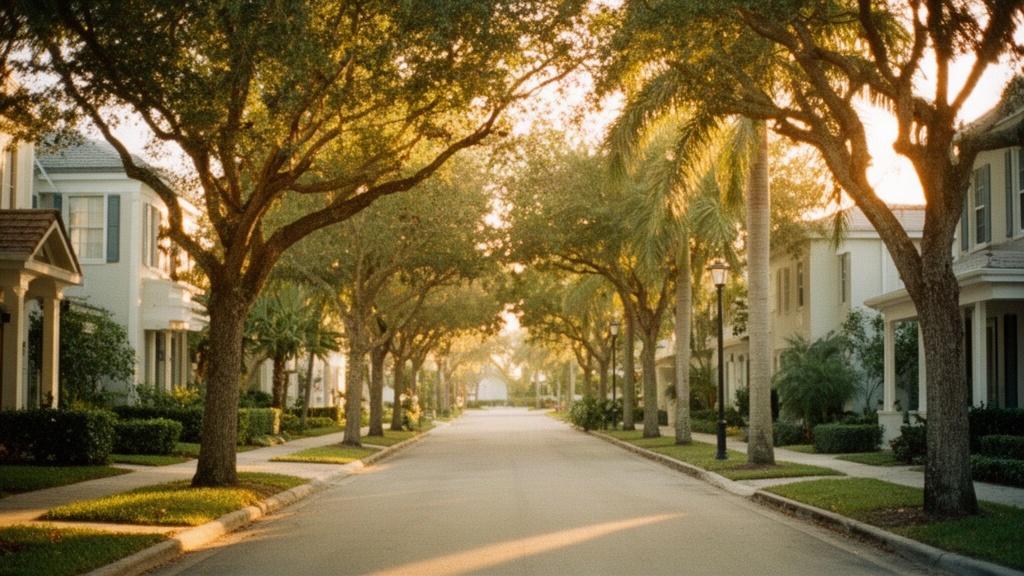
The housing stock in Riverside spans roughly 100 years of construction. The oldest homes date to the 1910s and 1920s and include craftsman bungalows, foursquares, and Tudor revival cottages. Moving through the neighborhood you will also find 1940s and 1950s brick ranches, some 1970s split-levels, and a growing number of infill builds and full gut-renovations that have appeared over the past decade. Lot sizes are generally modest, running from about 5,000 to 9,000 square feet, with mature tree canopy that makes the streets feel dense and shaded in a way that newer Wichita subdivisions simply do not replicate.
Garages in Riverside are often detached and accessed from an alley, which is a common feature of pre-war Wichita construction. Buyers accustomed to newer construction should factor this in when evaluating storage and convenience. Basements are standard in most homes built before 1960, typically unfinished or partially finished, and they add usable square footage that does not always appear in the listed above-grade figures.
2. Riverside Wichita Real Estate Prices in September 2026
Riverside consistently prices above the Wichita city-wide median. In September 2026, homes in the Riverside neighborhood are trading in a range from the mid $200,000s for smaller bungalows needing updates to the upper $500,000s and occasionally above $600,000 for fully renovated or custom infill properties on larger lots. The most active price band, where the majority of transactions close, sits between $280,000 and $420,000.
Median Sale Price and Price Per Square Foot
Price per square foot in Riverside currently runs approximately $155 to $210 for updated homes, depending on the specific block, lot depth, and condition. Unrenovated originals with deferred maintenance can drop below $140 per square foot, which represents the entry point for buyers willing to take on a project. Fully renovated properties with modern kitchens, updated mechanical systems, and finished basements push toward the upper end of that range. Because Riverside lots are fixed in size and no new land is being created inside the neighborhood's boundaries, price per square foot has trended upward steadily over the past several years.
How Riverside Compares to the Broader Wichita Market
The city-wide Wichita median sale price sits around $215,000 to $225,000 in September 2026, according to recent market data. Riverside's active price band of $280,000 to $420,000 places it meaningfully above that figure. The gap reflects both the neighborhood's proximity to downtown and the Arkansas River amenities, and the simple fact that you cannot build new homes inside Riverside at the same cost you can in a greenfield subdivision like those being developed in northwest or southeast Wichita. For a broader look at what is driving Wichita prices across the metro, the Norada Real Estate Wichita market overview provides useful context on inventory levels and appreciation trends across the city.
Days on market in Riverside tend to run slightly shorter than the Wichita average for well-priced listings. Homes priced accurately and in good condition routinely go under contract within one to three weeks. Overpriced listings or those with significant deferred maintenance can sit for 60 days or more, which is worth noting if you are a seller trying to calibrate your asking price. For a detailed look at how long homes are staying on the market across Wichita right now, see the breakdown in this article on how long homes are staying on the market in Wichita this month.
3. Sub-Neighborhoods and Streets Worth Knowing Inside Riverside
Riverside is not a single uniform market. It contains distinct pockets that behave differently in terms of price, buyer demand, and the type of homes available. Knowing which sub-area you are looking at changes the analysis significantly.
Near North Riverside and the River District
The northern section of Riverside, closest to the river and Riverside Park, carries the highest price points in the neighborhood. Homes on or near Nims Street and the blocks immediately adjacent to the park routinely list above $350,000 and can exceed $500,000 for fully renovated properties. The architecture here leans heavily toward the 1910s to 1930s period, with craftsman details, covered front porches, and original hardwood floors that buyers in the renovation market specifically seek out. The River District along the Arkansas River trail also brings foot traffic and a walkable character that is uncommon elsewhere in Wichita.
Inventory in this sub-area is thin at any given time. It is not unusual for fewer than five homes to be actively listed in the immediate park-adjacent blocks during a given month. That scarcity means buyers need to be prepared to move quickly and, in many cases, to compete. Having financing fully in order before you start touring is not optional here; it is a practical requirement.
South Riverside and Sim Park Corridor
South Riverside, running toward Maple Street and along the Sim Park corridor near 21st Street South, offers more accessible price points. Buyers can find 1940s and 1950s brick ranches in the $230,000 to $310,000 range, often with original hardwood floors under carpet and functional but dated kitchens. These homes tend to have larger lots than their northern counterparts and more off-street parking. Sim Park itself adds green space and disc golf, which draws a different type of outdoor recreation user than the riverfront park to the north.
The south end of Riverside also sees more investor activity than the north end. Renovation flips and long-term rentals are more common here, which means buyers need to evaluate whether a recently updated home was renovated to a high standard or simply cosmetically refreshed for resale. A thorough inspection is especially important in this sub-area. If you are thinking about a Riverside property as an investment rather than a primary residence, the broader investment property landscape in Wichita is covered in depth in the Wichita investment property guide.
4. What Buyers Actually Find on the Market Right Now
In September 2026, Riverside inventory is limited but not absent. A typical month sees between 12 and 20 active listings across the full neighborhood, which is low relative to buyer demand. That supply constraint is the single most important factor shaping the Riverside real estate market guide right now: prices, neighborhoods, and timing all flow from the fact that this neighborhood cannot easily expand its housing supply.
Typical Listing Profiles
Most Riverside listings fall into one of three categories. The first is the turnkey renovation: a 1920s or 1930s bungalow that has been fully updated with a modern kitchen, new HVAC, updated electrical and plumbing, and refinished original floors. These list in the $360,000 to $500,000 range and often attract multiple offers. The second category is the original-condition home: everything works, but nothing has been touched since the 1970s or 1980s. These list in the $240,000 to $320,000 range and appeal to buyers who want to customize or investors looking for value-add opportunities. The third category is new infill construction, which appears occasionally on vacant or scraped lots and can list anywhere from $450,000 to over $600,000 depending on size and finish level.
Condition, Updates, and What to Expect at Inspection
Older Riverside homes carry age-related inspection findings that buyers should anticipate. Knob-and-tube wiring is present in some pre-1940 homes, even when a partial electrical update has been done. Cast iron drain lines, original galvanized supply pipes, and aging furnaces are common in homes that have not been fully renovated. None of these items are necessarily deal-killers, but they inform the negotiation and the realistic cost of ownership. Budgeting $15,000 to $40,000 for deferred maintenance items on an original-condition Riverside home is a reasonable starting assumption before a specific inspection is completed.
Basement moisture is another item worth investigating carefully. Many Riverside basements have older stone or poured concrete foundations that can show efflorescence or minor seepage after heavy rain. A qualified inspector and, when warranted, a foundation specialist should evaluate any basement before you waive contingencies. This is especially relevant for homes within a few blocks of the river, where the water table and drainage patterns differ from the rest of the neighborhood.
5. Timing the Riverside Market: When to Buy and When to Sell
Timing in Riverside follows Wichita's broader seasonal patterns but with some neighborhood-specific nuances. Because inventory is always limited, the concept of waiting for a better time to buy carries more risk here than in a neighborhood with abundant supply. A home that fits your criteria may not reappear for six to twelve months if you pass on it.
Seasonal Patterns in Riverside
Spring, from March through May, is when Riverside sees its highest listing volume and its most competitive buyer activity. Multiple-offer situations are most common during this window, and sellers who price correctly in April or May typically achieve the strongest results. Summer brings continued activity but slightly less urgency. Fall, from September through November, is a window where motivated sellers are still active and buyer competition has thinned somewhat from the spring peak. Right now, in September 2026, buyers in Riverside are operating in a market with less competition than spring but with sellers who are still realistic about pricing.
Winter listings in Riverside are sparse but can represent genuine opportunities. Sellers who list in December or January typically need to move, which can create room for negotiation on price or terms that would not exist in a spring multiple-offer scenario. The tradeoff is that selection is at its thinnest. For buyers with flexibility on timing, monitoring Riverside through the winter and being ready to act quickly in early spring gives you the widest selection with manageable competition.
How to Read Current Inventory Signals
The most useful signal in any constrained neighborhood is how long listings are sitting before going under contract. When well-priced Riverside homes are going under contract in under two weeks, that is a clear seller's market signal and buyers should not hesitate on a home they want. When you start seeing price reductions on listings that have been active for 30 or more days, that is a signal that the market is softening and buyers have more negotiating room. Tracking those patterns week to week, rather than relying on quarterly reports, gives you the most actionable picture.
For sellers, the calculus in Riverside is straightforward: price to the current market, not to what you wish the market was. Overpriced homes in Riverside do not eventually sell at the ask; they sit, accumulate days on market, and ultimately sell below what they would have achieved with correct initial pricing. Working with an agent who runs a detailed comparative market analysis using actual Riverside sales, not broad Wichita averages, is the most important step a seller can take. If you are also thinking about your next move after selling, the guide on downsizing in Wichita covers the options, costs, and timing considerations for that transition.
If you are relocating to Wichita and evaluating Riverside alongside other neighborhoods, it helps to understand how the whole city fits together. The guide on relocating to Wichita walks through the broader neighborhood landscape, cost of living, and what to expect from the relocation process.
FAQ
What is the typical price range for homes in the Riverside neighborhood of Wichita in 2026?
In September 2026, Riverside homes are actively trading from the mid $200,000s for smaller original-condition bungalows up to the upper $500,000s and above for fully renovated or custom infill properties. The most active price band, where most transactions close, sits between $280,000 and $420,000. Price per square foot runs approximately $155 to $210 for updated homes, with unrenovated properties dropping below $140. These figures sit noticeably above the Wichita city-wide median of roughly $215,000 to $225,000, reflecting Riverside's proximity to downtown and the Arkansas River amenities. Prices within the neighborhood vary by sub-area, with the blocks nearest Riverside Park commanding the highest figures.
How competitive is the Riverside Wichita real estate market for buyers right now?
In September 2026, the Riverside market is competitive but not at the peak intensity of a spring buying season. Well-priced, move-in-ready homes still go under contract within one to three weeks, and multiple-offer situations occur on the most desirable listings. Inventory across the full neighborhood typically runs between 12 and 20 active listings at any given time, which is low relative to buyer demand. Buyers who have financing fully arranged and are working with an agent who tracks Riverside listings daily are in the strongest position to act when the right home appears. Waiting for a significant price correction in this neighborhood carries real risk, because supply cannot easily expand inside Riverside's fixed boundaries.
What should buyers know about the condition of older homes in Riverside before making an offer?
Most Riverside homes were built between 1910 and 1960, so age-related inspection findings are normal and expected. Common items include older electrical systems such as knob-and-tube wiring in pre-1940 homes, cast iron or galvanized plumbing, aging furnaces, and basement moisture issues related to older stone or poured concrete foundations. None of these findings automatically make a home a bad purchase, but they should inform the negotiation and your realistic cost-of-ownership estimate. Budgeting $15,000 to $40,000 for deferred maintenance on an original-condition home before a specific inspection is completed is a reasonable starting point. A thorough inspection from a qualified Wichita inspector, and a foundation specialist when warranted, is essential before waiving contingencies on any older Riverside property.