
← Back to Blog
Neighborhoods
Relocating to Pelham, New Hampshire: Neighborhoods, Costs and Timelines
By Ashley OConnor
William Raveis
September 24, 2026 · 12 min read
Relocating to Pelham, New Hampshire puts you in a southern New Hampshire town of roughly 14,000 people, sitting just across the Massachusetts state line with no state income tax and no state sales tax. This guide covers the full picture: what the different parts of town look like, what homes actually cost right now, what property taxes add to your monthly payment, and how long the whole process realistically takes from first search to move-in day.
1. What Pelham, New Hampshire Actually Looks Like as a Town
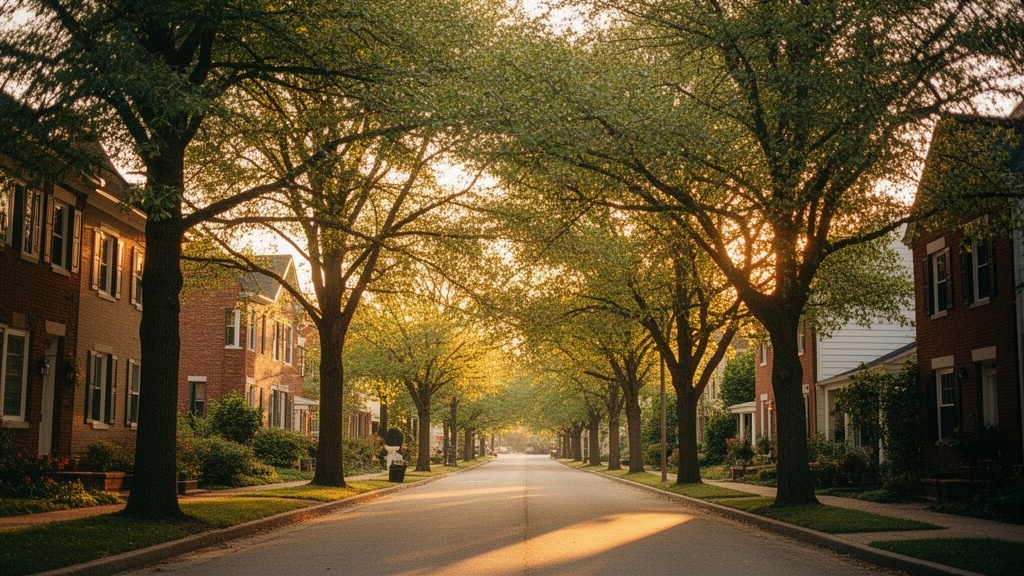
Pelham is a predominantly residential town. There is no downtown in the traditional sense, no Main Street lined with shops, and no commuter rail stop. What you get instead is a quiet, wooded town of single-family homes on generous lots, several lakes and ponds, and a location that sits just inside New Hampshire along the Massachusetts border. The town covers about 26 square miles and is organized around a handful of named areas rather than formal, mapped neighborhoods.
The Physical Layout of Pelham
Route 38 runs roughly north to south through the center of town and carries most of the commercial activity: a grocery store, gas stations, a handful of restaurants, and some service businesses. Beyond that corridor, Pelham is almost entirely residential. Roads wind through wooded terrain, lots are typically half an acre or larger, and the overall feel is rural without being remote. Beaver Lake, near the center of town, is the most recognizable landmark and anchors one of the more sought-after pockets of real estate.
What You Will Not Find Here (and Why That Matters)
Pelham has no highway running through it. Route 93 is accessible from the neighboring towns of Londonderry and Salem, each roughly 10 to 15 minutes away by car. Route 3 in Nashua is also reachable in about 15 minutes from northern Pelham. This means virtually every trip in or out of town happens on two-lane local roads, which shapes both the character of the town and the daily commute experience. Relocators who are used to highway-adjacent suburban living should factor this in before choosing a specific part of town.
2. The Different Areas of Pelham and What Each One Offers
Pelham does not have formally named, mapped neighborhoods the way a larger city would. Instead, buyers and local agents tend to refer to areas by their geography, their proximity to water, or their position relative to the town's borders. Each area has a distinct character in terms of lot sizes, housing stock, and price range.
Beaver Lake and the Waterfront Pockets
Beaver Lake is the centerpiece of Pelham's waterfront real estate. The lake covers about 300 acres and has both private waterfront homes and properties with deeded beach access. Homes directly on the water tend to be a mix of older seasonal cottages that have been converted to year-round use and newer construction built specifically as primary residences. Waterfront and water-access properties command a significant premium: direct lakefront homes have listed and sold in the $700,000 to over $1 million range in recent years, while water-access homes without direct frontage typically fall in the $450,000 to $650,000 range depending on lot size and condition.
Beyond Beaver Lake, Pelham also has Long Pond and several smaller water bodies that generate their own pockets of waterfront and water-access inventory. For a deeper look at this specific market, the Beaver Lake area real estate guide on this site covers pricing and availability in detail.
Pelham Village and Route 38 Corridor
The area around Pelham Village and Route 38 is the closest thing the town has to a center. Town Hall, the library, and the main commercial strip are all in this zone. Housing here tends to be on smaller lots than in the more rural parts of town, with colonial and cape-style homes from the 1980s and 1990s making up a large share of inventory. Prices in this corridor typically run from the mid $400,000s into the low $600,000s for a four-bedroom colonial in good condition. The trade-off for the smaller lots is walkability to town services and slightly shorter drives to Route 38 amenities.
Northern Pelham and the Windham Line
Northern Pelham borders Windham, one of the more expensive towns in Rockingham County. Homes in the northern part of Pelham tend to sit on larger lots, often one acre or more, and the housing stock skews toward newer construction from the 1990s through the 2010s. You will find more four and five-bedroom colonials here, along with some newer subdivisions. Prices in this area generally range from the high $400,000s to the mid $700,000s, with larger and newer homes pushing toward the top of that range. The drive to Route 93 in Londonderry from northern Pelham is typically 10 to 12 minutes.
Southern Pelham Near the Massachusetts Border
The southern end of Pelham abuts Dracut and Tyngsborough, Massachusetts. This part of town appeals to buyers relocating from Massachusetts who want to maintain proximity to their existing networks, employers, or family while crossing into New Hampshire. Housing here is a mix of older ranches and split-levels from the 1960s and 1970s alongside more recent colonials. Lot sizes vary considerably. Entry-level prices in southern Pelham can start in the high $300,000s for a smaller ranch in need of updating, though move-in-ready homes more commonly start in the mid $400,000s.
3. What It Costs to Buy a Home in Pelham Right Now
The cost of relocating to Pelham, New Hampshire involves more than the purchase price. Property taxes, closing costs, and the ongoing cost of a car-dependent lifestyle all factor into your true monthly number. Here is where things stand as of September 2026.
Median Prices and Price Ranges in September 2026
Pelham's median single-family sale price has been tracking in the $530,000 to $560,000 range through the summer and into September 2026, consistent with the broader southern New Hampshire market that has remained firm despite higher mortgage rates. Redfin's 03076 housing market data shows the trajectory of local prices over time and is worth reviewing alongside your agent's current MLS data. For current home price trends specific to September 2026, the Pelham home prices guide on this site breaks down what is happening right now in more detail.
To give you a working framework for budgeting, here is how the price spectrum breaks down by housing type in Pelham as of this month.
- Entry-level (ranch or split-level, older, may need updating): high $300,000s to low $400,000s
- Mid-range (3 to 4 bedroom colonial or cape, 1980s to 2000s, move-in ready): $450,000 to $580,000
- Upper mid-range (newer construction, larger lot, 4 to 5 bedrooms): $580,000 to $750,000
- Waterfront and premium properties (Beaver Lake frontage, newer builds): $700,000 to over $1 million
Property Taxes and What They Add to Your Payment
New Hampshire funds public services primarily through property taxes, and Pelham's rate is something every relocator needs to understand before finalizing a budget. The town's 2026 property tax rate sits at approximately $19.50 per $1,000 of assessed value, though the exact figure can shift with the annual town budget. On a home assessed at $500,000, that works out to roughly $9,750 per year, or about $813 per month added to your principal and interest payment. On a $600,000 assessed value, the annual tax bill runs approximately $11,700, or $975 per month. The full breakdown of how the rate is calculated and what it means for your monthly payment is covered in the Pelham property tax rate guide for 2026.
The offset is that New Hampshire has no state income tax and no state sales tax. For a household relocating from Massachusetts, where the state income tax rate is 5%, the net financial picture often looks considerably different once you account for the full tax picture rather than just the property tax line.
Other Costs to Budget Before You Move
Beyond the purchase price and property taxes, relocators to Pelham should plan for a few additional cost categories.
- Closing costs: Typically 2% to 3% of the purchase price in New Hampshire. On a $530,000 home, budget $10,600 to $15,900 for lender fees, title insurance, attorney fees, and recording costs.
- Home inspection: Standard inspections in Pelham run $450 to $650 for a typical single-family home, with radon testing (common in this region) adding another $150 to $200.
- Well and septic: Most Pelham homes are on private wells and septic systems rather than town water and sewer. Budget for a well water test ($100 to $250) and a septic inspection ($300 to $500) as part of your due diligence.
- Heating fuel: Many Pelham homes heat with oil or propane. Annual heating costs for a 2,000 to 2,500 square foot home typically run $2,500 to $4,000 depending on fuel prices and insulation quality.
- Moving costs: A local or regional move from Massachusetts into Pelham typically runs $2,000 to $5,000 for a full-service mover, depending on volume and distance.
4. Commute and Location: Why Pelham's Position Matters for Relocators
One of the primary reasons people consider relocating to Pelham, New Hampshire is its position relative to the Boston metro area and the employment centers of southern New Hampshire. Understanding what that commute actually looks like on a daily basis is essential before choosing a home.
Distance to Boston and Manchester
Pelham sits approximately 35 miles north of downtown Boston and about 18 miles south of Manchester, New Hampshire's largest city. The drive to Boston on a typical weekday morning runs 50 to 75 minutes depending on traffic and which part of the city you are heading to. Manchester is a 25 to 30 minute drive from most parts of Pelham. Nashua, the closest large city, is roughly 10 to 15 minutes from the northern end of town. The full breakdown of commute options and realistic drive times is covered in the Pelham to Boston commute guide on this site.
Getting Around Without a Highway
Because no highway passes through Pelham itself, your on-ramp options matter depending on where in town you live. From northern Pelham, Route 93 in Londonderry (Exit 4 or 5) is the most direct highway access for Boston-bound commuters. From southern Pelham, Route 3 in Tyngsborough, Massachusetts is accessible in about 10 minutes and connects to Route 128 and Interstate 495. From the center of town, the most common route to Boston runs south on Route 38 into Dracut and then east to Route 3 or Route 93. Relocators should test their specific commute from properties they are seriously considering before going under contract.
There is no public transit or commuter rail service in Pelham. Every commute is by car. Carpooling groups and park-and-ride lots in Londonderry and Nashua are options some residents use, but you should plan your life around owning at least one reliable vehicle per working adult in the household.
5. Realistic Timelines for Relocating to Pelham, New Hampshire
The timeline from deciding to relocate to Pelham, New Hampshire to actually moving in depends on several factors: how quickly you find the right home, how competitive the market is when you are searching, and how smoothly the purchase process goes. Here is a realistic breakdown of each phase.
How Long the Home Search Takes
In September 2026, Pelham's inventory remains relatively limited. At any given time, there are typically 20 to 40 active single-family listings across the town. That is not a large pool, and well-priced homes in the $450,000 to $600,000 range often receive multiple offers within the first week or two on market. Buyers who are pre-approved, clear on their priorities, and ready to move quickly tend to find a home within 4 to 10 weeks of active searching. Buyers with a more specific wish list, such as waterfront access or a particular part of town, may wait 3 to 6 months for the right property to come available.
Getting pre-approved before you start touring homes is not optional in this market. Sellers in Pelham routinely receive offers within days of listing, and showing up without a pre-approval letter puts you at a serious disadvantage. Your lender pre-approval typically takes 2 to 5 business days once you submit your documentation.
The Purchase Process Once You Are Under Contract
Once your offer is accepted, the purchase timeline in New Hampshire typically runs 30 to 45 days to closing. The first week or two involves scheduling and completing your home inspection, well test, and septic inspection. If inspection findings prompt negotiation, add a few more days. Your lender then orders an appraisal, which currently takes 7 to 14 days to complete in the southern New Hampshire market. Final loan approval, title search, and attorney review fill the remaining time before your closing date. Cash buyers can often close in 2 to 3 weeks if the seller agrees.
For a detailed look at each step in the purchase process and what can slow things down, the how long it takes to buy a house in Pelham NH guide walks through the full sequence.
Planning Your Move-In Date
Putting together a realistic total timeline, from the day you start searching to the day you get keys, looks like this.
- Lender pre-approval: 2 to 5 business days (do this before you start touring)
- Active home search: 4 to 12 weeks depending on your criteria and current inventory
- Offer to accepted contract: 1 to 7 days in a competitive market
- Inspections and due diligence: 7 to 14 days
- Appraisal and final loan approval: 14 to 21 days
- Closing and key handover: typically 30 to 45 days after accepted offer
- Total from search start to move-in: most relocators should plan for 3 to 5 months, with 4 months being a reasonable middle estimate
If you are relocating from out of state and need to coordinate a lease end date, a job start date, or a school enrollment deadline, building in a buffer of at least 30 days beyond your target closing date is prudent. Delays happen: appraisals come in low, inspection negotiations take longer than expected, or lender timelines stretch. Having flexibility on your end reduces stress considerably.
If you are also selling a home before relocating to Pelham, the timing coordination adds another layer. The guide to selling a home in Pelham covers what to expect on the sell side if you are making a move within the town or the region.
FAQ
Is Pelham, New Hampshire a good place to relocate from Massachusetts?
Pelham sits directly on the New Hampshire state line, making it one of the closest New Hampshire towns to the Massachusetts communities of Dracut, Tyngsborough, and Lowell. The absence of a state income tax and state sales tax in New Hampshire is a meaningful financial consideration for households relocating from Massachusetts, where the income tax rate is 5%. The trade-off is higher property taxes than most Massachusetts suburbs, so the net benefit depends on your income level and the assessed value of the home you purchase. Many relocators find the math works in their favor, particularly at higher income levels. A conversation with a tax professional before you move is worthwhile.
What type of homes are available in Pelham, NH for relocators?
The overwhelming majority of Pelham's housing stock is single-family detached homes. You will find ranches and split-levels from the 1960s and 1970s, cape-style and colonial homes from the 1980s and 1990s, and newer construction from the 2000s through the present. Condominiums and townhomes exist but represent a small fraction of the market. Lot sizes tend to be generous by suburban standards, with half-acre to two-acre lots being common across most of the town. Waterfront properties on Beaver Lake and Long Pond are a distinct sub-market with their own pricing dynamics.
How competitive is the Pelham, NH housing market for someone relocating from out of the area?
Pelham's market has remained competitive through 2026, with limited inventory and consistent buyer demand driven partly by ongoing migration from Massachusetts. Homes priced correctly in the $450,000 to $600,000 range frequently receive multiple offers in the first one to two weeks on market, and it is not unusual for accepted offers to come in at or above asking price. Relocators who are pre-approved and working with a local agent who monitors new listings daily are in a significantly better position than those searching casually from a distance. Remote buyers should plan at least one dedicated in-person visit to Pelham before making an offer, both to see properties and to get a feel for the different parts of town.