← Back to Blog
Selling
Downsizing in Caracas, Spain: Best Options, Costs and Timing
By Barbara Marin
September 13, 2026 · 10 min read
Downsizing in Caracas, Spain is a decision that touches every part of your life: your finances, your daily routine, and the home you call yours. Whether you are moving from a large stone farmhouse on the outskirts to a compact apartment near the Ayuntamiento, or trading a multi-bedroom property for something more manageable, this guide covers the real options available locally, the costs you should budget for, and the timing considerations that matter most in the current Caracas market.
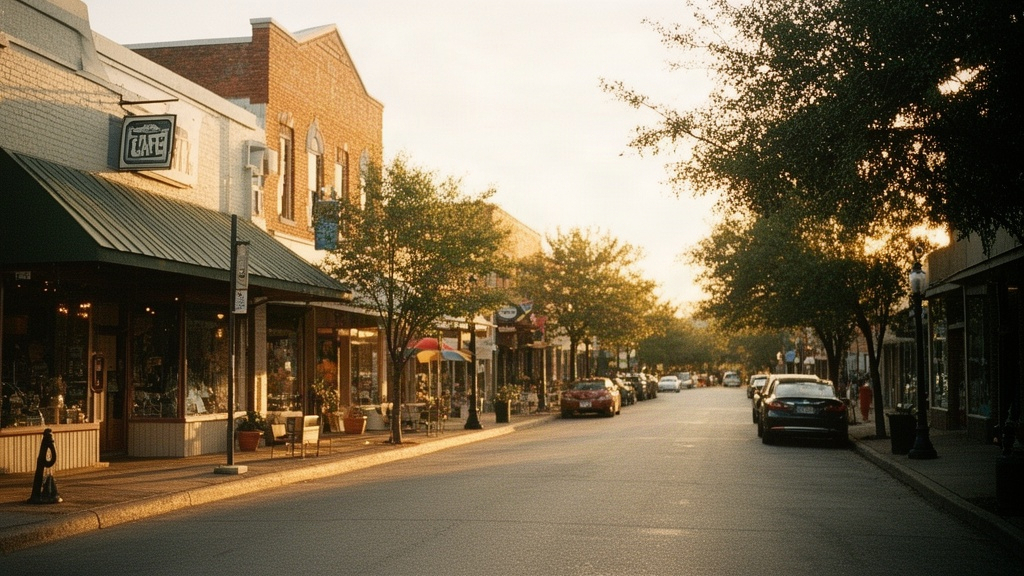
1. Why Homeowners in Caracas Are Choosing to Downsize Right Now
Downsizing in Caracas, Spain is gaining momentum in 2026 for a combination of practical and personal reasons. Property values across the León province have risen steadily over the past several years, meaning many owners of larger homes are sitting on significant equity. Selling a four or five-bedroom property in or around Caracas and moving into something smaller can unlock that equity and meaningfully reduce monthly outgoings at the same time.
The Financial Case for Downsizing
A larger home in the Caracas area typically carries higher community fees if it sits within a development, higher heating costs through the cold Castilian winters, and more maintenance expense year over year. Moving to a property with 80 to 110 square metres instead of 180 or more can cut utility bills by a third or more, and free up capital that can be invested, gifted, or simply kept as a financial cushion.
Forbes outlines three key financial questions to resolve before committing to a downsize, including whether the net proceeds after taxes and transaction costs will actually improve your cash position. Three Things To Consider Before You Downsize In Retirement is worth reading before you make any decisions, because the numbers do not always work out the way people expect.
Lifestyle Shifts Driving the Decision
Beyond the numbers, many Caracas homeowners downsize because their relationship with their property has simply changed. A large garden that was once a pleasure can become a burden. Rooms that once housed a full household now sit empty. Moving to a smaller property in the village centre, within walking distance of the local shops on the Calle Real or the weekly market, often brings a different kind of daily life that many people find preferable to maintaining a large rural finca.
The proximity to León is another factor. Caracas sits roughly 20 kilometres from León city, and a smaller, lower-maintenance home in the village can make it easier to use the city's hospitals, specialist services, and cultural amenities without the overhead of a large property.
2. Your Best Property Options When Downsizing in Caracas, Spain
The Caracas housing market offers several distinct property types for buyers who are moving to something smaller. Understanding what is actually available locally helps you set realistic expectations before you list your current home.
Smaller Village Homes and Ground-Floor Apartments
The village core of Caracas contains a mix of traditional stone-built casas with two or three bedrooms, many of them with small enclosed patios or terraces. These properties typically range from 70 to 130 square metres and are priced between roughly 60,000 and 130,000 euros depending on condition, orientation, and whether they have been recently renovated. A fully reformed two-bedroom stone house near the village square can sit at the higher end of that range, while a property needing work can come in well below 80,000 euros.
Ground-floor apartments or single-storey properties are worth prioritising if stairs are a concern. Several older buildings in the area have been converted into smaller units, and these tend to be popular among buyers who want to reduce square footage without leaving the municipality they know well.
New Build and Renovated Properties Near Caracas
New build activity in and immediately around Caracas has been limited but not absent in 2026. A number of small residential developments have appeared in the broader León province, and some buyers downsizing from larger rural properties choose to purchase a new or recently built property in a nearby town such as Villaquilambre or Valverde de la Virgen, which offer more services while remaining within a short drive of Caracas.
New builds carry a different tax structure than resale properties, which affects your total purchase cost. For a detailed breakdown of what you will pay on top of the headline price, see the guide on how much it costs to buy a house in Caracas, Spain including all taxes and notary fees, which covers both resale and new build scenarios.
What the Local Housing Stock Actually Looks Like
Caracas and its immediate surroundings are characterised by traditional Castilian stone construction, single-family homes on modest plots, and a small number of semi-detached properties built in the 1980s and 1990s. The village does not have a large stock of high-rise apartment buildings, so buyers seeking lift access or a fully urban apartment environment may need to look toward León city itself, which is a 20 to 25 minute drive and offers a wider range of compact apartment options from around 80,000 euros upward.
If you are curious about how the broader Caracas property market is structured right now, the Caracas, Spain real estate market guide covers current price ranges and stock across the area in detail.
3. Real Costs of Downsizing in Caracas, Spain
The total cost of downsizing in Caracas, Spain is the sum of what you spend to sell your current home and what you spend to buy your next one. Both sides of the transaction carry real costs that many people underestimate when they first start planning.
Selling Costs You Need to Budget For
When you sell a property in Spain, the main costs that come out of the proceeds are the real estate agent commission, the notary and registry fees on the seller's side, and the Plusvalía municipal tax, which is a local tax on the increase in land value during your period of ownership. Agent commission in the Caracas and León area typically runs between 3% and 5% of the sale price. Plusvalía is calculated by the Ayuntamiento based on the cadastral value of the land and the number of years you have owned the property, so it varies from one transaction to the next.
Capital gains tax (IRPF on the gain) is another cost sellers must account for. In Spain, gains on property sales are taxed at rates ranging from 19% on the first 6,000 euros of gain up to 28% on gains above 300,000 euros as of 2026. There are exemptions available, including a full exemption if you are over 65 and the property is your primary residence, and a reinvestment exemption if you use the proceeds to buy a new main home. Your gestor or tax adviser can confirm which exemptions apply to your specific situation.
Spanish Property Insight's guide on how to sell your home in Spain provides a thorough overview of the legal and tax steps involved, and is a useful reference to read alongside local advice from Barbara Marin.
Buying Costs on Your Next Property
On the purchase side, resale properties in Castilla y León attract the Impuesto de Transmisiones Patrimoniales (ITP), the property transfer tax. In Castilla y León the general ITP rate is 8% of the declared purchase price, though reduced rates can apply in certain circumstances. On top of ITP, you will pay notary fees, land registry fees, and gestoría fees, which together typically add another 1% to 2% of the purchase price.
On a 90,000 euro resale purchase, for example, you would budget roughly 7,200 euros for ITP and a further 1,000 to 1,800 euros for notary, registry, and gestoría fees, bringing the total acquisition cost to approximately 99,000 to 100,000 euros. These numbers are illustrative; the exact figures depend on the specific property and how the transaction is structured.
The Net Financial Picture
The net gain from downsizing is the difference between what you clear from your sale and what you spend in total on your purchase, including all transaction costs on both sides. For a homeowner selling a 200,000 euro property and buying a 90,000 euro replacement, the gross difference is 110,000 euros. After deducting selling costs of roughly 8,000 to 12,000 euros and buying costs of roughly 9,000 euros, the realistic net figure is closer to 89,000 to 93,000 euros. That is still a substantial sum, but it is worth calculating precisely before you commit.
4. Timing Your Downsize: When Is the Right Moment in the Caracas Market?
Timing matters for both sides of the transaction, and in Caracas, Spain the best timing depends on market conditions, your personal circumstances, and the seasonal rhythm of local buyer activity. Getting both right is not always possible, but understanding the patterns helps you plan.
Current Market Conditions in September 2026
As of September 2026, the Caracas and broader León province market continues to see demand for well-presented village properties outpace supply in certain price brackets. Properties priced between 80,000 and 150,000 euros in move-in condition are seeing relatively brisk interest, while larger rural homes requiring significant renovation are taking longer to sell. This dynamic is useful for downsizers: if your current property is a larger, well-maintained home, you are selling into a segment where buyers are active. And if your target replacement property is a smaller village home in the 70,000 to 120,000 euro range, there is reasonable inventory to choose from.
Interest rates across the eurozone remain a factor in buyer affordability in 2026, which affects how many purchasers are competing for your current home. Buyers using mortgages are more sensitive to rate movements than cash buyers, and the Caracas market has a notable proportion of cash transactions, particularly among buyers relocating from larger Spanish cities or from abroad. This tends to keep demand more stable than in markets that rely heavily on financing.
Seasonal Patterns in the Local Market
In the León province, the spring months of March through May and the early autumn period of September and October tend to see the highest volume of property visits and offers. The August slowdown, driven by summer holidays, typically gives way to a pickup in activity in September, which means right now is a reasonable time to have your property on the market or to be actively searching for your replacement home. December and January are historically quieter, though serious buyers remain active year-round.
If you are planning to list your current home in the next few months, getting the property valued and prepared now gives you the best chance of capturing autumn buyer activity before the market quiets for the winter. For more on how pricing and timelines work when selling locally, the article on selling a home in Caracas, Spain covers the process in detail.
5. Practical Steps to Downsize Successfully in Caracas
A successful downsize in Caracas, Spain requires more than finding a smaller property. It involves preparing your current home to sell at the best possible price, understanding what you genuinely need in your next property, and coordinating the two transactions so you are not left without a home or carrying two properties at once.
Decluttering and Preparing Your Current Home
Larger homes accumulate more furniture, stored items, and personal belongings over the years, and buyers in the Caracas market respond strongly to properties that feel open and well-maintained. Decluttering before listing is not cosmetic; it directly affects how quickly your home sells and at what price. In practical terms, this often means using a local storage facility or arranging a house clearance several weeks before photographs are taken.
Small repairs and a fresh coat of paint on key interior walls can also make a measurable difference. Properties that present well in photographs generate more viewings, and more viewings increase the likelihood of receiving competitive offers. Barbara Marin can advise specifically on which improvements are worth making for the Caracas market and which are unlikely to add value relative to their cost.
Working With a Local Agent Who Knows the Area
Downsizing involves two transactions happening in close sequence, and coordinating them without a local expert is significantly harder than it sounds. An agent who works specifically in Caracas and the surrounding León municipalities understands which smaller properties are likely to come to market, what realistic completion timelines look like with local notaries, and how to structure an offer on your replacement property that accounts for the timing of your own sale.
The process of buying your next home in Caracas has its own steps and costs that are worth understanding in advance. The guide on the buying process, costs and timeline in Caracas, Spain walks through each stage from initial search to signing at the notary.
The emotional side of downsizing is real too. Leaving a home where you have spent many years is not a purely financial decision, and a good agent recognises that. The National Association of Realtors has published useful guidance on how to approach the conversation around downsizing, which many people find reassuring to read as they work through the decision.
FAQ
How long does the downsizing process typically take in Caracas, Spain?
From the moment you list your current property to the day you complete on your new smaller home, the process in Caracas typically takes between four and eight months in total, though it can be shorter if both transactions move quickly. Listing, finding a buyer, signing the arras (private purchase contract), and completing at the notary on your sale usually takes two to four months. Finding and securing your replacement property can run in parallel or follow shortly after. Working with an agent who is active in the local market helps compress the timeline by giving you early access to properties before they are widely advertised.
Can I use the proceeds from my Caracas property sale to buy my next home without paying capital gains tax?
In Spain, there is a capital gains tax reinvestment exemption that allows you to defer or eliminate the tax on the gain from selling your primary residence if you reinvest the proceeds in a new primary residence within two years. There is also a full exemption for sellers who are 65 or older and are selling their habitual residence, regardless of whether they reinvest. These exemptions have specific conditions, including residency requirements and timelines, so you should confirm your eligibility with a Spanish gestor or tax adviser before structuring your transaction. Barbara Marin can refer you to trusted local professionals who handle this regularly in the León province.
What should I look for in a smaller property in Caracas if I am moving from a large home?
The most common priorities for people downsizing in Caracas are: a ground floor or lift-accessible layout to avoid stairs, outdoor space such as a small terrace or enclosed patio rather than a large garden requiring maintenance, proximity to the village centre for easy access to shops and services without needing a car for every errand, and good insulation or recent renovation to keep heating costs manageable through the León winters. It is also worth checking the cadastral value and community fees if the property is part of a development, as these add to your monthly costs even in a smaller home. A local agent can filter available properties against these criteria and help you avoid properties that look attractive on paper but carry hidden ongoing costs.