
← Back to Blog
Local Living
Relocating to Ocala, Florida: Neighborhoods, Costs and Timelines from Someone with Real Out-of-State Experience
By Cameron Cowart
Dalton Wade
September 10, 2026 · 13 min read
Relocating to Ocala, Florida from out of state is one of the biggest financial and logistical moves you will make, and getting the neighborhood, price range, and timeline wrong can cost you months and real money. This guide covers what actually matters: how Ocala's housing market is priced right now in September 2026, which neighborhoods fit which priorities, what your full cost picture looks like, and how long the process realistically takes when you are buying from another state.
1. Why Ocala Keeps Attracting Out-of-State Buyers
Ocala draws a steady stream of out-of-state buyers for a specific set of reasons. Florida has no state income tax. Marion County property taxes run lower than most coastal Florida counties. And Ocala sits at the geographic center of the state, which means Interstate 75 puts you within roughly 90 minutes of both Tampa and Gainesville, and about 75 miles from Orlando.
What Draws People Here
Buyers relocating from the Northeast, Midwest, and South Florida consistently cite three things: lower home prices compared to where they are coming from, more land and space per dollar, and a slower pace without being remote.
Ocala is also the Horse Capital of the World, a title that reflects a real local industry. Marion County has more horses per capita than anywhere else in the country, and equestrian properties ranging from five-acre hobby farms to working show facilities are a genuine part of the local real estate inventory. That is not something you find in most markets.
What Ocala Actually Looks Like on the Ground
The city itself has a population of roughly 65,000, with Marion County as a whole sitting around 400,000 residents. The Ocala National Forest borders the eastern edge of the county and covers over 380,000 acres, giving the area a green, open character that surprises buyers who picture Florida as flat and overdeveloped.
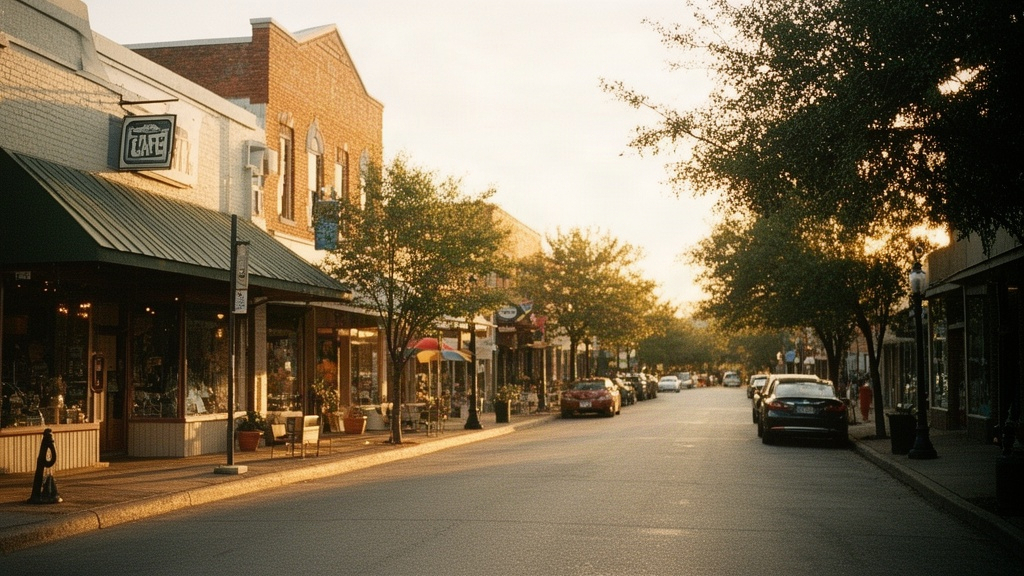
Silver Springs State Park sits just east of downtown, with natural springs, kayaking, and glass-bottom boat tours. The Appleton Museum of Art, a 67,000-square-foot facility on Silver Springs Boulevard, anchors the city's cultural side. Downtown Ocala's Midtown district has seen consistent commercial investment over the past several years, with local restaurants, breweries, and shops concentrated around the historic square.
For a broader picture of what the city offers before you visit, Only In Ocala's relocation guide is a solid starting point for understanding the city's layout, amenities, and cost structure.
2. Ocala Neighborhoods: What You Need to Know Before You Choose
Ocala's neighborhoods vary more than most out-of-state buyers expect. The city has distinct pockets defined by housing type, price range, lot size, HOA structure, and proximity to specific roads and services. Picking the wrong one means either overpaying for features you do not need or missing the ones you do. Here is what each major area actually offers.
Southwest Ocala and Heath Brook
The southwest quadrant, anchored by the Heath Brook area along State Road 200, is one of the most commercially developed corridors in Ocala. Publix, Target, Costco, Home Depot, and a dense concentration of medical offices and urgent care facilities are all within a short drive. The housing stock here ranges from attached townhomes starting in the low $200,000s to single-family homes in established subdivisions priced between $280,000 and $450,000.
Homes in Heath Brook itself are generally built between the late 1990s and mid-2010s, with concrete block construction, two-car garages, and community amenities like pools and walking trails. HOA fees in this area typically run between $150 and $350 per month depending on the subdivision. If you want walkable errands and quick access to services, southwest Ocala delivers that better than most other parts of the city.
Northwest Ocala and Fore Ranch
Northwest Ocala, including the Fore Ranch master-planned community off West Highway 40, offers newer construction and a more suburban feel. Fore Ranch homes are primarily built from the mid-2000s onward, with many updated or newly constructed homes priced between $290,000 and $480,000. The community has its own amenity center, pool, and fitness facilities included in HOA dues.
Interstate 75 is easily accessible from this part of Ocala, which matters if you are commuting toward Gainesville (about 40 miles north) or toward The Villages (roughly 25 miles south). For a detailed look at what daily life in Fore Ranch involves, the Fore Ranch neighborhood guide on this site covers the specifics.
Ocala's 55-Plus and Golf Communities
Marion County has a significant inventory of age-restricted communities, with On Top of the World and Golden Ocala being two of the most recognized. On Top of the World sits off SW 80th Street and spans thousands of acres with multiple golf courses, a performing arts center, and dozens of clubs and organized activities. Homes there range from the mid-$100,000s for smaller attached villas to over $600,000 for larger custom builds.
Golden Ocala, located off NW 80th Avenue, is a gated golf community with Mediterranean-influenced architecture and a more exclusive feel. Homes there tend to start around $500,000 and move well above $1 million for larger estates. Both communities carry HOA fees that cover amenities, and those fees vary significantly by home type and phase of the community, so confirming the exact monthly cost before making an offer matters.
Marion Oaks and the Southern Corridor
Marion Oaks, located south of the city center near the Sumter County line, is where Ocala's most affordable single-family inventory concentrates. Homes here are primarily concrete block construction built from the 1980s through the 2010s, with prices currently ranging from the low $200,000s to around $320,000. Lot sizes are generally larger than what you find in the HOA communities to the southwest, and many properties have no HOA at all.
The tradeoff is distance from Ocala's commercial core. Marion Oaks sits roughly 10 to 15 miles from the SR 200 retail corridor, which means more driving for daily errands. However, proximity to The Villages and its commercial development along US-27 and US-441 partially offsets that for buyers in the southern part of the county.
Downtown and Historic Ocala
The area surrounding downtown Ocala and the historic districts near Fort King Street and SE Watula Avenue features older housing stock, including Craftsman bungalows, Colonial Revival homes, and mid-century block houses. Prices here vary widely, from under $200,000 for a fixer-upper to $450,000 or more for a fully renovated historic home on a large lot.
Buyers drawn to walkability, local restaurants, and a more urban feel within Ocala tend to look in this corridor. The Reilly Arts Center, the Marion County Museum of History and Archaeology, and the weekly farmers market at Tuscawilla Park are all within a short walk or bike ride from the historic neighborhoods.
3. The Real Cost of Relocating to Ocala from Out of State
Most out-of-state buyers underestimate their total cost picture by focusing only on the purchase price. In Ocala, the purchase price is only one piece. Property taxes, homeowner's insurance, HOA fees, and the cost of the physical move all add up fast. Here is what the numbers actually look like in September 2026.
Home Prices in September 2026
The Ocala metro median home price currently sits in the mid-to-upper $280,000 range as of September 2026, with meaningful variation by neighborhood and property type. Entry-level single-family homes in Marion Oaks and parts of southwest Ocala can still be found in the $210,000 to $250,000 range. Move-up homes in established subdivisions along SR 200 run $300,000 to $450,000. Luxury and equestrian properties, which include acreage and custom construction, start around $600,000 and extend well past $2 million.
New construction is a significant part of the Ocala market right now. Several master-planned communities are actively building, with builder base prices starting around $260,000 for a three-bedroom home. Builders frequently offer incentives including rate buydowns and closing cost contributions, which can shift the effective cost meaningfully. The new housing developments guide for Ocala in 2026 covers which communities are actively selling and what to expect from the builder process.
Property Taxes, Insurance and HOA Fees
Marion County's effective property tax rate runs approximately 0.9% to 1.1% of assessed value, which is lower than Broward, Palm Beach, or Miami-Dade counties. On a $320,000 home, that translates to roughly $2,900 to $3,500 per year before exemptions. Florida's homestead exemption reduces the assessed value by up to $50,000 for primary residents, which is worth applying for in the first year you own the home.
Homeowner's insurance is the cost that catches the most out-of-state buyers off guard. Florida's insurance market has been volatile, and while Ocala is inland and not in a coastal flood zone, premiums have still risen. Buyers in Ocala should budget $2,500 to $4,500 per year for homeowner's insurance on a standard single-family home, depending on the age of the roof, construction type, and coverage level. Getting insurance quotes before you make an offer is not optional; it is a necessary part of your budget math.
HOA fees in Ocala range from zero in non-HOA areas like parts of Marion Oaks, to $150 to $400 per month in gated or amenity-rich communities, to $500 or more per month in the larger 55-plus communities where the HOA covers cable, internet, lawn care, and full amenity access. Always request the HOA's financials, reserve fund balance, and any pending special assessments before closing.
Cost of Living Beyond Housing
Ocala's grocery, dining, and utility costs run below the national average in most categories. Florida Power and Light and Duke Energy Florida serve the area; electric bills for a 2,000-square-foot home with central air typically run $150 to $250 per month in summer months and less in winter. Ocala does not have a city income tax, and Florida has no state income tax, which meaningfully affects take-home pay for buyers relocating from states like New York, California, or Illinois.
The physical move itself adds cost. A long-distance move from the Northeast or Midwest to Ocala using a full-service moving company typically runs $4,000 to $10,000 depending on distance, volume, and timing. Moving during peak summer months costs more. If you are shipping a vehicle rather than driving it, budget an additional $900 to $1,500 for auto transport.
4. The Out-of-State Buying Timeline: What to Expect
Relocating to Ocala, Florida from another state takes longer than buying locally, and planning around a realistic timeline prevents costly mistakes. Most out-of-state buyers who are not in a rush complete the process in 60 to 120 days from first contact with an agent to keys in hand. Buyers with firm move-out deadlines can compress that to 45 to 60 days if financing is already in place and they are decisive during touring.
Phase One: Research and Pre-Approval
This phase typically runs two to four weeks and should happen before you book a flight to Ocala. Get pre-approved with a lender who is licensed in Florida, not just your home state. Confirm your budget range, understand what loan products are available to you (conventional, FHA, VA, USDA are all options in Marion County depending on your situation), and start narrowing your neighborhood priorities based on commute needs, lot size preferences, and HOA tolerance.
Use this phase to research school zones independently if that is a factor in your decision. The guide to researching public school zones in Ocala before you buy walks through how to verify zoning accurately using Marion County School District's own tools, since school zones do not always match neighborhood names or ZIP codes.
Phase Two: Virtual and In-Person Touring
Out-of-state buyers almost always start with virtual tours and video walkthroughs before committing to a trip. A good local agent will do live FaceTime or video tours of shortlisted properties, walk the neighborhood, and give you honest commentary on what the listing photos are not showing, whether that is road noise, a dated kitchen, or a neighbor situation worth knowing about.
Plan one focused trip to Ocala of two to four days where you tour your top five to eight properties in person. Buyers who try to see 20 homes in a weekend leave confused. Buyers who arrive with a prioritized shortlist and clear criteria typically make a decision within the trip or shortly after. Book your trip when inventory in your price range is active, not during a slow listing period.
Phase Three: Contract to Close
Once you are under contract, a standard Florida residential closing takes 30 to 45 days for a financed purchase. Cash purchases can close in as few as 10 to 14 days. During the contract period, you will complete your home inspection (typically $350 to $500 for a standard inspection in Ocala), negotiate any repairs or credits, finalize your mortgage, and obtain homeowner's insurance before closing.
Florida uses a title company or real estate attorney to handle closings. As a buyer, you have the right to choose your title company. Closing costs for buyers in Florida typically run 2% to 4% of the purchase price, covering title insurance, lender fees, prepaid taxes and insurance, and recording fees. On a $320,000 purchase, budget $6,400 to $12,800 in closing costs on top of your down payment.
For a complete walkthrough of the Florida purchase process from offer to keys, the buying a home in Ocala guide covers each step in detail, including what to expect at each stage of the contract period.
5. How to Work with a Local Agent When You Are Buying from Another State
The single biggest variable in an out-of-state purchase is the quality of your local representation. When you cannot be on the ground every day, your agent's knowledge of specific streets, subdivisions, and local market conditions becomes your eyes and ears. An agent who mostly handles one part of Ocala but is unfamiliar with the areas you are considering is a liability, not an asset.
What a Local Expert Actually Does for You
A local agent who has worked extensively with out-of-state buyers knows how to structure the process remotely. That means proactive video tours before a property goes under contract with someone else, clear explanations of Florida-specific contract terms that differ from other states, coordination with local inspectors and title companies, and honest guidance on which subdivisions have HOA issues, deferred maintenance patterns, or resale challenges that would not be obvious from Zillow.
Cameron Cowart of Dalton Wade has worked with a significant number of buyers relocating to Ocala, Florida from out of state, including buyers coming from New York, New Jersey, Michigan, Ohio, Illinois, and South Florida. That experience translates into a process that is organized, communicative, and designed around the specific challenges of buying remotely: clear timelines, proactive updates, and local knowledge that saves buyers from expensive mistakes.
Questions to Ask Before You Commit
Before you sign a buyer's representation agreement with any agent in Ocala, ask how many out-of-state buyers they have helped in the past 12 months, whether they are comfortable doing live video tours on short notice, and how they communicate throughout the transaction. Ask specifically about their familiarity with the neighborhoods on your shortlist. An agent who has closed deals in Marion Oaks, Fore Ranch, and the SR 200 corridor will give you a different level of insight than one who has only worked one zip code.
The guide to vetting and comparing real estate agents in Ocala has a practical framework for evaluating agents before you commit, including the specific questions that reveal whether an agent actually knows the local market or is just licensed in it.
If you are considering a higher price point, the Ocala luxury home market guide covers what the upper end of the Ocala market looks like, including equestrian estates, gated communities, and custom construction, which are categories that require specific local expertise to navigate.
FAQ
How long does it take to buy a home in Ocala, Florida when relocating from out of state?
Most out-of-state buyers complete the process in 60 to 120 days from first contact with a local agent to closing, depending on how quickly they can narrow their search and whether financing is already in place. Buyers with a firm move deadline can sometimes close in 45 to 60 days if they arrive with a clear shortlist and a pre-approval letter from a Florida-licensed lender. The contract-to-close period alone typically runs 30 to 45 days for a financed purchase in Florida. Planning a single focused two-to-four-day trip to Ocala for in-person touring, after doing virtual tours remotely, tends to be the most efficient approach. Cash buyers can compress the timeline significantly, with some closings happening in as few as 10 to 14 days once a contract is signed.
What is the total cost of buying a home in Ocala, Florida as an out-of-state buyer?
Beyond the purchase price, out-of-state buyers in Ocala need to budget for closing costs of roughly 2% to 4% of the purchase price, homeowner's insurance of $2,500 to $4,500 per year, property taxes at approximately 0.9% to 1.1% of assessed value, and HOA fees that range from zero to over $500 per month depending on the community. The physical move from another state typically adds $4,000 to $10,000 for a full-service moving company, plus potential vehicle transport costs. Home inspection fees in Ocala run $350 to $500 for a standard single-family home. Getting insurance quotes before making an offer is essential, since Florida homeowner's insurance rates have risen and can meaningfully affect your monthly carrying costs.
Which Ocala neighborhoods should I look at when relocating from out of state?
The right neighborhood depends on your priorities, and Ocala has genuinely distinct options across price ranges and lifestyles. The SR 200 corridor and Heath Brook area in southwest Ocala offer the most walkable access to retail, medical services, and restaurants, with homes generally priced between $280,000 and $450,000. Fore Ranch in the northwest has newer construction and easy Interstate 75 access. Marion Oaks in the south has the most affordable single-family inventory, often with no HOA, but requires more driving for daily errands. On Top of the World and Golden Ocala are the primary age-restricted golf communities, with a wide price range and extensive on-site amenities. Downtown and the historic districts offer older architectural character and walkability to Ocala's arts and dining scene. Each area has different HOA structures, lot sizes, and commute implications, so your specific priorities should drive the decision rather than a general ranking.