← Back to Blog
Neighborhoods
What Is It Actually Like to Live in the Oregon District in Dayton Ohio Day to Day
By Carie Chesser
September 3, 2026 · 11 min read
If you are wondering what it is actually like to live in the Oregon District in Dayton Ohio day to day, the honest answer is that it is one of the most distinctive urban living experiences in the entire Miami Valley. This is a compact, walkable stretch of East Fifth Street packed with 19th-century brick storefronts, Victorian and Italianate homes, independent restaurants, and live music venues. This article walks through the real texture of daily life there: what housing looks like, what things cost, how loud it gets, how far you are from everything else in Dayton, and what you need to know before you decide to buy or rent here.
1. The Physical Layout and Character of the Oregon District
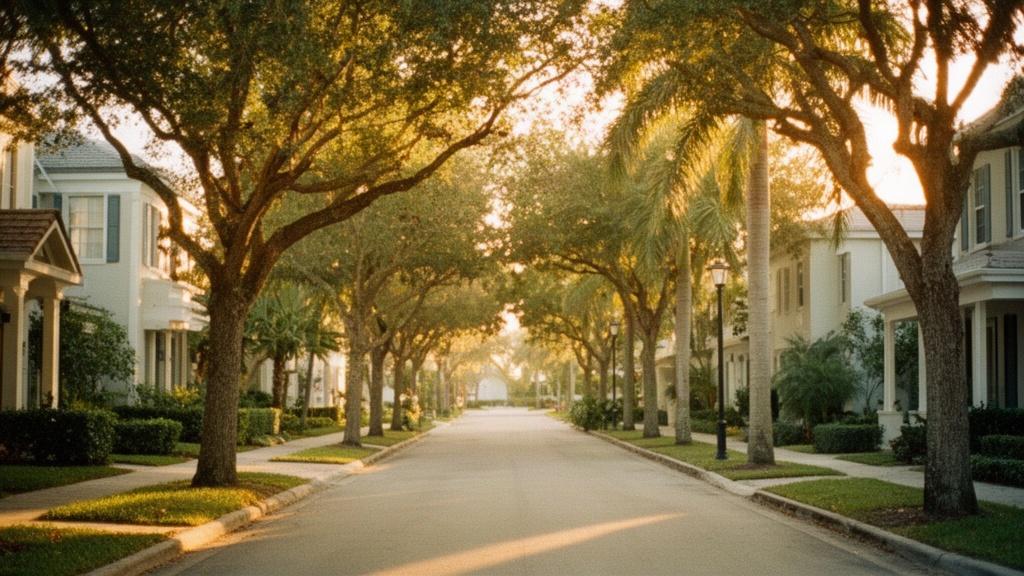
The Oregon District sits about one mile east of downtown Dayton, centered on East Fifth Street between Brown and Wayne streets. The core commercial strip runs roughly six blocks and is lined almost entirely with two and three-story brick buildings constructed between the 1860s and the early 1900s. Most of the storefronts at street level hold bars, restaurants, coffee shops, and boutiques, while upper floors often contain apartments. Residential side streets branch off Fifth, and that is where the bulk of the owner-occupied housing sits.
What the Streets and Buildings Actually Look Like
The residential blocks immediately surrounding Fifth Street are dense by Dayton standards. Lots are narrow, typically 30 to 40 feet wide, and homes sit close to the sidewalk with small front yards or no yard at all. Architectural styles include Italianate, Queen Anne, and German vernacular cottages, many of which were built for workers and merchants in the 1870s through 1890s. Brick is the dominant material, though you will find some wood-frame cottages mixed in. Several blocks have brick-paved alleys behind the homes, which adds to the 19th-century character of the area.
The Oregon District is listed on the National Register of Historic Places as a historic district, which means many of the buildings carry preservation standards. If you buy a contributing structure and want to make exterior changes, you will want to understand local historic preservation guidelines before you close. This is not a barrier to ownership, but it is a practical detail that affects renovation planning. The Live in Dayton Oregon District page maintained by the City of Dayton is a good starting point for understanding the neighborhood's boundaries and character.
How Walkable It Is on a Normal Day
If you live on or within a block of Fifth Street, your daily errands are genuinely walkable. You can walk to multiple coffee shops, a handful of full-service restaurants open for lunch, a wine shop, a used bookstore, and several bars without ever starting your car. The Trolley Stop bar and Blind Bob's are neighborhood institutions that have operated for decades. Wheat Penny Oven and Bar draws people from across the metro for its wood-fired menu. Morning coffee options include the Oregon Express, which has been a fixture on Fifth for years.
What the Oregon District does not have is a full-service grocery store within walking distance. The nearest large grocery options require a short drive: a Kroger on Wayne Avenue is about 1.5 miles away, and Dorothy Lane Market's Oakwood location is roughly 3 miles south. For daily living, most Oregon District residents own a car or use a combination of walking and short drives depending on the errand.
2. Housing Stock, Home Prices, and What You Get for Your Money
The Oregon District offers a narrow but interesting slice of Dayton's housing market: mostly small to medium Victorian-era homes with character details that are hard to replicate in newer construction. Square footage tends to run smaller than what you would find in suburban Dayton neighborhoods. A typical single-family home here might be 1,000 to 1,800 square feet on a lot under 4,000 square feet. Larger homes with 2,000-plus square feet exist but are less common and tend to move quickly.
Types of Homes Available
Single-family detached homes make up a solid portion of the for-sale inventory, but the Oregon District also has a meaningful number of duplexes and multi-unit buildings. Some buyers purchase a two-unit building, occupy one side, and rent the other, which can offset carrying costs in a meaningful way. Condos and upper-floor apartments above commercial spaces are available as rentals but rarely come up for sale as condominiums. If you want to buy rather than rent, you are almost certainly looking at a single-family home or a small multi-unit.
Interior features in renovated Oregon District homes often include original hardwood floors, exposed brick walls, transom windows, decorative millwork, and deep window sills. Unrenovated homes, which do come to market, tend to need mechanical updates: older electrical panels, cast-iron drain lines, and aging HVAC systems are common. A thorough inspection is non-negotiable here. The charm of the housing stock is real, but so are the maintenance realities that come with 100-plus-year-old buildings.
What Prices Look Like Right Now
As of September 2026, single-family homes in the Oregon District typically list in a range from the upper $100,000s for unrenovated or smaller cottages up to the mid $300,000s for fully updated homes with desirable finishes and off-street parking. The median sale price for the immediate Oregon District area has been running in the low-to-mid $200,000s over the past 12 months, which is notably higher per square foot than many other Dayton city neighborhoods but considerably lower per square foot than comparable historic urban districts in Columbus or Cincinnati. For broader context on where Oregon District pricing fits within the Dayton metro, the Dayton, Ohio Real Estate Market Guide covers metro-wide trends in detail.
Off-street parking adds real value in the Oregon District because street parking on residential side streets can be competitive, especially on weekend evenings. A home with a detached garage or a paved off-street space will command a premium over an otherwise comparable home without one. If you are evaluating two similar homes and one lacks parking, factor in the practical inconvenience before assuming the lower price is a bargain.
3. Daily Life: Noise, Energy, and the Rhythm of the Neighborhood
Understanding what it is actually like to live in the Oregon District in Dayton Ohio day to day means being honest about the noise and energy levels, which vary significantly by day of week and time of day. This is an entertainment district with real bars and live music venues. That is part of what makes it interesting, and it is also what makes it different from a quiet residential neighborhood.
Weekday Mornings vs. Weekend Nights
On a Tuesday morning, the Oregon District is genuinely quiet. Fifth Street sees light foot traffic, a few people walking dogs on the side streets, and the sounds of a normal urban neighborhood waking up. By midday on a weekday, restaurant lunch crowds pick up, and the street has a low-key buzz. Evenings on weekdays are moderate: some bar activity, but nothing that would keep most people awake.
Thursday through Saturday nights are a different experience entirely. Fifth Street fills with people, music spills out of venues, and parking on residential streets becomes tight as visitors come in from across the metro. If you live within a half-block of Fifth, you will hear that activity. Homes one or two blocks off the main strip are noticeably quieter, but you are still in a neighborhood where weekend evenings have an urban energy. This is not a complaint, it is a description. People who move to the Oregon District because of that energy tend to love it; people who discover it after moving in sometimes find it more than they expected.
The Oregon District has also hosted large public events over the years, including the Oregon District Music Festival, which draws significant crowds to Fifth Street on summer weekends. If you are considering buying here, it is worth visiting on both a quiet Tuesday morning and a Friday night to get a full picture of the range.
Parking, Traffic, and Getting Around
Street parking on the residential blocks is available during the week but fills up on weekend evenings as bar and restaurant patrons park in the surrounding streets. The City of Dayton has designated some resident-priority parking areas in parts of the district, but this is worth verifying for any specific address you are considering. A garage or private parking pad is the most reliable solution if parking matters to you.
Getting around by car from the Oregon District is straightforward. Interstate 75 is accessible in under five minutes via Fifth Street heading west to downtown and then north or south on the highway. US-35 is similarly close heading east or west. The neighborhood is not served by frequent transit in the way that a large city's urban core might be, so most residents rely on a car for anything beyond the immediate Fifth Street strip.
4. Proximity to the Rest of Dayton: Commutes and Conveniences
One of the practical advantages of living in the Oregon District is its central location within the Dayton metro. Being one mile from downtown means that most major Dayton destinations are within a short drive, and the access to interstates makes the broader region accessible without a long surface-street commute.
Getting to Major Employment Centers
Downtown Dayton, including the government offices, law firms, and healthcare facilities clustered near Third and Main streets, is about a 5-minute drive or a 20-minute walk from the heart of the Oregon District. Miami Valley Hospital on Edwin Moses Boulevard is roughly 1.5 miles west, making it accessible in under 10 minutes by car. Wright-Patterson Air Force Base, one of the largest employers in the region, is approximately 10 to 12 miles east via US-35, a commute that typically runs 20 to 25 minutes in normal morning traffic. Kettering Medical Center is about 6 miles south, usually 15 minutes.
The University of Dayton campus is about 2 miles south of the Oregon District, reachable in 8 to 10 minutes by car. For those working at or affiliated with UD, the Oregon District is close enough to be a practical daily commute without the higher price points found immediately around the campus itself. For broader context on how the Dayton market is performing right now, the article on Dayton Ohio real estate market trends covers current conditions across the metro.
Grocery, Healthcare, and Everyday Errands
As noted earlier, the Oregon District does not have a walkable grocery store, which is the most common practical gap residents mention. The Kroger on Wayne Avenue serves the area most directly. A Meijer is available on Wilmington Pike in Kettering, about 5 miles south. For specialty or organic groceries, Dorothy Lane Market in Oakwood or the Springboro location are the most popular options, each about 15 to 20 minutes away.
For healthcare, Miami Valley Hospital is the closest major facility, and there are several urgent care clinics within a 5-mile radius. Pharmacy access is available at the Kroger on Wayne Avenue and at a Walgreens on Brown Street, about 1 mile away. For most routine errands, Oregon District residents describe their experience as requiring a car but rarely requiring a long drive.
5. Who Buys Here and What to Think About Before You Do
The Oregon District attracts buyers who want to be embedded in Dayton's cultural life rather than adjacent to it. The neighborhood's walkable restaurant and bar scene, the architectural character of the housing, and the central location within the metro are the primary draws. The trade-offs are real and worth knowing before you make an offer.
The Trade-Offs Worth Knowing
Lot sizes are small, which means limited outdoor space compared to most Dayton suburbs. If a large backyard matters to you, the Oregon District will likely disappoint. Homes here are also older, which means ongoing maintenance is part of ownership in a way it might not be in a newer subdivision. Roof, foundation, plumbing, and electrical systems in homes built before 1920 all warrant careful inspection and realistic budgeting for future updates.
Noise on weekend evenings, limited walkable grocery access, and competitive weekend street parking are the three most consistently mentioned practical drawbacks from current residents. None of these are dealbreakers for buyers who know what they are getting into, but each one can be a genuine surprise for someone who visited only on a quiet weekday afternoon before buying. Spending time in the neighborhood at different times of day and week before committing is one of the most useful things you can do.
On the positive side, the Oregon District has shown consistent buyer interest over the past decade, and well-maintained homes here tend to hold value. The neighborhood's historic designation, its concentration of independent businesses, and its proximity to downtown Dayton all contribute to sustained demand. Inventory is limited, which means when a well-priced home comes to market, it tends to move. If you are thinking about buying here, being pre-approved and ready to act matters more than in some other parts of the metro.
Schools and Other Research You Should Do Yourself
The Oregon District falls within the Dayton Public Schools district. School assignment depends on your specific address, and the Ohio Department of Education's school finder tool is the most reliable way to identify which schools serve a given property. Every buyer's priorities around schools are personal, so researching directly through the district and the state's own data is the right approach rather than relying on any third-party ranking. The Ohio Department of Education website at education.ohio.gov is the primary source for school report card data.
For buyers considering the Oregon District alongside other Dayton-area options, it helps to understand the full picture of the market before narrowing your search. The guide to homes for sale in Dayton, Ohio is a useful companion read if you are still comparing neighborhoods and price points across the metro.
FAQ
Is the Oregon District in Dayton Ohio loud to live in?
It depends heavily on where your home sits relative to East Fifth Street and what days of the week matter most to you. Weekday mornings and afternoons are quiet by any urban standard: light foot traffic, minimal noise, and a calm residential feel on the side streets. Thursday through Saturday evenings are a different story, particularly if you live within a half-block of Fifth Street, where bar and restaurant activity, live music, and foot traffic from across the metro create real ambient noise. Homes one or two blocks off the main strip are noticeably quieter on those evenings. The most useful thing you can do before buying is visit the specific block you are considering on a Friday or Saturday night to calibrate your own tolerance.
What are home prices like in the Oregon District compared to the rest of Dayton?
As of September 2026, Oregon District single-family homes generally list from the upper $100,000s for smaller or unrenovated properties up to the mid $300,000s for fully updated homes, with a median sale price in the low-to-mid $200,000s over the past year. On a per-square-foot basis, the Oregon District tends to run higher than many other Dayton city neighborhoods because of the architectural character, the walkable Fifth Street amenities, and the limited inventory of homes that come to market. Compared to similar historic urban neighborhoods in Columbus or Cincinnati, the Oregon District remains meaningfully more affordable. Off-street parking, renovation quality, and proximity to Fifth Street are the three factors that most consistently move prices up or down within the neighborhood.
What is the commute like from the Oregon District to Wright-Patterson Air Force Base?
Wright-Patterson Air Force Base is approximately 10 to 12 miles east of the Oregon District, and the most direct route uses US-35 East, which is accessible in under five minutes from Fifth Street. In typical morning commute traffic, the drive runs 20 to 25 minutes gate to gate, though this can extend on days with construction or incidents on US-35. The Oregon District's central location within the Dayton metro means it is reasonably positioned for employees at Wright-Patterson who also want access to downtown Dayton's amenities and a walkable evening scene. Most residents commuting to the base drive, as public transit options for that specific route are limited.