← Back to Blog
Market Trends
What New Housing Developments and Construction Projects in Dayton Ohio in 2026
By Carie Chesser
September 5, 2026 · 10 min read
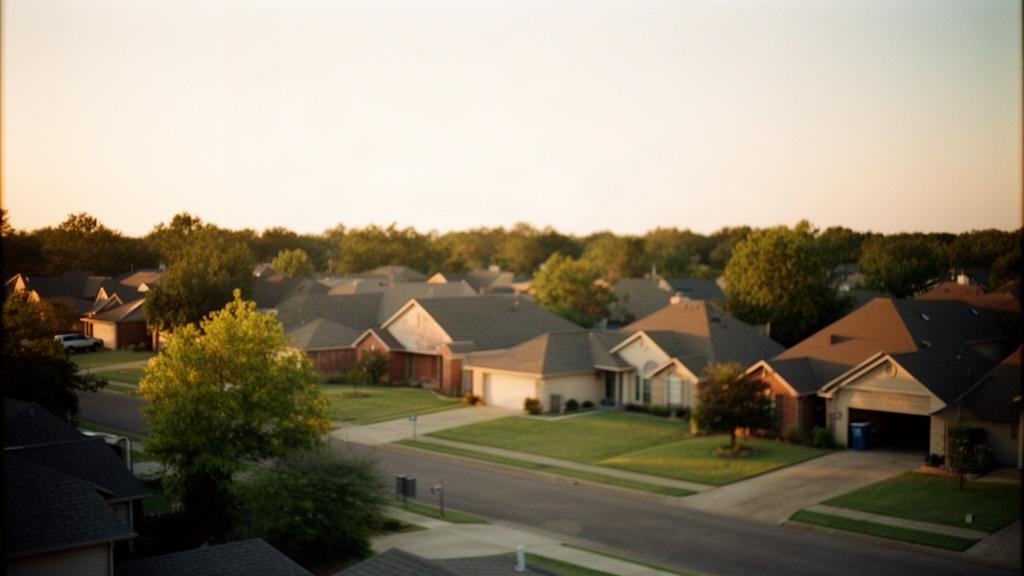
If you are wondering what new housing developments or construction projects are happening in Dayton Ohio in 2026, the answer is: quite a lot. From infill residential builds in northwest Dayton to large mixed-use projects reshaping downtown, the city is in the middle of a construction wave that is adding inventory, reshaping neighborhoods, and creating real options for buyers who have been frustrated by limited supply.
1. The Big Picture: How Much New Construction Is Happening in Dayton Right Now
Dayton is seeing a meaningful uptick in residential construction activity in 2026, driven by a combination of state investment, federal housing incentives, and local development partnerships. The city has been working to address a housing shortage that has kept inventory tight and pushed prices upward over the past several years.
New Permit Numbers Tell the Story
Permit activity in Dayton is running at a pace not seen in over a decade. According to WHIO reporting on residential construction in 2026, the Dayton metro area has seen a notable increase in new home starts compared to recent years, with both single-family and multi-family projects contributing to the total. The city itself is tracking dozens of active permits across its various neighborhoods, from the near west side to the riverfront.
For context, Dayton's housing stock skews older. A large share of the city's residential properties were built before 1970, which means new construction stands out not just as added inventory but as a different product category entirely. Buyers who want modern insulation standards, open floor plans, or energy-efficient systems often had very few options in the city proper. That is starting to change.
Why Construction Is Accelerating in 2026
Several forces are converging at once. Ohio has committed state funding to residential development in mid-sized cities, and Dayton has been an active recipient of those dollars. The city's development office has also streamlined permitting in certain target zones, which reduces the time and cost barriers that historically discouraged builders from taking on urban infill projects.
The broader Dayton metro has also benefited from Wright-Patterson Air Force Base's continued economic footprint. Stable federal employment anchors demand for housing across the region, which gives developers more confidence to break ground. You can read more about how these dynamics are affecting prices and inventory in the Dayton Ohio real estate market trends guide on this site.
2. Major New Housing Developments to Know About in 2026
Several specific projects are actively under construction or in early phases right now in September 2026. These are not proposals or planning documents; they are projects with shovels in the ground or recently completed foundations.
Madden Hills: State-Backed Residential Investment on Dayton's West Side
One of the most significant new housing developments in Dayton Ohio in 2026 is the Madden Hills project on the city's west side. The Madden Hills groundbreaking marked a direct state investment in new housing for Dayton, with Ohio dollars flowing into a neighborhood that has seen significant disinvestment over the past few decades. The project is designed to bring new single-family homes to a part of the city where vacant lots and aging structures have long outnumbered move-in-ready properties.
Madden Hills is notable because it represents a model that Dayton has been trying to replicate: using public funding to de-risk private development in neighborhoods where market-rate builders would not otherwise go. The homes being built are intended to be attainable for buyers who earn moderate incomes, not luxury product. That makes this project directly relevant to first-time buyers and buyers who have been priced out of the suburbs.
HoM Flats at Forest Avenue: Workforce Rentals in Northwest Dayton
On the rental side of the construction picture, crews have broken ground on HoM Flats at Forest Avenue in northwest Dayton. This multi-family project is adding workforce housing units to a corridor that has historically had limited new apartment stock. The Forest Avenue location sits in a part of the city that connects to the University of Dayton area and the broader northwest residential grid, making it accessible to major employment centers via surface streets.
For buyers, this kind of rental construction matters indirectly. As new rental units come online, some renters who have been living in older single-family homes will transition into the new apartments, potentially freeing up that older housing stock for purchase. It is a slow process, but it does affect the overall supply picture that buyers are navigating right now.
Downtown Dayton Mixed-Use Projects
Downtown Dayton is also seeing construction activity that includes residential components. The city's development office has highlighted several mixed-use projects that combine ground-floor commercial space with upper-floor residential units, a format that has become common in the downtown core and along the riverfront. These projects add condominiums and apartments to areas that are already walkable to the Oregon District, the Fifth Third Field ballpark, and the Dayton Convention Center.
The city's own development news confirms that investment in Dayton's built environment is soaring, with multiple projects in various stages of construction across the urban core. For buyers considering a downtown lifestyle, this means more options are coming, though timelines for completion vary and some projects are still in the permitting or pre-sale phase. If you are curious about what day-to-day life in the urban core actually looks like, the Oregon District living guide on this site covers the neighborhood in detail.
3. What New Construction Means for Home Buyers and Sellers
New construction activity in Dayton Ohio in 2026 has real implications for both sides of the market. The effects are not identical for buyers and sellers, so it is worth thinking through each perspective separately.
Buyers: More Options, But New Tradeoffs to Understand
New construction gives buyers something the resale market often cannot: a home with no prior owners, a builder warranty, and modern construction standards. In Dayton's market, where many resale homes carry deferred maintenance from decades of use, that is a meaningful advantage. New builds in the city and suburbs typically come with 1-2-10 warranties covering workmanship, systems, and structural components for one, two, and ten years respectively.
The tradeoff is price and timing. New construction in the Dayton metro tends to carry a premium over comparable resale homes, often in the range of 10 to 20 percent depending on the submarket and builder. And if you are buying a home that is not yet built, you may be waiting six to twelve months for completion, which means carrying your current housing costs while also locking in a purchase price today.
Dayton's resale market has been moving quickly, with many homes going under contract within days of listing. If you want to understand how new construction timelines compare to the pace of the existing market, the guide to how long homes are sitting on the market in Dayton gives you a current baseline.
Sellers: How New Inventory Affects Your Pricing Strategy
If you are selling a resale home in Dayton, new construction is now part of your competition. Buyers who are weighing your 1960s brick ranch against a brand-new build in the same price range will factor in the condition difference, the warranty, and the modern layout. That does not mean resale homes cannot compete; it means pricing and presentation matter more than they did when inventory was extremely tight.
Sellers whose homes are in strong condition, with updated kitchens, bathrooms, and mechanical systems, are still getting strong offers. The homes that are sitting longer are the ones priced as if they were competing only against each other, ignoring the new construction options that buyers are now seriously considering. A realistic pricing conversation with a knowledgeable local agent is more important than ever.
4. Suburbs and Surrounding Areas: Construction Activity Beyond the City Limits
New housing development in the Dayton area in 2026 is not limited to the city proper. Several suburbs are also seeing active construction, each with its own character and price point.
Beavercreek and Kettering
Beavercreek, located roughly 12 miles east of downtown Dayton via I-675, has seen continued single-family construction in established subdivisions as well as some new phase openings in larger planned communities. Homes in Beavercreek's new construction segments are generally priced from the upper $300,000s into the $500,000s and above, depending on square footage and lot size. The area sits close to Wright-Patterson Air Force Base, which is a major driver of demand for housing in that corridor.
Kettering, which borders Dayton to the south and is roughly 8 miles from downtown, has less raw land for large-scale new construction but does see infill building and occasional teardown-rebuild activity. Kettering's housing stock is predominantly mid-century, so new builds there stand out and tend to attract buyers who want a suburban location with proximity to the city. Kettering is also home to Rosewood Arts Centre and the Fraze Pavilion outdoor amphitheater, which anchor the community's cultural identity.
Springboro and the Southern Corridor
Springboro, about 20 miles south of Dayton along I-75, has been one of the more active suburban construction markets in the broader metro. New subdivisions there have been adding homes in the $350,000 to $550,000 range, with larger lots than you typically find in closer-in suburbs. The drive to downtown Dayton runs about 25 to 30 minutes in normal traffic conditions, and Springboro also sits within reasonable distance of Cincinnati, making it a draw for buyers who work in either metro.
The southern corridor generally has more available land than the established inner suburbs, which is why builders have gravitated there. If you are comparing Springboro to closer-in options, the tradeoff is typically more square footage and a newer home versus a shorter commute and more walkable surroundings.
5. How to Navigate New Construction as a Buyer in Dayton Ohio in 2026
Buying new construction in Dayton is a different process than buying a resale home, and the differences catch a lot of buyers off guard. Knowing what to expect before you walk into a builder's sales office will save you time, money, and frustration.
Builder Contracts Are Not the Same as Resale Contracts
Builder purchase agreements are written by the builder's legal team to protect the builder, not the buyer. They often include clauses that allow the builder to extend the closing date without penalty, adjust the purchase price for material cost increases, or limit the buyer's ability to back out without losing a substantial deposit. These are standard in the industry but can be a shock to buyers who are used to the more balanced terms in a typical Ohio resale contract.
Having a buyer's agent review the contract before you sign is not optional; it is essential. The builder's on-site sales representative works for the builder, not for you. An independent agent can flag problematic clauses, negotiate on your behalf for upgrades or closing cost contributions, and make sure you understand what you are committing to before you hand over a deposit.
If you are still figuring out how to find the right representation for a new construction purchase, the guide to choosing a Realtor in Dayton Ohio walks through what to look for in an agent for exactly this kind of situation.
Financing New Construction: What Is Different
Financing a home that is not yet built requires a different loan structure than a standard purchase mortgage. Many buyers use a construction-to-permanent loan, which covers the build phase and then converts to a standard mortgage at closing. Others lock in a purchase price with the builder and use a standard mortgage once the home is complete. The right approach depends on the builder's requirements, your lender's products, and how long the build timeline is.
Interest rate lock periods are also a concern with new construction. If your home takes eight months to build and your rate lock only covers 60 days, you could be exposed to rate changes during construction. Some builders offer rate lock programs through their preferred lenders, but those programs sometimes come with higher base rates or fees. Compare the builder's financing offer against what your own lender can provide before committing.
One more step that buyers often skip: ordering an independent home inspection during construction, not just at the final walkthrough. Having an inspector review the framing, rough plumbing, and electrical before the drywall goes up can catch issues that would be impossible to find later. Builders in Dayton are generally professional, but no construction process is perfect, and an independent set of eyes protects your investment.
FAQ
Where is new housing construction happening in Dayton Ohio right now?
As of September 2026, active construction is happening in several parts of the Dayton area. In the city proper, the Madden Hills project on the west side and HoM Flats at Forest Avenue in northwest Dayton are among the most visible new residential builds. Downtown Dayton has multiple mixed-use projects adding residential units near the riverfront and the Oregon District. In the suburbs, Beavercreek, Springboro, and parts of Kettering are all seeing new single-family and multi-family construction at various price points. The pace of permitting across the metro is at its highest level in over a decade, according to local reporting.
Is new construction in Dayton Ohio more expensive than buying a resale home?
Generally, yes. New construction in the Dayton metro typically carries a premium of roughly 10 to 20 percent over comparable resale homes, depending on the location, builder, and included features. That premium reflects the cost of modern building materials, current labor rates, and the builder's profit margin. However, new construction also comes with a builder warranty, modern energy efficiency, and no deferred maintenance, which can offset some of the higher upfront cost over time. Buyers should compare the total cost of ownership, not just the purchase price, when evaluating new versus resale options in Dayton.
Do I need a real estate agent if I am buying new construction in Dayton?
Yes, and it is important to understand that the builder's on-site sales agent represents the builder, not you. Having your own buyer's agent costs you nothing as the buyer in Ohio because the builder typically pays the buyer's agent commission. Your agent can review the builder's contract, negotiate for upgrades or closing cost contributions, and make sure you are not agreeing to terms that could hurt you later. For a purchase as large as a new construction home, having independent representation is one of the most practical steps you can take to protect yourself.