

← Back to Blog
Market Trends
Charleston, West Virginia Real Estate Market Guide: Prices, Neighborhoods and Timing
By Cayla Jespersen
Better Homes and Gardens Real Estate. Central
September 19, 2026 · 11 min read
If you are trying to understand the Charleston, West Virginia real estate market guide covering prices, neighborhoods, and timing, this article gives you the full picture in one place. Charleston sits at the confluence of the Kanawha and Elk rivers and carries a housing market that behaves differently from most Mid-Atlantic or Appalachian cities, so the details matter. Whether you are buying, selling, or relocating, here is what the market actually looks like in September 2026.
1. What Charleston Home Prices Look Like Right Now
The Charleston, West Virginia real estate market remains one of the most affordable mid-size city markets in the eastern United States. As of September 2026, the median home price in Charleston sits in the range of $145,000 to $165,000, depending on the source and the specific zip code. That figure has held relatively steady over the past twelve months, with modest appreciation rather than the sharp swings seen in larger metro areas.
Median Price and Price Per Square Foot
Price per square foot in Charleston currently runs between $85 and $115 for most residential properties, with higher figures in updated homes in South Hills and lower figures in older stock on the West Side or in neighborhoods closer to the industrial corridor along the Kanawha River. For a detailed breakdown of what the median means in practice, see the average home price article on this site, which covers specific zip codes and what that number means for a buyer writing an offer today.
Entry-level homes in Charleston, typically two or three bedrooms with one bath on smaller lots, regularly come to market in the $80,000 to $120,000 range. Move-up homes with updated kitchens, larger lots, and garages tend to list between $160,000 and $250,000. Properties above $300,000 exist but represent a small slice of total inventory, concentrated in the South Hills area and along certain streets in Kanawha City near the river.
How Charleston Compares to the Rest of West Virginia
Charleston's prices run higher than most rural West Virginia counties but lower than Morgantown, which has seen price pressure from the university and tech-adjacent employers. The Norada Real Estate West Virginia housing market overview notes that the state as a whole has seen appreciation outpace the national average on a percentage basis in recent years, partly because the starting point was so low. Charleston, as the state capital and largest employment center, reflects that trend while maintaining affordability that buyers from higher-cost states consistently find striking.
2. A Factual Look at Charleston's Key Neighborhoods
Charleston's neighborhoods each carry their own housing stock, price bands, and physical character. Understanding what is actually in each area, lot sizes, architecture, proximity to the Capitol complex, and commute distances, helps buyers narrow their search before they ever schedule a showing. Every area has trade-offs, and those trade-offs are worth knowing before you make an offer.
South Hills
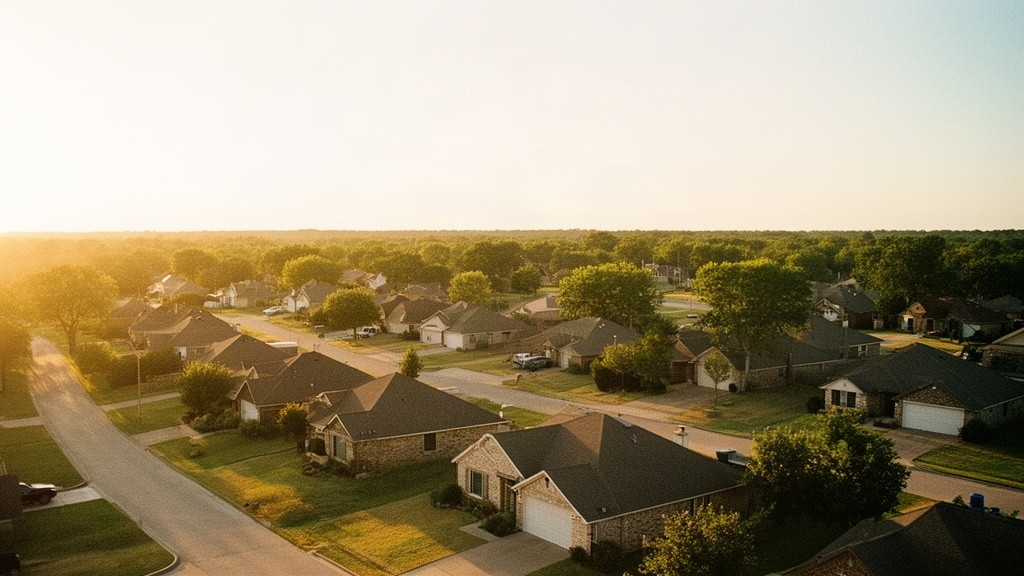
South Hills occupies the ridgeline south of downtown and contains some of the city's largest residential lots, many of them a quarter acre or more with mature trees and views toward the Kanawha Valley. Homes here were built primarily from the 1950s through the 1980s, with brick ranch and split-level construction dominating. Median prices in South Hills run noticeably above the city-wide median, typically in the $200,000 to $320,000 range for updated properties.
The commute from South Hills to the West Virginia State Capitol building on Kanawha Boulevard is roughly four to seven minutes by car depending on traffic, which makes it one of the shorter drives of any residential area in the city. For a deeper look at the neighborhood's physical layout and what living there involves day to day, the South Hills neighborhood guide on this site covers the specifics in detail.
Kanawha City
Kanawha City stretches along the south bank of the Kanawha River east of downtown, roughly from the 35th Street Bridge area out toward Malden. The housing stock here is a mix of postwar Cape Cods, bungalows from the 1920s and 1930s, and more recent infill construction. Lot sizes tend to be smaller than South Hills, typically 6,000 to 9,000 square feet, with homes sitting close to the street.
Prices in Kanawha City span a wide range, from around $100,000 for a fixer-upper to $250,000 or more for a fully renovated home on a corner lot with a garage. MacCorkle Avenue serves as the main commercial spine, putting grocery stores, pharmacies, and restaurants within a short drive of most addresses. The commute to downtown Charleston from Kanawha City runs about ten to fifteen minutes during peak hours.
Elk City and East End
The East End and Elk City neighborhoods sit just east of downtown along the Elk River corridor and contain some of Charleston's oldest residential architecture, including late Victorian and early 20th century foursquares, craftsman bungalows, and row houses. Many of these homes have original hardwood floors, tall ceilings, and front porches. Renovation activity has been steady here, and buyers willing to take on a project can find properties in the $70,000 to $130,000 range.
The proximity to the Clay Center for the Arts and Sciences, the Charleston Coliseum and Convention Center, and the downtown restaurant corridor on Capitol Street is one of the area's defining physical features. Walking distance to those amenities is genuinely achievable from many East End addresses, which is unusual for a city of Charleston's size.
Sissonville and the Northern Corridor
Sissonville sits about twelve miles north of downtown Charleston along US Route 119, within Kanawha County but outside the city limits. Homes here tend to sit on larger lots, often a half acre to several acres, and prices for a three or four bedroom house commonly fall between $130,000 and $220,000. The area includes a mix of ranch homes, newer stick-built construction, and manufactured housing on permanent foundations.
The drive from Sissonville to downtown Charleston takes approximately twenty to twenty-five minutes under normal conditions. Buyers who want more land and a quieter setting without leaving Kanawha County often look here. Property taxes in this area fall under Kanawha County's assessment structure, which is worth reviewing before you budget. The property tax article on this site walks through how Kanawha County assessments work for a $200,000 home.
Dunbar and the West Side
Dunbar is an incorporated city immediately west of Charleston along US Route 60, and it functions as a practical extension of the Charleston market for most buyers. Home prices in Dunbar are consistently among the lowest in the metro area, with three-bedroom houses regularly listing between $75,000 and $140,000. The housing stock skews toward postwar ranch and Cape Cod construction on modest lots.
The commute from Dunbar to downtown Charleston is roughly ten to fifteen minutes via US Route 60 or the Kanawha Turnpike. Dunbar has its own parks, including Shawnee Park along the Kanawha River, and its own commercial strip along Route 60. First-time buyers and buyers relocating from higher-cost markets often find Dunbar's price points offer significant purchasing power.
3. Market Conditions: Supply, Demand, and Days on Market
The Charleston market in September 2026 is operating with limited inventory relative to buyer demand, which is keeping prices stable and giving well-priced listings relatively short market times. This is not a bidding-war environment like some coastal cities, but it is also not a buyer's market where sellers are making large concessions. The balance favors sellers on move-in-ready homes and favors buyers on properties that need work.
Inventory Levels in September 2026
Active listings in the Charleston metro area have been running lean compared to pre-2020 norms. Months of supply, a standard measure of how long it would take to sell every current listing at the current pace of sales, has been hovering in the two to three month range for move-in-ready homes. A balanced market is generally considered to be around five to six months of supply, so the current figure represents a meaningful tilt toward sellers on updated properties.
Homes that need significant renovation are sitting longer, sometimes sixty to ninety days or more, because financing options for distressed properties are narrower and the buyer pool for fixer-uppers is smaller. If you are curious about which specific listings have been sitting the longest and why, the article on homes sitting on market in Charleston this fall covers that in detail.
What the Data Tells Buyers and Sellers
For buyers, the current market means that a well-priced home in South Hills or Kanawha City can receive multiple offers within the first week. Coming in with a pre-approval letter, a realistic offer price, and minimal contingencies gives a buyer a meaningful advantage. For sellers, the data supports pricing at or near market value rather than testing the ceiling, because overpriced homes are sitting while correctly priced homes are moving.
Tracking data from sources like Redfin's Charleston market page shows median days on market and sale-to-list price ratios updated regularly, which can give you a real-time read on how competitive a specific price band is before you make a move.
4. Timing the Charleston Market: When to Buy or Sell
Timing matters in any real estate market, and Charleston has its own seasonal rhythm worth understanding before you list or make an offer. The broad pattern in Kanawha County follows the national spring surge, but the fall window in Charleston is more active than many buyers and sellers expect.
Seasonal Patterns in Kanawha County
Listing activity in Charleston typically peaks from April through June, when the weather improves and buyers who want to settle before summer are most active. July and August see a slight slowdown as families focus on the end of the school year and summer travel. September through November brings a second wave of serious buyers, often people who missed out in the spring or who have a relocation deadline tied to a job start date.
For sellers, listing in September or October means less competition from other sellers compared to the spring, while buyer demand remains solid. For buyers, fall often presents properties that have been on the market since spring with price reductions already applied, which can represent real value. The article on whether to sell this fall or wait until spring 2027 on this site walks through that specific decision for Charleston sellers in more detail.
Interest Rates and Affordability in 2026
Mortgage rates in 2026 have remained elevated compared to the historic lows of 2020 and 2021, but Charleston's low median price means that monthly payments remain manageable relative to local incomes in a way that is not true in higher-cost markets. A buyer financing $140,000 at current rates faces a principal and interest payment well under $1,000 per month on a thirty-year fixed loan, which keeps homeownership accessible for a wide range of income levels.
The West Virginia Housing Development Fund also offers down payment assistance and below-market rate loan programs for qualifying buyers, which can further reduce the upfront cost of purchasing in Charleston. Checking eligibility for those programs before you start shopping can meaningfully expand what you can afford.
5. What Buyers and Sellers Need to Know Before Acting
The Charleston, West Virginia real estate market has specific characteristics that are not obvious from national data alone. Understanding them before you act can save you money and prevent surprises at closing.
Due Diligence Specific to Charleston
Flood zone status is a genuine consideration for properties near the Kanawha River, the Elk River, and their tributaries. Charleston has experienced significant flooding events, and some addresses in Kanawha City, the East End, and the West Side carry flood insurance requirements that add to the monthly cost of ownership. Always check FEMA flood map data for any address you are seriously considering, and factor flood insurance premiums into your budget before you make an offer.
Foundation and drainage issues are more common in older Charleston housing stock than in newer construction, particularly in hillside neighborhoods where soil movement and drainage can affect basements and crawl spaces. A thorough home inspection from an inspector familiar with local construction types is worth the investment. Many Charleston homes also have oil tanks, either active or decommissioned, that require disclosure and sometimes remediation.
Closing costs in West Virginia follow a specific structure that differs from some other states, including transfer taxes and recording fees that buyers and sellers should understand before they get to the closing table. The closing costs article on this site breaks down those figures specifically for Charleston buyers.
Working With a Local Expert
National market data gives you a starting point, but the Charleston, West Virginia real estate market moves block by block in some neighborhoods. A home on one street in Kanawha City may command a different price than a nearly identical home two streets away, based on elevation, flood zone status, lot orientation, and proximity to commercial noise. That level of local knowledge only comes from working regularly in the market.
Cayla Jespersen of Better Homes and Gardens Real Estate Central works in Charleston and the surrounding Kanawha County area regularly, which means she knows which neighborhoods have seen recent price shifts, which streets carry flood risk, and how to position an offer or a listing to get the best result given current conditions. If you are relocating and want a broader orientation to the city first, the complete relocation guide on this site is a good place to start before you reach out.
FAQ
Is Charleston, WV a buyer's market or a seller's market right now?
As of September 2026, Charleston leans toward a seller's market for move-in-ready homes in the most active price bands, particularly in the $130,000 to $220,000 range. Months of supply for updated properties is running around two to three months, well below the five to six months that indicates a balanced market. That said, properties needing significant renovation are sitting longer and giving buyers more negotiating room. The market is not uniform across all price points and neighborhoods, so the conditions you encounter will depend heavily on where and what you are buying.
What is the most affordable area to buy a home near Charleston, WV?
Dunbar, which sits immediately west of Charleston along US Route 60, consistently offers some of the lowest price points in the metro area, with three-bedroom homes regularly listing between $75,000 and $140,000. Portions of the West Side within Charleston city limits also carry lower price points, as do some addresses in the East End that need renovation work. The northern corridor toward Sissonville offers more land for the money if lot size is a priority. Each area has its own physical characteristics, flood zone considerations, and commute distances that are worth evaluating alongside the price.
How long does it take to buy a home in Charleston, WV from start to close?
A typical purchase in Charleston runs thirty to forty-five days from accepted offer to closing, assuming financing is in order and no major inspection issues arise. The timeline can stretch if a property requires lender-required repairs, if a flood elevation certificate needs to be ordered, or if title issues surface during the search. Getting pre-approved before you start shopping, and working with a local agent who knows which title companies and lenders close efficiently in Kanawha County, keeps the process closer to the thirty-day end of that range.