
← Back to Blog
Selling
Downsizing in Charleston, West Virginia: Options, Costs and Timing
By Cayla Jespersen
Better Homes and Gardens Real Estate. Central
September 22, 2026 · 11 min read
Downsizing in Charleston, West Virginia is a decision that touches your finances, your daily routine, and your sense of place all at once. Whether you are trading a four-bedroom colonial in South Hills for a two-bedroom ranch in Kanawha City or moving from a large lot property near Sissonville into a maintenance-free condo closer to downtown, the path forward involves real numbers, real trade-offs, and timing that matters. This guide covers every layer of that decision so you can move forward with clarity.
1. What Downsizing Actually Looks Like in Charleston, WV
Downsizing in Charleston, West Virginia is not one single move. It ranges from shedding 1,000 square feet and a yard that needs mowing every week, to relocating from a multi-story home into a single-level property that eliminates stairs entirely. The right definition depends on what your current home demands of you versus what your next chapter actually requires.
Nationally, a growing wave of homeowners is wrestling with this same question. research from the National Association of Realtors describes what analysts call the 'silver tsunami,' a large cohort of homeowners in their 60s and 70s sitting in homes that no longer match their needs. Charleston is not immune to that pattern, and understanding it helps explain why the local inventory of smaller homes is being watched closely right now.
The Charleston Housing Stock That Fits a Smaller Footprint
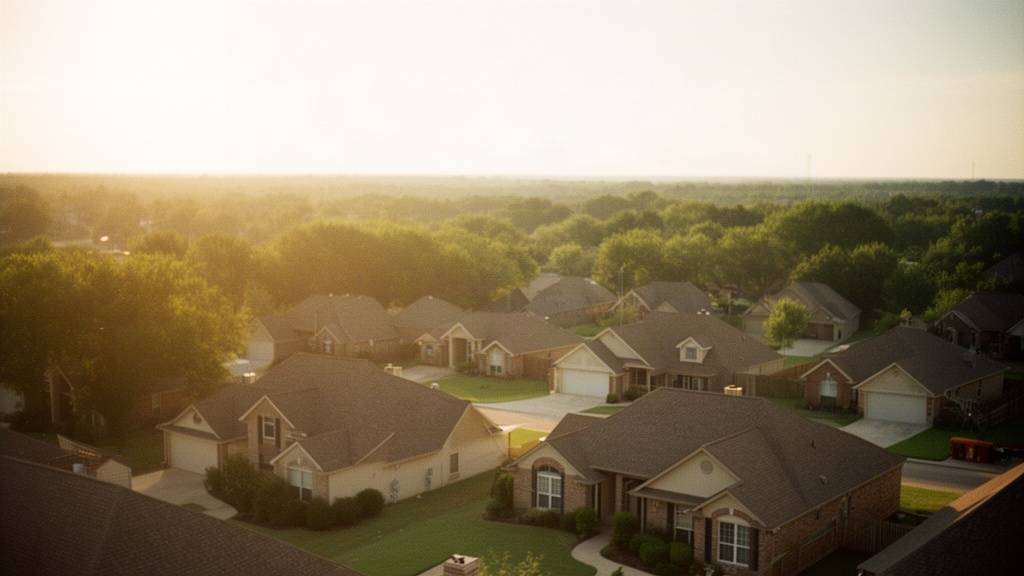
Charleston's residential neighborhoods offer a genuine variety of smaller-footprint options. Ranch-style homes built between the 1950s and 1980s are common across Kanawha City, Staunton Estates, and pockets of South Hills. These typically run 900 to 1,600 square feet, sit on modest lots, and are single-level, which matters enormously for anyone who wants to avoid stairs long-term.
Brick construction is a consistent feature across many of these smaller Charleston homes, which tends to keep exterior maintenance manageable. You will also find two-bedroom and three-bedroom Cape Cods in the East End and near the Elk River corridor, often with detached garages and established landscaping that is already mature, meaning you are not starting from scratch on curb appeal.
Condos, Townhomes and Single-Level Ranches
Condo inventory in Charleston is limited but real. There are condominium and townhome options near the downtown core and along the US-60 corridor through Kanawha City. These properties typically price between $120,000 and $220,000 depending on size, condition, and whether covered parking is included. Monthly HOA fees in Charleston condo communities generally run $150 to $400 per month, covering exterior maintenance, insurance on the structure, and sometimes water and trash.
If a condo feels too close for comfort, single-level ranches on smaller lots, say 6,000 to 9,000 square feet, give you outdoor space without the burden of a half-acre to maintain. These are particularly common in the Kanawha City area, where the street grid is walkable and the Kanawha River Trails are accessible on foot. You can read more about what Kanawha City's housing stock and price ranges look like in the Kanawha City neighborhood guide published on this site.
2. The True Costs of Downsizing in Charleston, West Virginia
The financial picture of downsizing has two sides: what it costs to exit your current home, and what it costs to enter the smaller one. Most people focus on the equity they will pocket, but the transaction costs on both ends can be larger than expected if you are not prepared.
Selling Costs on Your Current Home
When you sell a home in Charleston, expect total transaction costs of roughly 8 to 10 percent of the sale price. That figure includes real estate commissions, the state transfer tax (West Virginia charges $1.10 per $500 of value, split between buyer and seller by local convention), any seller-paid closing costs, pre-listing repairs, staging if applicable, and moving expenses. On a $280,000 home, that can add up to $22,000 to $28,000 before you ever see a net check.
Pre-listing repairs deserve particular attention in Charleston's older housing stock. Many of the larger homes being downsized from were built in the 1960s through 1980s, and buyers will inspect carefully. Roof condition, HVAC age, and any moisture history in basements or crawl spaces are the most common negotiation points. Addressing those proactively before listing tends to protect your net proceeds better than waiting for a buyer to use them as leverage.
For a full breakdown of what to expect when putting your home on the market, the Charleston home selling guide on this site walks through pricing strategy, timeline, and what the process looks like from list to close.
Buying Costs on the Smaller Property
Buying a smaller home in Charleston carries its own closing costs, typically 2 to 4 percent of the purchase price. On a $175,000 ranch in Kanawha City, that means $3,500 to $7,000 at the closing table, covering lender fees, title insurance, the appraisal, homeowner's insurance prepaid at closing, and escrow reserves for property taxes. If you are paying cash, the lender fees disappear, but title, insurance, and tax escrow remain.
Property taxes in Kanawha County are assessed at 60 percent of appraised value, with a levy rate that varies by district. On a $175,000 home, annual property taxes typically land between $1,100 and $1,500 depending on the specific district. That is a meaningful reduction from what most downsizers are currently paying on a larger home assessed at $280,000 to $350,000.
The Net Equity Picture
The equity release from downsizing is often the most motivating number in the entire decision. A homeowner selling a fully paid-off $300,000 home in South Hills and purchasing a $180,000 ranch in Kanawha City could walk away with $90,000 to $100,000 in liquid equity after all transaction costs on both sides. That capital can fund retirement income, home modifications, travel, or simply serve as a financial cushion.
If there is still a mortgage on the larger home, the math changes but the principle holds. Paying off the remaining balance at closing and purchasing the smaller home with cash or a small mortgage often results in a dramatically lower monthly housing cost, sometimes by $600 to $1,000 per month when you factor in the eliminated mortgage payment, reduced insurance premium, and lower property tax bill.
3. Timing Your Downsize: When to Sell and When to Buy
Timing a downsize well means understanding both the selling market and the buying market at the same time. In Charleston, those two markets are often the same pool of buyers and sellers, so conditions tend to move together rather than in opposite directions.
What the Charleston Market Looks Like Right Now
As of September 2026, Charleston's residential market has been characterized by limited inventory across most price bands. Homes priced correctly and in good condition are moving within 20 to 45 days in most neighborhoods. The median sale price for single-family homes in Kanawha County has been tracking in the low-to-mid $180,000 range in 2026, though South Hills properties and larger colonials in established subdivisions push well above that.
For downsizers, low inventory cuts both ways. Your larger home should sell relatively quickly if priced well, which is good. But the smaller home you want to buy is also in short supply, which means you may face competition on the purchase side. Planning the sequence of your transactions carefully, and working with an agent who knows both ends of the market, reduces the risk of being caught between a closed sale and an unavailable replacement property.
For broader context on how Charleston's market is moving this fall, the article on whether to sell now or wait until spring 2027 covers the seasonal trade-offs in detail.
Seasonal Patterns That Affect Your Timeline
Charleston follows a fairly predictable seasonal pattern. Spring, from March through early June, brings the highest buyer activity and the most competition for well-priced listings. Fall, September through November, is the second-strongest window. Winter listings face a smaller buyer pool but also less competition from other sellers, which can work in your favor if your home shows well.
For a downsizer, listing in September or October of 2026 is a reasonable window. Serious buyers who did not find what they needed during the spring are still active, and you avoid the holiday slowdown that typically sets in after Thanksgiving. If you need more time to sort through belongings and prepare the home, a spring 2027 listing gives you the peak buyer season at the cost of waiting several more months.
4. Choosing the Right Neighborhood for a Smaller Home
Where you land after downsizing in Charleston, West Virginia shapes your daily life as much as the size of the home itself. Each neighborhood has a distinct character in terms of housing stock, lot size, proximity to services, and price range. Here is what each major area offers for someone looking to move into a smaller footprint.
Kanawha City
Kanawha City sits along US-60 on the south bank of the Kanawha River, roughly four miles east of downtown Charleston. The neighborhood has a walkable commercial strip with grocery options, pharmacies, restaurants, and medical offices all within a short drive or walk. Housing here skews toward brick ranches and smaller two-story colonials from the 1950s through 1970s, with prices typically ranging from $130,000 to $230,000 for move-in-ready properties. The Kanawha River Trail runs along the riverfront and provides paved walking and cycling access.
East End and Downtown Adjacent
The East End is Charleston's historic core, with Victorian-era and early 20th-century homes on tree-lined streets within walking distance of the State Capitol complex and the Clay Center for the Arts and Sciences. Homes here vary widely in size, from compact two-bedroom cottages to larger period homes that have been subdivided or renovated. Prices for smaller, updated properties in the East End typically start around $110,000 and can reach $200,000 for a fully renovated two or three-bedroom. The neighborhood is walkable to Haddad Riverfront Park and the downtown dining and arts corridor on Capitol Street.
The East End neighborhood guide on this site covers current price ranges, housing stock details, and what to expect when buying in that area.
South Hills
South Hills sits on the ridgeline south of the Kanawha River, accessed primarily via US-119 and MacCorkle Avenue. Many downsizers are selling out of South Hills rather than into it, because the neighborhood's housing stock runs toward larger colonials and split-levels. That said, there are pockets of smaller ranches and patio-style homes in South Hills that appeal to buyers who want the elevated views and quieter streets without the full maintenance burden of a 2,500-square-foot home. Prices for smaller South Hills properties generally range from $175,000 to $280,000.
The South Hills neighborhood guide has a detailed breakdown of what is currently available and what prices are doing in that corridor.
5. Practical Steps to Make the Transition Smoother
The logistical side of downsizing in Charleston, West Virginia is where most people underestimate the time required. A realistic runway of four to six months from decision to move-in gives you enough space to sort belongings, prepare the home, list it, find a replacement, and close both transactions without feeling rushed.
Sorting What You Own Before You List
Decluttering before listing serves two purposes: it makes the home photograph and show better, and it forces the sorting process that has to happen anyway before you move into a smaller space. Estate sale companies in the Charleston area, including several that operate regularly in Kanawha County, can handle furniture and household goods that will not fit in a smaller home. Scheduling an estate sale four to six weeks before your listing date gives you time to clear the home and use the proceeds to offset moving costs.
Storage units along US-60 and in the Kanawha City corridor offer month-to-month rentals for items you are not ready to part with but cannot take to the new home immediately. Rates for a 10x10 climate-controlled unit in Charleston currently run approximately $90 to $130 per month. Using storage as a bridge tool, rather than a long-term solution, keeps the process moving without forcing premature decisions about sentimental items.
Bridging the Gap Between Sale and Purchase
The sequencing problem, selling your home before you have a place to go, is the most common source of stress in a downsize. There are several practical ways to handle it in the Charleston market. One approach is negotiating a post-closing occupancy agreement with your buyer, which gives you 30 to 60 days to remain in the home after closing while you complete the purchase of your new property. West Virginia contracts allow for this, and it is a common tool in local transactions.
Another option is a bridge loan, a short-term financing product that lets you access equity from your current home before it sells, so you can make a non-contingent offer on the smaller property. Several lenders serving the Charleston market offer bridge products, though rates are higher than a standard mortgage and the loan must be repaid when your current home closes. For cash-rich sellers who want to avoid the complexity, short-term furnished rentals near downtown Charleston or in Kanawha City provide a neutral landing spot between transactions.
Research from HousingWire notes that many older Americans feel stuck in homes that no longer fit their needs precisely because the logistics feel overwhelming. Having a clear plan for the gap between transactions is the single most effective way to avoid that paralysis.
FAQ
How much equity can I expect to free up by downsizing in Charleston, West Virginia?
The amount depends on what you sell and what you buy, but the range is meaningful. A homeowner selling a paid-off $290,000 home in South Hills and purchasing a $165,000 ranch in Kanawha City could net $90,000 to $110,000 after all transaction costs on both sides, including commissions, transfer taxes, closing costs, and moving expenses. If there is a remaining mortgage on the larger home, that balance is paid off at closing before you receive any proceeds. Even with a moderate mortgage payoff, most Charleston downsizers see a significant reduction in monthly housing costs, often $500 to $1,000 per month, when the new property is purchased with cash or a small loan.
Is it better to buy the smaller home first or sell the larger one first when downsizing in Charleston?
Most Charleston real estate professionals recommend selling first, or at minimum having your larger home under contract before you go under contract on the smaller property. This protects you from carrying two mortgages simultaneously, which can be financially stressful and may not be approved by your lender. The practical middle ground is to list your current home, accept an offer with a 45 to 60-day closing timeline, and begin actively searching for your replacement property during that window. A post-closing occupancy agreement with your buyer can extend your stay in the current home by 30 to 60 days if you need extra time to close on the new purchase. Working with an agent who knows both ends of the Charleston market makes coordinating the timing significantly easier.
What are the ongoing cost savings from downsizing to a smaller home in Charleston, WV?
The monthly savings from downsizing in Charleston come from several directions at once. Property taxes drop in proportion to the assessed value of the new home, and in Kanawha County that difference can be $800 to $1,500 per year between a $300,000 home and a $170,000 home. Homeowner's insurance premiums also fall with the replacement cost of the structure, typically saving $400 to $800 annually. Utility costs, particularly heating and cooling, are lower in a smaller footprint, and Charleston's climate with hot summers and cold winters means HVAC costs are a real budget line. Add in reduced maintenance, lower yard care costs, and the elimination of a mortgage payment if you purchase the smaller home with cash, and total monthly savings of $700 to $1,200 are achievable for many Charleston downsizers.