← Back to Blog
Market Trends
The South Hills Area of Charleston, West Virginia Real Estate Market Guide: Prices, Neighborhoods and Timing
By Cayla Jespersen
Better Homes and Gardens Real Estate. Central
September 20, 2026 · 10 min read
If you are researching the South Hills area of Charleston, West Virginia real estate market, this guide covers what you actually need to know: current prices, what the housing stock looks like, how the neighborhood is laid out, and when to make your move as a buyer or seller in September 2026.
1. What Makes South Hills Its Own Market Within Charleston
South Hills functions as a distinct submarket within Charleston. Its elevation above the Kanawha Valley, its concentrated inventory of mid-century and later-era single-family homes, and its proximity to the South Hills Village shopping corridor give it pricing dynamics and days-on-market patterns that differ from other parts of the city. Understanding those differences is the starting point for any serious buyer, seller, or relocating household.
How South Hills Sits Within the City
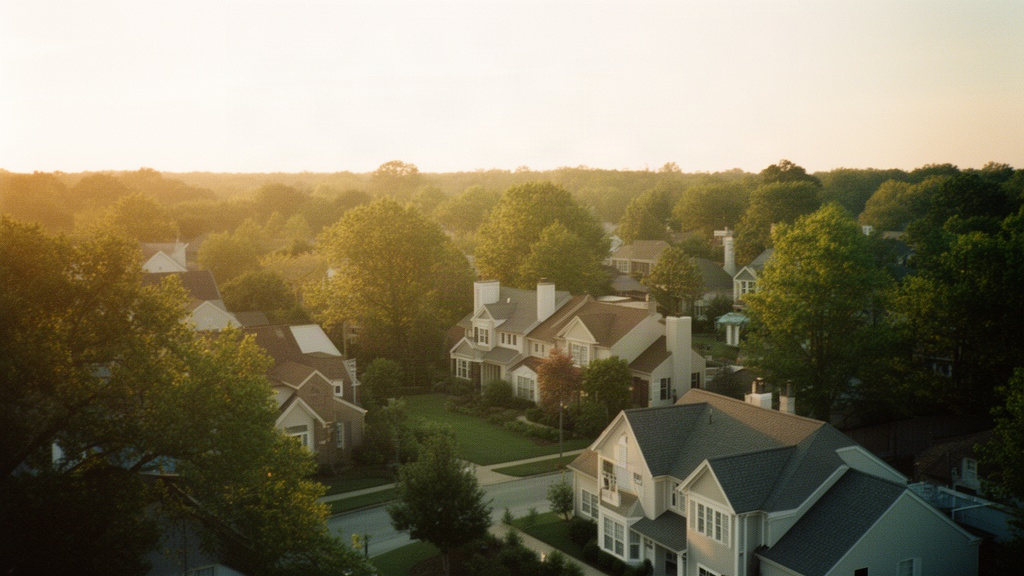
South Hills occupies the ridgelines and slopes south of downtown Charleston, primarily within the 25314 zip code. The neighborhood borders Kanawha City to the east and stretches toward Loudendale and the South Ruffner Road corridor to the west. Most of the residential streets run along or off MacCorkle Avenue SW and the South Hills connector roads that climb up from the valley floor.
The 25314 zip code is one of the more densely residential zip codes in Kanawha County. For a detailed statistical breakdown of the area, NeighborhoodScout's South Hills profile provides housing density figures, owner-occupancy rates, and other data points worth reviewing before you start touring homes.
The Physical Character of the Area
Topography shapes everything about South Hills real estate. Lots tend to be sloped, and many homes are built into hillsides with walkout lower levels or split-level entries. Streets like Kanawha Terrace, Roxalana Road, and the Edgewood Drive corridor wind through the ridges. The elevation means South Hills sits above the Kanawha River's flood plain, which is a meaningful practical consideration for buyers who want to avoid flood insurance requirements. If flood zone questions matter to you, the article on flood zone considerations when buying near the Kanawha River covers that topic in detail.
2. South Hills Home Prices and Market Conditions Right Now
In September 2026, South Hills is one of the higher-priced residential pockets within Charleston proper. Median sale prices for single-family homes in the 25314 zip code are currently running in the $230,000 to $310,000 range depending on square footage, condition, and exact street location, with renovated or larger homes on the ridge lines pushing above $350,000. Entry-level properties, including smaller ranches and dated split-levels, can still be found in the $160,000 to $200,000 range.
What Homes Are Selling For in September 2026
Homes in South Hills that are priced correctly and in move-in condition are moving in roughly 30 to 50 days on average this fall. Properties that need significant updating or that are priced above recent comparable sales are sitting longer, sometimes 60 to 90 days or more. The gap between list price and final sale price has been narrowing compared to 2025, meaning sellers who overprice are seeing more price reductions before closing. For a broader look at days-on-market trends across Charleston this fall, see the article on how long homes are sitting on the market in Charleston this fall.
Price per square foot in South Hills currently ranges from roughly $95 to $140 per square foot for typical single-family homes, with the upper end reserved for fully updated properties with modern kitchens, bathrooms, and mechanicals. Homes with original 1960s or 1970s interiors tend to land closer to the $95 to $110 range, which leaves room for buyers willing to renovate.
How South Hills Compares to the Broader Charleston Market
Charleston-wide, the median home price is currently around $155,000 to $175,000, which reflects the city's wide range of housing stock including older urban neighborhoods, rural-adjacent areas, and suburban corridors. South Hills prices sit meaningfully above that citywide median, driven by the concentration of larger post-war homes, higher owner-occupancy rates, and the area's proximity to MacCorkle Avenue retail and the South Hills Village commercial district. For broader context on the Charleston market, the Charleston, West Virginia real estate market guide covers the city as a whole.
West Virginia as a state has seen steady price appreciation over the past several years, and South Hills has tracked that trend. For statewide context, the West Virginia housing market analysis from KLM Properties outlines the investment and pricing trends shaping the broader state market, which helps explain why even secondary markets like Charleston have held value.
3. Housing Stock: What You Will Actually Find for Sale
South Hills is dominated by single-family homes built between the late 1940s and the early 1990s. That era of construction means buyers will encounter a specific set of architectural styles, lot configurations, and mechanical systems that differ from newer suburban developments elsewhere in Kanawha County. Knowing what to expect before you tour saves time and shapes your inspection checklist.
Architectural Styles and Lot Sizes
The most common home styles in South Hills are ranch, split-level, and two-story colonial. Ranch homes from the 1950s and 1960s typically run 1,000 to 1,600 square feet on a single floor, often with a full unfinished basement that adds potential living space. Split-levels, which became common in the 1960s and 1970s, take advantage of the sloped terrain and often feature three or four distinct floor levels connected by short staircases.
Lot sizes in South Hills vary considerably by street. Flatter lots near the top of the ridges tend to be more generous, sometimes a quarter-acre or larger with room for a detached garage. Hillside lots can be narrower and steeper, with retaining walls and terraced yards. Homes on the valley-facing slopes often have significant rear-yard drop-offs, which affects usability but also produces notable views of the surrounding hills.
Brick exteriors are common throughout the area, particularly on homes built before 1975. Brick construction holds up well in the Kanawha Valley's humid climate and generally means lower exterior maintenance costs for buyers. Homes with wood siding or older aluminum siding will need more scrutiny during inspection. Attached one-car and two-car garages are standard on homes built after the mid-1960s; older ranches sometimes have detached garages or carports.
Condos, Townhomes, and Other Options
South Hills is primarily a single-family neighborhood, but a small number of condo and townhome units exist within the broader 25314 area. These are typically smaller in square footage and priced below the single-family median, often in the $120,000 to $175,000 range. Inventory in this segment is limited and turns over infrequently, so buyers specifically seeking a low-maintenance attached property may face a longer search timeline.
New construction is not a significant feature of the South Hills market itself. Most buildable lots within the neighborhood were developed decades ago, so buyers looking for new builds will need to look at areas outside South Hills proper. The article on new construction neighborhoods and developments around Charleston covers where those options currently exist.
4. Commute, Amenities, and Everyday Logistics
Location within Charleston is a major driver of South Hills home values, and the commute picture is one of the clearest reasons. Buyers relocating from other markets often underestimate how compact the Charleston metro is, which makes South Hills feel both suburban in character and genuinely close to downtown employment and services.
Getting to Downtown and Major Employers
From most South Hills addresses, the drive to downtown Charleston via MacCorkle Avenue SW or the South Hills Connector runs approximately 10 to 20 minutes depending on the specific street and time of day. Morning rush hour on MacCorkle Avenue can add 5 to 10 minutes, but the distances involved are short: most South Hills homes are within 4 to 7 miles of the State Capitol complex and the downtown medical corridor anchored by CAMC General Hospital.
Charleston Area Medical Center, which is one of the largest employers in the region, has campuses that South Hills residents can reach in under 15 minutes from most streets. West Virginia University Medicine Charleston, located near the Capitol Street corridor, is similarly accessible. For state government employees, the Capitol complex on Kanawha Boulevard is a straight shot down MacCorkle Avenue.
Shopping, Dining, and Services Within Reach
South Hills Village, the strip shopping center anchored by major grocery and retail tenants along MacCorkle Avenue SW, is the primary commercial hub for the neighborhood. Grocery, pharmacy, banking, and a range of restaurants are concentrated within a half-mile stretch that most South Hills residents can reach in under 10 minutes by car. The Kroger on MacCorkle is the most-used grocery option for the area.
For larger retail needs, the Southridge Centre mall and its surrounding big-box corridor are located about 8 to 10 miles southwest of South Hills along the US-119 corridor. That drive takes roughly 15 to 20 minutes from most South Hills addresses. Kanawha City, which borders South Hills to the east, adds another layer of restaurants, specialty shops, and services accessible in 5 to 10 minutes.
Outdoor access is built into the South Hills geography. The South Hills Trail system, a multi-use network of hiking and mountain biking trails, runs through the wooded ridges behind many of the neighborhood's streets. Trailheads are accessible from several residential streets, which means residents can walk from their front door to forested trails without driving. Coonskin Park, a Kanawha County park with a golf course, swimming pool, and picnic facilities, is located on the north side of the South Hills ridge and is reachable in about 10 minutes.
5. Timing the South Hills Market: When to Buy or Sell
Timing matters in any market, and South Hills has its own seasonal rhythm that buyers and sellers should understand before making a move. Because the neighborhood skews toward owner-occupants rather than investors, listing activity and buyer demand both follow a relatively predictable annual pattern tied to the school calendar and the broader spring-to-fall real estate cycle.
Seasonal Patterns Specific to South Hills
The South Hills market sees its highest listing volume between April and July, when sellers list ahead of summer and buyers are actively searching before the fall. September, where we are right now in 2026, sits at the tail end of the active season. Inventory has been thinning since August, which creates a somewhat compressed selection for buyers but also means less competition from other offers on any given property. Sellers who list in September are typically motivated, which can create negotiating room that did not exist in May or June.
November through February is the quietest period in South Hills, with fewer listings and fewer active buyers. Properties that do come to market in winter are sometimes priced more aggressively because sellers know buyer pool is smaller. For buyers with flexibility, that window can produce value. For sellers, listing in winter typically means a longer time on market unless the home is priced sharply.
What Buyers and Sellers Should Watch Right Now
For sellers in South Hills right now in September 2026, the window to catch late-season buyers is still open but closing. Homes priced at or slightly below recent comparable sales are still moving in a reasonable timeframe. Overpriced listings are sitting, and the fall slowdown will make them harder to move as October and November arrive. The article on whether to sell in fall 2026 or wait until spring 2027 walks through that decision in detail.
For buyers, the current moment offers a useful combination of reduced competition and motivated sellers. Mortgage rates remain a key variable: buyers who are rate-sensitive should work with a lender to model payment scenarios at current rates before assuming they need to wait for a rate drop. In a market like South Hills where inventory is limited, waiting for a rate improvement while prices hold steady or inch upward can cost more than acting now.
Closing costs are another factor buyers in South Hills need to budget for carefully. On a $260,000 purchase, total closing costs in West Virginia typically run $4,000 to $7,000 depending on lender fees, title charges, and prepaid items. The article on closing costs when buying a house in Charleston WV breaks down each line item so there are no surprises at the closing table.
FAQ
What is the typical price range for homes in the South Hills area of Charleston, WV right now?
In September 2026, most single-family homes in South Hills are selling in the $160,000 to $350,000 range, with the median for move-in-ready properties landing roughly between $230,000 and $310,000. Entry-level ranches and dated split-levels in need of updating can be found below $200,000, while renovated or larger homes on the ridge lines push above $350,000. Price per square foot currently runs from about $95 to $140 depending on condition and location within the neighborhood. These figures reflect the 25314 zip code, which consistently prices above the Charleston citywide median.
Is South Hills above the Kanawha River flood plain?
Yes, South Hills sits on elevated ridgelines and slopes above the Kanawha Valley floor, which places the vast majority of residential properties outside the primary flood zones associated with the Kanawha River. This is a meaningful distinction for buyers who want to avoid mandatory flood insurance requirements, which can add hundreds of dollars per year to housing costs. That said, individual properties should always be verified against current FEMA flood maps, and a local agent can pull the specific flood zone designation for any address you are considering. Low-lying streets at the base of the South Hills ridge, closer to MacCorkle Avenue, warrant closer review.
How long does it typically take to sell a home in South Hills compared to the rest of Charleston?
In September 2026, correctly priced and well-maintained homes in South Hills are generally going under contract within 30 to 50 days, which is broadly in line with the Charleston market overall for comparable price points. Homes that are priced above recent comparable sales or that need significant work are sitting longer, sometimes 60 to 90 days or more before a price adjustment generates activity. South Hills tends to have a more stable buyer pool than some other Charleston zip codes because the neighborhood draws owner-occupants rather than investors, which means demand is consistent but not as intense as it would be in a lower price tier with more first-time buyer activity. Working with an agent who knows the 25314 submarket specifically helps sellers set a price that attracts offers without leaving money on the table.