← Back to Blog
Buying
Buying a Home in Westlake Hills Austin: Process, Costs, Timeline
By Dana Epstein
The Boutique Real Estate, eXp Realty · DRE# 634135
September 2, 2026 · 11 min read
Buying a home in Westlake Hills Austin is one of the most significant financial decisions you will make, and the process here moves differently than in other parts of the city. This guide walks through every step, from your first lender call to closing day, with the actual costs, realistic timelines, and Westlake Hills market details you need to plan confidently.
1. What Makes Westlake Hills Different From the Rest of Austin
Westlake Hills is its own incorporated city, not an Austin neighborhood. It sits within Travis County, directly west of downtown Austin, and is governed separately from the City of Austin. That distinction matters when you are buying a home here because property taxes, utility providers, and permitting processes can differ from what you may have encountered elsewhere in the metro.
The Housing Stock
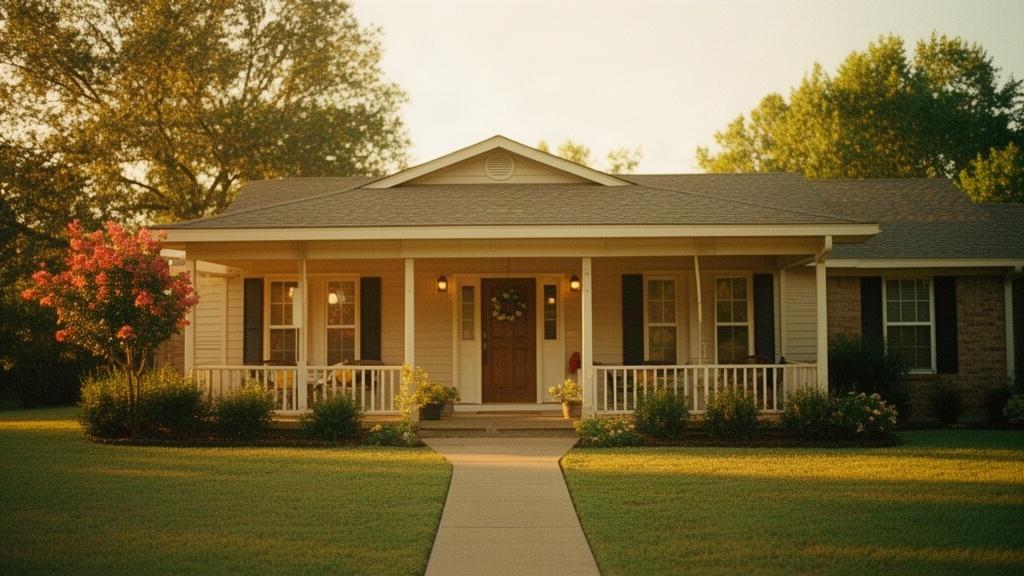
Homes in Westlake Hills range from mid-century ranches built in the 1960s and 1970s to custom-built modern estates constructed within the last five years. The terrain is hilly and heavily wooded, which means many lots are irregular in shape and homes are often positioned to take advantage of canyon or Hill Country views. You will find single-story limestone ranches alongside two-story contemporary builds with floor-to-ceiling glass, sometimes on the same street. Lot sizes typically run from a quarter acre up to two acres or more, and the tree canopy of live oaks and cedar elms gives the area a distinctly different feel from the flatter, denser parts of Austin.
Price Range and Lot Sizes
As of September 2026, median home prices in Westlake Hills sit in the range of $1.8 million to $2.4 million, with entry-level homes (typically older ranches needing updates) starting around $1.1 million and fully renovated or new custom builds regularly trading above $4 million. The price per square foot for move-in-ready homes generally falls between $550 and $900, depending on finishes, views, and lot configuration. These figures reflect a market that has remained resilient even as broader Austin inventory has grown. For broader context on how Austin's overall market has shifted, see our Austin TX Real Estate Market Guide.
Location and Commute Context
Westlake Hills sits roughly four to seven miles from downtown Austin, depending on which part of the city you are heading to. Loop 360 (Capital of Texas Highway) runs along its eastern edge and connects directly to MoPac (Loop 1) and Highway 71. During peak morning hours, the drive from Westlake Hills to downtown Austin typically takes 20 to 35 minutes. Bee Cave Road and Westlake Drive are the primary surface streets through the area. The Barton Creek Greenbelt trailheads at Spyglass and Loop 360 are within a few minutes of most addresses, and the Barton Creek Mall sits about ten minutes east on Loop 360.
2. The Step-by-Step Buying Process in Westlake Hills Austin
Buying a home in Westlake Hills Austin follows the same legal framework as any Texas real estate transaction, but the price points and competitive dynamics at this level of the market require a more deliberate approach at each step.
Step 1: Get Pre-Approved
A pre-approval letter is required before most Westlake Hills sellers will accept a showing request on a serious listing. At these price points, many sellers also want to see proof of funds if you are paying cash, or a full underwriting pre-approval (not just a pre-qualification) if you are financing. Jumbo loans, which are required for loan amounts above the current conforming loan limit of $806,500, carry different documentation and reserve requirements than conventional loans. Work with a lender who has recent experience closing jumbo transactions in Travis County. Budget two to five business days for the pre-approval process if your financial documents are organized.
Step 2: Define Your Search Criteria
Westlake Hills is a relatively small city, covering about 3.4 square miles, so your search criteria will be more granular than in a larger Austin submarket. Buyers here typically filter by view corridor (canyon views vs. flat lots), pool vs. no pool, single-story vs. two-story, and proximity to Bee Cave Road or Loop 360. Because the terrain varies so much, two homes priced identically can feel completely different in terms of usable yard space, privacy, and natural light. Be specific about what matters most to you before you start touring, because inventory at any given price point in Westlake Hills is limited.
Step 3: Tour Homes and Make an Offer
Texas uses the TREC One to Four Family Residential Contract as the standard purchase agreement. Your offer will specify the purchase price, earnest money deposit, option fee, option period length, financing terms, and closing date. In Westlake Hills, earnest money deposits are commonly one to two percent of the purchase price, meaning $15,000 to $40,000 on a typical transaction. The option fee is a separate, smaller amount (usually $500 to $2,500) that buys you the unrestricted right to terminate during the option period. Both amounts are negotiated and written into the contract.
Step 4: Option Period and Inspections
The option period is one of the most buyer-friendly features of Texas real estate law. During this window, typically seven to ten days in Westlake Hills transactions, you can hire inspectors, review their findings, and terminate the contract for any reason, forfeiting only the option fee. Given the age range of homes here, a general home inspection ($500 to $800) is standard, but you should also budget for a foundation inspection ($300 to $500), a pool inspection if applicable ($200 to $350), a septic inspection if the property is not on city sewer ($300 to $500), and possibly a structural engineer review if the inspector flags anything on the hillside foundation. Older homes on steep lots sometimes show differential settling that warrants a closer look.
Step 5: Appraisal and Loan Underwriting
If you are financing, your lender will order an appraisal after the option period closes. Jumbo loan appraisals in Westlake Hills can take ten to twenty business days, and finding comparable sales in a market with limited transaction volume is genuinely challenging for appraisers. Your agent should provide the appraiser with a solid comparable sales package to support the contract price. Underwriting typically runs concurrently and takes two to four weeks for a jumbo loan with a complete file. Any changes to your financial situation during this window, such as a new credit inquiry, a job change, or a large deposit, can delay or complicate the process.
Step 6: Final Walk-Through and Closing
Texas closings happen at a title company, not a law firm or courthouse. You will typically receive your Closing Disclosure at least three business days before closing, which details every line-item cost. The final walk-through happens the day before or the morning of closing to confirm the property is in the agreed-upon condition. Closing itself takes one to two hours. Keys are handed over once the deed records with Travis County, which usually happens the same day but can occasionally be the following business day depending on recording volume.
3. What It Actually Costs to Buy in Westlake Hills
The total cost of buying a home in Westlake Hills goes well beyond the purchase price. Buyers who plan only for the down payment are often surprised by the full stack of closing costs and first-year ownership expenses.
Purchase Price Ranges
Entry-level homes (older ranch-style, original finishes, may need updating): $1.1 million to $1.5 million. Renovated or move-in-ready mid-range homes: $1.6 million to $2.8 million. Custom builds, new construction, or homes with significant views and pools: $3 million to $6 million and above. Down payments on jumbo loans in Texas commonly range from 10 to 20 percent, meaning a buyer at $2 million is typically bringing $200,000 to $400,000 to the table before closing costs.
Closing Costs Breakdown
Buyer closing costs in Texas typically run two to three percent of the purchase price. On a $2 million home, that is $40,000 to $60,000 in closing costs before any prepaid items. The main components include title insurance (both the owner's policy and the lender's policy), the appraisal fee, origination and underwriting fees from your lender, prepaid homeowners insurance, property tax escrow, and recording fees. Texas does not have a mortgage recording tax, which saves buyers money compared to some other states. Title insurance in Texas is rate-regulated by the state, so the premium is the same regardless of which title company you use. For a detailed breakdown of how Texas closing costs are structured, the guide from Neuhaus Realty Group on closing in Texas is a useful reference.
Ongoing Ownership Costs
Property taxes in Westlake Hills are assessed by Travis County and are subject to the City of Westlake Hills tax rate, which is separate from the City of Austin rate. The combined effective rate for most Westlake Hills properties in 2026 runs approximately 1.7 to 2.0 percent of assessed value annually. On a $2 million assessed value, that is $34,000 to $40,000 per year in property taxes. Texas has no state income tax, which many buyers factor into their overall cost-of-living calculation. Homeowners insurance on a $2 million home typically runs $6,000 to $12,000 annually depending on the age of the home, roof condition, and whether you have a pool.
4. Realistic Timeline for Buying a Home in Westlake Hills Austin
From the day you start seriously searching to the day you get keys, buying a home in Westlake Hills Austin typically takes two to five months. The range is wide because it depends heavily on how quickly you find the right property, not on the contract and closing timeline, which is fairly predictable.
Pre-Search Phase
Getting pre-approved: two to five business days with an organized file. Connecting with an agent and defining your search criteria: one to two weeks. Setting up automated MLS alerts for Westlake Hills: same day. This phase can be compressed significantly if you are relocating under a deadline, but rushing the pre-approval process on a jumbo loan often creates problems later in underwriting.
Active Search Phase
In a city with roughly 1,500 total housing units, active inventory in Westlake Hills at any given time is limited, often fewer than 30 to 50 homes on the market simultaneously. That means some buyers find their home within a few weeks, while others wait two to three months for the right property to come available. Homes that are well-priced and move-in-ready still move within two to four weeks. Overpriced listings or those with deferred maintenance can sit for 60 to 90 days, which creates negotiating room.
Under Contract Through Closing
Once you are under contract, the timeline is more predictable. Option period: seven to ten days. Appraisal ordered and completed: ten to twenty business days. Underwriting cleared to close: two to four weeks from a complete loan file. Final walk-through and closing: one to two days before and on the closing date. Total time from executed contract to keys: 30 to 45 days for a conventional or jumbo financed purchase, or 14 to 21 days for a cash transaction. If you are relocating to Austin and need to coordinate a lease end or a sale in another market, the 30 to 45 day window is the number to plan around.
5. What the Westlake Hills Market Looks Like Right Now
As of September 2026, Westlake Hills sits in a more balanced market than the frenzied conditions of 2021 and 2022, but it has not softened to the degree that some other Austin submarkets have. Understanding the current dynamics directly shapes how you structure your offer.
Inventory and Days on Market
Across greater Austin, inventory has grown substantially since 2022, and price reductions have become more common as sellers recalibrate expectations. HousingWire has reported on how Austin's market has shifted toward longer days on market and more frequent price cuts, a trend that has touched Westlake Hills at the higher end of the price spectrum. Homes priced above $3.5 million are sitting longer, while properties in the $1.2 million to $2.2 million range continue to see steady demand and shorter market times.
Negotiating in a Balanced Market
A balanced market in Westlake Hills means buyers have more room to negotiate than they did two or three years ago, but well-priced homes still do not sit long enough for extended back-and-forth. Sellers are more open to contributing toward closing costs, accepting inspection repair requests, and extending the option period than they were at the peak of the market. Waiving the appraisal contingency is less common now than in 2021, and most buyers are including standard financing and inspection contingencies without penalty. That said, all-cash offers still carry meaningful weight, particularly on properties that have been on the market for 30 or more days.
New Construction vs. Resale
New construction in Westlake Hills is limited because the city is largely built out and lot availability is scarce. When new custom builds do come to market, they are typically the product of a teardown and rebuild on an existing lot, and they command a significant premium. Forbes has noted that Austin's luxury new-build market has grown bolder even as the broader market has balanced, and Westlake Hills is one of the submarkets where that dynamic is most visible. Buyers considering a teardown should budget six to eighteen months for the build process and factor in permitting timelines through the City of Westlake Hills, which has its own building department separate from the City of Austin.
If you are still forming your view of Austin as a whole before zeroing in on Westlake Hills, our overview of what living in Austin looks like across the metro covers the broader picture in detail.
FAQ
Do I need a jumbo loan to buy in Westlake Hills, and how is that different from a conventional loan?
In most cases, yes. The current conforming loan limit in 2026 is $806,500, and the vast majority of homes in Westlake Hills are priced well above that threshold. A jumbo loan covers the gap, but it comes with stricter qualification requirements: lenders typically want a credit score of 720 or higher, a debt-to-income ratio below 43 percent, and cash reserves of six to twelve months of mortgage payments in the bank after closing. The documentation requirements are more extensive than a conventional loan, and underwriting takes longer. Work with a lender who closes jumbo transactions regularly in Travis County, because the appraisal process for high-value properties in a limited-inventory market requires a lender who understands how to handle it.
How do property taxes work in Westlake Hills, and are they higher than in the City of Austin?
Westlake Hills properties are subject to Travis County taxes plus the City of Westlake Hills municipal rate, rather than the City of Austin rate. The combined effective rate in 2026 for most Westlake Hills addresses runs approximately 1.7 to 2.0 percent of assessed value annually, which is generally comparable to or slightly lower than many City of Austin addresses once all applicable taxing entities are added up. Texas does not cap assessed value increases for non-homesteaded properties in the year of purchase, so your first full tax bill after buying will be based on the purchase price or the appraisal district's assessed value, whichever they determine. Filing for a homestead exemption after January 1 of the year following your purchase is one of the most important steps you can take to cap future increases.
What should I know about the schools near Westlake Hills before I buy?
Westlake Hills is served by Eanes Independent School District, which is a separate district from Austin ISD. School attendance zones, enrollment policies, and any magnet or special program options are best researched directly through the Eanes ISD website and the Texas Education Agency's public data portal, which publishes objective performance data for every district in the state. Because school district boundaries and attendance zones can change, confirm your specific address assignment with the district before making a purchase decision. This is a personal research step that every buyer with school-age children should complete independently, using the district's own tools.