← Back to Blog
Neighborhoods
What Does the Area Around Old Town Lompoc Look Like and What Is It Like to Live Near There
By Daniel Escobar
My Clear Path Homes Loans · DRE# 1468384
September 26, 2026 · 10 min read
Old Town Lompoc sits at the heart of a city that often surprises people who have never visited. The streets are walkable, the architecture is older and more varied than most of the surrounding Santa Barbara County, and the housing within a few blocks of the historic core is genuinely distinct from the newer subdivisions on Lompoc's edges. If you are asking what the area around Old Town Lompoc looks like and what it is like to live near there, this guide covers the physical landscape, the housing stock, price ranges, commute realities, nearby parks and amenities, and what day-to-day life actually feels like on those blocks.
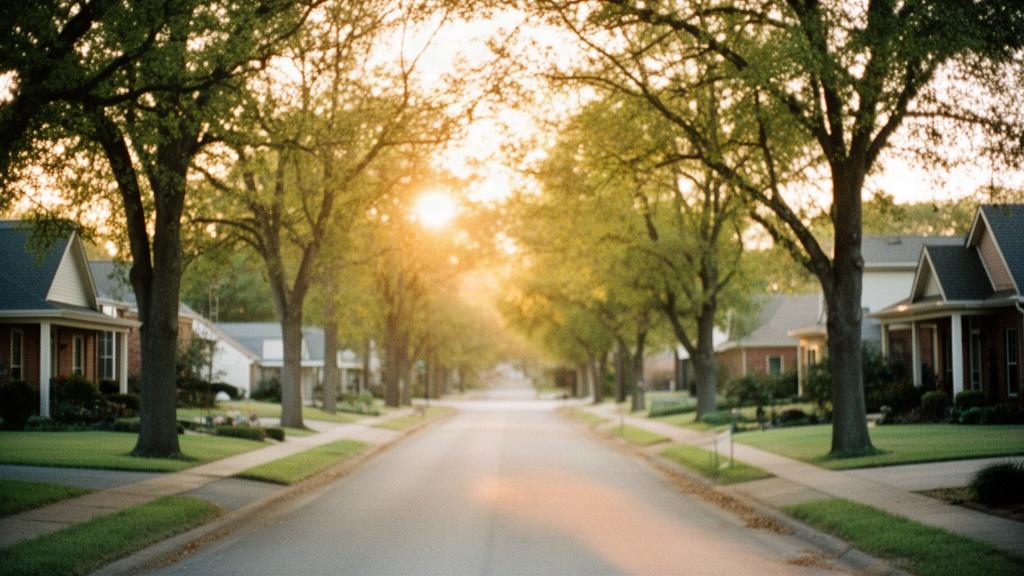
1. The Physical Layout of Old Town Lompoc and Its Surrounding Streets
Old Town Lompoc occupies a compact, walkable core near the intersection of Ocean Avenue and H Street. The streets follow a straightforward grid pattern, with blocks that are short enough to cover on foot without much effort. Most of the activity is concentrated along H Street and Ocean Avenue, where you find the city's older commercial buildings, murals, and a handful of locally owned businesses.
The Street Grid and Scale
The blocks radiating outward from the Old Town core are relatively flat, which makes walking and cycling practical. Within about four to six blocks of the historic center, the streets transition from the commercial strip into residential neighborhoods with mature trees lining the sidewalks. Lots in this zone tend to be smaller than what you find in Lompoc's newer tracts, typically running from 5,000 to 7,500 square feet, which gives the area a denser, more urban feel compared to subdivisions north of Central Avenue or out toward Vandenberg Village.
Architecture and Building Ages
The architecture near Old Town Lompoc reflects the city's development history from the early 1900s through the mid-century boom. You will find Craftsman bungalows, Spanish Colonial Revival cottages, and modest ranch-style homes sitting on the same block. Many of these homes were built between the 1920s and the 1960s, giving the area a character that newer parts of Lompoc simply do not have. Some properties have been updated with modern kitchens and bathrooms while keeping original details like hardwood floors, wood-framed windows, and covered front porches.
Lompoc's mural tradition is especially visible near Old Town. The city has over 70 outdoor murals, many of them concentrated within walking distance of the historic commercial district. These large-scale paintings cover building exteriors along H Street and the surrounding blocks, depicting scenes of local history, the flower seed industry that once made Lompoc internationally known, and the Chumash heritage of the region. For anyone considering living near Old Town Lompoc, these murals are a constant and distinctive part of the visual environment.
2. Housing Stock Near Old Town Lompoc: What You Will Actually Find
The housing near Old Town Lompoc skews older and more varied than anywhere else in the city. Buyers who want a home with some history, a covered porch, or original hardwood floors tend to focus their search in this part of Lompoc. The trade-off is that some of these homes need updating, and buyers should budget for deferred maintenance on roofs, plumbing, and electrical systems that may not have been touched in decades.
Single-Family Homes Close to the Core
Most of the residential inventory within a quarter-mile of Old Town Lompoc consists of single-family detached homes ranging from roughly 900 to 1,800 square feet. Two- and three-bedroom floor plans are most common. You will also find a smaller number of duplexes and multi-unit properties scattered through this zone, which makes the area of interest to buyers who want to house-hack or generate rental income. Garages on these older lots are often detached and accessed from an alley behind the home, a layout that is uncommon in Lompoc's newer subdivisions.
Condominiums and townhomes are less prevalent near Old Town than in some other parts of Lompoc. Buyers looking for attached housing near the historic core will find fewer options here than they would in areas closer to Highway 1 or near the commercial corridors on North H Street. That said, the single-family inventory in this zone does turn over, and patient buyers who are watching the market regularly will find opportunities.
Price Ranges as of September 2026
Homes near Old Town Lompoc currently list and sell at a range that reflects both the age of the housing stock and Lompoc's broader market position within Santa Barbara County. Entry-level homes in this zone, meaning smaller cottages or properties needing significant work, have been trading in the low-to-mid $400,000s in September 2026. Updated three-bedroom homes in good condition closer to the $500,000 to $580,000 range are also active in this part of the city. Lompoc as a whole remains significantly more affordable than Santa Barbara, which sits roughly 60 miles to the southeast, and that price gap continues to draw buyers who work along the Highway 101 corridor or at Vandenberg Space Force Base.
SFGate noted Lompoc's value relative to the broader Central Coast market, describing it as still a genuinely good deal compared to neighboring cities. That characterization still holds in September 2026. Buyers relocating from the Bay Area or Los Angeles often find that their budget goes considerably further here than anywhere else in Santa Barbara County.
If you want a fuller picture of what Lompoc's broader market looks like right now, the Lompoc real estate market guide on this site covers pricing trends, inventory levels, and timing across the whole city.
3. Parks, Green Space, and Outdoor Life Near Old Town Lompoc
The area around Old Town Lompoc has more accessible green space than many people expect for a city of its size. Lompoc's parks system includes facilities within easy walking or short driving distance of the historic core, and the Santa Ynez River runs along the city's southern edge, adding a natural corridor that connects the urban core to open land.
Lompoc Civic Center Park and the Murals District
Civic Center Park sits adjacent to the city's government buildings near H Street and is one of the most used green spaces close to Old Town. It includes open lawn, mature shade trees, and seating areas. The park is within walking distance of the mural district, so it is common to see residents walking routes that combine both. The Lompoc Veterans Memorial Building is also in this zone, and the area hosts community events throughout the year, including the Lompoc Flower Festival, which draws visitors from across the region each spring.
River Park and the Santa Ynez River Access
Riverbend Park lies along the Santa Ynez River and is accessible within a short drive from Old Town Lompoc, roughly two miles south of the historic core. The park includes picnic facilities, open fields, and river access points. The Santa Ynez River trail system connects this area to additional open space heading west toward the coast. Lompoc sits only about 15 miles from Point Conception and the Pacific Ocean, so residents near Old Town have relatively quick access to coastal areas including Surf Beach and Point Sal State Beach.
Beattie Park, located on the north side of the city near North H Street, is another frequently used facility with baseball diamonds, a pool, and recreation fields. It is roughly a mile and a half from the Old Town core, an easy bike ride on flat streets. Ryon Memorial Park, also on the north end of town, includes a duck pond, picnic shelters, and walking paths. Residents living near Old Town often drive or cycle to these parks rather than walking, since they are a bit further out, but the distances are short by any standard.
4. Daily Errands, Dining, and Commute Realities
Living near Old Town Lompoc means your daily errands are more walkable than in most other parts of the city. The trade-off is that Lompoc's overall retail and dining scene is smaller than what you find in Santa Barbara or San Luis Obispo, so residents who want a wider range of restaurants or specialty grocery stores will make occasional trips out of town.
Walkability and Local Businesses
H Street through the Old Town corridor has a mix of locally owned restaurants, a bakery, coffee spots, and small retail. The Lompoc Public Library is within easy walking distance of the historic core on North H Street. Grocery options within a short drive include a Vons and a Food 4 Less, both of which are accessible in under ten minutes from the Old Town area. For larger shopping trips, the Lompoc Town Center on North H Street has a Target and several chain retailers, roughly two miles from the historic district.
The Old Town area also benefits from proximity to the Lompoc Valley Medical Center, which sits on East Ocean Avenue roughly a mile from the historic core. Having a hospital this close is a practical consideration that buyers in this part of the city often mention. Dental and medical offices are also clustered along the Ocean Avenue corridor, making routine healthcare appointments straightforward.
Commute Times to Key Employment Centers
Vandenberg Space Force Base is the largest single employer in the Lompoc area, and the main gate sits roughly five to seven miles from Old Town, a commute of about 12 to 18 minutes depending on traffic and which gate you use. For workers commuting to Santa Barbara, the drive south on Highway 1 and then onto Highway 101 takes approximately 55 to 70 minutes under normal conditions, covering roughly 60 miles. San Luis Obispo is about 55 miles to the north and takes roughly 50 to 65 minutes via Highway 1 or 101. These commute times are a real factor for buyers choosing between Lompoc and other Central Coast cities, and the price difference often justifies the drive for buyers who work remotely part of the week.
Buellton and Solvang are about 20 to 25 miles east of Lompoc via Highway 246, a roughly 25 to 35 minute drive. Some Lompoc residents commute to employers in the Santa Ynez Valley, including wine industry operations and tourism-related businesses along that corridor. The Highway 246 route is two lanes through a scenic canyon, so travel times can vary with traffic, especially on weekends when wine country tourism peaks.
5. What the Real Estate Market Near Old Town Lompoc Looks Like Right Now
The market near Old Town Lompoc in September 2026 reflects the same dynamics playing out across the broader city: limited inventory, steady buyer demand, and prices that have held up well compared to the correction seen in some larger California markets. Homes in the Old Town zone that are priced accurately and in reasonable condition are not sitting long. Overpriced listings or properties with deferred maintenance do linger, which creates occasional opportunity for buyers who are willing to negotiate.
Buyer Demand and Inventory
Inventory near Old Town Lompoc tends to be thin at any given time because the housing stock is older and many owners have lived in these homes for decades. Turnover is slower here than in newer subdivisions where residents move more frequently. That means buyers interested in this specific area of Lompoc need to be watching the market consistently and ready to act when something comes up. Working with an agent who knows which blocks are most in demand and what condition issues are common in homes of this era is genuinely useful.
You can track current Lompoc market data through resources like NeighborhoodScout's Lompoc real estate appreciation data, which breaks down historical price trends and gives buyers a longer-term view of how values in the city have moved.
How This Area Compares to Newer Lompoc Subdivisions
Newer subdivisions in Lompoc, particularly those built in the 1980s through 2000s in areas like Vandenberg Village and the tracts north of Central Avenue, offer larger homes on bigger lots with more standardized floor plans and newer mechanical systems. The trade-off is that those areas lack the walkability, architectural character, and proximity to the city's cultural and civic core that the Old Town zone provides. Buyers who want a newer home with a two-car attached garage and a larger yard will likely look north of town. Buyers who want to walk to a coffee shop, see a mural from their front porch, or be close to the library and civic events tend to find the Old Town area more compelling.
If you are weighing whether now is the right time to buy in Lompoc, the fall 2026 market timing guide on this site walks through the current conditions and what buyers should consider before making a move.
Understanding property tax implications is also important when buying near Old Town, since older assessed values can vary significantly from home to home. The guide to property taxes on Lompoc homes explains how Proposition 13 affects what you will actually owe after purchase.
FAQ
What does the area around Old Town Lompoc look like compared to the rest of the city?
The area around Old Town Lompoc is the most historically dense part of the city, with a tight street grid, mature trees, and homes built primarily between the 1920s and 1960s. Architectural styles include Craftsman bungalows, Spanish Colonial Revival cottages, and mid-century ranch homes, often on lots of 5,000 to 7,500 square feet. The mural district runs through this zone, with over 70 large-scale outdoor paintings visible on building exteriors along H Street and nearby blocks. This contrasts with the newer subdivisions on Lompoc's north and east sides, which feature larger lots, more standardized tract homes, and attached garages but less walkability and visual character.
What are home prices like near Old Town Lompoc in September 2026?
In September 2026, homes near Old Town Lompoc range from the low-to-mid $400,000s for smaller or dated properties up to the $500,000 to $580,000 range for updated three-bedroom homes in good condition. Lompoc remains one of the most affordable cities in Santa Barbara County, with prices significantly below Santa Barbara, which sits about 60 miles southeast. Buyers relocating from more expensive California markets often find that their budget stretches considerably further here. Exact prices vary based on lot size, condition, and how recently a home has been updated, so working with a local agent who tracks this specific part of the market is important.
How far is Old Town Lompoc from Vandenberg Space Force Base and Santa Barbara?
The main gate at Vandenberg Space Force Base is roughly five to seven miles from Old Town Lompoc, a commute of about 12 to 18 minutes under normal traffic conditions. Santa Barbara is approximately 60 miles to the southeast via Highway 1 connecting to Highway 101, which takes roughly 55 to 70 minutes depending on traffic. San Luis Obispo is about 55 miles to the north and takes 50 to 65 minutes. These commute distances make Lompoc a practical base for workers at Vandenberg and a longer but manageable commute for those employed along the Highway 101 corridor, particularly for buyers who work remotely part of the week.