
← Back to Blog
Market Trends
Hyde Park, Tampa, FL Real Estate Market Guide: Prices, Neighborhoods and Timing
By Daniel Perez
Tampa Bay Luxury Group
September 20, 2026 · 11 min read
Hyde Park is one of Tampa's most established urban neighborhoods, sitting just west of downtown along Bayshore Boulevard and the Hillsborough River. This Hyde Park, Tampa, FL real estate market guide covers current prices, what the housing stock actually looks like street by street, and how to think about timing whether you are buying, selling, or relocating to the area in 2026.
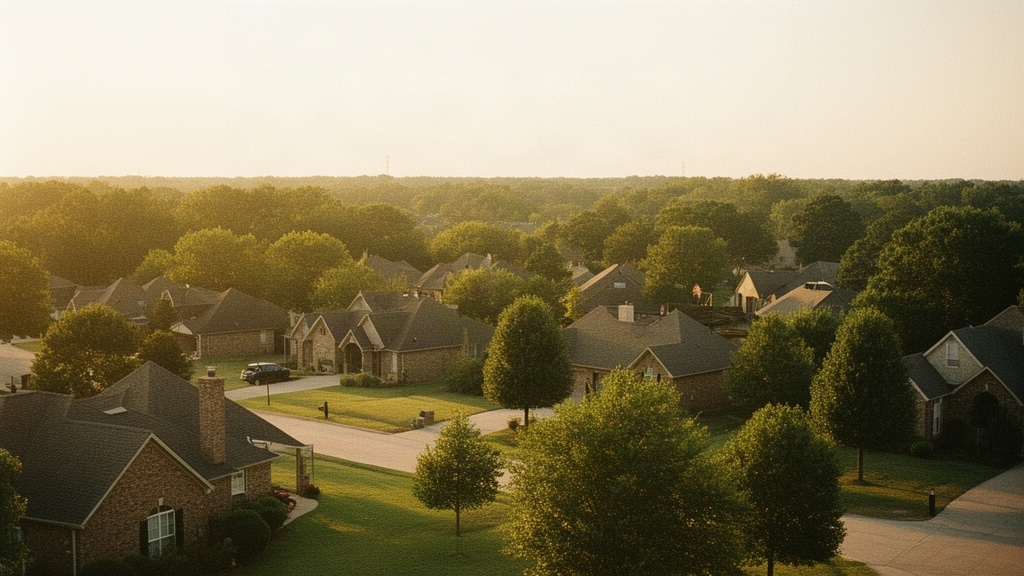
1. What Hyde Park Actually Looks Like as a Neighborhood
Hyde Park sits on the west bank of the Hillsborough River, directly across from downtown Tampa. Its northern edge brushes Kennedy Boulevard, its southern boundary runs along Gandy Boulevard, and Bayshore Boulevard forms its eastern spine. The neighborhood is roughly two miles from the Tampa Riverwalk and about a ten-minute drive to Tampa International Airport via the Crosstown Expressway.
Geography and Boundaries
The broader Hyde Park area is not a single block but a collection of distinct pockets. Hyde Park Village, the retail and dining hub centered on Snow Avenue and Swan Avenue, anchors the neighborhood commercially. Streets like Swann Avenue, Morrison Avenue, and Platt Street carry the bulk of the foot traffic. Bayshore Boulevard, which stretches 4.5 miles along Tampa Bay, runs along the eastern edge and is one of the longest continuous sidewalks in the United States.
Housing Stock and Architecture
The housing stock in Hyde Park is genuinely varied, which is part of what makes it interesting to buyers. You will find Craftsman bungalows built in the 1910s and 1920s sitting next to Mediterranean Revival homes from the 1930s, Tudor cottages, and a growing number of newer townhomes and luxury condos constructed in the past decade. Lot sizes typically run from 5,000 to 9,000 square feet on the interior streets, while the larger estate lots along Bayshore can exceed half an acre. Many of the older homes have been fully renovated while retaining their original character, which drives prices up but also means buyers get updated systems inside period-correct exteriors.
Walkability and Daily Amenities
Hyde Park Village offers a concentrated mix of restaurants, boutiques, a Trader Joe's, a West Elm, and multiple coffee shops all within a few walkable blocks. Plant Park, located at the University of Tampa's campus on the river, is a short walk from many Hyde Park streets. Curtis Hixon Waterfront Park is accessible via the Bayshore sidewalk or a short drive across the river. The neighborhood scores well on walkability metrics for Tampa, though most residents still own at least one vehicle for longer trips.
2. Hyde Park Home Prices in September 2026
Home prices in Hyde Park currently sit at a meaningful premium over the broader Tampa metro, reflecting the neighborhood's location, lot sizes, and architectural inventory. Depending on the sub-area and property type, buyers should expect to budget anywhere from the mid-$600,000s for a smaller renovated bungalow to well over $3 million for a larger Bayshore-adjacent estate. The range is wide, and understanding which pocket you are shopping in matters enormously for setting realistic expectations.
Median and Average Sale Prices
As of September 2026, the median sale price for single-family homes in the Hyde Park zip codes (primarily 33606) is tracking near $950,000, with the average sale price closer to $1.2 million, pulled upward by the larger Bayshore-area estates. Townhomes and attached villas in the Hyde Park Village core are trading in the $550,000 to $800,000 range depending on square footage and finish level. Condos in the newer mid-rise buildings along Bayshore Boulevard start around $500,000 for one-bedroom units and reach $1.5 million or more for penthouse-level residences with unobstructed bay views.
Price Per Square Foot Breakdown
Price per square foot is one of the clearest ways to compare properties across Hyde Park's varied housing types. Renovated historic bungalows on interior streets are closing in the $450 to $600 per square foot range. Newer construction townhomes and luxury condos are landing between $500 and $750 per square foot. The Bayshore Boulevard corridor, where views and lot depth command the highest premiums, has seen transactions above $900 per square foot on fully updated estate homes. These numbers have held relatively steady compared to September 2025, with modest appreciation of roughly 3 to 5 percent year over year rather than the sharper swings seen in 2022 and 2023.
How Hyde Park Compares to Broader South Tampa
Hyde Park sits at the higher end of the South Tampa price spectrum. Neighboring areas like Palma Ceia and Sunset Park also carry strong price points, but Hyde Park's walkability to Hyde Park Village and its proximity to Bayshore give it a specific draw that keeps demand consistent. For a broader look at how South Tampa prices are moving right now, see the detailed breakdown in this September 2026 South Tampa home price update.
3. The Sub-Neighborhoods Inside Hyde Park
"Hyde Park" is used loosely by locals and agents to describe several distinct pockets, each with its own character and price range. Knowing the differences between these areas helps buyers understand why two homes listed at similar prices can feel completely different in terms of what surrounds them.
Hyde Park Village and the Core
The blocks immediately surrounding Hyde Park Village, roughly bounded by Swann Avenue to the north, Rome Avenue to the west, Platt Street to the south, and the river to the east, represent the most walkable and commercially active part of the neighborhood. Homes here tend to be smaller in footprint, often 1,200 to 2,200 square feet, but they sit within a short walk of restaurants, bars, and shops. Prices for renovated bungalows in this core zone typically start in the high $600,000s and climb past $1 million for larger lots with updated kitchens and primary suites.
Bayshore Beautiful
Bayshore Beautiful is the stretch of residential streets running parallel to and just west of Bayshore Boulevard, from roughly Gandy Boulevard north to Bay to Bay Boulevard. Homes here are generally larger, with many properties sitting on lots of 8,000 to 12,000 square feet. The architecture skews toward Mediterranean and Colonial Revival styles from the 1930s through the 1950s, with a steady stream of new custom builds replacing older teardowns. Prices range from approximately $900,000 for a modest updated home to $4 million or more for a newly built custom residence with a pool and outdoor kitchen. The direct Bayshore access for walking, running, and cycling is a defining feature of this pocket.
Historic Hyde Park and Courier City
The Historic Hyde Park National Register District covers a concentrated grid of streets where the original early-twentieth-century bungalows and cottages are most intact. Courier City, which borders Hyde Park to the northwest near Kennedy Boulevard, offers a slightly more affordable entry point into the broader area, with bungalows in the $500,000 to $750,000 range and a growing number of renovations underway. Both areas are within a short bike ride of Hyde Park Village and the river, but the streetscapes feel quieter and more residential than the commercial core.
For context on how Tampa's overall growth is shaping demand in established neighborhoods like Hyde Park, this analysis of Tampa's growth and Hyde Park housing trends offers useful background on why the area has held its value through multiple market cycles.
4. Market Conditions: Inventory, Days on Market, and Competition
Hyde Park is currently operating in a low-inventory environment, which has kept seller leverage intact even as the broader Tampa metro has seen more balanced conditions in 2026. The neighborhood's finite supply of historic homes, combined with consistent demand from buyers relocating from higher-cost metros, means well-priced listings rarely sit without activity.
Current Inventory Levels
In September 2026, active listings in the 33606 zip code are running at roughly 1.8 to 2.2 months of supply for single-family homes, which is below the four to six months that would indicate a fully balanced market. Condo inventory is slightly higher, closer to three months, as some buyers have shifted their attention back to single-family properties following HOA fee increases in several buildings. New construction in Hyde Park proper is limited by lot availability, so resale homes dominate the active pool. This scarcity is structural, not cyclical, and it has been a consistent feature of the Hyde Park market for most of the past decade.
How Quickly Homes Are Selling
Well-priced single-family homes in Hyde Park are going under contract in an average of 18 to 28 days as of September 2026. Homes that are overpriced relative to their condition or lot size are sitting longer, sometimes 60 to 90 days, before sellers adjust. This gap between correctly priced and aspirationally priced homes is wider than it was in 2022, when almost anything sold quickly. Buyers in today's market have more time to evaluate, but they still need to move decisively on listings that check their boxes, because competition picks up fast on well-presented properties. For comparison, Ybor City, another urban Tampa neighborhood, is showing different absorption patterns; you can see that data in the Ybor City days-on-market breakdown for September 2026.
What Buyers Are Competing Against
Multiple-offer situations still occur in Hyde Park, but they are concentrated on specific property types: fully renovated bungalows priced under $900,000, new construction townhomes in the Hyde Park Village core, and Bayshore-adjacent estates priced competitively for their square footage. Cash buyers remain active in this market, particularly in the $1 million and above range, where relocation buyers from higher-cost states are often purchasing without financing contingencies. Financed buyers competing in those price ranges benefit from strong pre-approval letters and flexibility on closing timelines.
5. Timing: When to Buy or Sell in Hyde Park
Timing in Hyde Park follows Tampa's seasonal patterns but with some important local nuances that buyers and sellers should factor into their planning. The neighborhood's year-round desirability means there is no truly dead season, but the windows of peak activity and reduced competition are real and worth understanding.
Best Windows for Sellers
The strongest listing windows in Hyde Park are late January through April and then again in September through early November. The spring window captures buyers who want to be settled before summer, while the fall window benefits from cooler temperatures that make open houses and showings more comfortable, and from buyers who missed their target in the spring and are motivated to close before year-end. Sellers who list in May or June often face increased competition from other sellers who had the same idea, while July and August tend to see slower foot traffic due to heat and hurricane season awareness.
Pricing strategy is as important as timing. Sellers who price at or slightly below comparable sales in the first two weeks generate the most competitive situations. Overpricing and then reducing almost always results in a lower final sale price than a correct initial list price would have produced. For a full breakdown of how to price and prepare a Hyde Park home for sale, the guide on selling a home in Tampa, pricing, timelines, and what to expect covers the process in detail.
What Buyers Should Watch For
Buyers who are flexible on closing timelines have an advantage in Hyde Park right now because many sellers in this price range are also buying their next home and appreciate a coordinated close. The fall window, which is currently open as of September 2026, is worth acting on. Inventory typically tightens again in December as sellers pull listings for the holidays, and the spring 2027 market will likely bring renewed competition. Buyers who move in the next 60 to 90 days may find slightly less competition than they would face in a spring market.
Flood zone status is a real consideration in parts of Hyde Park, particularly on streets closest to the Hillsborough River and Bayshore. Buyers should request the FEMA flood zone designation for any specific property and get flood insurance quotes before making an offer, not after. Some blocks in Hyde Park are in Zone X (minimal risk) while others are in Zone AE, which requires flood insurance for federally backed mortgages. This is a property-by-property question, not a neighborhood-wide one.
Rate and Cost Considerations in 2026
Mortgage rates in September 2026 are in the mid-to-upper 6 percent range for a 30-year conventional loan, which affects purchasing power significantly at Hyde Park price points. On a $950,000 purchase with 20 percent down, a buyer is financing $760,000. At 6.75 percent, that translates to a principal and interest payment of approximately $4,930 per month before taxes and insurance. Property taxes in Hillsborough County on a $950,000 home are a meaningful additional line item; you can see the exact calculation in the property tax breakdown for a $500,000 Hillsborough County home and scale from there. Buyers who qualify for the Florida homestead exemption after purchase can reduce their assessed value by up to $50,000, which provides meaningful ongoing tax savings.
Closing costs in Florida for a buyer purchasing in this price range typically run 2 to 3 percent of the loan amount, covering lender fees, title insurance, prepaid interest, and escrow setup. Sellers in Hyde Park typically cover the real estate commission and their own title costs, with net proceeds depending heavily on how long they have owned the property and what their original purchase price was.
FAQ
Is Hyde Park, Tampa, FL a good area to buy real estate right now in September 2026?
Hyde Park is currently operating with low inventory and consistent demand, which means prices have remained stable and are appreciating modestly at 3 to 5 percent year over year. Buyers who are ready to move in the fall 2026 window may face slightly less competition than in a spring market, when more buyers are active simultaneously. The neighborhood's walkability, proximity to downtown Tampa, and limited new construction supply create structural support for values over time. Whether it is the right purchase for a specific buyer depends on their budget, financing situation, and how the property's flood zone status affects their insurance costs. Reaching out to a local expert like Daniel Perez is the most direct way to evaluate specific listings against current market data.
What types of homes are available in Hyde Park, Tampa, and what price ranges should buyers expect?
Hyde Park offers a range of property types including Craftsman bungalows from the early twentieth century, Mediterranean Revival and Tudor-style homes, newer townhomes, and luxury condos in mid-rise buildings along Bayshore Boulevard. Single-family home prices start around the mid-$600,000s for smaller renovated bungalows on interior streets and climb past $4 million for large custom estates near Bayshore. Townhomes in the Hyde Park Village core run from roughly $550,000 to $800,000, while condos start near $500,000 for smaller units and reach $1.5 million or more for larger residences with bay views. Price per square foot ranges from approximately $450 on the lower end to over $900 for premium Bayshore-adjacent properties. The variation is wide enough that buyers benefit from understanding which specific sub-area and property type aligns with their budget before beginning their search.
How do flood zones affect home buying in Hyde Park, Tampa?
Flood zone designation in Hyde Park varies block by block, so buyers cannot assume an entire street is in the same zone. Properties closest to the Hillsborough River and Bayshore Boulevard are more likely to carry an AE or AH designation, which requires flood insurance for any federally backed mortgage. Homes on higher-elevation interior streets are more commonly in Zone X, which carries minimal flood risk and no mandatory flood insurance requirement. Flood insurance premiums in Tampa have increased in recent years following FEMA's Risk Rating 2.0 methodology, so buyers should request a quote specific to the property's address before finalizing their offer. The Hillsborough County Property Appraiser's website and FEMA's Flood Map Service Center are the primary sources for checking a specific parcel's designation.