
← Back to Blog
Market Trends
South Tampa, FL Real Estate Market Guide: Prices, Neighborhoods and Timing
By Daniel Perez
Tampa Bay Luxury Group
September 20, 2026 · 11 min read
This South Tampa, FL real estate market guide covers what you actually need to know before buying or selling in one of Tampa's most established and geographically distinct submarkets. From current price ranges across Hyde Park, Palma Ceia, and Bayshore Beautiful to inventory shifts and seasonal timing patterns, this guide pulls together the numbers and local context that help you make a confident decision.
1. What Makes South Tampa Its Own Real Estate Market
South Tampa is a geographically bounded submarket, and that boundary matters. The area sits on a peninsula bordered by Old Tampa Bay to the west, Hillsborough Bay to the east, and Tampa Bay at the southern tip. There is no expanding outward. Once land is developed here, it stays developed, and that physical constraint has shaped pricing for decades.
Geography and Boundaries
Most real estate professionals and residents treat South Tampa as everything south of Kennedy Boulevard and west of the Crosstown Expressway, though some definitions stretch the northern boundary slightly. The area includes zip codes 33606, 33609, 33611, 33616, and 33629, each with its own character and price range. The peninsula layout means nearly every neighborhood in South Tampa sits within a few minutes of water.
Housing Stock Overview
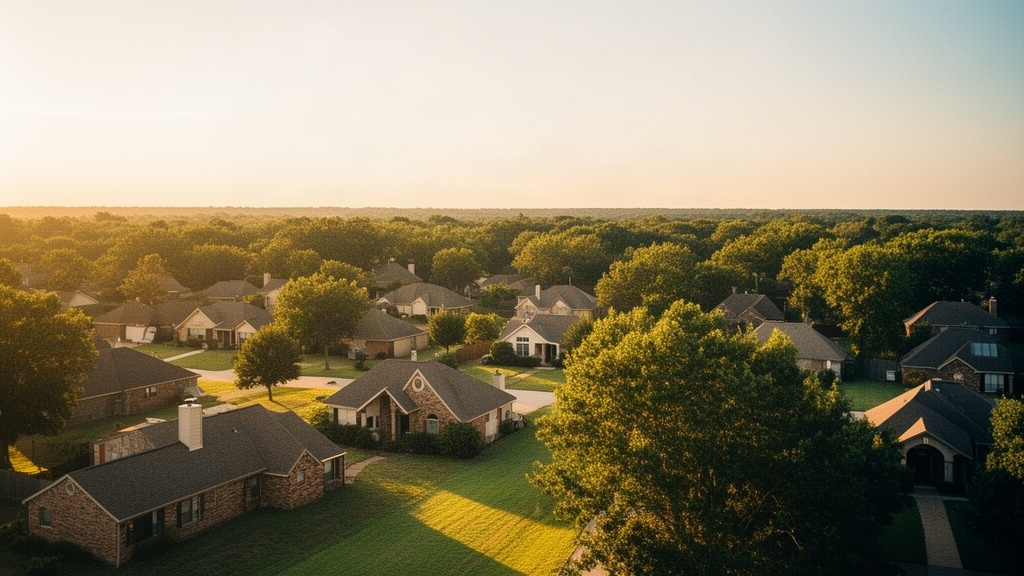
The housing stock in South Tampa is unusually varied for a single submarket. You find early 20th century Craftsman bungalows in Hyde Park sitting blocks away from new construction townhomes priced above $1 million. Mid-century ranch homes on generous lots line the streets of Palma Ceia and Beach Park. Harbour Island and Davis Islands offer waterfront condos alongside single-family homes with private docks. That variety means price points span from the mid $400,000s for smaller condos to well above $5 million for waterfront estates.
Because the land supply is fixed and demand from both local move-up buyers and out-of-state relocators remains consistent, South Tampa tends to hold value through broader market softening better than suburban areas with ongoing new construction. That does not mean prices never fluctuate, but the floor here is historically sturdier than in markets where builders can keep adding inventory.
2. South Tampa Neighborhood Breakdown: Prices and Features
South Tampa is not one uniform market. Each pocket has its own price range, lot sizes, architecture, and proximity to amenities. Understanding the differences helps buyers target the right area and helps sellers price accurately.
Hyde Park and SoHo
Hyde Park sits just west of downtown Tampa and centers on Hyde Park Village, an outdoor shopping and dining district anchored by restaurants, boutiques, and a weekly farmers market. The residential streets surrounding the village are lined with historic homes, many listed on the National Register of Historic Places. Lot sizes here tend to be smaller, typically 50 to 60 feet wide, but the walkability and proximity to Bayshore Boulevard make this one of the most consistently in-demand pockets in the city.
Single-family homes in Hyde Park currently range from approximately $700,000 for smaller bungalows needing updates to over $2.5 million for fully renovated historic properties on premium lots. Condos and townhomes in the SoHo corridor start in the mid $400,000s. Renovation costs matter here: older homes can carry significant deferred maintenance, and buyers should budget for it.
Palma Ceia and Palma Ceia Park
Palma Ceia sits in the geographic center of South Tampa and is organized around the Palma Ceia Golf and Country Club, a private 18-hole course established in 1916. The streets surrounding the club feature a mix of 1920s Mediterranean Revival homes, 1950s ranches, and newer construction replacing teardowns. Lot sizes are generally larger than Hyde Park, with many parcels running 75 to 100 feet wide.
Median single-family prices in Palma Ceia currently sit in the $900,000 to $1.3 million range, though new construction and fully renovated homes on larger lots push well past $2 million. Palma Ceia Park, just to the south, offers slightly more modest pricing, with many homes in the $600,000 to $900,000 range, and the neighborhood has a strong inventory of mid-century block homes that buyers often renovate.
Bayshore Beautiful and Ballast Point
Bayshore Beautiful stretches along the western side of Bayshore Boulevard, one of the longest continuous sidewalks in the United States at just over 4.5 miles. Homes here back up to the boulevard or sit one block off it, and the proximity to the waterfront walkway is a consistent draw. The housing stock leans toward larger lots and more substantial square footage than neighborhoods further north.
Prices in Bayshore Beautiful currently range from approximately $1.1 million to over $4 million depending on lot size, water views, and renovation level. Ballast Point, at the southern end of the peninsula near Ballast Point Park and its fishing pier, offers slightly more accessible price points, with many single-family homes in the $600,000 to $950,000 range. The park itself includes a boat ramp, picnic areas, and direct views of Tampa Bay.
Sunset Park and Beach Park
Sunset Park and Beach Park occupy the northwest quadrant of South Tampa, bordering Old Tampa Bay. Both neighborhoods include a significant number of waterfront and water-access lots with private docks, and new construction has been active here for the past decade as teardowns make way for custom builds. Lot sizes vary widely, from standard 75-foot parcels to larger corner lots exceeding 12,000 square feet.
Non-waterfront single-family homes in Sunset Park and Beach Park currently range from roughly $900,000 to $1.8 million. Waterfront properties with dock access start around $2 million and extend past $6 million for newer builds with deep-water access. MacDill Air Force Base sits at the southern tip of the peninsula and is a significant employment center; the base's presence creates consistent rental and purchase demand in the surrounding streets.
Harbour Island and Davis Islands
Harbour Island is a planned community connected to downtown Tampa by a short bridge, with a mix of condos, townhomes, and single-family homes. The island's eastern edge faces the Hillsborough River and offers views of downtown. Condos here range from the mid $400,000s to over $1.5 million for larger units with water views.
Davis Islands, a pair of man-made islands south of downtown, is one of the few places in Tampa where single-family homes sit on waterfront lots with direct bay access. The islands also host Tampa General Hospital and a small municipal airport. Single-family home prices on Davis Islands currently range from approximately $800,000 for interior lots to over $5 million for bayfront properties. The island's 2.6-mile loop road is a popular spot for walking and cycling.
3. Current Market Conditions in South Tampa
The South Tampa real estate market in September 2026 is more balanced than the frenzied seller's market of 2021 and 2022, but it has not tipped into buyer's territory across the board. Inventory has risen meaningfully from the historic lows of that period, giving buyers more options and more negotiating room, particularly in the condo segment.
Price Trends as of September 2026
For a detailed look at current South Tampa home prices and how they compare to September 2025, see the companion article What Are Home Prices in South Tampa Right Now in September 2026. In broad terms, the median sale price for single-family homes in South Tampa currently sits in the $850,000 to $950,000 range depending on the specific zip code, with the 33629 zip code (covering Palma Ceia, Bayshore Beautiful, and surrounding streets) consistently posting the highest medians. The luxury segment above $2 million has seen longer days on market compared to 2022, though well-priced properties are still moving.
The condo and townhome segment tells a different story. Florida's new condominium building inspection and reserve funding requirements, which took effect after the Surfside collapse legislation, have increased HOA fees significantly in older buildings. Some buildings have seen fees double or more, which has softened demand and pushed prices down in certain complexes. Buyers considering condos in South Tampa need to scrutinize HOA financials and reserve studies carefully before making an offer.
Inventory and Days on Market
Active listings in South Tampa are running at roughly two to three times the levels seen in early 2022, which gives buyers a more realistic timeline for finding the right property. Single-family homes priced accurately for their condition and location are typically going under contract within two to four weeks. Overpriced listings are sitting, sometimes for 60 to 90 days, before sellers adjust.
Multiple-offer situations still occur on move-in-ready homes priced at or slightly below market value, particularly in the $700,000 to $1.2 million range where demand from both local buyers and relocators is concentrated. Above $2 million, the buyer pool narrows and negotiations tend to be more deliberate.
How South Tampa Compares to Broader Tampa Trends
According to HousingWire's analysis of the Florida housing market, Tampa as a whole has seen inventory normalization and moderate price softening in certain segments, while core urban neighborhoods with limited land supply have held up better. South Tampa fits that pattern. Suburban Tampa markets with active new construction pipelines, such as parts of Riverview or Wesley Chapel, have seen more price pressure because buyers there have alternatives. In South Tampa, the alternative is simply a different South Tampa home.
For buyers considering other Tampa submarkets alongside South Tampa, the article on homes for sale in Tampa provides a broader comparison across the city's neighborhoods and price points.
4. Timing the South Tampa Market: When to Buy and When to Sell
Timing in South Tampa follows recognizable seasonal patterns, though the peninsula's limited inventory means the swings are less dramatic than in larger suburban markets. Understanding those patterns helps both buyers and sellers plan their move.
Seasonal Patterns
Listing activity in South Tampa typically picks up in late January and February as sellers prepare for the spring buying season. March through June is historically the most active period: more listings come to market, more buyers are actively searching, and the highest number of transactions close. Sellers who list in this window tend to see the most competition among buyers.
Summer in Tampa brings heat and hurricane season, which slows activity somewhat, though serious buyers remain active. September and October, right now, represent a secondary window where motivated sellers who missed the spring peak are more willing to negotiate, and buyers face less competition than they would have in April. The holiday period from mid-November through December is the slowest stretch, with fewer listings and fewer buyers, though transactions that do happen often involve highly motivated parties on both sides.
Rate and Inventory Considerations
Mortgage rates remain a significant factor in buyer purchasing power. In South Tampa, where median prices are well above the national average, a one-percentage-point change in rates translates to several hundred dollars per month in payment on a typical purchase. Buyers who are rate-sensitive should work with a lender to understand their specific payment range before targeting a price tier.
Sellers sometimes wait for rates to drop before listing, hoping lower rates will bring more buyers. That logic has limits: when rates do drop, more sellers tend to list simultaneously, which increases competition. Pricing accurately for current conditions and listing when your home is genuinely ready tends to outperform waiting for a perceived perfect moment.
5. What Buyers and Sellers Need to Know Before Acting
Whether you are buying or selling in South Tampa, several practical factors shape the outcome beyond the listing price. Getting these right separates smooth transactions from difficult ones.
Buyer Considerations
Flood zone designation is one of the most consequential factors for South Tampa buyers. Large portions of the peninsula sit in FEMA flood zones, and flood insurance costs have risen substantially following policy changes to the National Flood Insurance Program's Risk Rating 2.0 methodology. Some homeowners in South Tampa are paying $4,000 to $10,000 or more annually for flood coverage. Buyers should request the current flood insurance policy and elevation certificate before making an offer, and verify whether the property qualifies for policy assumption.
Property taxes are another number worth calculating early. Hillsborough County's millage rate combined with the assessed value of a South Tampa home can produce a substantial annual tax bill. A $1 million home without homestead exemption will carry a meaningfully different tax burden than the same home with exemption applied. The article on property taxes on a $500,000 home in Hillsborough County walks through the calculation in detail, and the article on the Hillsborough County homestead exemption explains how to apply and what it saves.
Seller Considerations
Accurate pricing is the single biggest variable a South Tampa seller controls. The market in September 2026 is less forgiving of aggressive pricing than it was two years ago. Homes that come out priced 10 to 15 percent above comparable sales tend to sit, accumulate days on market, and ultimately sell for less than they would have at a correctly calibrated initial price. Buyers in South Tampa are sophisticated; they have access to the same data their agents do.
Condition matters more than it did during the peak seller's market. Buyers are requesting inspections and negotiating credits or repairs based on findings. Sellers who address known issues before listing, or price transparently to reflect deferred maintenance, tend to close faster and with fewer surprises. For a full breakdown of the selling process in Tampa, see the guide on selling a home in Tampa: pricing, timeline and what to expect.
Costs Beyond the Purchase Price
Buyers in South Tampa should budget for closing costs, which in Florida typically run between 2 and 5 percent of the purchase price. On an $850,000 home, that is $17,000 to $42,500 in addition to the down payment. Title insurance, documentary stamp taxes on the mortgage, and prepaid items like homeowners insurance and property tax escrow make up the bulk of those costs. Wind mitigation inspections are also worth ordering: a favorable report can reduce insurance premiums meaningfully.
Homeowners insurance in South Tampa has become one of the largest ongoing costs of ownership. Several major insurers have reduced their Florida exposure, pushing more homeowners into the surplus lines market or Citizens Property Insurance. Buyers should get insurance quotes before finalizing an offer, not after, because the annual premium can significantly affect total monthly housing costs.
FAQ
Is South Tampa a buyer's market or a seller's market right now?
As of September 2026, South Tampa is closer to a balanced market than either extreme, though conditions vary by price tier and property type. Single-family homes priced accurately in the $700,000 to $1.5 million range still attract competitive interest and sell within a few weeks. The condo segment has shifted more toward buyers, with rising HOA fees and increased inventory giving purchasers more leverage. Above $2 million, the market is slower-paced and more negotiation-friendly for buyers. The best way to understand conditions for a specific property is to review recent comparable sales in that exact neighborhood and price range.
How does flood insurance affect buying a home in South Tampa?
Flood insurance is a significant cost consideration for many South Tampa properties because a large portion of the peninsula sits within FEMA-designated flood zones. Under the NFIP's Risk Rating 2.0 framework, premiums are now based on the individual property's flood risk rather than a uniform zone-based rate, which means costs vary considerably from one street to the next. Annual premiums can range from under $1,000 for properties with favorable elevation certificates to $8,000 or more for lower-lying homes. Before making an offer, buyers should request the seller's current flood insurance declarations page, the property's elevation certificate, and confirm whether the existing policy is assumable. Private flood insurance alternatives are also worth comparing, as they sometimes offer better rates than the NFIP for certain risk profiles.
What is the difference between buying in Hyde Park versus Palma Ceia in South Tampa?
Hyde Park and Palma Ceia are both established South Tampa neighborhoods but differ in several practical ways. Hyde Park sits closer to downtown Tampa and features a higher concentration of pre-1940 historic homes on smaller lots, with Hyde Park Village providing walkable retail and dining. Palma Ceia is more centrally located on the peninsula, organized around a private golf club, and offers more mid-century and newer construction on larger lots with more parking and yard space. Hyde Park prices tend to start higher at the entry level due to the walkability premium and proximity to downtown, while Palma Ceia offers more square footage per dollar at comparable price points. Both neighborhoods have active buyer demand and limited inventory, so neither sits on the market long when priced correctly.