
← Back to Blog
Local Living
Cost of Living in Bastrop, Texas: A Complete Breakdown for Buyers and Relocators
By Des Leon
September 20, 2026 · 11 min read
The cost of living in Bastrop, Texas sits meaningfully below Austin while offering proximity to the city, a distinct small-town character, and a growing base of local amenities. This breakdown covers housing costs, property taxes, utilities, groceries, transportation, and the everyday expenses that actually shape your monthly budget so you can plan your move with real numbers in hand.
1. How Bastrop's Overall Cost of Living Compares
Bastrop's cost of living runs roughly 10 to 15 percent below Austin's, and about 5 to 8 percent below the Texas average when you factor in housing. That gap is meaningful on a monthly budget, especially for households moving from higher-cost metros. The savings show up most clearly in housing and land, though everyday expenses like groceries and utilities track closer to state norms.
Where Bastrop Lands Relative to Austin and the State
According to PayScale's cost of living data for Bastrop, housing in Bastrop costs considerably less than in Austin, while groceries and healthcare land near or slightly below the national average. The overall index puts Bastrop below both Austin and the national median, which is a significant draw for buyers priced out of Travis County.
Bastrop sits about 30 miles east of downtown Austin on Highway 71, which means residents can access Austin's job market and amenities without paying Austin prices for their home. That commute corridor is a central reason why Bastrop County has seen consistent population growth over the past several years.
What Drives the Difference
The biggest factor is land and housing square footage. In Bastrop, a buyer can find a 1,800 to 2,400 square foot home on a quarter-acre or larger lot at a price point that would buy a small condo or townhome in central Austin. The tradeoff is a longer commute and a smaller commercial footprint locally, though Bastrop's retail and dining scene has expanded considerably in recent years.
Bastrop also benefits from Texas having no state income tax, which applies equally to Austin but matters a great deal to relocators coming from California, New York, Illinois, or other high-income-tax states. That structural advantage compounds the housing savings and makes the overall cost of living in Bastrop, Texas even more favorable on a take-home pay basis.
2. Housing Costs: The Biggest Line Item
Housing is the single largest component of the cost of living in Bastrop, Texas, and it is where buyers see the clearest value relative to Austin. As of September 2026, the Bastrop market offers a wide range of price points, from entry-level homes in established subdivisions to larger properties on acreage in the surrounding county.
What Homes Are Selling For Right Now
In September 2026, median home prices in Bastrop proper are running in the mid-to-upper $300,000s for a three-bedroom home in an established neighborhood. Homes in newer subdivisions closer to the Highway 71 corridor tend to start in the low $300,000s for base-level new construction, while properties on one acre or more in the county routinely reach $450,000 to $600,000 depending on improvements and location.
Compared to Austin, where median prices regularly exceed $550,000 to $600,000, Bastrop offers a substantial discount for buyers who can absorb the commute. The Lost Pines area west of downtown Bastrop, characterized by loblolly pine forest and the Colorado River corridor, carries some of the most distinctive properties in the county and commands prices that reflect that setting.
Renting vs. Buying in Bastrop
Rental inventory in Bastrop is tighter than in larger cities, and monthly rents for a three-bedroom home currently range from approximately $1,700 to $2,300 depending on age, location, and whether the property is in a managed community or a private rental.
At current interest rates, a buyer putting 10 percent down on a $360,000 home would see a principal and interest payment in the range of $2,100 to $2,400 per month before taxes and insurance. Whether renting or buying makes more financial sense depends heavily on how long you plan to stay and what you expect from the local market over the next three to five years.
New Construction and What It Adds to the Cost Picture
Bastrop has seen significant new construction activity in 2026, with multiple active subdivisions offering homes from national and regional builders. New construction base prices generally start in the low $300,000s, but upgrades, lot premiums, and builder incentives can shift the final price considerably. Understanding what is and is not included in a builder's base price is one of the most important steps a buyer can take before signing a contract.
For a detailed look at what is currently being built and where, the article on new housing developments and subdivisions in Bastrop in 2026 covers the active communities, builder names, and price ranges in depth.
3. Property Taxes, Utilities, and the Costs Buyers Often Underestimate
Property taxes and monthly utility costs are two of the most commonly underestimated components of the cost of living in Bastrop, Texas. Both can add several hundred dollars per month to a household's housing expense, and both vary enough by location within the county that it is worth understanding them before you choose a specific area or subdivision.
Property Tax Rates in Bastrop County
Bastrop County's total property tax rate currently runs between approximately 1.7 and 2.4 percent of assessed value, depending on which taxing entities apply to a specific property. A home assessed at $360,000 in a typical city-limit location could carry an annual tax bill of roughly $6,100 to $8,600, which translates to $510 to $720 per month added to a mortgage payment.
Rates vary because properties inside Bastrop city limits are subject to the city tax rate in addition to the county rate, while properties in unincorporated areas of the county are not. Municipal Utility Districts (MUDs), which are common in newer subdivisions, add their own layer of taxation on top of the base rates. For a thorough breakdown of how these rates stack up and how they have shifted over recent years, see the property tax rates guide for Bastrop County.
Utility Costs in Bastrop
Electric bills are the utility line item that surprises most newcomers to Central Texas. Summers in Bastrop are hot and long, with temperatures regularly exceeding 100 degrees Fahrenheit from June through August. A 2,000 square foot home running central air conditioning in July or August can generate an electric bill of $250 to $400 or more depending on the home's insulation, the age of the HVAC system, and the rate plan. From October through April, bills drop significantly, often falling to $80 to $150 per month.
Water and sewer costs vary by whether a property is on a city connection, a well, or a MUD system. City of Bastrop water and sewer for a typical household runs approximately $60 to $100 per month. Properties on private wells have no monthly water bill but carry the cost of well maintenance and periodic pump replacement over time. Natural gas is available in parts of Bastrop and runs $30 to $70 per month in cooler months for cooking and heating.
Homeowners Insurance in the Lost Pines Region
Homeowners insurance in Bastrop County is notably higher than the Texas average for properties located in or near the Lost Pines forest, due to wildfire risk. The 2011 Bastrop County Complex Fire burned more than 34,000 acres and destroyed over 1,600 homes, and insurers have priced that risk into premiums ever since.
Annual premiums for a $350,000 to $400,000 home in a wooded area of Bastrop County can range from $2,400 to $4,500 or more, compared to $1,800 to $2,800 for a comparable home in a less fire-exposed part of the county. Buyers purchasing in the Lost Pines corridor should get insurance quotes before going under contract, not after, so the cost is factored into their monthly payment calculation from the start.
4. Everyday Expenses: Groceries, Gas, and Getting Around
Day-to-day spending in Bastrop tracks close to state and national averages for most categories, with a few local nuances worth knowing before you set a household budget.
Grocery and Dining Costs
Bastrop's grocery options include an H-E-B on Farm Street, which is the anchor grocery store for the area and consistently competitive on pricing. H-E-B is a Texas-based chain known for strong private-label products and regional pricing, and it keeps Bastrop's grocery costs in line with the broader Texas average. A typical weekly grocery run for a household of two to four people runs $150 to $250 depending on diet and brand preferences.
Dining out in Bastrop is generally less expensive than in Austin. A sit-down meal for two at a local restaurant on Main Street or in the downtown area typically runs $40 to $70 before tip, while fast casual options are in the $12 to $18 per person range. The local restaurant scene has grown meaningfully over the past few years, with options ranging from barbecue and Tex-Mex to farm-to-table concepts near the historic downtown district.
Gas and Commute Costs
Gas prices in Bastrop generally run within a few cents of the Austin metro average, which in September 2026 is hovering in the mid-to-upper $3.00 per gallon range for regular unleaded.
Transportation is a larger budget line for Bastrop residents than for people living closer to Austin's core, because Bastrop lacks a commuter rail connection and public transit options are limited. Most households are car-dependent, and a round-trip commute to Austin on Highway 71 covers roughly 60 to 65 miles per day. At 25 miles per gallon and current gas prices, that adds up to approximately $200 to $250 per month in fuel alone, not counting vehicle wear, tolls on State Highway 130, or parking. For a full picture of what that commute looks like in terms of time and traffic patterns, see the commute guide from Bastrop to downtown Austin.
Healthcare and Services
Healthcare access in Bastrop has improved over the past several years. Ascension Seton Bastrop, located on Highway 71, provides emergency services and outpatient care locally. Specialty care and major hospital services typically require a drive to Austin, which adds time and indirect cost for households with ongoing medical needs.
Service costs for things like childcare, haircuts, and home repairs in Bastrop run slightly below Austin rates, reflecting the lower overhead environment outside the metro core. Childcare at local centers runs approximately $900 to $1,400 per month for full-time infant care, which is below the Austin average of $1,300 to $1,800 but still a significant household expense.
5. What Your Dollar Actually Buys in Bastrop
Beyond the raw numbers, the cost of living in Bastrop, Texas has to be weighed against what that spending actually delivers in terms of space, environment, and quality of life. That calculation looks different depending on what you are coming from and what you prioritize.
Space and Land Compared to Austin
In Bastrop, a budget of $380,000 to $420,000 can buy a four-bedroom, two-bath home with a two-car garage on a lot of a quarter acre or more in an established neighborhood. That same budget in Austin would more likely yield a two-bedroom condo or a small townhome with shared walls and minimal outdoor space.
For buyers who want acreage, Bastrop County offers rural properties ranging from two to ten acres with a home for $450,000 to $700,000, which is a price point that simply does not exist within Austin city limits for comparable land. The tradeoff is distance from urban amenities and the commute cost discussed above.
The Texas housing market has seen broader inventory corrections in 2026, and Bastrop has not been immune to those forces. HousingWire's coverage of the Texas market noted that builders across the state have been working through elevated inventory levels, which has created more negotiating room for buyers in many markets, including Bastrop. That dynamic means buyers in September 2026 often have more leverage than they did during the peak years of 2021 and 2022.
Local Amenities and What They Cost to Access
Bastrop State Park, one of the most visited state parks in Texas, sits within the city limits and charges $7 per person for day use. The park includes hiking trails through the Lost Pines forest, a historic CCC-built swimming pool open seasonally, and campsites that book out weeks in advance on weekends. Access to this kind of outdoor space at that price point is a genuine quality-of-life factor that does not show up in standard cost-of-living indexes.
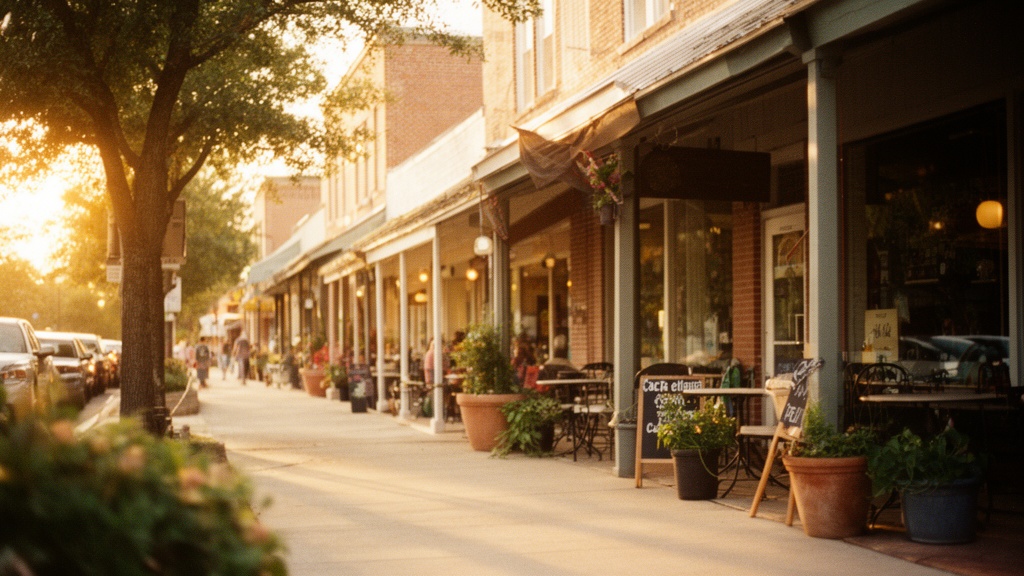
The Colorado River runs through Bastrop, and residents have access to kayaking, fishing, and river access points without driving to a destination. The historic downtown along Main Street includes locally owned shops, galleries, and restaurants that have been expanding steadily. Gym memberships, recreation programs through the City of Bastrop Parks and Recreation Department, and community events are generally priced at levels accessible to a broad range of household incomes.
For buyers considering Bastrop as part of a broader relocation decision, the day-to-day living guide for Bastrop covers grocery stores, restaurants, and things to do in much more granular detail.
For buyers considering investment in Bastrop rather than a primary residence, the cost-of-living picture matters in a different way, specifically how it affects rental demand and long-term appreciation potential. The investment property guide for Bastrop, Texas addresses those dynamics directly.
FAQ
Is the cost of living in Bastrop, Texas lower than in Austin?
Yes, Bastrop's overall cost of living runs roughly 10 to 15 percent below Austin's, with housing being the category where the gap is widest. A buyer can typically get significantly more square footage and land in Bastrop for the same dollar amount they would spend on a smaller property in Austin. Everyday expenses like groceries and dining track closer to state averages, so the total savings are most pronounced for households where housing is the dominant budget line. Property taxes in Bastrop County are not dramatically lower than Travis County, so buyers should factor those in when comparing total monthly costs. The commute cost, in fuel and time, is a real offset that narrows the savings for households commuting daily to Austin.
What are the biggest hidden costs of living in Bastrop, Texas?
The three costs that most often catch buyers off guard are summer electric bills, homeowners insurance in fire-risk areas, and transportation costs for households commuting to Austin. Summer electricity bills can reach $300 to $400 per month for a mid-sized home during peak heat months, and homeowners insurance for properties in or near the Lost Pines forest can run $2,500 to $4,500 annually due to wildfire risk. Transportation costs add up quickly for daily commuters: a round-trip drive of 60 to 65 miles per day translates to meaningful monthly fuel and vehicle expenses. Property taxes that include MUD rates in newer subdivisions can also be higher than buyers expect from the base county rate alone.
What does a typical monthly housing budget look like in Bastrop, Texas in 2026?
For a buyer purchasing a $360,000 home in Bastrop with 10 percent down at current interest rates, a rough monthly housing budget would include a principal and interest payment of approximately $2,100 to $2,400, property taxes of $510 to $720, homeowners insurance of $175 to $375 depending on location and fire risk, and utilities averaging $200 to $350 across the year. That puts the all-in monthly housing cost in a range of roughly $2,985 to $3,845 before any HOA dues, which vary by subdivision. Buyers in newer communities with MUD districts should confirm the full tax rate before budgeting, as MUD rates can add 0.3 to 0.8 percent to the effective tax rate above the county and city base.