← Blog'a Dön
Piyasa Trendleri
Carmel-by-the-Sea’daki Mülkler: itibar, fiyatlar, mahalleler
Yazan Megandssdds Frost, e
Sotheby's International Reality · DRE# errdsds
3 Eylül 2026 · 13 dk okuma süresi
Carmel-by-the-Sea, California kıyı lüks emlak piyasasında en üst itibara sahip; Tampa’dan alıcı ya da satıcı olarak taşınmayı veya yatırım yapmayı düşünüyorsanız, bu itibarı neyin oluşturduğunu anlamak karar vermeden önce önemlidir. Bu rehber güncel fiyatları, her mahallenin ayırt edici özelliklerini, Eylül 2026’de piyasanın nasıl performans gösterdiğini ve alım veya satış zamanlamasının nasıl fark yaratabileceğini inceliyor. İster Tampa’daki evinizin Monterey Yarımadası’ndaki potansiyel değerini karşılaştırıyor olun, ister hayalinizdeki evi arıyor olun, aşağıdaki bilgiler size sağlam bir temel sağlayacaktır.
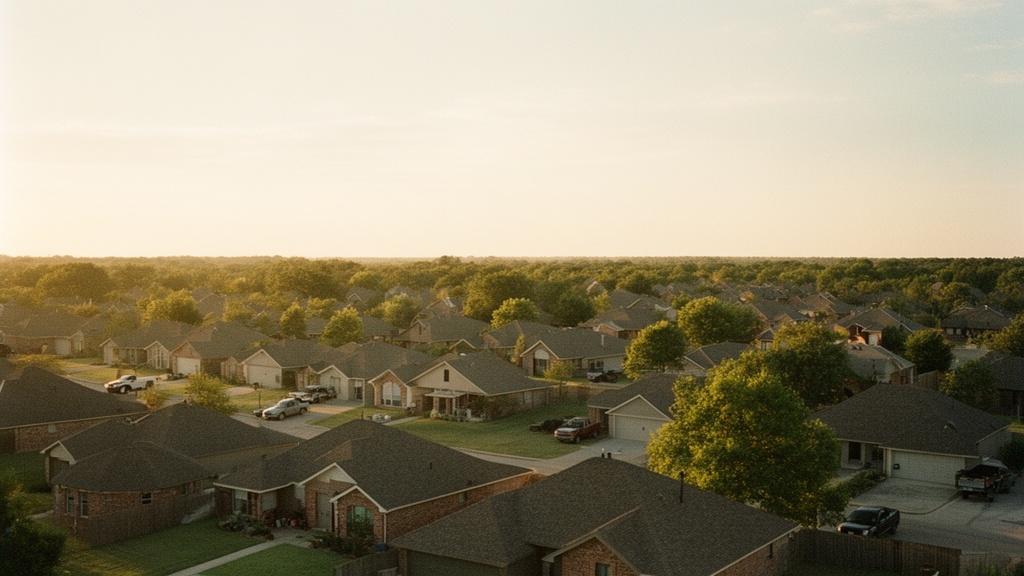
1. Neden Carmel-by-the-Sea böyle bir itibara sahip
Carmel-by-the-Sea, kıyı lüksünde benzeri zor bulunan bir faktör karması sayesinde en güçlü genel itibara sahip.Kasaba Monterey Yarımadası’nda yaklaşık bir mil kareyi kaplar; batıda Carmel Bay ve doğuda Santa Lucia dağları bulunur. Bu sabit sınırlar değişmiyor ve bu piyasanın değerini uzun vadede belirleyen en önemli etken.
Bu piyasayı yapısal olarak farklı kılan nedir
Carmel belediye statüsünde bir şehir ve yerel yönetmelikler gelişmeyi aktif şekilde sınırlıyor.Evler sokak adresiyle posta teslimi kullanmaz; posta postaneden alınır. Kısa dönem kiralamalar yerel düzenlemelere tabi, bu da yatırımcı hacmini düşürür ve kasabanın yerleşim karakterini korur. Şehir ayrıca bazı zincir ve fast-food restoranlarını yasaklayarak, ziyaretçiler ve alıcılar için çekici bir sanat galerileri dolu Ocean Avenue koridorunun oluşmasına katkıda bulunur.
Konut stoğu Tampa veya Florida’nın çoğuyla kıyaslanamaz.1920’ler ve 1930’ların oyma ahşap detaylı ve taş şömineli kulübeleri, modern orta dönem evler ve yeni çağdaş yapılarla yan yana durur. Kasaba içindeki arsalar genellikle 3,000–6,000 square feet aralığındadır; çevre yollarındaki mülkler ise çeyrek akreden daha büyük olabilir. Anıtsal servi ve Monterey çamları birçok sokağı süsler ve Pasifik sisi yıl boyunca sıcaklıkları ılıman tutar; yazın nadiren 70 dereceyi aşar.
Arz kısıtlarının rolü
Carmel-by-the-Sea’de arz kronik olarak sınırlı.2026’nın herhangi bir anında şehir sınırları içindeki satışta olan ev sayısı tüm fiyat katmanlarında 20 ila 40 birim arasında değişiyordu. Bu, karşılaştırılabilir bir Tampa alt pazarında göreceğiniz sayının yalnızca bir kısmı. Sessiz bir sokaktaki iyi konumlu bir kulübe piyasaya çıktığında, birkaç haftadan fazla kalmadan genellikle çoklu teklifler gelir. Bu kıtlık piyasanın içine işlenmiş durumda ve Carmel değerlerinin ulusal düzeltmeler sırasında birçok diğer kıyı bölgesine göre daha iyi dayanmasının temel nedenlerinden biri.
Monterey Yarımadası içindeki diğer topluluklara karşı nasıl konumlandığını karşılaştırmak için, Carmel-by-the-Sea pazar verileri NeighborhoodScout'ta değer artışları, metrekare başına fiyat ve piyasa devri hakkında güncel bir bakış sunar ve bu bölgeyi zaman içinde takip ediyorsanız izlemeniz faydalı olur.
2. Carmel-by-the-Sea’de güncel piyasa fiyatları
Carmel-by-the-Sea’de metrekare başına fiyatlar herhangi bir küçük California kıyı kasabasının en yüksekleri arasında, konuma, duruma ve denize yakınlığa göre geniş bir aralık gösteriyor.Eylül 2026’de şehir sınırları içindeki medyan satış fiyatı yaklaşık $2.8 million – $3.2 million civarındaydı; ancak piyasa o kadar küçük ki tek bir önemli satış medyanı anlamlı şekilde kaydırabilir.
Eylül 2026’daki medyan göstergeler ve aralıklar
Carmel’de giriş seviyesi evler şu anda köy merkezinde veya yakın konut sokaklarında 800–1,200 square feet küçük kulübeler için yaklaşık $1.4 million – $1.8 million’den başlıyor.Orta segment evler, genellikle 1,500–2,500 square feet arası, yenilenmiş iç mekanlar ve kısmi deniz manzarası olanlar $2.5 million ile $5 million arasında satılıyor. En üst seviye, Scenic Road’daki deniz kenarı evleri, doğrudan körfez manzaralı Carmel Point mülkleri ve mimari açıdan önemli konaklar genellikle $8 million üzerinde kapanıyor; 2026’da $15 million’i aşan dikkat çekici satışlar oldu.
Kasaba genelinde metrekare başına ortalama fiyat $1,800 ile $2,400 arasında değişiyor; bu mahalleye ve mülkün durumuna bağlı.Doğrudan deniz manzaralı veya iki blok mesafede plaja olan evlerde bu rakamlar önemli ölçüde yükseliyor. Karşılaştırma için Tampa: South Tampa veya Davis Islands’da $650,000–$900,000 değerinde olabilecek 2,000 square foot’luk bir ev, Carmel’de metrekare başına fiyata göre yaklaşık $3.6 million–$4.8 million arasında değerlendirilebilir; bu hesaplama manzara veya arsa konumu primlerini içermiyor.
Fiyatların Monterey County genelindeki karşılaştırması
Carmel-by-the-Sea fiyatları, yakın Peninsula topluluklarından açıkça daha yüksek.Yaklaşık 12 mil içeride yer alan Carmel Valley Village tek aile evleri yaklaşık $900,000–$1.3 million aralığında sunuyor. Yarımadanın kuzey ucundaki Pacific Grove’un medyanı yaklaşık $1.1 million civarında. Erişim maliyetleri olan özel bir site tarafından yönetilen Pebble Beach, fiyat bakımından Carmel ile Pacific Grove arasında yer alıyor ancak farklı mimariler ve arsa büyüklükleri sunuyor. Carmel’i çok pahalı bulan alıcılar genellikle bu yakın pazarları değerlendirir; her birinin kendine özgü karakteri ve ödünleri olduğunu kabul ederler.
Lüksün gerçekten ne anlama geldiğini daha derinlemesine incelemek için, rehberde Carmel, California’daki lüks evler yapı kalitesi, mimari stiller ve $5 million üstü segmentte alıcıların neleri incelemeyi ve pazarlık etmeyi beklemeleri gerektiğini ele alıyor.
3. Mahalle analizi: evlerin konumları ve sundukları
Carmel-by-the-Sea o kadar küçük ki çoğu kişi burayı tek bir mahalle olarak tanımlar, ancak alıcılar kasaba içindeki konumun hem yaşam tarzını hem fiyatı büyük ölçüde etkilediğini çabucak anlar.Dört ana bölgeyi bilmek, alıcıların yarımadayı ziyaret etmeden önce aramalarını daraltmalarına yardımcı olur.
Köy merkezi
Köyün kalbi yaklaşık olarak 8th Avenue’ın kuzey tarafı ile Junipero Street’in batı tarafı arasındaki alanı kapsıyor; Ocean Avenue’daki galeriler, restoranlar ve butikler sadece birkaç dakika yürüme mesafesinde.Burası en çok karakter yoğunluğuna sahip mahalle: küçük parseller ve 20. yüzyıl başı kulübeler. Birçok ev, ahşap kaplama ve jaluzili panjurlar gibi orijinal detayları koruyarak tamamen yenilendi. Yürünebilirlik mükemmel: plaj, Carmel Plaza ve Sunset Center mahalledeki birçok noktadan 10 dakikalık yürüyüş mesafesinde.
Köy merkezinde mütevazı bir kulübe için fiyatlar yaklaşık $1.6 million’dan başlar ve metrekare ile tadilat kalitesine bağlı olarak hızla yükselir.Genelde sokak içi park etme normdur; ticari alanlarda iki saatlik sınırlamalar var, bu yüzden alıcılar mülkte garaj veya özel park yeri olup olmadığını kontrol etmelidir.
Carmel Woods ve Hatton Fields
Carmel Woods ve Hatton Fields kasabanın doğu ve güneydoğu kısımlarını kaplar; yaklaşık olarak Junipero ile Santa Fe Avenues arasında, Ocean Avenue’ın güneyinde.Burada arsalar genellikle daha büyük, tipik olarak 6,000 ile 10,000 square feet arasında; konut stoğu orta yüzyıl çiftlik evlerinden daha yeni özel yapılara kadar değişir. Sokaklar daha sessizdir, yerleşim hissi verir ve köy merkezine göre daha az yaya trafiği vardır. Dezavantajı ise okyanus manzaralarının daha az yaygın olması ve plaja veya Ocean Avenue’a yürümenin genelde 15–25 dakika sürmesidir.
Carmel Woods ve Hatton Fields’teki fiyatlar genellikle merkeze daha yakın karşılaştırılabilir evlere göre $200,000 ila $600,000 daha düşük olup, iç mekan alanı arayan alıcılar için bir giriş fırsatı sunar.Bu mahalledeki birçok ev son on yılda geniş çapta modernize edildi; açık planlar, modern mutfaklar ve bitişik iki araçlık garajlar yaygındır—köyün daha eski kulübelerinin nadiren sahip olduğu özellikler.
Carmel Point
Carmel Point, Carmel Nehri lagününe ve Carmel Körfezi’ne doğru uzanan dar bir kara parçasıdır; güneyde nehir ve batıda okyanus ile sınırlanır.Şehir sınırlarının hemen dışında yer alır, ancak çoğu emlakçı ve alıcı bunu geniş Carmel-by-the-Sea pazarının bir parçası olarak kabul eder. Evler 1950’lerin deniz kenarı kulübelerinden körfez manzaralarını maksimize eden çağdaş cam-ve-çelik yapılı konutlara kadar uzanır. Carmel River State Beach ve Monastery Beach kolay yürüme mesafesindedir; nehir bölgeye daha sakin, gizli bir karakter verir.
Carmel Point’teki su kenarı ve körfez manzaralı mülkler yarımadanın en çok talep görenleri arasındadır; suya doğrudan bakan evler genellikle $6 million ve $12 million’ın üzerinde satılır.Point’teki iç arsa fiyatları tipik olarak yaklaşık $2 million’dan başlar. Mahalle aynı zamanda Coastal Commission denetimine tabidir; yapısal değişiklikler onay süreci gerektirebilir ve bu da zaman ve maliyet ekleyebilir; bu, fizibilite değerlendirmesinde dikkate alınması gereken bir faktördür.
Scenic Road ve kıyı promenadı
Scenic Road köyün batı tarafı boyunca, Carmel Beach’e paralel uzanır ve pazarın en çok rağbet gören konumudur.Buradaki evler doğrudan plajda ya da hemen üzerinde yer alır ve Pasifik Okyanusu ile güneye doğru Santa Lucia dağlarının geniş, kesintisiz manzaralarını sunar. Sunum neredeyse sağlam kalmış 1920’ler kulübelerinden çağdaş mimari tasarımlı konutlara kadar uzanır. Sahipler nadiren taşınır; bazı mülkler yalnızca her 15–20 yılda bir el değiştirir.
Scenic Road’daki evler genelde $8 million’ın üzerinde listelenir ve zamanlama ile piyasa koşulları uygun olduğunda genellikle liste fiyatının çok üzerinde satılır.Scenic Road’un hemen arkasındaki sokaklar, güney bloklardaki Carmelo Street ve Casanova Street dahil, kısmi okyanus manzaraları sunar ve eşdeğer bir deniz kenarı evine kıyasla alıcılara genellikle $2 million ila $4 million tasarruf sağlar.
4. Piyasa takvimi: Carmel-by-the-Sea’de ne zaman alınıp satılır
Carmel-by-the-Sea’de piyasa ritmi, satışların ilkbaharda arttığı ve kışın keskin düştüğü Tampa gibi daha hızlı piyasaların sezonluk zirvelerini takip etmez.Arz tutarlı şekilde sınırlı olduğundan ve alıcıların çoğu miras ve konuma faiz oranlarından daha fazla önem verdiğinden, piyasanın kendi dinamikleri vardır. Yine de deneyimli ajanlar tanınabilir kalıplara dikkat eder.
Monterey Yarımadası’ndaki mevsimsel eğilimler
Mart’tan Mayıs’a kadar olan ilkbahar genelde satıcıların yaz ziyaretçi sezonuna hazırlanırken en çok yeni listelemelerin yapıldığı dönemdir.Şubat’taki AT&T Pebble Beach Pro-Am yüksek net değerli ziyaretçileri çeker; bunların bazıları alıcıya dönüşür ve etkinin Mart ve Nisan’a kadar uzanması mümkündür. Yaz ayları daha fazla turist ve ikinci ev alıcısı getirir, ancak en ciddi işlemler genellikle sezon dışında veya geçiş dönemlerinde gerçekleşir. Sonbahar, Eylül’den Kasım’a kadar, gelmeyen yaz satıcılarını ve yılsonundan önce kapanış yapmak isteyen alıcıları toparlama eğilimindedir.
Kış yeni listelemeler için en sakin mevsimdir, ancak faaliyet tamamen durmaz.Aralık ve Ocak’ta arama yapan alıcılar genellikle daha az rekabetle karşılaşır ve satıcıların fiyat veya şartlarda pazarlık yapmaya daha istekli olduğunu görür. Dezavantajı ise daha sınırlı seçenektir. Esnek alıcılar için sonbahar ve kış tarihsel olarak daha rekabetçi ilkbahardan daha iyi alım fırsatları sunmuştur.
Güncel piyasa özeti — September 2026
September 2026 itibarıyla Carmel-by-the-Sea piyasası ılımlı bir faaliyet dönemi gösteriyor; envanter September 2025’e göre biraz yüksek ama hâlâ dengeli arz-talep seviyesinin oldukça altında.İyi fiyatlanmış evler için medyan piyasa süresi 45 günün altında kalmaya devam ediyor. Ancak fazla fiyatlanmış mülkler daha uzun kalıyor—bazen 90 gün veya daha fazla—ki bu burada alışılmadık bir durum ve alıcıların 2021–2022 dönemine göre daha derin due diligence yaptıklarını gösteriyor.
Carmel’de faiz oranına duyarlılık birçok diğer pazara göre daha az belirgindir çünkü işlemlerin önemli bir kısmı nakit ödemelerle gerçekleşiyor.Yerel brokerlar 2026’da Carmel’deki kapanışların %50 ile %65’i arasında bir kısmının nakit ödendiğini tahmin ediyor; bu da satıcıları Tampa Bay gibi yüksek hacimli piyasaları etkileyen mortgage faiz değişikliklerinden koruyor. Satıcılar için bu, zamanlamadan ziyade fiyat disiplini gerektiği anlamına gelir. Finansmana ihtiyaç duyan alıcıların teklif vermeden önce sağlam bir ön onayı olması gerekir.
Eğer satmak için doğru zaman olup olmadığını tartıyorsanız, Carmel-by-the-Sea’de satmak için iyi bir zaman mı arz ve talep dengesine daha yakından bakar ve satıcıların sonbaharda listeleyip listelememeye ya da ilkbahara kadar beklemeye karar vermelerine yardımcı olur.
5. Tampa alıcılarının bu pazara girmeden önce bilmesi gerekenler
Tampa’dan Carmel-by-the-Sea’yi yerleşim veya ikinci ev olarak düşünen alıcıların fiyat farklarının ötesinde bir öğrenme eğrisiyle karşılaşması muhtemeldir.İşlem süreçleri, yerel kurallar ve ajanların burada çalışma biçimi Tampa Bay bölgesinden önemli ölçüde farklıdır; bu yüzden hazırlık birçok başka taşınmaya göre daha fazla önem taşır.
Tampa’daki ev özkaynağını Carmel’de satınalma gücüne nasıl dönüştürürsünüz
Tampa’daki ev fiyatları son yıllarda güçlü şekilde yükseldi ve South Tampa, Hyde Park ve Davis Islands’daki birçok sahip önemli miktarda özkaynak biriktirdi.2026'da Tampa'da 1.2M ile 1.8M arasında satılan bir ev, alıcı bütçesini artırmaya veya ek nakit eklemeye razıysa Carmel'de giriş seviyesi bir kulübe alımını finanse edebilir. Palma Ceia, Westchase veya Avila'dan gelen ve değeri 900,000 ile 1.4M arasında olan alıcılar, Carmel’in orta pazarında rekabet edebilmek için ek finansman veya daha yüksek peşinat gerekebilir.
Eyalet dışındaki alıcılar için bu ayrıntılı analiz, artan fiyatlar ve kısa dönem kiralamalara getirilen yerel sınırlamaların Carmel'de satın almayı mantıklı kılıp kılmadığını değerlendirmek için değerli bir araçtır:Fiyatlar yükseliyor ve kira sınırlamaları varken Carmel, CA'da ev almak mantıklı mı?Kısa dönem kira gelirinin işletme maliyetlerini karşılamayacağı yerlerde alımın finansal hesabını göz önüne alın; bu, o tür kiralamanın izinli olduğu pek çok Tampa mahallesinden önemli bir farktır.
Diğer eyaletlerden gelen alıcıları şaşırtan kurallar ve kısıtlamalar
Kısa dönem kiralamalara getirilen yasak, evi kişisel kullanmayı planlayıp maliyetleri kiralamalarla dengelemeyi düşünenlerin başlıca endişesidir.Carmel-by-the-Sea belediye kuralları 30 günden kısa kiralamaları yasaklar ve bu kural aktif olarak uygulanır. Mülkü tatil kiralama platformlarında listeleyen alıcılar yerel düzenlemeleri ihlal ediyor olabilir, para cezaları ve uyum yükümlülükleri ile karşılaşabilir.
İzin süreleri, Tampa alıcılarını sıklıkla şaşırtan bir başka konudur.Carmel’in Tasarım İnceleme Kurulu tüm dış değişiklikleri inceler; boya rengi, pencere değişiklikleri ve peyzaj planları bile sürece girer. İncelemeler bir tadilat takvimine aylık ekleyebilir ve Florida'da sorun olmayacak onaylar için değişiklikler gerektirebilir. Yenileme planlayan alıcıların kapanış öncesi yerel kurallara aşina bir mimar veya yüklenici ile çalışmayı beklemeleri gerekir.
California'da emlak vergileri Prop 13 tarafından yönetilir; bu, değerlemenin satın alma anında belirlendiği ve yıllık en fazla %2 artabileceği anlamına gelir.Florida’nın homestead muafiyeti ve Save Our Homes sınırına alışık bir Tampa alıcısı için mekanizma kavramsal olarak benzer ama pratikte farklıdır. California aynı homestead muafiyetini sunmaz; sınırlı şekilde sahibi-ikamet edenlere yönelik indirimler mevcut olup değerlendirme değerini kısmen azaltabilir. Kapanıştan önce California lisanslı bir CPA ile danışın.
Böylesine uzmanlaşmış bir pazarda doğru emlak danışmanını bulmak kritik önemdedir. Başlıklı makaleCarmel-by-the-Sea'de uzmanlaşmış alıcı temsilcisi nasıl bulunurMonterey Yarımadası'ndaki ajanları seçerken sorulacak özel soruları ve değerlendirilecek nitelikleri detaylandırır.
Ayrıca şu kaynağı da incelemeye değer:Carmel-by-the-Sea piyasa trendleri 2026mevcut koşulların uzun vadeli değerleme ve işlem hacmiyle nasıl karşılaştırıldığını anlamak için.
SSS
Carmel-by-the-Sea neden Kaliforniya kıyı emlak piyasaları arasında en iyi itibara sahip?
Carmel’in itibarının arkasındaki kilit faktörler, arzın gerçek kıtlığı, ayırt edici mimari karakter ve düzenleyici istikrar; birçok kıyı piyasasının eşleşemeyeceği unsurlar. Kasaba yaklaşık bir mil kareyi kapsar ve yeni inşaat üzerinde sıkı sınırlamalar vardır; bu da konut arzının fiilen sabit olduğu anlamına gelir. Zincir mağazaları yasaklayan, dış görünüşü düzenleyen ve kısa dönem kiralamaları sınırlayan yerel kurallar bölgenin karakterini korumuştur — alıcıların Kaliforniya kıyısında başka yerde yeniden yaratması zor olan bir özellik. Birçok emlak döngüsünde, Carmel değerleri benzer lüks pazarlardan genellikle daha dirençli olmuştur ve bu da uzun vadeli değer istikrarı algısını güçlendirir.
Eylül 2026 için Carmel-by-the-Sea'da gerçekçi fiyat aralığı nedir?
Eylül 2026 itibarıyla alıcıların şehir dışında küçük bir kulübe için aramaya 1.4M ile 1.8M arasında bir bütçeyle başlaması gerekir; şehir sınırları içindeki medyan satış fiyatı yaklaşık 2.8M–3.2M civarındadır. Scenic Road ve Carmel Point'te özellikle okyanus manzaralı ve sahil kenarı evler rutin olarak 6M'in üzerinde kapanış yapar ve en üst düzey mülkler 15M'i aşabilir. Kasaba içinde metrekare başına fiyat ortalaması 1,800–2,400 arasıdır ve doğrudan Pasifik manzaraları için önemli ölçüde artar. Pazar o kadar küçük ki bir ay içindeki birkaç satış bu rakamları kaydırabilir; bu yüzden geniş istatistiklere yalnızca güvenmek yerine bireysel karşılaştırılabilir işlemleri takip etmek daha faydalıdır.
Carmel-by-the-Sea'de ev almak için bir Tampa ajanıyla çalışabilir miyim?
California'da bir alıcıyı veya satıcıyı temsil etmek için eyalet emlak lisansı gereklidir; Florida lisanslı bir ajan, California lisansı olmadan sizin için California'da bir kontrat hazırlayamaz veya pazarlık yapamaz, ancak bir California lisanslı broker ile resmi bir tavsiye anlaşması varsa durum farklıdır. Bununla birlikte, Peninsula uzmanlarıyla sağlam tavsiye ilişkileri kurmuş bir Tampa ajanıyla çalışmak alıcılar için iyi bir başlangıç olabilir. Tampa ofisiniz mevcut mülkünüzün satın alma gücünü nicelendirmenize yardımcı olabilir, güvenilir bir California ajanına yönlendirme koordine edebilir ve süreç boyunca danışman olarak hareket edebilir. California ajanının yalnızca Monterey Yarımadası'nın başka yerlerinde değil, Carmel şehir sınırları içinde anlaşma kapatma konusunda kanıtlanmış deneyime sahip olması önemlidir.