
← Blog'a Dön
Piyasa Trendleri
Carmel-by-the-Sea'da 2026 Emlak Trendleri
Yazan Megandssdds Frost, e
Sotheby's International Reality · DRE# errdsds
22 Ağustos 2026 · 6 dk okuma süresi
2026'da Carmel-by-the-Sea'da etkili olan emlak trendleri, kasabanın son yıllarda alıştıklarından farklı görünüyor: daralan arz, dayanıklı fiyatlar ve mahalle sakini uzun yıllar kalmışlardan sahile taşınanlara ve uluslararası yatırımcılara kadar geniş bir alıcı yelpazesi. Deniz manzaralı kabininizi satmayı mı düşünüyorsunuz yoksa yarımadaya nihayet taşınıyor musunuz, bugünkü piyasayı doğru anlamak güvenle karar vermenin ilk adımıdır. Bu makale mevcut piyasa koşullarını, fiyatların evrimini, nelerin satıldığını ve nelerin satılmadığını ve işlemde hangi tarafta olursanız olun nasıl en iyi konumlanacağınızı kapsar.
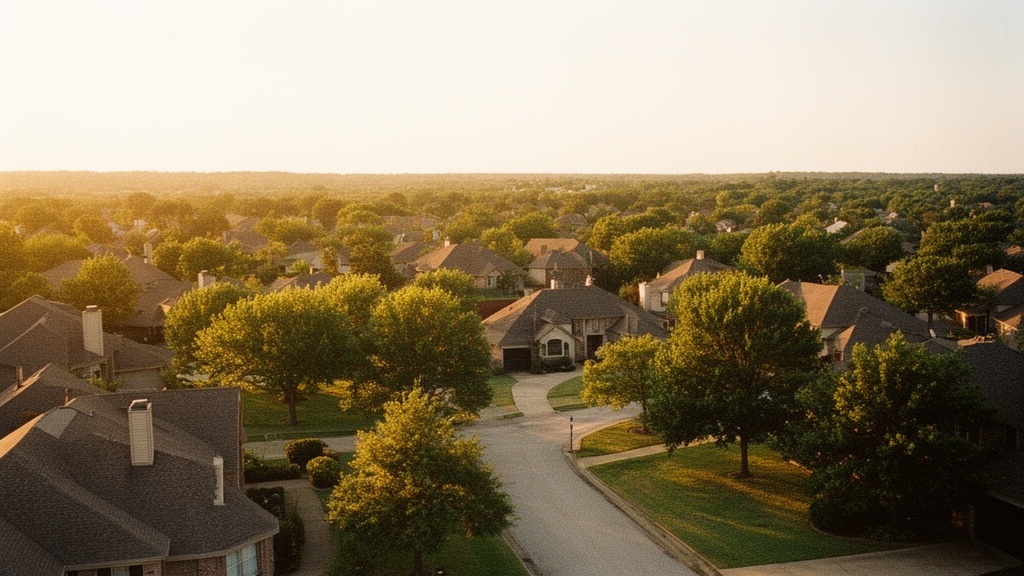
1. Carmel-by-the-Sea'daki mevcut piyasa
Carmel-by-the-Sea her zaman kendi kurallarıyla oynadı.Kasaba biraz daha fazla bir mil kareyi kaplar, sokak adresleri yoktur ve kabinlerin tarihi karakterini değiştirecek çoğu yeni inşaata izin verilmez. Bu fiziksel sınırlar, arzı yapısal olarak California'nın çoğu pazarından daha kısıtlı tutar ve bu gerçek, 2026 Ağustos'unda gözlemlediğimiz Carmel-by-the-Sea emlak trendlerinin her yönünü etkiliyor.
Arz tarihsel olarak dar kalmaya devam ediyor
Carmel-by-the-Sea'da satışta olan aktif konut envanteri 2026'da pandemi öncesi seviyelerin çok altında kaldı.Bu yaz herhangi bir anda kasabada genellikle yirmiden az bağımsız ev piyasada bulunuyordu ve deniz manzaralı ya da Carmel Beach'e yakın, taşınmaya hazır evlerle filtrelediğinizde bu sayı daha da azalıyor. Yıllar önce satın alanlar düşük faizli ipoteklerini yeni bir krediyle değiştirmeye isteksiz kalıyor, bu da arzın büyük bir kısmını piyasadan uzak tutuyor.
Mevcut veriler, tarafından takip edilen Redfin'deki Carmel-by-the-Sea piyasa sayfası, iyi fiyatlanmış evlerin genellikle piyasada sadece birkaç gün içinde satıldığını ve kasaba merkezinde iyi sunulan mülklerin çoğunlukla ilk hafta içinde birden fazla teklif aldığını doğruluyor.
Üst segmentte fiyatlar güçlü kalıyor
Carmel-by-the-Sea'da şu an ortalama konut fiyatı $3 million ile $4 million arasında ve okyanus ya da deniz manzaralı evler rutin olarak $5 million'dan fazla satılıyor.Kasabadaki metrekare başına düşen fiyat, yürünebilir şehir merkezi, Carmel Beach'in beyaz kumlu hilali ve konutların mimari karakteri için alıcıların ödediği primi yansıtarak Monterey yarımadasının diğer bölgelerinden sürekli olarak daha yüksek. 2025 sonlarında görülen hafif fiyat düşüşü 2026'nın ilk yarısında büyük ölçüde tersine döndü.
2. Carmel-by-the-Sea'da konut talebini ne tetikliyor
Carmel-by-the-Sea emlak trendlerinin talep tarafını anlamak alıcılara gerçekçi beklentiler belirlemede ve satıcılara en olası alıcı profillerini tanımada yardımcı olur.Bu pazarda talep homojen değil; farklı süreler ve motivasyonlarla çeşitli gruplardan geliyor.
Uzaktan çalışma ve sahile yeniden yerleşim
Hibrit ve tamamen uzaktan çalışmanın normalleşmesi, 2026'nın ilerleyen dönemlerine kadar yeniden yerleşim talebini yüksek tuttu.San Francisco Körfez Bölgesi'ndeki alıcılar hala Carmel-by-the-Sea işlemlerinin önemli bir kısmını oluşturuyor. Carmel ile South Bay arasındaki yolculuk, rotaya göre yaklaşık 75 ila 90 mil; ayda sadece birkaç gün yolculuk eden haneler için sahilde tam zamanlı yaşamak bu mesafeye değer. Los Angeles, Seattle ve diğer eyaletlerden, özellikle Kuzeybatı Pasifik ve Kuzeydoğu'dan alıcılar da aktif durumda.
Carmel'in doğal ortamının cazibesi
Carmel-by-the-Sea, Big Sur kıyısının kuzey ucunda yer alır; güneyde Point Lobos State Natural Reserve ve kasabanın doğusunda Carmel River State Beach bulunur.Ana cadde Ocean Avenue kumsala açılır ve çoğu mahalleye yürüyüş mesafesindeki galeriler, restoranlar ve butikler tarafından iki taraflı olarak çevrilidir. Carmel Mission Basilica, Tor House ve bölgenin 20. yüzyıl başı yazarlar ve sanatçılarla derin bağları, alıcıların bu pazarı California'daki diğer sahil yerlerine tercih etme nedenleri arasında sıkça zikrettiği kültürel bir zenginlik katıyor.
Pebble Beach, 17-Mile Drive ve kumsalı, kıyıyı güneşli ve sıcak Carmel Valley şarap bölgesiyle 20 dakikadan kısa sürede bağlayan Carmel Valley Road'a yakınlık, günlük yaşamında çeşitlilik arayanlar için cazibesini artırıyor.
3. Kasabadaki konut tipleri ve fiyat aralıkları
Carmel-by-the-Sea pazarının en belirgin özelliklerinden biri, biraz fazla bir mil karede çeşitli mimari stillerin yoğunlaşmış olmasıdır.Farklı konut tiplerinin şu an hangi fiyat aralıklarında satıldığını bilmek, alıcıların aramalarını yönlendirmelerine ve satıcıların güvenle fiyat belirlemelerine yardımcı olur.
Masal gibi kabinler
Hugh Comstock gibi mimarların 1920 ile 1950 yılları arasında inşa ettiği ikonik masal kabinleri, kasabanın en çok talep gören konutları arasındadır.Bu evler genellikle 800 ile 1,800 sq ft arasında olup oyma ahşap işleri, kapı kemerleri ve ortalama 4,000 ile 6,000 sq ft arasında olgun bahçeleriyle bilinir. Kasaba merkezinde iyi korunmuş örnekler şu anda yaklaşık $2 million'dan başlıyor ve önemli mimari değere veya yakın tarihli renovasyonlara sahipse kolayca $3.5 million'ı aşabiliyor.
Daha büyük konutlar ve deniz manzaralı mülkler
Kasabanın batı tarafındaki, özellikle Scenic Road boyunca Carmel Beach'e bakan evler pazarın üst segmentini oluşturuyor.Bu mülkler genellikle 2,500 ila 5,000+ sq ft aralığında olup görüş hattına, arsa büyüklüğüne ve duruma bağlı olarak düzenli olarak $6 million ile $12 million veya daha fazlasına satılıyor. Pazar ayrıca orta yüzyıl evleri ve yeni kişiye özel yapılar içeriyor; iç finisajlar ve kasaba içindeki konuma göre geniş fiyat aralıkları sunuyor.
Carmel-by-the-Sea fiyatlarının yarımadadaki yakın topluluklarla nasıl karşılaştırıldığına dair daha geniş bir bağlam içinLa página de valor de viviendas de Carmel-by-the-Sea en Zillowdüzenli olarak ortalama değerler ve fiyat eğilimleri hakkında güncel bir bakış sunar ve başlangıç için iyi bir referans noktası olabilir.
4. Piyasa koşullarının alıcılar ve satıcılar üzerinde farklı etkileri
Aynı piyasa koşulları, işlemde hangi tarafta olduğunuza bağlı olarak çok farklı yorumlanır.Ağustos 2026'da Carmel-by-the-Sea gibi arzın düşük ve fiyatların dirençli olduğu bir ortamda, hem alıcıların hem de satıcıların harekete geçmeden önce net bir stratejiye ihtiyaçları var.
Pazara giren alıcılar için ipuçları
Alıcılar Carmel-by-the-Sea pazarına kararlı hareket etmeye hazır olarak yaklaşmalıdır.Stok az olduğu ve iyi değerlenen evler hızlı ilgi çektiği için, ziyaretler sırasında finansmanı sonradan halletmek bir seçenek değildir; başlamadan önce tamamen hazır olmalısınız. Nakit teklifler yüksek segmentte hâlâ yaygındır ve kasabadaki satıcılar her teklifi dikkatle tartar, genellikle daha yüksek fiyata kıyasla daha temiz bir sözleşmeyi tercih ederler.
Bölge dışından taşınan alıcıların kasabanın benzersiz mülkiyet kurallarını da dikkate alması gerekir.Carmel-by-the-Sea'daki kısa süreli kiralama kuralları sıkıdır ve şehir inşaat ile imar düzenlemeleri tarihi mülklerde bile küçük değişiklikleri denetler. Teklif vermeden önce bu sınırlamaları bilmek kapanış sonrası sürprizleri önler.
Evinizi satışa çıkarmayı düşünen satıcılar için ipuçları
Carmel-by-the-Sea'daki mevcut piyasada satıcılar genellikle avantajlı konumdadır, ancak fiyatlandırma stratejisi hala belirleyicidir.Doğru fiyatlandırılmış evler baştan alıcıda daha fazla güven oluşturur ve genellikle sofistike alıcılardan daha temiz ve rekabetçi teklifler çeker. Karşılaştırılabilir aralığının tepe noktasında veya hemen altında iyi hazırlanmış ve doğru değerlenmiş bir ev, genellikle yüksek başlayıp sonradan indirime giden bir evden daha iyi performans gösterir.
Sunum bu piyasada da çok önemlidir.2 milyon $ ile 5 milyon $ segmentindeki alıcılar profesyonel fotoğraf, mimari karaktere saygı gösteren özenli bir sahneleme ve Hem Bay Area hem de eyalet dışı alıcılara ulaşan bir pazarlama planı bekler. Alıcıların bu düzeyde harcama yaptığı bir piyasada sunuma tam yatırım yapmak, satıcı için en yüksek getiriyi sağlayan kararlardan biridir.
SSS
¿Es ahora un buen momento para comprar en Carmel-by-the-Sea?
Carmel-by-the-Sea'da satmak için en ideal zaman tahmin etmek zordur çünkü kasabadaki arz yapısal olarak çok sınırlıdır. Şu anda, Ağustos 2026'da, fiyatlar sağlam ve stok kıttır; bu yüzden büyük bir düzeltmeyi beklemek risk taşır: ilgilendiğiniz bir ev piyasaya çıkarsa ikinci bir şans olmayabilir. En faydalı soru, kişisel finanslarınızın, takviminizin ve mülkü kullanma planınızın bugünkü pazarla uyumlu olup olmadığıdır. Aktif ve pazardaki olmayan stokları yakından takip eden yerel bir danışmanla konuşmak en pratik ilk adımdır.
Carmel-by-the-Sea'da konutlar genellikle piyasada ne kadar kalır?
Ağustos 2026'da, kasabanın merkezi konumunda iyi yerleştirilmiş ve iyi sunulmuş evler genellikle 30 gün içinde satılıyor ve bazıları ilk hafta ciddi ilgi görüyor. Aşırı fiyatlandırılmış veya büyük onarım gerektiren mülkler genellikle daha uzun kalıyor, bazen 60–90 gün veya daha fazla ve sık sık birden fazla indirimle satışa gidiyor. Carmel-by-the-Sea'da iyi pozisyonlanmış ve kötü pozisyonlanmış evler arasındaki fark, daha fazla işlem olan pazarlara göre daha büyüktür; çünkü daha az işlem bireysel fiyatlama hatalarını dengilemez.
Bölge dışından gelen alıcıların Carmel-by-the-Sea'da satın almadan önce bilmesi gerekenler
Carmel-by-the-Sea'yi California'nın diğer sahil pazarlarından ayıran birkaç unsur var; bunların çoğunu bölge dışı alıcılar ancak satın alma sürecindeyken fark ediyor. Kasabada sokak adresleri yok; posta postaneden alınır ve evler parsel ve blok numarasıyla tanımlanır. Tatil kiralama izinleri son derece sınırlıdır ve almak zordur; Airbnb gibi platformlarla kira gelirleriyle masrafları karşılamayı umanların satın almadan önce izinlerin ne olduğunu doğrulaması gerekir. Şehir tasarım inceleme süreci birçok dış değişikliğe uygulanır, bu da yenilemelerin tipik bir şehirdekinden daha fazla planlama gerektirdiği anlamına gelir. Baştan itibaren kasaba kurallarını bilen bir danışmanla çalışmak zaman kazandırır ve hayal kırıklıklarını önler.