← Back to Blog
Market Trends
Delaware, Delaware Has the Best Reputation Real Estate Market Guide: Prices, Neighborhoods and Timing
By Faruq Shittu
September 24, 2026 · 9 min read
Delaware, Ohio has built a strong reputation as one of central Ohio's most consistent real estate markets, and this guide breaks down exactly what that means for buyers and sellers right now. You will find current price data for September 2026, a plain-language look at what different parts of the city offer, and honest guidance on timing your move. Whether you are relocating, upgrading, or selling for the first time, this is the local detail you need before making a decision.
1. Why Delaware, Ohio Has Earned Its Real Estate Reputation
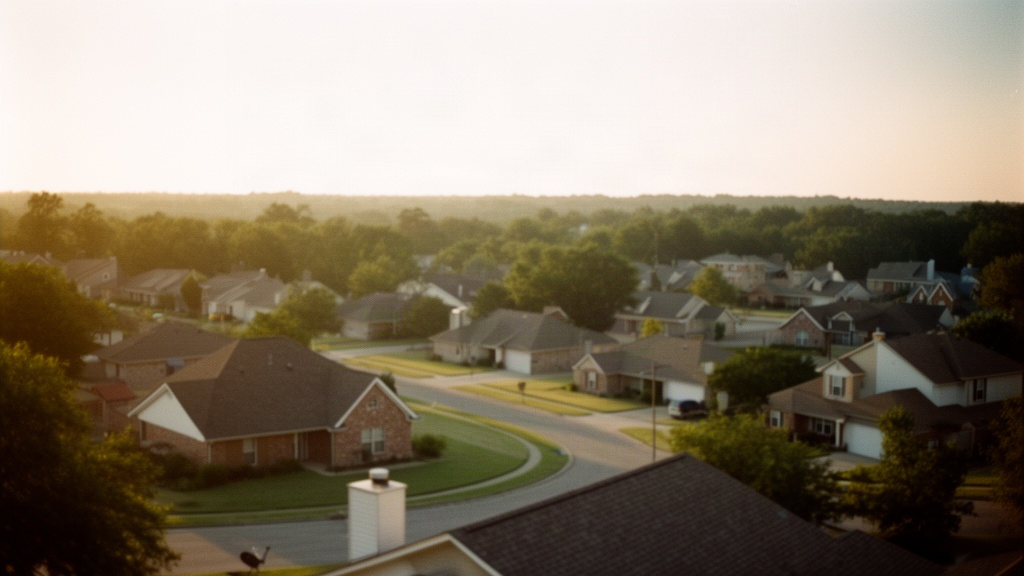
Delaware, Ohio consistently attracts buyer interest because it offers something genuinely rare in central Ohio: a historic small city with a functioning downtown, established neighborhoods, and direct access to Columbus without being absorbed by Columbus sprawl. That combination keeps demand relatively steady even when broader market conditions shift.
A Consistent Demand Story
Delaware County has been one of the fastest-growing counties in Ohio for over a decade. The city of Delaware sits at the county seat, which means it draws not only residential buyers but also people relocating for county government jobs, Ohio Wesleyan University positions, and healthcare roles at OhioHealth Grady Memorial Hospital on North Washington Street. That employment diversity gives the housing market a broader base than a single-employer town would have.
The city's reputation also rests on its physical character. The Olentangy River runs through the western edge of the city, Alum Creek State Park sits just east of the city limits, and the downtown stretch of Sandusky Street has seen steady reinvestment over the past several years with independent restaurants, breweries, and retail filling storefronts that were vacant a decade ago. Buyers notice that kind of momentum.
What the Numbers Say Right Now
National real estate data sources track Delaware, Ohio as part of the broader Columbus metropolitan area, and regional assessments from organizations like the National Association of Realtors confirm that central Ohio markets including Delaware have maintained above-average price appreciation compared to Midwest peers. You can review the NAR Region III Local Market Assessments for broader regional context, though the Delaware, Ohio picture is best understood at the local level with current MLS data.
For a detailed look at how prices have moved month over month, the companion article on what home prices are doing in Delaware, Ohio right now in September 2026 compared to last year goes deeper into the year-over-year comparisons.
2. Current Home Prices in Delaware, Ohio
As of September 2026, the median sale price for single-family homes in Delaware, Ohio sits in the range of $340,000 to $370,000, depending on the week and the specific sub-area within city limits. That figure has risen from the low-to-mid $300,000s seen in late 2024, reflecting continued demand pressure against a housing stock that has not expanded fast enough to absorb all willing buyers.
Median Price and Price Per Square Foot
Price per square foot in Delaware, Ohio currently runs between $175 and $210 for most resale homes. New construction in the newer subdivisions on the north and northwest sides of the city tends to come in at the higher end of that range or slightly above it, while older homes in established neighborhoods closer to downtown often price below $185 per square foot because buyers factor in the cost of updates. Condition and location within the city still drive meaningful price differences even within the same zip code.
Condominiums and townhomes represent a smaller share of Delaware's housing stock than detached single-family homes, but they do exist, particularly in a handful of newer developments. Those units generally list between $220,000 and $290,000 in September 2026, making them a relevant option for buyers who want a lower entry price or reduced exterior maintenance responsibility.
How Prices Break Down by Housing Type
The city's housing stock is genuinely varied. You will find late-1800s and early-1900s Victorian and Craftsman homes in the historic core, brick colonials and cape cods from the 1940s through 1960s on the established mid-city streets, and large newer builds with open floor plans and three-car garages in the subdivisions that have gone up along US-23 North and State Route 521 over the past decade.
Older homes in the $280,000 to $320,000 range often have larger lots, mature trees, and architectural detail that newer construction does not replicate. Newer construction in the $380,000 to $480,000 range typically offers larger square footage, modern mechanicals, and energy-efficient windows and HVAC systems. Both categories sell, and the right choice depends entirely on what a buyer prioritizes.
3. Neighborhood Features Across Delaware, Ohio
Delaware, Ohio is not a single-character city. Different parts of town have genuinely different physical qualities, price points, and day-to-day experiences. Understanding those differences helps buyers focus their search and helps sellers price and market their home accurately.
Downtown and the Historic Core
The streets immediately surrounding downtown Delaware, including William Street, Franklin Street, and the blocks adjacent to Sandusky Street, contain some of the city's oldest and most architecturally distinctive housing. Lot sizes here tend to be narrower, sidewalks are present, and most destinations on Sandusky Street are within a short walk. The tradeoff is that many of these homes require ongoing maintenance investment, and parking is sometimes limited to a single-car detached garage or on-street spots.
For a ground-level look at what daily life actually feels like in this part of the city, the article on what it is like to live in the Historic District of Delaware, Ohio day to day covers the practical details buyers often overlook until after they have moved in.
Newer Subdivisions on the North and West Edges
Development along the US-23 corridor north of downtown and along the State Route 521 and Peachblow Road areas to the west has produced a significant amount of newer housing since the early 2010s. Subdivisions in these areas typically feature homes built between 2012 and 2026 with two-car or three-car garages, open-concept main floors, and HOA-maintained common areas. Lot sizes vary but commonly run between a quarter acre and a half acre.
Several new phases of development are still actively under construction as of September 2026, which means buyers in this part of the city have both resale and new-build options at the same time. The article on new housing developments and subdivisions in Delaware, Ohio in 2026 lists the active projects and what they are offering.
Mid-Century Streets and Established Blocks
Between the historic core and the newer suburban edges, Delaware has a wide band of mid-century housing built primarily between 1945 and 1980. Streets like Euclid Avenue, Union Street, and the neighborhoods east of North Sandusky Street toward Stratford Road contain ranch homes, split-levels, and two-story colonials on lots that are typically larger than downtown parcels but smaller than the newest subdivisions.
These homes often represent the strongest value per square foot in the city because they have been updated over the decades but still carry lower price tags than new construction. Buyers who are comfortable evaluating HVAC age, roof condition, and window quality will find strong options in this segment of the market.
4. Commute Times, Amenities, and What Makes Delaware Livable
A city's real estate market does not exist in isolation from its daily livability. Delaware, Ohio earns its reputation in part because the practical experience of living there holds up well against the price you pay.
Getting to Columbus and Beyond
Downtown Delaware is approximately 25 miles north of downtown Columbus via US-23. Under normal conditions that drive takes 30 to 35 minutes. During peak morning and evening rush hours, particularly on US-23 between Delaware and Powell, that can stretch to 45 to 55 minutes depending on where in Columbus you are headed. Buyers commuting to the Polaris area or to Dublin are often looking at 20 to 30 minutes in moderate traffic because those employment centers are considerably closer than downtown Columbus.
State Route 315 provides an alternative southbound route through Powell and into northern Columbus, and some Delaware residents use it to vary their commute. Interstate 71 is accessible from the eastern side of the county, adding another option for those working in northeast Columbus or near the airport.
Parks, Trails, and Everyday Conveniences
Alum Creek State Park, located just east of the city, offers over 3,000 acres of land with a marina, swimming beach, and extensive trail systems. The Olentangy Trail runs through the city itself and connects to a broader regional trail network. Mingo Park on the west side of the city provides athletic fields, a disc golf course, and open green space within the city limits.
For everyday errands, Delaware has a Kroger, an ALDI, a Meijer, and several independent grocers. The downtown Sandusky Street corridor includes independent coffee shops, a handful of sit-down restaurants, and a growing number of service businesses. Larger retail is concentrated along US-23 near the southern edge of the city, where national chains and a Home Depot are accessible without leaving Delaware.
5. Timing the Market: When to Buy or Sell in Delaware, Ohio
Timing matters in any real estate transaction, but it matters differently depending on which side of the deal you are on. Delaware, Ohio follows central Ohio's general seasonal pattern with some local nuances worth understanding.
The Seasonal Pattern in Delaware
Listing activity in Delaware, Ohio peaks in April through June, when buyers are most active and competition among sellers is highest. Inventory typically tightens through late summer as fewer new listings come to market. Fall, from September through November, brings a secondary wave of motivated buyers who did not find a home in the spring. December and January are the slowest months for both listings and sales, though serious buyers remain active and face less competition during that window.
What September 2026 Looks Like for Buyers
Right now in September 2026, buyers in Delaware, Ohio are operating in a market where inventory remains below the historical norm but is slightly higher than it was in the spring peak. That means there are more homes to choose from than there were in April and May, and the most aggressive bidding wars have cooled. Well-priced homes in good condition are still selling quickly, often within one to two weeks of listing, but buyers are less frequently being asked to waive inspection contingencies than they were 18 months ago.
Mortgage rates in September 2026 remain a significant factor in buyer purchasing power. Buyers who have not yet spoken with a lender should do so before touring homes, because the rate you qualify for directly determines which price ranges are realistic. Getting pre-approved before making an offer is a baseline expectation in this market, not an optional step.
What September 2026 Looks Like for Sellers
Sellers listing in September 2026 are entering a market that still favors them on price but requires more attention to presentation and pricing strategy than the frenzy years of 2021 and 2022. Overpriced homes are sitting longer than they did two years ago, and price reductions are more common. Homes that are priced accurately from day one, presented well, and marketed to the pool of active fall buyers are still achieving strong sale prices.
Sellers who are also buying in the same market have more negotiating room on the buy side than they did in 2021, which makes a simultaneous sale and purchase more manageable today. Working with an agent who knows both sides of that equation in Delaware specifically is important because the timing of contingencies can make or break the transaction.
For a deeper look at the specific question of whether to list now or wait for spring, the article on whether to sell your home in Delaware, Ohio in September 2026 or wait until spring works through the tradeoffs in detail.
FAQ
Is Delaware, Ohio a buyer's market or a seller's market right now?
As of September 2026, Delaware, Ohio still leans toward sellers on price, but the balance has shifted meaningfully from the extreme seller's market of 2021 and 2022. Inventory is higher than it was during those years, homes are spending more days on market before going under contract, and buyers have more room to negotiate on inspection items and closing cost contributions. The market is best described as a moderate seller's market rather than a one-sided one, and conditions vary noticeably between price segments and between resale and new construction.
What types of homes are available in Delaware, Ohio and what do they cost?
Delaware, Ohio has a genuinely diverse housing stock that spans late-1800s Victorian homes in the historic core, mid-century ranches and colonials on established streets, and newer two-story builds in subdivisions developed since 2010. As of September 2026, the median sale price for single-family homes runs in the $340,000 to $370,000 range, with older homes often coming in below that figure and newer construction frequently listing above $400,000. Condominiums and townhomes are a smaller segment of the market and typically list between $220,000 and $290,000. Price per square foot currently ranges from approximately $175 to $210 for most resale homes.
How long does it take to commute from Delaware, Ohio to Columbus?
The drive from downtown Delaware to downtown Columbus via US-23 is approximately 25 miles and takes 30 to 35 minutes under normal conditions. During peak rush hours, that commute can extend to 45 to 55 minutes depending on traffic and your specific Columbus destination. Buyers commuting to employment centers closer to Delaware, such as the Polaris area or Dublin, often experience commutes in the 20 to 30 minute range. There is no direct rail or bus rapid transit connection between Delaware and Columbus as of September 2026, so the commute is almost entirely car-dependent.