
← Back to Blog
Selling
Selling a Home in Swan River, Manitoba, Canada: Pricing, Timeline and What to Expect
By Gene Vestby
September 3, 2026 · 10 min read
Selling a home in Swan River, Manitoba, Canada involves more than planting a sign in the yard. From setting the right price to understanding how long the process takes in a smaller Prairie market, there are real decisions to make at every stage. This guide walks through each one so you know exactly what to expect before you list.
1. How Swan River's Market Shapes Your Sale
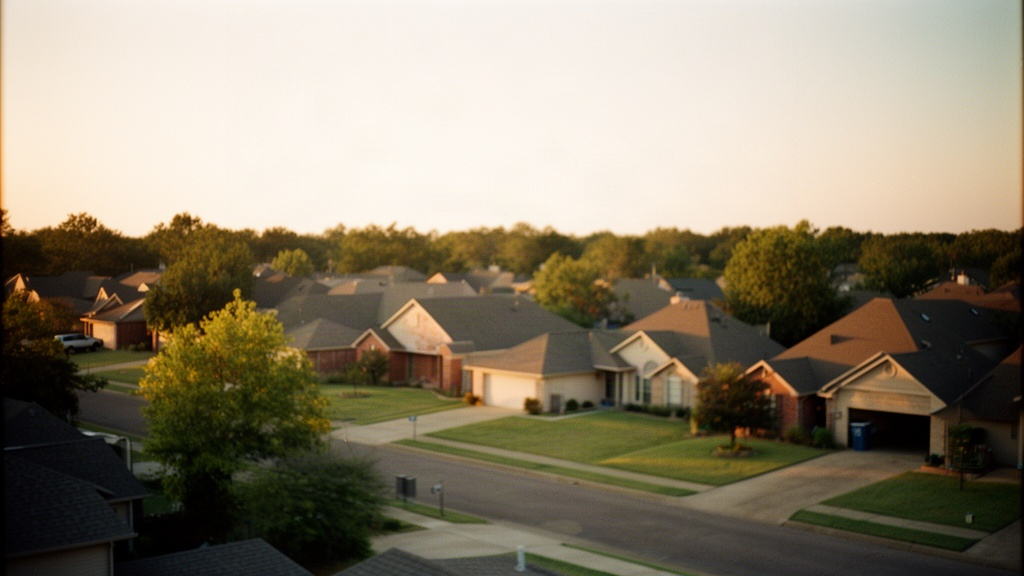
Swan River operates on its own rhythm. It is not Winnipeg, Brandon, or even Dauphin. The pool of active buyers at any given time is smaller, the inventory turns over more slowly, and pricing is driven by a tight set of comparable sales rather than broad neighbourhood trends. Understanding that reality is the first step toward a successful sale.
What Makes Swan River Different from Urban Markets
Swan River sits in the Swan Valley in northwestern Manitoba, roughly 620 kilometres northwest of Winnipeg along Highway 10. The town has a population of around 3,800, with the broader Swan Valley region adding several thousand more across surrounding municipalities. That means your buyer pool is a combination of local move-up buyers, people relocating from other Manitoba communities, and occasionally buyers coming from Saskatchewan or Alberta who want affordable acreage-adjacent living.
The housing stock in Swan River is predominantly single-detached homes, ranging from modest bungalows built in the 1950s and 1960s to two-storey homes constructed through the 1980s and 1990s. There are a smaller number of newer builds on the edges of town, and acreage properties are common within a 15 to 30-minute drive. Condominiums and townhouses exist but represent a thin slice of the market. Knowing which category your home falls into matters a great deal for pricing and marketing.
Current Market Conditions in September 2026
As of September 2026, Swan River's resale market reflects the broader Prairie small-city pattern: demand is steady rather than frenzied, and well-priced homes in good condition are moving. Listings that are overpriced or poorly presented tend to sit, which in a small market can quickly become a visible problem. Buyers here are often practical and financially cautious, and they notice when a home has been on the market for an extended period.
For a broader look at Swan River real estate conditions, including price benchmarks and seasonal patterns, the Swan River, Manitoba, Canada Real Estate Market Guide on this site covers those details in depth.
2. Pricing Your Swan River Home Strategically
Price is the single biggest factor in how quickly your home sells and what you ultimately walk away with. In a market like Swan River, where comparable sales are limited, pricing requires careful analysis of a small number of transactions rather than broad averages. Getting this right from the start matters more here than it would in a city where dozens of similar homes sell every month.
How a Comparative Market Analysis Works Here
A comparative market analysis, commonly called a CMA, looks at homes that have sold recently in Swan River that are similar to yours in size, age, condition, and location. In a smaller market, "recently" may mean the past six to twelve months rather than the past 90 days, because there simply may not be enough sales in a shorter window to draw reliable conclusions. Gene Vestby pulls these comparables directly from local MLS data and adjusts for differences like a finished basement, a detached garage, or a larger lot.
Location within Swan River also affects value. A home a few blocks from Kelsey Trail Regional Health Centre on the north side of town sits in a different context than a property backing onto the Byran Memorial Park green space near the river. Proximity to Highway 10, lot size, and whether the property has a heated garage all move the needle in this market. A CMA accounts for those specifics rather than treating every Swan River address the same.
The National Association of Realtors notes that strategic pricing in a shifting market means anchoring to real sold data rather than what sellers hope the market will bear. That principle applies directly in Swan River, where buyers are informed and have access to the same public listing history you do.
Common Pricing Mistakes in Smaller Markets
The most common mistake sellers make in Swan River is pricing based on what they paid plus renovation costs, rather than what the market will support. Renovations add value, but not always dollar for dollar. A fully updated kitchen in a home that otherwise needs work may not recover its full cost in resale. A second common error is pricing above comparables with the intention of "leaving room to negotiate." In a thin market, an overpriced listing discourages showings entirely, which means no offers to negotiate at all.
A third mistake is ignoring active competition. If three similar homes are currently listed in Swan River and yours is priced noticeably higher, buyers will simply view the others first. In a market where a new listing is a local event, first impressions carry unusual weight.
3. Preparing Your Home Before It Goes to Market
Preparation directly affects both your final sale price and how long your home sits on the market. Homes that are clean, repaired, and well-photographed receive more showings and stronger offers than those that are not, regardless of market size. In Swan River, where buyers may be viewing only a handful of active listings at any time, presentation creates a meaningful competitive advantage.
What Buyers Notice First in Swan River Listings
Because Swan River winters are long and cold, buyers pay close attention to mechanical systems. A furnace that is more than 20 years old, a hot water heater at the end of its life, or visible moisture in the basement will come up in any home inspection and often in the offer itself as a price reduction or a condition. Addressing known mechanical issues before listing, or pricing them in transparently, removes friction from the negotiation process.
Curb appeal matters even in September. The exterior of your home is the first thing buyers see when they pull up, and in a smaller community, many potential buyers have already driven past your property before they book a showing. A tidy yard, clean eavestroughs, and a freshly painted front door cost relatively little and signal that the home has been maintained.
Repairs, Staging and Photography on a Practical Budget
Full professional staging is less common in Swan River than in larger urban centres, but decluttering and depersonalizing accomplish most of the same goals at no cost. Removing excess furniture, clearing countertops, and storing personal items allows buyers to picture themselves in the space. For homes with dated interiors, a fresh coat of neutral paint in the main living areas is consistently one of the highest-return pre-sale investments.
Professional photography is worth the investment even in a smaller market. Most buyers in the Swan River area begin their search online, browsing MLS listings before they ever contact an agent. Listings with bright, well-composed photos receive significantly more clicks than those with dark or blurry images. Gene Vestby coordinates professional photography as part of the listing process so that your home is represented accurately and attractively from day one.
The National Association of Realtors offers a practical consumer guide on preparing to sell your home that covers the full pre-listing checklist in plain language. It is a useful companion to the local-specific advice in this post.
4. The Selling Timeline: What Each Stage Actually Takes
A realistic timeline helps you plan your move and avoid surprises. In Swan River, the full process from the decision to sell through to receiving sale proceeds typically spans two to four months for a well-priced home, though individual circumstances vary considerably. Here is how each stage generally breaks down.
Pre-Listing to Active Listing
Pre-listing preparation typically takes two to four weeks, depending on how much work the home needs and how quickly you can complete it. This stage includes the CMA meeting with Gene Vestby, any repairs or touch-ups, decluttering, and photography. If your home requires more substantial updates, this window can extend to six weeks or more. Rushing this stage to get on the market faster often costs more in final price than the time saved.
Once your home is listed on MLS, the first two weeks are the most active. This is when the buyers who have been waiting for something like your property will book showings. In Swan River, a correctly priced home in good condition often receives its strongest offer within the first 10 to 21 days. If showings are happening but no offers are coming, that is feedback: either the price needs adjustment or something in the presentation is creating hesitation.
Offer Accepted to Closing Day
Once you accept an offer, the conditional period begins. Most offers in Manitoba include conditions for financing approval and a home inspection, each typically running five to ten business days. If the buyer's lender requires an appraisal, that can add a few more days. Once conditions are waived and the sale is firm, you move into the closing period, which in Swan River most commonly runs 30 to 60 days, though shorter and longer closings are negotiable.
During the closing period, your real estate lawyer prepares the transfer documents, confirms the title is clear, and coordinates with the buyer's lawyer and lender. In Swan River, local law firms handle the majority of residential real estate closings. Gene Vestby can point you toward lawyers familiar with Swan River transactions so the process moves smoothly. On closing day, funds are transferred and keys change hands.
If you are also buying your next home, coordinating the two closings requires careful planning. The Buying a Home in Swan River, Manitoba, Canada: Process, Costs and Timeline article on this site walks through the buyer side of that process in detail.
5. Costs, Paperwork and Closing in Manitoba
Sellers in Manitoba carry a specific set of costs that are worth understanding before you set your net proceeds expectations. Knowing these numbers in advance prevents surprises at the closing table and helps you evaluate whether an offer is truly acceptable once costs are factored in.
What Sellers Pay in Manitoba
Real estate commission is the largest seller cost and is negotiated between you and your agent at the time of listing. In Manitoba, commission is not fixed by law and varies by brokerage and service level. Legal fees for the seller side of a residential transaction in Swan River typically run between $800 and $1,500 depending on the complexity of the file. If you have a mortgage on the property, your lender may charge a discharge fee, which varies by institution and can range from a few hundred dollars to several hundred depending on whether you are breaking a fixed-rate term early.
Property taxes are prorated to the closing date, so if you have paid your annual Swan River municipal taxes in full and the buyer takes possession partway through the year, you will receive a credit for the unused portion. Conversely, if taxes are unpaid, they are deducted from your proceeds. Manitoba does not charge a land transfer tax to sellers; that cost falls to the buyer. There is no provincial capital gains tax on the sale of a principal residence at the federal level, though if the property is an investment or rental, capital gains rules apply and you should speak with an accountant.
Documents and Legal Requirements
Manitoba sellers are required to complete a Seller's Disclosure Statement, which documents known material defects in the property. This includes issues like a history of water intrusion, known structural problems, or defects in major systems. Completing this document honestly protects you legally and sets accurate expectations for buyers. Gene Vestby walks sellers through this form at the listing stage so nothing is missed or misrepresented.
You will also need to provide proof of title, which your lawyer pulls from the Manitoba Land Titles Office. If there are any encumbrances, easements, or caveats on the title, these are identified and resolved before closing. For rural or acreage properties near Swan River, additional documentation around well water, septic systems, or right-of-way agreements may be required. Starting the legal process early gives your lawyer time to resolve any title issues without delaying your closing date.
If you want to browse what is currently available in Swan River while you plan your sale, the Homes for Sale in Swan River, Manitoba page gives you a current look at active listings.
FAQ
What is the best time of year to sell a home in Swan River, Manitoba?
Spring, from late April through June, is historically the most active period for home sales in Swan River, as buyers emerge after winter and families aim to move before the school year ends. That said, September 2026 is also a workable time to sell: summer inventory has thinned, and motivated buyers who did not find a home over the summer are still active. The most important factor in any season is pricing accurately and presenting the home well. A correctly priced home in November will outperform an overpriced one in May.
How long does it typically take to sell a house in Swan River?
For a well-priced home in good condition, sellers in Swan River can expect to receive an offer within three to six weeks of listing, though this varies with the season, price point, and current inventory levels. After an offer is accepted, the conditional period and closing process add another five to ten weeks in most transactions. From the decision to sell through to receiving proceeds, budgeting three to four months is realistic for most situations. Homes that are overpriced or need significant work may sit considerably longer.
Do sellers in Manitoba need a lawyer to close a real estate transaction?
Yes. In Manitoba, both the buyer and the seller are required to have independent legal representation to complete a real estate transaction. Your lawyer reviews the purchase agreement, prepares the transfer of title documents, confirms the property title is clear, coordinates with the buyer's lawyer, and disburses funds on closing day. In Swan River, local law firms handle the majority of residential closings. Legal fees for sellers typically range from $800 to $1,500 for a straightforward transaction, though complex files or title issues can increase that cost. Gene Vestby can refer you to lawyers experienced with Swan River real estate.