
← Back to Blog
Buying
Buying a Home in Folsom, California: Process, Costs and Timeline
By Irina Mikayelyan
Keller Williams Realty · DRE# 02356303
September 17, 2026 · 10 min read
Buying a home in Folsom, California involves more moving parts than most first-time buyers expect, from pre-approval to the moment you get the keys. This guide walks through the full process, the real costs you will encounter, and a realistic timeline so you know what to plan for before you start.
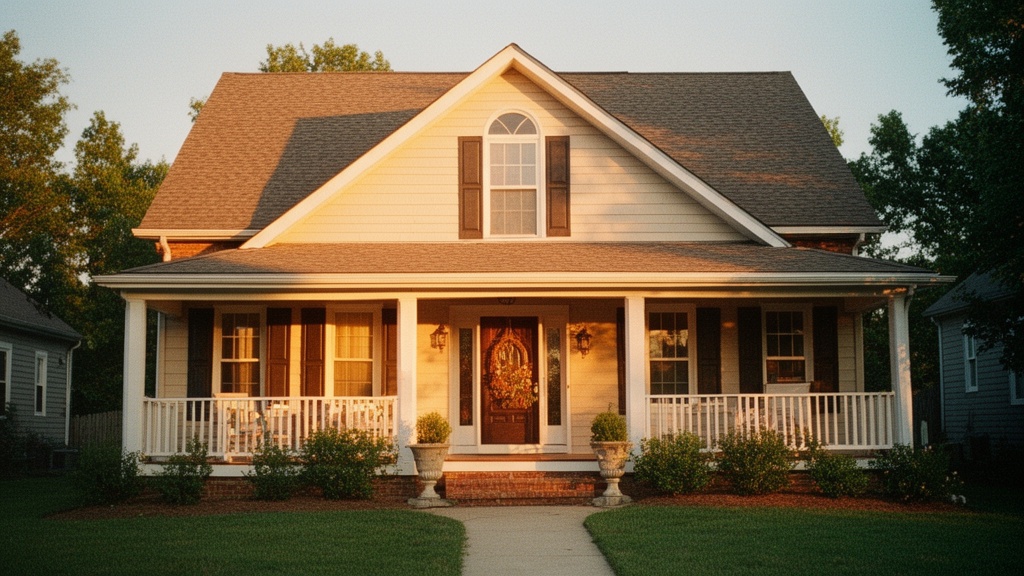
1. Why Folsom Draws Buyers from Across the Sacramento Region
Folsom sits about 27 miles northeast of downtown Sacramento, making it one of the more accessible suburban cities in the region for people who commute into the capital or work along the US-50 corridor toward El Dorado Hills and Rancho Cordova.
The city borders Folsom Lake, a 12,000-plus-acre reservoir that anchors the Folsom Lake State Recreation Area and gives residents direct access to hiking, kayaking, and mountain biking trails. The American River Parkway trail system connects Folsom to the broader Sacramento region by bike path, running roughly 32 miles toward Discovery Park in Sacramento.
What the Housing Stock Looks Like
Folsom's housing inventory spans a wide range. Older neighborhoods near Historic Sutter Street, built mostly in the 1980s and 1990s, tend to feature single-story ranch-style homes on lots of 6,000 to 9,000 square feet. Newer master-planned communities in Empire Ranch, Briggs Ranch, and Russell Ranch include two-story homes built from the late 1990s through the 2010s, with square footage typically ranging from 1,800 to 3,500. The newest construction activity is concentrated in the Folsom Ranch area in the south, where builders like Toll Brothers and Taylor Morrison have been delivering homes on parcels annexed in the 2010s.
As of September 2026, the median home sale price in Folsom is running in the low-to-mid $700,000s, with entry-level townhomes and condos starting closer to $400,000 and larger single-family homes in premium locations pushing past $1 million. For broader context on where Folsom fits within the Sacramento metro, see the Sacramento, California Real Estate Market Guide: Prices, Neighborhoods and Timing.
Commute and Location Context
Driving from Folsom to downtown Sacramento on US-50 takes roughly 35 to 50 minutes depending on traffic, with peak commute hours adding time on weekday mornings and late afternoons. The Sacramento Regional Transit light rail Gold Line runs from Folsom Station into downtown Sacramento, with the full trip taking approximately 60 to 70 minutes. For buyers who commute to Roseville, Rocklin, or Lincoln, Folsom is also within 25 to 35 minutes via Highway 50 and Interstate 80.
2. The Step-by-Step Process for Buying a Home in Folsom, California
The process of buying a home in Folsom, California follows California's standard purchase sequence, but local market conditions shape how each step plays out in practice.
Step 1: Get Pre-Approved
A pre-approval letter is not optional in Folsom's market. Sellers and listing agents routinely require a pre-approval letter before accepting or even scheduling showings on competitive properties. A pre-approval differs from a pre-qualification: the lender actually verifies your income, assets, and credit rather than just taking your word for it. Expect to provide two years of tax returns, recent pay stubs, two months of bank statements, and a credit authorization. The process typically takes three to seven business days with a responsive lender.
California first-time buyers should also ask lenders about the CalHFA MyHome Assistance Program and the CalHFA Dream For All Shared Appreciation Loan, both of which offer down payment and closing cost support for eligible buyers. Income and purchase price limits apply, and availability depends on program funding at the time you apply.
Step 2: Define Your Search
Before touring homes, get specific about what you need versus what you want. In Folsom, the difference between a home in Empire Ranch with an HOA and a home in the older Willow Creek or Oak Avenue Parkway neighborhoods without one can mean hundreds of dollars per month in carrying costs. Lot size, pool, three-car garage, and proximity to Folsom Lake or the Palladio shopping center are all variables worth ranking before you start touring.
Working with a buyer's agent who knows Folsom's individual neighborhoods is worth the time investment. If you are still evaluating whether the timing is right for you, the article Is Right Now a Good Time to Buy a Home in Sacramento, California or Should I Wait covers the current market conditions in detail.
Step 3: Make an Offer
California residential purchase agreements are detailed, multi-page contracts. Your offer will specify the purchase price, earnest money deposit (typically 1% to 3% of the purchase price in Folsom), contingency periods, and a proposed close of escrow date. In a competitive multiple-offer situation, buyers sometimes offer to shorten the inspection contingency period or increase their earnest money to strengthen their position. Your agent will advise on what terms make sense given the specific property and the number of competing offers.
Step 4: Escrow, Inspections and Contingencies
Once your offer is accepted, escrow opens and the clock starts on your contingency periods. Standard California contracts include an inspection contingency (typically 17 days), an appraisal contingency, and a loan contingency. During the inspection window you will order a general home inspection, and depending on the property you may also want a roof inspection, HVAC inspection, chimney inspection, and pest inspection. Folsom homes built in the 1980s and 1990s sometimes have original roofing and HVAC systems that warrant closer scrutiny.
For a detailed breakdown of what happens between signing and closing, the National Association of Realtors publishes a consumer guide covering the steps between signing and closing on a home that is worth reading before you enter escrow.
Step 5: Final Walk-Through and Close
The final walk-through typically happens within five days of closing, often the day before. Its purpose is to confirm the property is in the agreed-upon condition, that any negotiated repairs were completed, and that the sellers have vacated. At close, your lender funds the loan, the title company records the deed with Sacramento County, and you receive the keys. In California, possession typically transfers on the recording date unless you negotiated a different arrangement.
3. What It Actually Costs to Buy a Home in Folsom
The purchase price is only part of the financial picture. Buyers in Folsom need to budget for upfront costs, closing costs, and ongoing expenses that begin the day they take ownership.
Purchase Price and Down Payment
With a median price in the low-to-mid $700,000s as of September 2026, a conventional loan with 20% down on a $720,000 home requires $144,000 upfront. Buyers using FHA financing can put down as little as 3.5%, though FHA loan limits for Sacramento County are set annually and you will want to confirm the current limit with your lender. Conventional loans with less than 20% down require private mortgage insurance, which adds to the monthly payment until you reach 20% equity.
Closing Costs Breakdown
Closing costs in California typically run between 2% and 5% of the purchase price, depending on the loan type and the specifics of the transaction. On a $720,000 purchase, that range translates to roughly $14,400 to $36,000. The main components include lender origination fees, an appraisal fee (typically $600 to $900 in the Sacramento metro), title insurance, escrow fees split between buyer and seller, prepaid homeowners insurance, and prepaid property taxes. In Folsom, property taxes are assessed at approximately 1.1% of the purchase price as the base rate, though Mello-Roos and special district assessments can push the effective rate higher in certain communities.
Ongoing Costs After Closing
Beyond the mortgage payment, Folsom homeowners carry several recurring costs that buyers should factor into their budget before making an offer. HOA fees in communities like Empire Ranch typically range from $60 to $150 per month for basic common area maintenance, while newer Folsom Ranch communities with more amenities can run $200 or higher. Homeowners insurance in the Sacramento foothills has increased meaningfully in recent years as insurers reassess fire risk in California; buyers should budget for this and get insurance quotes early in the process, before removing contingencies.
For a broader look at what buying in California involves financially, Bankrate's guide to buying a house in California covers statewide cost benchmarks and loan options worth reviewing.
4. Realistic Timeline: How Long Does It Take?
Most buyers in Folsom should plan for a total timeline of two to five months from the start of their active search to the day they close on a home, though the range varies significantly based on how competitive the market is and how quickly a buyer can move when the right property appears.
Pre-Approval to Accepted Offer
Getting pre-approved takes one to two weeks if you gather your documents promptly. After that, the search phase varies the most. In a market like Folsom where well-priced single-family homes in established neighborhoods often receive multiple offers within the first weekend, buyers who are selective about price point or specific features may tour for four to twelve weeks before an offer is accepted. Buyers with more flexibility tend to move faster. Submitting two or three offers before one is accepted is common and should be planned for.
Escrow Period
Standard escrow in California runs 30 to 45 days from accepted offer to close. Some sellers in Folsom request a shorter 21-day close if they have already purchased or are relocating, while others need a 60-day close to coordinate their own move. Your ability to accommodate the seller's preferred timeline can sometimes matter as much as the price. Cash buyers can often close in 14 to 21 days, which is a meaningful advantage in competitive situations.
Total Timeline at a Glance
- Document gathering and pre-approval: 1 to 2 weeks
- Active home search: 4 to 12 weeks, depending on inventory and how quickly you find the right property
- Offer negotiation and acceptance: 1 to 5 business days after submitting an offer
- Escrow and contingency period: 17 to 21 days for inspections and contingency removal, then remaining days to close
- Close of escrow: Typically 30 to 45 days from accepted offer
- Total from search start to keys: 2 to 5 months for most buyers
5. Folsom-Specific Details That Affect Your Purchase
Folsom has several local factors that do not come up in generic California home-buying guides but can have a real impact on your monthly payment and the condition of the property you buy.
Mello-Roos and Special Assessments
Many Folsom communities, particularly those developed after 1990, sit within Community Facilities Districts (CFDs) that levy Mello-Roos taxes. These are special taxes collected on top of the standard 1% base property tax rate and are used to fund infrastructure like roads, parks, and public services built as part of the community's development. In newer areas of Folsom, Mello-Roos can add $2,000 to $5,000 or more per year to a homeowner's tax bill. The seller is required to disclose any CFD assessments, and you can verify them through Sacramento County's tax records or the city's CFD disclosure documents during escrow.
HOAs in Folsom Communities
A significant portion of Folsom's single-family home inventory is governed by homeowners associations. During escrow, the seller must provide HOA documents including the CC&Rs (Covenants, Conditions and Restrictions), bylaws, current budget, reserve study, and any pending special assessments. Review these carefully. An HOA with an underfunded reserve account or a pending special assessment for roof or pool repairs can translate into a surprise bill of several thousand dollars shortly after you move in. California law gives buyers a right to cancel the purchase within a set period after receiving HOA documents.
Flood Zone and Fire Hazard Considerations
Folsom's proximity to Folsom Lake and the American River means some properties sit within or near FEMA-designated flood zones. If a property is in a Special Flood Hazard Area, your lender will require flood insurance in addition to standard homeowners insurance, which adds to your monthly escrow payment. Separately, portions of Folsom, particularly areas bordering open space and the foothills, are designated as State Responsibility Areas for fire risk. The California Department of Forestry and Fire Protection (CAL FIRE) maintains current Fire Hazard Severity Zone maps that you can check for any specific address before making an offer.
These local details are exactly where working with an agent who knows Folsom pays off. If you are also thinking about what to look for in the agent you hire, the guide on finding a trustworthy buyer's agent in Sacramento covers the questions worth asking before you sign a buyer representation agreement.
FAQ
How much do I need to earn to buy a home in Folsom, California?
At a median price in the low-to-mid $700,000s as of September 2026, and assuming a 20% down payment and a 30-year fixed mortgage at current interest rates, most lenders use a guideline of keeping your total housing payment at or below 28% to 36% of your gross monthly income. At a $720,000 purchase price with 20% down, your principal, interest, taxes, insurance, and any HOA fees could total $4,200 to $5,000 or more per month depending on your rate and the specific property. That points to a qualifying income in the range of $140,000 to $180,000 annually for a conventionally financed purchase, though the exact figure depends on your debt load, credit score, and the loan product you use. Your lender will calculate your specific qualifying income once they review your full financial picture.
Is it harder to buy a home in Folsom than in Sacramento proper?
Folsom and Sacramento proper serve different price points and have different inventory dynamics. Folsom's median sale price runs higher than Sacramento's citywide median, which as of September 2026 is in the mid-$400,000s to low $500,000s for single-family homes. Folsom tends to have less total inventory than Sacramento, which means competitive offers are common on well-priced properties, particularly in established neighborhoods near the lake or trail systems. That said, the newer Folsom Ranch area has added meaningful inventory over the past several years, giving buyers more options in the south part of the city than existed a decade ago. The right choice between Folsom and Sacramento depends on your budget, commute, and the type of housing stock you are looking for.
Can I negotiate the price on a Folsom home, or do sellers expect full asking price?
It depends on the specific property and current market conditions. In September 2026, Folsom's market remains competitive on well-priced, move-in-ready homes in desirable neighborhoods, where multiple offers and at-or-above-list-price sales still occur. Homes that have sat on the market for more than 30 days, properties that need updates, or listings priced above recent comparable sales tend to have more negotiating room. Your agent should pull recent comparable sales data and days-on-market figures before you make any offer so you can calibrate your strategy. Negotiation in California also extends beyond price to include repairs, closing cost credits, and timeline flexibility, all of which have real dollar value.