
← Back to Blog
Neighborhoods
What Is It Actually Like to Live in the Midtown Sacramento Neighborhood Day to Day
By Irina Mikayelyan
Keller Williams Realty · DRE# 02356303
September 3, 2026 · 11 min read
If you are wondering what is it actually like to live in the Midtown Sacramento neighborhood day to day, the honest answer is that it feels more like a walkable urban village than a traditional Sacramento suburb. The streets are wide and tree-lined, the coffee shops are genuinely packed on weekday mornings, and the distance between your front door and a full evening out is often measured in city blocks rather than miles. This guide covers the real texture of daily life here: housing costs, commute patterns, parking realities, the food scene, and what the market looks like if you are considering buying.
1. The Physical Layout and What You Actually Walk Past Every Day
Midtown Sacramento is compact and deliberate in its layout. The neighborhood sits between Downtown Sacramento to the west and East Sacramento to the east, running roughly from 16th Street to 29th Street, and from Capitol Avenue down to Broadway. That grid covers about one square mile, which means most errands, meals, and social plans are reachable on foot or by bicycle without any real planning effort.
The Street Grid and Scale
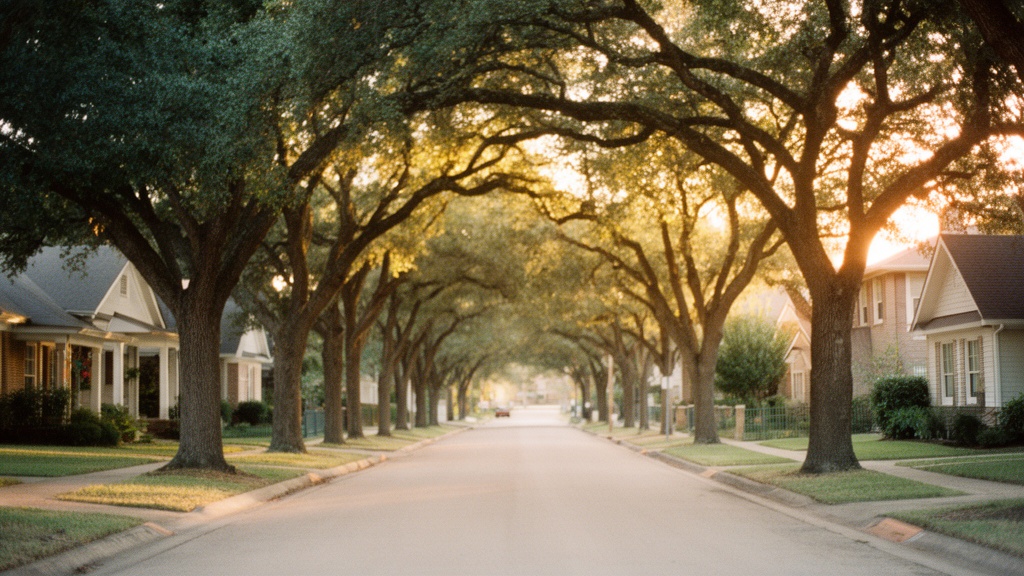
The blocks here are short and the sidewalks are wide, shaded by mature elms and sycamores that Sacramento planted decades ago as part of its urban canopy program. R Street, which cuts through the southern edge of Midtown, has evolved from an old railroad corridor into a stretch of galleries, breweries, and restaurants. K Street connects Midtown to the Downtown core and the Golden 1 Center arena, putting major events within a twenty-minute walk of most Midtown addresses.
The neighborhood's density is moderate by urban standards. You will find single-family bungalows sitting next to three-story apartment buildings, and corner lots converted into wine bars next to century-old Victorian homes. That mix is part of what makes day-to-day life in Midtown feel layered rather than uniform.
Parks and Green Space Within the Neighborhood
Fremont Park at 16th and P Streets is the neighborhood's central gathering point. It covers about two acres and hosts the long-running Concerts in the Park series on Friday evenings through the summer, drawing crowds from across the city. McKinley Park, technically just across the border in East Sacramento, is a short bicycle ride away and adds a rose garden, a public swimming pool, and a larger lawn to the options available to Midtown residents.
The Sacramento River is roughly two miles west, reachable by bike along the levee trail system. The American River Parkway, one of the longest urban riparian parks in the country at 23 miles, begins near Discovery Park and is accessible within a fifteen-minute bicycle ride from most Midtown addresses. For residents who want outdoor access without leaving the city, that combination is a meaningful part of what daily life here offers.
2. Housing Stock, Home Prices, and What Your Money Gets You
Midtown Sacramento's housing market reflects its urban character: smaller lots, older homes, and a price per square foot that runs higher than many Sacramento suburbs. What buyers get in return is architectural character, walkability, and proximity to the city's core that newer subdivisions in Elk Grove or Natomas simply cannot replicate.
Architectural Character and Home Types
The dominant residential styles in Midtown are Craftsman bungalows built between 1905 and 1935, Victorian-era two-stories, and Spanish Colonial Revival homes from the 1920s. Lot sizes on single-family homes typically run between 4,000 and 6,500 square feet, which means yards exist but are not expansive. Many of the older homes have been renovated with updated kitchens and bathrooms while retaining original hardwood floors, built-in cabinetry, and front porches that face the street.
Condominiums and townhomes are also available throughout Midtown, particularly along the corridor near Capitol Avenue and on blocks closer to Downtown. These units tend to appeal to buyers who want the neighborhood's walkability without the maintenance responsibilities of a single-family home. Some of the newer mixed-use buildings along R Street and K Street include residential units above ground-floor retail, a format that is increasingly common as the neighborhood continues to densify.
Current Price Ranges in September 2026
As of September 2026, single-family homes in Midtown Sacramento are generally trading in the range of $620,000 to $950,000, depending on size, condition, and specific block location. Renovated Craftsman bungalows with two or three bedrooms on desirable blocks near Fremont Park or along the tree-lined sections of 21st or 22nd Street tend to command the upper end of that range. Condominiums and smaller attached units typically start around $380,000 and can reach $580,000 for updated units in newer buildings.
Price per square foot in Midtown currently runs between $380 and $520 for single-family homes, which is meaningfully higher than the broader Sacramento metro average. That premium reflects the scarcity of walkable urban inventory in the city. Midtown does not produce new single-family lots, so the supply of detached homes is essentially fixed, and demand from buyers relocating from the Bay Area and from within Sacramento continues to support prices. For a broader look at how Midtown fits into Sacramento's overall market, the Sacramento Real Estate Market Guide covers citywide pricing trends and neighborhood comparisons in detail.
3. Getting Around: Commutes, Parking, and Transit
Transportation is one of the most practical daily realities of living in Midtown Sacramento, and it differs substantially from life in the suburbs. The neighborhood's central location means that many destinations inside the city are close, but parking and car ownership come with trade-offs that prospective buyers should understand before committing.
Driving and Parking Day to Day
On-street parking in Midtown is available but competitive, particularly on evenings and weekends when the restaurant and bar scene draws visitors from other parts of the city. Many single-family homes have a detached garage or a one-car driveway, but those spaces are often smaller than what buyers accustomed to suburban garages expect. Homes without off-street parking do exist, and buyers considering those properties should spend time on the block on a Friday evening to understand what the parking reality actually looks like.
Commuting by car from Midtown to major employment centers is generally straightforward. The State Capitol complex is about a ten-minute walk or a five-minute drive. UC Davis Medical Center on Stockton Boulevard is roughly fifteen minutes by car. The Sacramento International Airport is approximately twenty minutes northwest via Interstate 5. Commuting to the Bay Area by car is a different calculation: San Francisco is about 90 miles and typically runs between 90 minutes and two hours depending on traffic, which is why many Midtown residents who work remotely or commute occasionally find the location workable.
Light Rail, Biking, and Walking
Sacramento Regional Transit's light rail runs along the I Street and K Street corridors, with stops that put Midtown residents within a few blocks of the system. The Gold Line connects to Folsom to the east, and the Blue Line runs south toward Meadowview. For residents who work Downtown or near the Capitol, the light rail eliminates the parking problem entirely. Monthly passes cost around $100 as of September 2026, which compares favorably to downtown parking garage rates that can run $150 to $250 per month.
Bicycling is genuinely practical here in a way it is not in most Sacramento neighborhoods. The city's grid is flat, the bike lanes on streets like 19th, 21st, and J Street are established and well-used, and the distances between Midtown and adjacent neighborhoods like East Sacramento, Land Park, and Curtis Park are short enough that a bicycle covers them in under twenty minutes. Walk Score ratings for most Midtown addresses fall between 85 and 95, which reflects the real experience of being able to handle most daily tasks on foot.
4. Food, Coffee, Nightlife, and the Rhythm of Midtown Life
The food and social scene is a central part of what makes living in the Midtown Sacramento neighborhood day to day feel distinct from other parts of the city. The concentration of independently owned restaurants, coffee shops, and bars per block is higher here than anywhere else in Sacramento, and that density shapes the daily routine in ways that are hard to fully appreciate until you actually live within walking distance of it.
The Restaurant and Bar Scene
Midtown has been the center of Sacramento's independent restaurant culture for well over a decade. The stretch of J Street between 16th and 28th Streets alone contains dozens of restaurants covering Vietnamese, Ethiopian, Japanese, Mexican, Italian, and New American cuisine. The R Street Corridor adds breweries, cocktail bars, and event spaces that draw visitors on weekend nights. Streets like 20th and 21st between J and L have a concentration of wine bars and gastropubs that become neighborhood gathering spots on weekday evenings.
Coffee culture in Midtown is well-developed and genuinely local. Temple Coffee Roasters, which has been roasting in Sacramento since 2005, has a flagship location in Midtown on S Street. Insight Coffee on R Street and Chocolate Fish Coffee on 21st Street are among the other independent roasters with neighborhood locations. On a weekday morning, the sidewalk tables at these shops fill with a mix of remote workers, state employees heading to the Capitol, and residents who live within a few blocks.
The urban revival that Midtown has undergone over the past decade is well-documented. A piece published by Inman captured the early momentum of this shift, noting Sacramento's investment in walkable urban neighborhoods as a driver of both real estate interest and broader civic energy. That investment has continued and deepened in the years since.
Farmers Markets and Everyday Errands
The Sacramento Certified Farmers Market runs on Saturdays at Cesar Chavez Plaza, about a ten-minute walk from the western edge of Midtown. A smaller midweek market operates at Fremont Park on Tuesdays during the growing season. For everyday grocery shopping, the Trader Joe's on Arden Way is roughly a ten-minute drive, and a Safeway on Alhambra Boulevard sits just north of the neighborhood boundary. Several smaller specialty grocers and a co-op market are within walking distance for residents who prefer to shop on foot.
The Midtown neighborhood also has a concentration of independent retail that covers daily needs without requiring a car. Pharmacies, dry cleaners, yoga studios, gyms, and hair salons are distributed throughout the grid. The Tower Theatre on Broadway, a 1938 movie house that has operated continuously as an independent cinema, anchors the southern edge of the neighborhood and hosts film festivals and special screenings alongside its regular programming.
5. What to Know Before You Buy in Midtown Sacramento
Understanding the day-to-day reality of living in Midtown Sacramento is essential before making a purchase decision, because the neighborhood's strengths and trade-offs are both more pronounced than in typical Sacramento suburbs. Buyers who go in with clear expectations tend to be satisfied; buyers who discover the parking situation or the noise levels after closing sometimes feel caught off guard.
Schools and Research Resources
Midtown Sacramento falls within the Sacramento City Unified School District. Specific school assignments depend on your address, and the district offers both neighborhood schools and a magnet and open enrollment program that gives families options beyond their assigned school. For detailed, current information on school performance and enrollment, the California Department of Education's School Accountability Report Cards at cde.ca.gov are the authoritative source. Researching schools is a personal process, and visiting campuses and speaking with the district directly will give you a clearer picture than any third-party ranking.
Trade-offs That Buyers Often Discover After Moving In
Noise is a real consideration in Midtown. Blocks near the bar and restaurant corridors on J Street, K Street, and R Street experience foot traffic and ambient noise on weekend nights that quieter Sacramento neighborhoods do not. Buyers who prioritize a calm evening environment should look at blocks on the northern or eastern edges of Midtown, closer to 28th or 29th Street, where the residential character is more pronounced.
Older homes come with older systems. Many of the Craftsman and Victorian homes in Midtown have original or partially updated plumbing, electrical panels that have been upgraded but may not meet current code for full renovations, and foundations that require inspection by a specialist familiar with older Sacramento construction. A thorough home inspection by an inspector experienced with pre-1940 homes is not optional here; it is a baseline requirement. Budget for deferred maintenance when evaluating any home in the neighborhood.
Sacramento summers are hot, and Midtown's tree canopy helps but does not eliminate the heat. July and August regularly bring daytime highs above 100 degrees Fahrenheit, and older homes without central air conditioning can be uncomfortable without upgrades. Many sellers have already added mini-split systems or updated HVAC, but buyers should verify what is in place and factor in the cost of adding cooling if it is absent. For buyers weighing whether now is the right time to purchase in Sacramento overall, the guide on whether to buy now or wait covers current market conditions and timing considerations in detail.
For a detailed look at what day-to-day life in the 95811 zip code involves from a resident perspective, this overview of living in Midtown Sacramento covers the neighborhood's walkability, dining, and community character in useful detail.
Inventory in Midtown moves quickly when it is priced correctly. Well-presented single-family homes in the neighborhood have been going under contract in under two weeks through much of 2026, and multiple offer situations remain common on properties that are updated and priced at market. Buyers who are not pre-approved and ready to move tend to lose out to those who are. If you are also thinking about what it takes to find the right agent to guide you through a purchase like this, the guide on finding a trustworthy buyer's agent in Sacramento is worth reading before you start touring homes.
FAQ
What is the average home price in Midtown Sacramento right now?
As of September 2026, single-family homes in Midtown Sacramento are generally priced between $620,000 and $950,000, with price per square foot running from approximately $380 to $520. Renovated Craftsman bungalows on desirable blocks near Fremont Park tend to sit at the higher end of that range. Condominiums and attached units start around $380,000 and can reach $580,000 for updated units in newer buildings. Inventory is limited and well-priced homes move quickly, so buyers should be pre-approved before beginning their search.
Is Midtown Sacramento walkable enough to live without a car?
Most daily errands, dining, and social activities in Midtown Sacramento are reachable on foot or by bicycle, and Walk Score ratings for most addresses in the neighborhood fall between 85 and 95. Sacramento Regional Transit's light rail system has stops accessible from Midtown and connects to Downtown, East Sacramento, and points south and east. That said, a car remains useful for grocery runs to larger stores, trips to the airport, and commutes to employment centers outside the city core. Many Midtown residents own one car rather than two, which is a meaningful shift from the suburban Sacramento norm.
What are the biggest trade-offs of living in Midtown Sacramento day to day?
The most commonly cited trade-offs among Midtown residents are parking, noise near the entertainment corridors, and the cost and age of the housing stock. On-street parking is competitive on evenings and weekends, and many homes have limited off-street parking. Blocks near J Street, K Street, and R Street experience more ambient noise from foot traffic and nightlife than quieter parts of the neighborhood. Older homes, many built before 1940, often require more maintenance and inspection attention than newer construction. Buyers who research these realities before purchasing and budget accordingly tend to be satisfied with the trade-off for the walkability and neighborhood character Midtown provides.