← Back to Blog
Market Trends
What New Construction Developments Are Being Built in Fayetteville NC in 2026
By Jessica Deshotel
September 14, 2026 · 11 min read
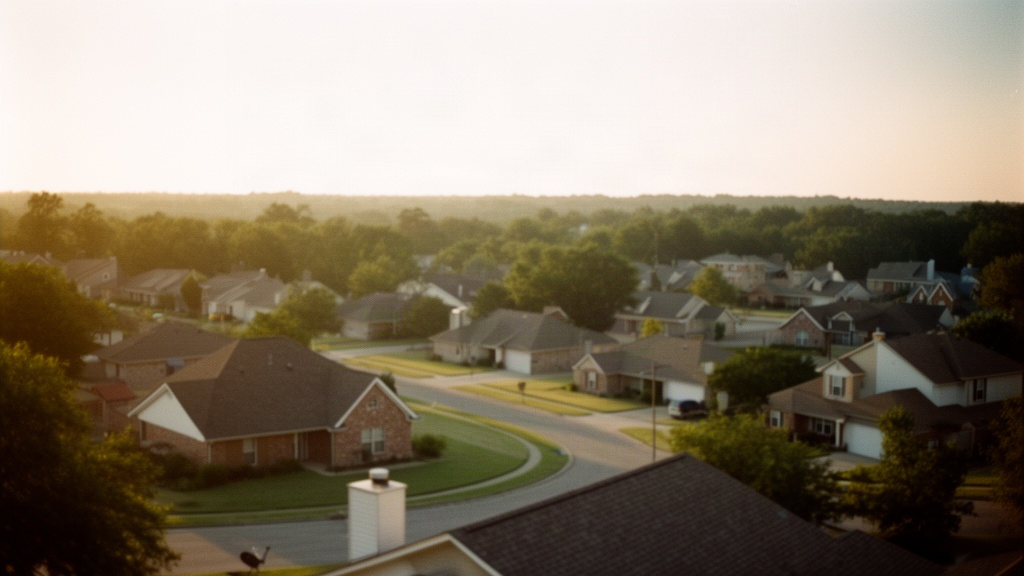
Fayetteville, North Carolina is in the middle of a significant new construction wave in 2026, with residential communities, mixed-use projects, and infill developments reshaping corridors across the city. If you are asking what new construction developments are being built in Fayetteville NC in 2026, this guide breaks down the active projects, the neighborhoods where building is concentrated, what prices look like, and what buyers should know before signing a contract with a builder.
1. Why New Construction Is Surging in Fayetteville Right Now
Fayetteville is one of the most active new construction markets in North Carolina in 2026. A combination of population growth tied to Fort Liberty, steady in-migration from higher-cost metros, and years of underbuilding relative to demand has pushed builders to accelerate permitting and break ground on communities that were in the planning pipeline for two to three years.
The Broader North Carolina Context
North Carolina as a whole is drawing builder attention because of its relative affordability compared to coastal and Sunbelt markets. According to Inman's analysis of the best new-construction markets in 2026, eight of the top ten new construction markets nationally are located in the South, and North Carolina metros are consistently represented on that list. Fayetteville benefits from that regional momentum while also carrying its own local drivers.
Cumberland County issued significantly more residential permits in the first half of 2026 than in the same period in 2025, reflecting builder confidence in absorption rates. Builders are particularly active in the $270,000 to $420,000 price band, which aligns with where the bulk of buyer demand sits in this market.
What Is Driving Local Demand
Fort Liberty's continued mission expansion and the ongoing transformation from Fort Bragg has brought a steady stream of military families and defense contractors into the Fayetteville housing market. Many of these buyers prefer new construction because they can time a build to a PCS move, lock in a completion date, and avoid the uncertainty of competing for resale inventory in a market where well-priced homes still move quickly.
Remote workers relocating from the Triangle, Charlotte, and Northern Virginia are another significant segment. Fayetteville's price point, roughly 20 percent below the national average according to recent HousingWire data, means buyers from higher-cost markets can purchase substantially more house here than they could leave behind, and new construction gives them a product that feels current without renovation risk.
2. Where New Construction Is Concentrated in Fayetteville NC in 2026
New construction in Fayetteville in 2026 is not evenly distributed across the city. Building activity is concentrated along three primary growth corridors, each with its own price range, lot sizes, and commute profile to Fort Liberty and downtown Fayetteville.
The Ramsey Street and Hope Mills Road Corridors
The Ramsey Street corridor running northwest from downtown toward Raeford Road remains one of the most active construction zones in the city. Builders are filling in lots and completing phases in established master-planned communities here, with homes typically ranging from 1,600 to 2,800 square feet on lots of 6,000 to 9,000 square feet. Pricing in this corridor generally runs from the upper $270,000s into the low $380,000s depending on the builder, elevation, and finish package.
The Hope Mills Road corridor, which connects Fayetteville to the town of Hope Mills to the southwest, is seeing new phases open in communities that have been selling for several years. This area appeals to buyers who want slightly larger lots and a quieter suburban feel while staying within roughly 15 to 20 minutes of the Bragg Boulevard gate at Fort Liberty. Townhome product is also appearing here at price points starting around $220,000.
South Fayetteville and the Cliffdale Road Area
South Fayetteville, particularly the area around Cliffdale Road and Rim Road, has attracted several national and regional builders who are opening new phases in 2026. Homes in this pocket tend to run from the low $300,000s to the mid $400,000s, with a mix of single-story and two-story plans on lots ranging from 7,500 square feet to a quarter acre. The proximity to Cross Creek Mall, the Cape Fear Valley Medical Center campus, and I-295 makes this corridor convenient for buyers who commute to multiple parts of the metro.
Several builders active here are also offering move-in-ready inventory in 2026, which is meaningful for buyers who cannot wait six to nine months for a build. Spec homes in this area have been selling within two to four weeks of listing when priced correctly, which gives you a sense of how tight supply remains even with active building.
East Fayetteville Growth Pockets
East Fayetteville, particularly areas off of Murchison Road extended and near the US-401 corridor toward Lillington, is seeing smaller-scale infill and subdivision development. These communities tend to attract buyers looking for entry-level new construction, with base prices starting in the low $240,000s and homes running from 1,200 to 1,800 square feet. The trade-off is a longer drive to Fort Liberty, typically 25 to 35 minutes depending on the gate, but land costs are lower and lot sizes tend to be more generous.
3. Price Ranges and Home Types in Active Fayetteville Developments
New construction in Fayetteville in 2026 spans a wider price range than many buyers expect. From workforce townhomes in the low $200,000s to custom and semi-custom homes approaching $600,000, the market has product at multiple price points, though the deepest inventory sits in the $270,000 to $420,000 band.
Entry-Level and Workforce Communities
Several builders are targeting first-time buyers with plans that start around $235,000 to $265,000 for detached single-family homes. These plans typically run 1,200 to 1,600 square feet, three bedrooms, two bathrooms, and include standard finishes such as vinyl plank flooring in main living areas, granite or quartz countertops in the kitchen, and a one-car or two-car garage. Upgrade packages are available but can add $15,000 to $40,000 to the base price, so buyers need to be clear on what the base actually includes before comparing builders.
Move-Up and Executive Price Points
In the $380,000 to $550,000 range, buyers will find homes with 2,200 to 3,500 square feet, four or five bedrooms, and more premium finish options. Communities in south Fayetteville and along the Ramsey Street corridor are where this product is most concentrated. Some builders in this range are offering covered outdoor living spaces, three-car garages, and primary suites with spa-style bathrooms as standard, not upgrades, which represents a meaningful shift from what was available in this market three years ago.
Custom and semi-custom homes above $500,000 are also being built in Fayetteville in 2026, though at lower volume. These tend to be on larger lots of half an acre or more, often in smaller boutique communities or on individual lots in established areas. If you are exploring this price point, Jessica Deshotel has worked with buyers at the upper end of the Fayetteville market and can help you identify which builders and communities are worth your time. You can also read more about the luxury segment in the experienced luxury home realtors guide on this site.
Townhome and Attached Product
Townhome construction is a growing segment of Fayetteville's new construction pipeline in 2026. Attached townhomes typically run from the low $210,000s to the low $300,000s, with two to three stories, two to three bedrooms, and two-car tandem or side-by-side garages. These communities are appearing along major commercial corridors where land costs make detached single-family less viable for builders, and they appeal to buyers who want low-maintenance living with a new-construction warranty.
4. What Buyers Need to Know Before Buying New Construction in Fayetteville
Buying new construction in Fayetteville in 2026 is a different process than buying a resale home, and the differences matter. Understanding the contract structure, incentive landscape, and timeline realities before you walk into a model home will save you from costly surprises.
Builder Contracts Are Not Like Resale Contracts
Builder contracts are written by the builder's attorneys to protect the builder, not the buyer. They typically include clauses that allow the builder to extend the completion date by 30, 60, or even 90 days without penalty, limit your ability to back out without losing your earnest money deposit, and restrict what inspections you can perform and when. Having a buyer's agent review the contract before you sign is not optional, it is essential.
The sales representative at the model home works for the builder. They are helpful and knowledgeable about the product, but their job is to sell homes for their employer. A buyer's agent like Jessica Deshotel represents your interests specifically, negotiates on your behalf, and costs you nothing out of pocket because the builder pays the buyer's agent commission. Bringing your own agent to the first visit is the single most important step you can take when buying new construction.
Incentives, Rate Buydowns, and Preferred Lenders
In September 2026, most active builders in Fayetteville are offering some form of buyer incentive to move inventory and maintain sales pace. Common incentives include mortgage rate buydowns through the builder's preferred lender, closing cost contributions ranging from $5,000 to $15,000, and free upgrade packages on spec homes. The catch is that these incentives are almost always tied to using the builder's preferred lender, and the interest rate you get through that lender may or may not be the best available to you.
The NAR's own reporting on the 2026 new-home market notes that builder incentives have created a genuine opportunity for buyers who know how to evaluate them, but that the value of any incentive depends entirely on the underlying price and rate you are being offered. Always get a competing quote from an outside lender before committing to the builder's preferred lender, even if you ultimately choose to use them.
Timeline Realities and Completion Risk
Build times in Fayetteville in 2026 are running approximately five to eight months for production homes, depending on the builder and the complexity of the plan. Supply chain disruptions have eased compared to 2022 and 2023, but delays in windows, HVAC equipment, and electrical components still occur. If you are buying a to-be-built home and have a lease expiring or a home sale closing on a specific date, you need a contingency plan for the gap.
Spec homes, meaning homes the builder started without a buyer under contract, are available in most active Fayetteville communities right now and can close in 30 to 60 days. The trade-off is that you are buying the builder's choices on finishes and layout rather than your own, but for buyers with a firm timeline, spec inventory is worth prioritizing.
5. Mixed-Use and Commercial Construction Shaping Fayetteville in 2026
New construction in Fayetteville in 2026 is not limited to residential subdivisions. Several significant commercial and mixed-use projects are underway or recently completed, and they directly affect where residential buyers should be paying attention.
Downtown and Hay Street Corridor Projects
Downtown Fayetteville has seen continued investment in mixed-use development along Hay Street and in the blocks surrounding the Fayetteville Area Transportation and Local Area Network bus terminal and the Fayetteville Regional Airport access roads. Updates presented to the Fayetteville City Council in early 2026 outlined several major construction projects in progress, including infrastructure improvements and mixed-use redevelopment in the urban core. You can review those updates directly through BizFayetteville's coverage of the City Council briefing for specifics on project status and timelines.
The Haymount neighborhood, which sits just west of downtown, is adjacent to some of this investment activity. If you want a deeper look at what that historic neighborhood is like as a place to live alongside the new development happening nearby, the Haymount neighborhood guide on this site covers the housing stock, architecture, and what buyers should expect.
Major Infrastructure Updates Tied to Growth
Road widening and intersection improvements along several major arteries, including sections of Skibo Road, Cliffdale Road, and Ramsey Street, are either underway or in the final design phase in 2026. These improvements are being driven in part by the residential growth happening in the corridors described above, and they will affect commute times and accessibility as they are completed. Buyers purchasing in active construction corridors should ask specifically about road project timelines and temporary traffic impacts during the build period.
A new fire station and several utility infrastructure projects are also in progress to support the population growth in south and west Fayetteville. These are the kinds of municipal investments that follow residential growth rather than precede it, and their presence signals that the city is committed to supporting the development activity currently underway.
6. Should Sellers Pay Attention to New Construction Activity
If you own a resale home in Fayetteville, new construction activity is directly relevant to your pricing strategy and timeline. When builders are offering significant incentives, including rate buydowns and closing cost contributions, they are effectively competing with resale sellers for the same pool of buyers. A resale home priced at $340,000 with no seller concessions is competing against a new construction home at $345,000 with a 1.5-point rate buydown and $8,000 in closing costs covered.
This does not mean resale homes cannot sell, they absolutely can and do, but sellers need to price accurately and present their homes well to compete effectively. Resale homes offer immediate occupancy, established landscaping, and often larger lot sizes than new construction in the same price range, which are real advantages. The key is making sure buyers can see those advantages clearly. For more on how the current Fayetteville market is behaving for sellers and buyers, the buyers vs. sellers market guide on this site covers days on market and current conditions in detail.
Sellers in areas where new construction is actively competing, particularly in south Fayetteville and the Hope Mills Road corridor, should work with an agent who tracks builder incentive programs in real time. Jessica Deshotel monitors both the resale and new construction segments of the Fayetteville market and can give you an honest read on how your home is positioned relative to what builders are currently offering.
FAQ
Which builders are currently active in Fayetteville NC in 2026?
Several national and regional builders are actively selling in Fayetteville in 2026, including D.R. Horton, Smith Douglas Homes, and several regional Carolina-based builders operating in communities across the Ramsey Street, Cliffdale Road, and Hope Mills Road corridors. Builder activity shifts as phases sell out and new phases open, so the best way to get a current list of active communities is to work with a local buyer's agent who tracks inventory across all builders in real time. Jessica Deshotel can walk you through which communities have inventory, which are sold out, and which are opening new phases in the coming months.
Can I use a VA loan to buy new construction in Fayetteville NC?
Yes, VA loans can be used to purchase new construction in Fayetteville, and given the large military population served by Fort Liberty, most builders in the area are familiar with VA financing. The key requirements are that the home must meet VA minimum property requirements, which new construction generally does, and the builder must allow a VA appraisal. Some builders require you to use their preferred lender to access incentives, but VA-eligible buyers should always compare the builder's preferred lender offer against a VA lender of their choosing before committing. A buyer's agent experienced with both new construction and VA transactions is particularly valuable in this situation.
How do new construction prices in Fayetteville compare to resale home prices?
In September 2026, new construction base prices in Fayetteville generally start slightly above the median resale price for a comparable square footage, but builder incentives including rate buydowns and closing cost contributions can narrow or eliminate that gap in effective monthly payment terms. The finished cost of a new construction home after upgrades often runs 8 to 15 percent above the base price, which is an important number to keep in mind when comparing to a resale home that is already fully finished. Resale homes in Fayetteville's established neighborhoods often come with larger lots, mature trees, and proximity to established retail and dining that new construction communities in outer corridors do not yet have. The right choice depends on your priorities, and a local agent can help you model out the real numbers for both options.