← Back to Blog
Market Trends
How long are homes sitting on the market in Muscatine Iowa this month
By Jessie Krieger
September 4, 2026 · 11 min read
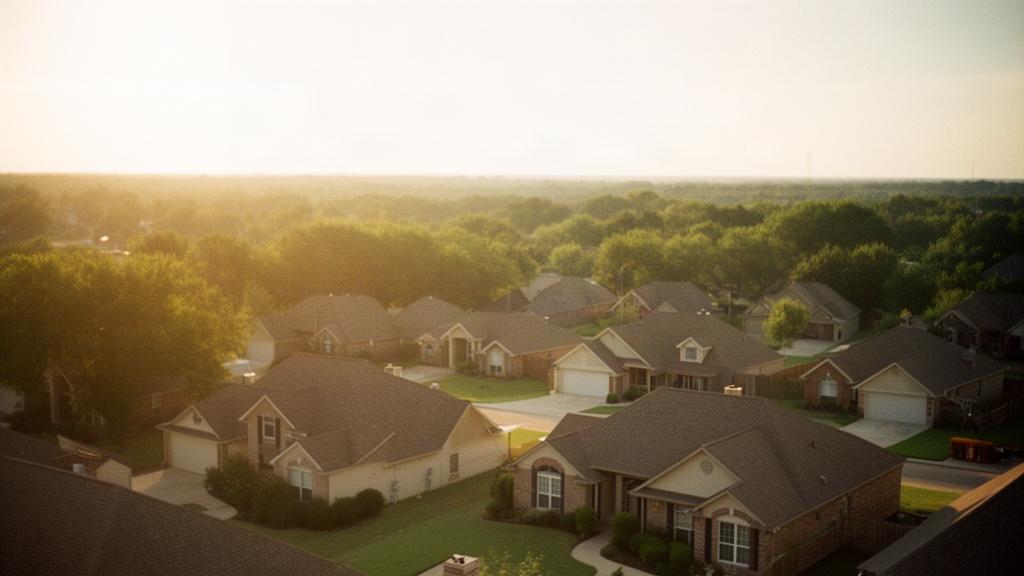
If you are wondering how long homes are sitting on the market in Muscatine Iowa this month, the short answer is: not very long. In September 2026, well-priced homes in Muscatine are moving in roughly two to three weeks, though the exact number shifts depending on price point, condition, and location within the city. This article breaks down current days-on-market figures, what is driving them, and what they mean whether you are buying, selling, or relocating to Muscatine.
1. What the Days-on-Market Numbers Look Like in Muscatine Right Now
Homes in Muscatine are currently selling in a median of around 18 to 25 days. That figure reflects all residential property types across the city as of September 2026, and it signals a market that still leans toward sellers even as activity has moderated slightly from the frenzied pace of a couple of years ago. Homes that are priced correctly and show well are routinely under contract within the first two weekends on the market.
The Current Median Days on Market
According to tracking data on the Muscatine housing market via Redfin, median days on market in Muscatine has been hovering in the low-to-mid twenties for most of 2026. That is meaningfully faster than the national median, which has been running closer to 40 to 50 days in many parts of the country this year. Muscatine's relatively tight inventory is the primary reason homes are not sitting long.
It is worth understanding what "days on market" actually counts. The figure measures the number of calendar days from when a listing goes active on the MLS to when it goes under contract. It does not include the time a home spends in the inspection, appraisal, or closing process, which typically adds another 30 to 45 days before the transaction records. So when you hear a home sold in 20 days, that means it found a buyer in 20 days; the full closing likely came 6 to 8 weeks later.
How Muscatine Compares to the Broader Iowa Trend
Statewide, Iowa's housing market has shown similar tightness in smaller cities throughout 2026. Iowa REALTORS publishes monthly statewide housing statistics at iowarealtors.com/housing-stats, and the data consistently shows that smaller Iowa cities with stable employment bases tend to outperform the state median on pace of sale. Muscatine fits that profile. The city's manufacturing and industrial corridor along the Mississippi River provides a steady employment base that keeps demand for housing relatively consistent across the year.
Muscatine is not a boom-and-bust market. It does not see the dramatic swings that larger metros experience. That stability means days on market does not spike wildly in slow seasons the way it might in a vacation or luxury market. It does shift, though, and understanding those shifts gives both buyers and sellers a real edge.
2. Why Homes Are Moving at This Pace in Muscatine
Three factors are driving the current pace: inventory is still low, price points remain accessible relative to larger Iowa cities, and September is historically one of Muscatine's more active months for real estate. Each of these deserves a closer look because they affect how you should act in this market right now.
Limited Inventory Along the River Corridor
Muscatine's housing stock is relatively fixed. The city is built along a bend in the Mississippi River, which means the footprint for new construction is constrained by geography, existing development, and the river itself. The Pearl City Highway corridor, the established neighborhoods north of downtown, and the areas around Weed Park and Riverside Park have seen very little new construction in recent years. When a home comes up for sale in these areas, there are not many alternatives for a buyer who wants to be in that part of town.
Active listings in Muscatine as of September 2026 are running well below what would be considered a balanced market. A balanced market typically has four to six months of supply. Muscatine has been sitting closer to two months of supply for most of 2026, which keeps upward pressure on prices and downward pressure on how long any given home sits before receiving an offer.
Price Points That Still Draw Regional Buyers
Muscatine's median home price is significantly lower than the Quad Cities metro to the north, which makes it a draw for buyers who work in the broader region. The drive from Muscatine to the Bettendorf and Davenport employment corridor runs about 35 to 40 minutes on US-61, which is a commute many buyers find acceptable in exchange for lower purchase prices. A buyer priced out of a $300,000 home in Bettendorf may find a comparable or larger home in Muscatine in the $220,000 to $260,000 range. That price differential keeps demand coming in from outside the immediate Muscatine area.
Muscatine is also about 30 miles southeast of Iowa City, and buyers who work in the healthcare and university sectors there sometimes look to Muscatine for more affordable housing. The commute on Iowa Highway 22 takes roughly 40 minutes depending on traffic, which broadens the pool of potential buyers for Muscatine sellers.
Seasonal Patterns in the Muscatine Market
September is a strong month for Muscatine real estate. The spring surge has passed, but buyers who did not find a home during the April through June peak are still actively searching. Sellers who list in September often face less competition from other listings than they would have in May, while buyer demand remains solid. This combination can actually produce faster sales in September than in the height of spring, when more listings are competing for the same pool of buyers.
The market does soften noticeably in November and December. Homes listed in those months tend to sit longer, sometimes 45 to 60 days or more, as buyer activity drops around the holidays. If you are tracking how long homes are sitting on the market in Muscatine Iowa this month compared to the winter months ahead, September is genuinely one of the better times to be on either side of a transaction.
3. How Days on Market Varies by Neighborhood and Price Range
The city-wide median is useful context, but it masks meaningful variation across Muscatine's different price tiers. A home priced at $140,000 near downtown is operating in a completely different competitive environment than a home priced at $425,000 in the hills above the river. Understanding where your property or target home falls within these tiers is essential for setting realistic expectations.
Entry-Level Homes Under $200,000
Entry-level homes in Muscatine are moving the fastest of any segment right now. Properties priced below $200,000, which in Muscatine typically means older two- and three-bedroom homes on smaller lots in established neighborhoods closer to downtown and the riverfront, are routinely going under contract within 10 to 15 days. Some well-conditioned homes in this range are receiving multiple offers within the first week. The inventory of move-in-ready homes at this price point is especially thin.
Muscatine's older housing stock in this price range includes a mix of late-19th and early-20th century architecture, including Craftsman bungalows and two-story frame homes with full front porches. These homes tend to have smaller square footage, typically 900 to 1,400 square feet, and may need cosmetic updating, but they are drawing strong interest from first-time buyers who are motivated to get into the market before rates shift further.
Mid-Range Homes Between $200,000 and $350,000
This is the most active price band in Muscatine and the one where days on market most closely mirrors the city-wide median. Homes in the $200,000 to $350,000 range include a wide variety of housing types: ranch-style homes on larger lots in the western parts of the city, split-levels in established subdivisions, and updated colonials in neighborhoods like Sunset Hills. These homes are attracting buyers who have some purchasing power and are often relocating from larger metros.
If you are curious about what living in one of Muscatine's established neighborhoods actually looks like day to day, the article on living in the Sunset Hills neighborhood in Muscatine, Iowa covers the housing stock, lot sizes, and proximity to parks and amenities in detail. Homes in that part of the city are consistently among the most searched in the mid-range tier.
Higher-Priced and Riverfront Properties
Homes priced above $350,000 in Muscatine sit longer on average, typically 35 to 55 days. The buyer pool for higher-priced homes is smaller by definition, and properties with riverfront access or elevated views of the Mississippi command premium pricing that not every buyer in the market can reach. That said, these homes do sell; they simply require more time to find the right buyer.
Muscatine's riverfront properties are genuinely distinctive. The city's position on the inside of a bend in the Mississippi means some homes have sweeping river views that are uncommon even among river towns. Homes with those views, whether along Grandview Avenue or on the bluffs above Riverside Park, carry a premium that reflects their scarcity. When one of these properties hits the market, it draws attention from buyers well outside the immediate Muscatine area, but it may take 60 days or more to close the right deal.
4. What This Means If You Are Selling a Home in Muscatine
September 2026 is a genuinely good time to list in Muscatine, but the market will not bail out a poorly prepared or overpriced home. The sellers who are getting strong offers quickly are the ones who have done the work on pricing and presentation before the sign goes in the yard.
Pricing Strategy Is Everything
Overpriced homes in Muscatine sit. Even in a tight market, buyers and their agents track days on market closely. A home that has been listed for 40 or 50 days starts to carry a stigma; buyers wonder what is wrong with it, and they begin offering below list price. The sellers who price at or just slightly below market value are the ones generating multiple-offer situations and selling at or above their asking price.
A comparative market analysis from a local agent who knows Muscatine's micro-markets is the most reliable way to set the right price. National automated valuation tools often miss the nuances that matter here, like the premium a Mississippi River view commands, or the discount that a home on a busy stretch of Grandview Avenue might carry compared to one on a quieter side street. For a deeper look at how to think about pricing and timelines when selling in Muscatine, the guide on which real estate agent to hire to sell your house in Muscatine, Iowa covers what to look for in local expertise.
Condition and Presentation Still Matter
Muscatine buyers in September 2026 are informed and have options, even if inventory is limited. A home that has deferred maintenance, dated fixtures, or poor listing photos will sit longer than the market average regardless of price point. Sellers who invest in a deep clean, minor repairs, fresh neutral paint, and professional photography consistently see shorter days on market than those who list as-is without preparation.
First impressions in Muscatine's market happen online. Most buyers are browsing listings on their phones before they ever schedule a showing. If the photos do not make the home look its best, those buyers move on to the next listing. Strong presentation is not optional in a market where buyers are moving quickly and have little patience for homes that do not show well digitally.
5. What This Means If You Are Buying a Home in Muscatine
If homes are sitting on the market in Muscatine Iowa for only 18 to 25 days on average, buyers need to be organized and ready to move. That does not mean rushing into a bad decision, but it does mean that the preparation work needs to happen before you find the house you want, not after.
Move Quickly but Move Smart
In a market where desirable homes go under contract in under two weeks, waiting a few days to think it over can cost you the home. That said, moving quickly does not mean skipping due diligence. Buyers should still insist on a home inspection, review the seller's disclosure carefully, and understand what they are buying before waiving contingencies. The goal is to be ready to write a strong, clean offer the same day you tour a home you want, not to cut corners on the transaction itself.
Working with an agent who has real-time access to Muscatine's MLS data is a significant advantage in this environment. Buyers who are relying on consumer apps to find listings are often seeing homes one to two days after they have already hit the market, which in a 15-day sale cycle can mean the home is already halfway to being under contract by the time you find it. An agent with active MLS access and strong local connections can alert you to homes before or immediately when they list.
Pre-Approval Is Not Optional Right Now
Sellers in Muscatine's current market are not entertaining offers from buyers who are not pre-approved. A pre-qualification letter is not the same thing. A full pre-approval from a lender who has verified your income, assets, and credit means the seller knows you can actually close. In a situation where a seller has two or three offers on the table, the buyer with a strong pre-approval from a reputable lender has a material advantage over one with only a pre-qualification.
If you are relocating to Muscatine for work and navigating this process from a distance, the logistics of buying in a fast-moving market are even more important to get right before you arrive. The article on relocating to Muscatine, Iowa and which agent to call first covers how to set yourself up for success when you are buying from out of town.
First-time buyers in particular benefit from having an agent who can walk them through the pace of the Muscatine market before they start touring homes. The article on how to find a good real estate agent in Muscatine as a first-time home buyer is a practical starting point if you are new to the process.
FAQ
How long are homes sitting on the market in Muscatine Iowa this month compared to last year?
In September 2026, the median days on market in Muscatine is running approximately 18 to 25 days. That is slightly longer than the same period in September 2025, when the most competitive homes were going under contract in under two weeks, but it is still well below what would be considered a balanced or slow market. The modest increase reflects a small uptick in available inventory compared to 2025, though supply remains tight relative to demand. Buyers should still expect to move quickly on homes they want, and sellers should still expect relatively fast offers if they price and present their homes well.
Does days on market in Muscatine vary a lot by neighborhood?
Yes, meaningfully so. Entry-level homes under $200,000 in Muscatine are moving in 10 to 15 days on average in September 2026, while higher-priced homes above $350,000, including riverfront and bluff-view properties, are averaging 35 to 55 days. The mid-range tier between $200,000 and $350,000 tracks closest to the city-wide median. Location within the city also matters: homes near Weed Park, Riverside Park, and well-established subdivisions tend to attract more immediate interest than homes in areas with heavier traffic or fewer nearby amenities. A local agent with current MLS data can give you specific comparables for the exact neighborhood and price point you are targeting.
If a home has been on the market in Muscatine for more than 30 days, is something wrong with it?
Not necessarily, but it is worth asking the question. In a market where the median days on market is around 18 to 25 days, a home that has been listed for 40 or more days has likely either been overpriced, has a condition issue that buyers are flagging, or has had some other complication such as a deal that fell through. Sometimes a price reduction happens mid-listing and the home is now correctly priced, which can represent an opportunity for a buyer. Your agent can pull the listing history to see whether the price has changed, whether the home went under contract and came back on the market, and what the inspection or appraisal history looks like. That context tells you far more than the raw days-on-market number alone.