← Back to Blog
Local Living
Relocating to Highlands NC: Neighborhoods, Costs, Timelines
By Judy Michaud
September 11, 2026 · 12 min read
Relocating to Highlands, North Carolina involves more moving parts than a typical home purchase, and the decisions you make early set the pace for everything that follows. This guide covers the distinct residential areas around Highlands, what homes actually cost in September 2026, and the realistic timelines you should plan around so there are no surprises on closing day.
1. What Makes Highlands Different From Other Mountain Markets
Highlands sits at roughly 4,118 feet above sea level, making it one of the highest incorporated towns east of the Mississippi. That elevation is not a trivia footnote. It shapes the climate, the construction standards, the road conditions in winter, and ultimately which properties hold their value over time. Buyers relocating from flatland markets often underestimate how much the terrain factors into everyday life here.
Elevation and Geography Shape Your Options
The Highlands Plateau sits within Macon County, surrounded by the Nantahala National Forest and a network of waterfalls, including Dry Falls and Bridal Veil Falls, both within a few miles of downtown. US-64 is the primary corridor connecting Highlands to Cashiers to the east and Franklin to the west. Asheville is approximately 75 miles north via US-64 and US-23, a drive of roughly 90 minutes under normal conditions. Atlanta is about 120 miles south, typically two hours on US-441 through Clayton, Georgia.
The road network matters more here than in most markets. Several residential areas involve steep, winding driveways that require four-wheel drive or all-wheel drive vehicles in winter. Properties on paved, maintained roads command a premium, and buyers relocating from urban areas sometimes discover this reality only after they have already fallen in love with a listing.
A Small Town With a Specific Real Estate Profile
Highlands proper has a year-round population of roughly 1,000 to 2,000 residents, but that number swells significantly during the warmer months when second-home owners and seasonal visitors arrive. The result is a real estate market that behaves differently from most small towns. Inventory is limited, competition from out-of-state buyers is consistent, and prices reflect both the lifestyle premium and the genuine scarcity of buildable land within the plateau.
If you are relocating to Highlands, North Carolina as a primary residence, you will be entering a market where many competing buyers are purchasing second homes or investment properties. That dynamic affects negotiating leverage, financing timelines, and the pace at which listings move. Understanding it upfront helps you set realistic expectations before your search begins.
2. Neighborhoods and Residential Areas Around Highlands
Highlands does not have neighborhoods in the conventional suburban sense. Instead, the market is organized around a mix of in-town properties, gated club communities, ridge-top parcels, and the broader Cashiers-Highlands corridor. Each area has a distinct character in terms of housing stock, lot configuration, price range, and what daily life looks like on the ground.
In-Town and Downtown-Adjacent Properties
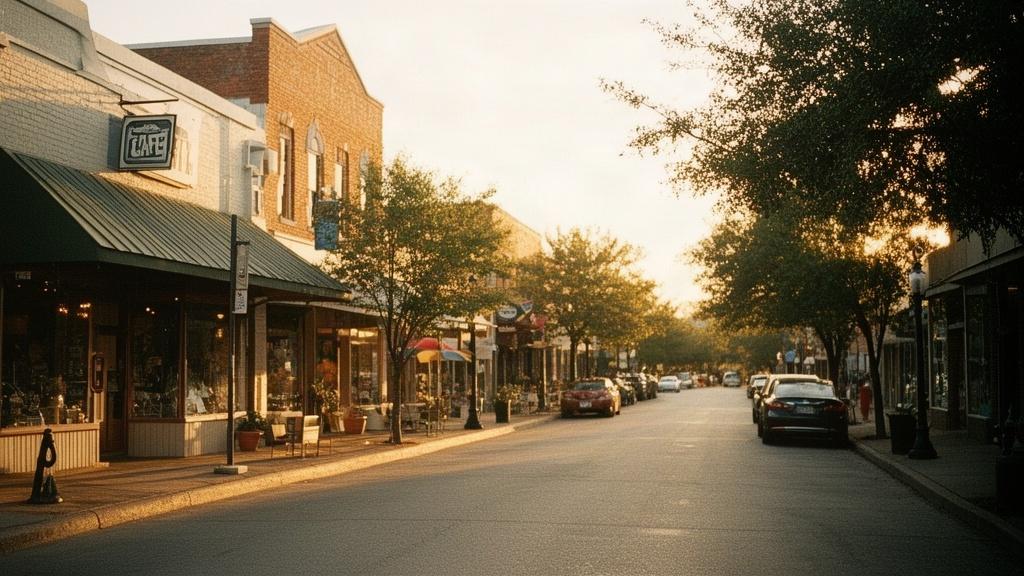
Properties within walking distance of Main Street sit at the core of the market. Downtown Highlands is compact, anchored by a stretch of independent restaurants, art galleries, and specialty shops along Main Street and 4th Street. The Highlands Biological Station and the Highlands Nature Center are within a short walk of the commercial core, as is Kelsey-Hutchinson Founders Park, which hosts outdoor concerts and community events through the warmer months.
In-town homes range from historic cottages built in the early twentieth century to newer construction on smaller lots. Lot sizes in the downtown core tend to run from a quarter acre to about an acre. These properties appeal to buyers who want to walk to dinner or the farmers market without getting in a car, and they carry a walkability premium that is unusual for a mountain town of this size. For a deeper look at the in-town buying process specifically, the article on buying a home in downtown Highlands covers the steps and costs in detail.
Gated Communities and Club Properties
Several gated communities surround Highlands, each built around a specific amenity set. Wildcat Cliffs Country Club, located off Horse Cove Road about two miles from downtown, centers on a Donald Ross-designed golf course and offers a mix of single-family homes and homesites at varying price points. Cullasaja Club, situated along the Cullasaja River gorge on US-64 West, is a private golf and sporting club with larger estate properties on wooded lots. Old Edwards Club at Highlands Falls Country Club is another gated option with golf, tennis, and fitness amenities.
Club communities add HOA fees and initiation costs on top of the purchase price, which materially changes the total cost of ownership. Buyers interested specifically in the Wildcat Cliffs area can find more detail in the guide on buying a high-end home near Wildcat Cliffs Country Club, which covers what to expect from that specific segment of the market.
Ridge and Waterfront Properties
Some of the most distinctive properties in the Highlands market sit on ridge lines with long-range views into Georgia, South Carolina, and Tennessee. These homes are often accessed by steeper roads and require more robust infrastructure: generators, propane systems, and sometimes private well and septic rather than municipal utilities. The tradeoff is dramatic scenery and genuine privacy on larger parcels, sometimes five acres or more.
Lake Sequoyah and Mirror Lake are two small lakes near Highlands with lakefront and lake-access properties. Lakefront inventory on the plateau is limited, which keeps prices elevated relative to comparable square footage elsewhere in the market. The guide on the Highlands ridge real estate market goes into the specific pricing dynamics and timing considerations for ridge-top properties.
Cashiers and the Plateau Corridor
Cashiers sits about 11 miles east of Highlands on US-64, roughly a 20-minute drive under normal conditions. Many buyers relocating to the plateau consider both towns together, since the communities share a school system, some amenities, and a connected real estate market. Cashiers tends to offer somewhat larger lots and a slightly different mix of price points, though the overall character of the market is similar.
For a broader orientation to what is available across the plateau, this local neighborhood guide provides useful context on how the different residential areas compare in terms of housing stock and physical features.
3. What Things Cost: Home Prices, Taxes and Living Expenses
The Highlands market sits firmly in luxury territory by national standards, but there is meaningful variation within that range depending on location, amenities, and property type. Understanding the full cost picture before you start touring homes prevents the kind of sticker shock that derails relocations after months of searching.
Current Home Price Ranges in September 2026
As of September 2026, the Highlands market spans a wide price range depending on property type and location. Entry-level condominiums and smaller cottages in less central locations can be found starting in the high $400,000s to low $600,000s, though these represent the thinner end of available inventory. Single-family homes in established residential areas, including some in-town properties, typically run from the mid-$700,000s into the low millions. Club community homes and ridge properties with long views start around $1.2 million and extend well past $5 million for estate-scale properties.
Price per square foot in the Highlands market currently runs from roughly $350 on the lower end to $800 or more for newer construction in premium locations. Land values are significant: a cleared, buildable lot with a view within five miles of downtown can list anywhere from $300,000 to over $1 million depending on acreage and road access. Buyers who plan to build rather than buy an existing home should budget for construction costs that are higher than in lower-elevation markets, given the logistics of mountain building and the premium on local contractors.
Property Taxes and HOA Fees
Macon County property taxes are relatively modest compared to many markets buyers relocate from. The combined county and municipal tax rate for properties within Highlands town limits runs approximately 0.55 to 0.65 percent of assessed value annually, though buyers should verify current rates directly with Macon County Tax Administration since rates are subject to change. On a $1 million home, that translates to roughly $5,500 to $6,500 per year in property taxes, which is meaningfully lower than what buyers coming from Florida, Georgia, or the Northeast often pay.
HOA fees in gated communities are a separate and significant line item. Annual dues in club communities can range from $8,000 to $25,000 or more depending on the club and the level of membership required. Many clubs also charge a one-time initiation fee ranging from $30,000 to $100,000. These costs are disclosed during the due diligence period, but buyers should ask about them before making an offer so the total cost of ownership is clear from the start.
Cost of Living Beyond the Purchase Price
Groceries and everyday goods in Highlands are priced above the national average, partly because of the logistics of supplying a small mountain town and partly because the local market supports premium pricing. The nearest large-format grocery stores are in Franklin, about 18 miles west on US-64, a drive of roughly 35 to 40 minutes. Cashiers has a smaller grocery option. Many full-time residents make a weekly or biweekly run to Franklin or to Sylva for bulk shopping.
Healthcare access is another practical consideration for anyone relocating to Highlands as a primary residence. Highlands-Cashiers Hospital on Hospital Drive provides emergency and primary care services. For specialized care, Mission Health in Asheville is approximately 75 miles north. Buyers with specific medical needs should map out their healthcare plan before committing to the move.
4. Realistic Timelines for Relocating to Highlands
The timeline for relocating to Highlands, North Carolina is almost always longer than buyers expect, especially those coming from markets with higher inventory and faster transaction cycles. Planning around realistic phases, rather than best-case scenarios, keeps the process from becoming stressful.
How Long the Search Phase Takes
Active inventory in the Highlands market in September 2026 is limited relative to buyer demand, which means the right property may not be available the week you start looking. Buyers who are flexible on property type and willing to consider a range of locations within the plateau tend to find something within two to four months of beginning a serious search. Buyers with a very specific wish list, such as a particular community, a minimum acreage, or a specific price ceiling, sometimes search for six to twelve months before the right property appears.
The Highlands market is most active from late spring through early fall, roughly May through October, when seasonal residents are on the plateau and sellers tend to list. Winter months see reduced activity but also reduced competition. Buyers who can be flexible about when they search sometimes find less competition in November through February, though inventory is also thinner during those months.
Contract to Close in the Highlands Market
North Carolina uses a due diligence period structure that gives buyers a negotiated window to complete inspections, appraisals, and financing before going hard on the contract. In the Highlands market, due diligence periods typically run 30 to 45 days for standard transactions and can extend to 60 days or more for complex properties such as those with private wells, septic systems, significant acreage, or structural elements that require specialist inspectors. Scheduling inspectors in a market with limited local contractor availability can itself take two to three weeks.
From accepted offer to closing, most transactions in Highlands run 45 to 75 days. Cash buyers can sometimes close in 30 days, but financed purchases take longer because mountain properties occasionally require additional appraisal scrutiny, and lenders unfamiliar with the market may need extra time to process the file. Working with a lender who has closed loans in Western North Carolina before can shave meaningful time off this phase.
Planning Your Physical Move to the Mountains
The physical logistics of moving to Highlands add another layer of planning that buyers sometimes overlook. Large moving trucks cannot navigate all driveways on the plateau, particularly those with steep grades or sharp switchbacks. Buyers should confirm driveway access with their moving company before booking. Some moves require a shuttle from a staging area at the bottom of a driveway to the home itself, which adds time and cost.
If you are relocating from Florida, Georgia, or another Southern state, the Florida to NC mountains relocation guide at brandirininger.com covers practical logistics including vehicle considerations, utility setup, and what to expect from the climate transition, which is relevant for anyone making the move from a warmer state.
5. Practical Steps to Make Your Relocation Go Smoothly
A successful relocation to Highlands comes down to preparation, local knowledge, and realistic expectations about how this specific market operates. The steps below reflect what actually moves the process forward, based on how transactions here tend to unfold.
Get Financing Sorted Before You Search
In a market where well-priced properties receive multiple offers within days of listing, a pre-approval letter is the minimum. A fully underwritten pre-approval, which means your income, assets, and credit have already been reviewed by an underwriter, is meaningfully stronger. Sellers in the Highlands market see a lot of offers from buyers who are financially capable, so anything that signals certainty on the financing side improves your position.
Mountain properties sometimes require jumbo loan products, and not every lender is comfortable with rural or high-elevation appraisals. Ask your lender specifically whether they have experience with Western North Carolina properties before committing to work with them. A lender who has to research the market from scratch during your transaction adds risk to your timeline.
Visit in Different Seasons
Highlands in October looks dramatically different from Highlands in January, and both look different from Highlands in July. If you can visit the area in at least two different seasons before committing to a purchase, you will have a much clearer sense of what daily life actually involves. Pay attention to road conditions on the specific route to any property you are seriously considering, not just the main roads.
The shoulder seasons, particularly March through April and November, give you a realistic picture of what the town feels like when the peak-season crowds have thinned. Some buyers discover that the quieter months are exactly what they were looking for. Others realize they want the energy of the summer season and factor that into their decision about which specific area to prioritize.
Work With Someone Who Knows the Plateau
The Highlands market has enough nuance, from HOA structures to road access to well and septic considerations, that working with an agent who knows the plateau in detail is genuinely important. An agent who can tell you from experience which driveways are problematic in winter, which communities have pending special assessments, or which areas have recurring utility issues is providing value that no amount of online research can replicate.
For a detailed look at how to evaluate and choose the right agent for your relocation, the guide on buying a home in Highlands, North Carolina covers the full process from initial search through closing, with specifics on what to expect at each stage.
FAQ
How long does it realistically take to relocate to Highlands, North Carolina from start to finish?
For most buyers, the full timeline from beginning a serious search to closing runs four to eight months, though it can be shorter for buyers with flexible criteria or longer for those with very specific requirements. The search phase alone often takes two to four months given limited inventory on the plateau. Once under contract, closing typically takes 45 to 75 days depending on financing type and property complexity. Building in extra time for the physical move, including logistics around driveway access and contractor scheduling, is wise.
What is the entry-level price for a home in Highlands, NC in 2026?
As of September 2026, the lower end of the Highlands residential market starts in the high $400,000s to low $600,000s for smaller condominiums or cottages in less central locations, though this type of inventory is limited and moves quickly when it does appear. Single-family homes in established areas more commonly start in the mid-$700,000s. Buyers with budgets below $600,000 should be prepared for a longer search and should consider whether properties in nearby Franklin or Sylva might meet their needs while keeping them within reasonable driving distance of the plateau.
Do I need a four-wheel drive vehicle to live in Highlands, North Carolina?
It depends on the specific property. Many in-town and paved-road properties are accessible in a standard vehicle year-round. However, a significant portion of residential properties in the Highlands market involve steep, unpaved, or gravel driveways that become difficult or impassable in winter without four-wheel drive or all-wheel drive. Before making an offer on any property, it is worth visiting the driveway specifically in wet conditions and asking your agent about the road maintenance situation. This is one of the practical details that experienced local agents flag early in the process.