
← Back to Blog
Market Trends
Spokane, Washington Real Estate Market Guide: Prices, Neighborhoods and Timing
By Julie Herrmann, REALTOR® | Mortgage Broker
Kelly Right Real Estate, LLC · NMLS# 1563583
September 29, 2026 · 10 min read
This Spokane, Washington real estate market guide covers everything you need to make a confident decision right now: where prices stand in September 2026, what the housing stock looks like across the city's distinct neighborhoods, and how to time your move in a market that has drawn national attention this year. Whether you are relocating from out of state, buying your first home, or preparing to sell, the numbers and local context here will help you move forward with clarity.
1. Where Spokane Prices Stand Right Now
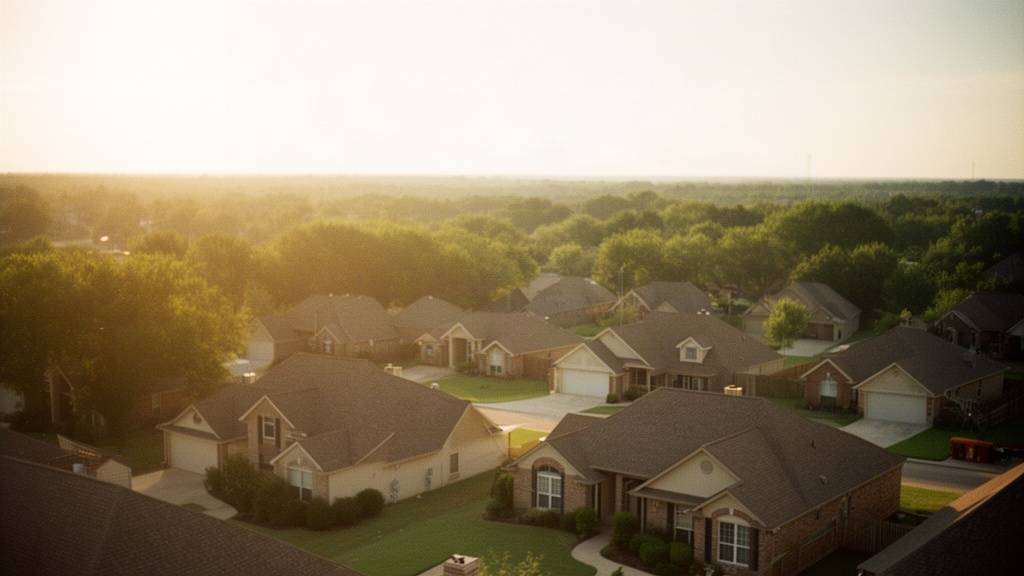
Spokane home prices have held firm through 2026, sitting in a range that remains well below Seattle and the west side of the Cascades while continuing to climb from the lows seen several years ago. As of September 2026, the median sale price for a single-family home in Spokane city proper is approximately $340,000 to $360,000, depending on the sub-area and property type.
Median Price and Price Per Square Foot
Price per square foot tells a sharper story than median price alone. In Spokane, that figure currently runs between $185 and $225 per square foot for move-in-ready single-family homes, with newer construction and properties on larger lots toward the higher end. Condos and townhomes in the downtown core, particularly near the Spokane River and Riverfront Park, can push past $250 per square foot given their location premium.
For a fuller breakdown of what those numbers mean at the street level, the companion article What Is the Average Home Price in Spokane Washington Right Now in September 2026 goes deeper into price tiers by bedroom count and property condition.
How Spokane Compares to the Broader Washington State Market
Washington state as a whole has seen inventory tighten considerably this year. Statewide inventory dropped roughly 13 percent year over year, according to reporting from HousingWire on the Washington housing market, while price cuts have risen as sellers test a market where buyers are more deliberate. Spokane has not been immune to that dynamic, but its price point gives it a cushion that coastal markets do not have: buyers priced out of Bellevue or Kirkland are still finding Spokane workable.
The National Association of Realtors named Spokane among its Western housing hot spots with opportunities in 2026, pointing to its relative affordability, population growth, and job base as factors that continue to support demand even as interest rates remain elevated nationally.
2. Spokane's Neighborhoods: Housing Stock and Price Ranges
Spokane is not one housing market; it is several overlapping ones. Each part of the city has a distinct architectural character, lot size range, and price band. Knowing those differences before you start touring homes saves time and prevents sticker shock.
South Hill
South Hill sits on a basalt plateau south of downtown, rising sharply above the Spokane River canyon. The housing stock here spans Craftsman bungalows built in the 1920s and 1930s near the Manito Park area, mid-century ranches throughout the interior, and newer construction on the far south end approaching the Palouse Highway corridor. Lot sizes range from compact 5,000-square-foot city lots near 29th Avenue to half-acre and larger parcels further south. Prices currently run from roughly $330,000 for a dated three-bedroom ranch to well over $700,000 for a renovated Tudor or newer custom build with views.
Manito Park itself, with its formal rose garden, duck pond, and greenhouse conservatory, anchors the northern edge of South Hill and draws consistent foot traffic year-round. The park is within walking distance of several of the neighborhood's most sought-after blocks.
For a detailed look at what daily life on South Hill involves, see the article What Is It Actually Like to Live in the South Hill Neighborhood of Spokane on this site.
North Spokane and the Five Mile Prairie Area
North Spokane stretches from the Hillyard neighborhood near the rail yards up through the Five Mile Prairie plateau, where the terrain opens into wide, flat lots with long sight lines toward Mount Spokane. The Five Mile area in particular has seen steady construction activity, with newer subdivisions offering three- and four-bedroom homes in the $380,000 to $520,000 range. Further south toward Francis Avenue, you find post-war construction: solid brick and wood-frame homes on 6,000 to 8,000 square foot lots, often priced between $260,000 and $360,000 depending on updates.
Commute times from Five Mile Prairie to downtown Spokane run roughly 15 to 25 minutes by car depending on traffic along Division Street or Monroe Street. The area is also close to Riverside State Park, which covers over 14,000 acres along the Spokane River and offers trails, camping, and off-road vehicle areas.
West Central and Browne's Addition
Browne's Addition is Spokane's oldest platted neighborhood, developed in the 1880s and 1890s on the bluff above the Spokane River. It holds some of the city's most architecturally significant homes: Victorian-era mansions, Queen Anne cottages, and early Foursquares, many of them on the historic register. Entry-level homes here start around $280,000 for a smaller cottage needing work; fully renovated properties on the larger lots along Coeur d'Alene Avenue or Pacific Avenue can exceed $600,000. The neighborhood is about a mile and a half from the core of downtown, making it one of the most walkable residential areas in the city.
West Central, just north of Browne's Addition across Sunset Boulevard, has a mix of smaller Craftsman homes and post-war construction at lower price points, generally $220,000 to $310,000. It borders Riverside State Park and has direct trail access.
The Valley: Spokane Valley and Opportunity
Spokane Valley is a separate city east of Spokane proper, but buyers routinely consider it alongside city listings because of its price advantage and access to I-90. Median prices in Spokane Valley currently run about 8 to 12 percent below comparable Spokane city homes, with three-bedroom ranches on 8,000 to 10,000 square foot lots commonly listed in the $295,000 to $380,000 range. The Opportunity and Greenacres sub-areas offer newer construction and larger lots. The commute to downtown Spokane from central Spokane Valley is roughly 15 to 20 minutes by car via I-90.
3. What Is Driving the Spokane Market in 2026
Three forces are shaping the Spokane real estate market right now: constrained inventory, the aftermath of the August 2026 wildfires, and sustained in-migration from higher-cost metros. Understanding each one helps buyers and sellers set realistic expectations.
Inventory Trends
Active listings in Spokane County have been running below historical norms for most of 2026. In practical terms, that means well-priced homes in South Hill, Five Mile, and Spokane Valley are still moving in under 30 days, while overpriced listings or those needing significant work are sitting longer and accumulating price reductions. Buyers have more negotiating room than they did in 2022 and 2023, but they cannot afford to wait indefinitely on a home that is priced correctly.
The Wildfire Factor
The wildfires that swept through parts of the Spokane region in August 2026 added an unexpected pressure to an already tight housing supply. Families displaced by fire damage entered the rental and purchase market simultaneously, compressing available inventory further in certain corridors. Agents across the city, including those at Kelly Right Real Estate, moved quickly to help affected homeowners understand their options, from insurance-backed rebuilds to temporary relocation. If you are buying near areas that saw fire activity, due diligence on insurance availability and defensible space requirements is now a standard part of the conversation.
National Recognition and Relocation Demand
Spokane has appeared on multiple national lists of markets worth watching in 2026, which is not just flattering; it translates into real buyer competition. Remote workers from Seattle, the Bay Area, and Southern California continue to relocate here, drawn by the ability to buy a detached home with a yard for a fraction of what the same square footage would cost on the coast. Washington's lack of a state income tax adds to the appeal for people moving from California or Oregon. That relocation demand is a floor under Spokane prices even when local economic conditions soften.
4. Timing the Spokane Market: When to Buy or Sell
Timing matters in Spokane, but not in the way most people assume. The question is not just about finding the cheapest month to buy; it is about matching your move to the conditions that give you the most leverage.
Seasonal Patterns in Spokane
Spokane follows a clear seasonal rhythm. Listings peak in May and June, when sellers want to be on market before summer and buyers are motivated by school-year timelines. Competition is highest during those months, and homes priced well often receive multiple offers within the first week. July and August see continued activity but with some tapering. By September, the market shifts: fewer buyers are actively touring, which means less competition for those who are still looking. October through February is historically Spokane's slowest period, with the fewest listings but also the least buyer competition.
For sellers, listing in late March or April puts your home in front of the largest pool of motivated buyers. For buyers, September through November can offer more negotiating room, though inventory is thinner. The trade-off is real: you may find a better deal in October, but you may also have fewer homes to choose from.
Reading the Current Window
Right now, in September 2026, Spokane is in its post-summer transition. Sellers who priced aggressively in June and did not sell are now reducing. Buyers who were outbid earlier in the year are finding that some of those same homes are back in their range. It is not a buyer's market in the traditional sense, but it is a more balanced window than what existed in April or May. Interest rates remain the biggest variable: even a half-point movement in rates shifts monthly payments meaningfully at Spokane's price points, so buyers watching rates closely are well-positioned to act when a dip occurs.
5. What Buyers and Sellers Should Do Right Now
A good Spokane, Washington real estate market guide does not stop at data; it translates that data into actions. Here is what the current conditions mean in practical terms for each side of a transaction.
For Buyers
Get pre-approved before you tour anything. Spokane sellers still want to see a solid pre-approval letter before taking an offer seriously, even in a slower month. Know your price ceiling and build in a buffer for inspection findings: homes in the $280,000 to $340,000 range, particularly in North Spokane and West Central, often have deferred maintenance that does not show up in photos. Budget for that reality.
If you are relocating from out of state, spend time in the neighborhoods you are considering before committing. Spokane's geography is distinct: the South Hill plateau, the river canyon, the flat north side, and the valley all feel different in terms of terrain, commute routes, and daily rhythm. No amount of online research fully replaces a weekend visit.
The article Homes for Sale in Spokane WA: A Buyer's Complete Guide to the Market Right Now covers the full buying process in Spokane in detail, from search to closing.
For Sellers
Pricing discipline is the single most important factor in your outcome right now. Homes that come on at or slightly below market value are still generating strong activity and, in some cases, multiple offers. Homes that come on 5 to 8 percent above market are sitting, collecting days on market, and eventually selling for less than they would have if priced correctly from day one. Spokane buyers in September 2026 are informed; they are watching price histories and they notice when a home has been reduced.
Presentation still matters enormously at Spokane's price points. Professional photography, a clean and decluttered interior, and basic landscaping work all return more than they cost. Homes in the $350,000 to $500,000 range that are staged or professionally photographed consistently spend fewer days on market than comparable unstaged listings.
If you are curious about how long homes are actually sitting before they sell in the current Spokane market, that data is broken down in detail on this site as well.
FAQ
Is Spokane, Washington a good market to buy in right now in September 2026?
Spokane remains one of the more accessible housing markets in the Pacific Northwest in September 2026, with median single-family home prices in the $340,000 to $360,000 range, well below comparable cities on the west side of the Cascades. The National Association of Realtors identified Spokane as a Western market with notable opportunities in 2026, citing its affordability relative to income levels and sustained in-migration. That said, inventory is tight and well-priced homes still move quickly, so buyers need to be pre-approved and ready to act. The post-summer period does offer slightly more negotiating room than the spring peak, making it a reasonable time to search if you are prepared. Working with a local agent who tracks specific neighborhood inventory is the most reliable way to find accurate current conditions.
Which Spokane neighborhoods have the most affordable housing stock?
West Central, Hillyard, and parts of North Spokane near Francis Avenue tend to offer the lowest entry prices in Spokane city limits, with many three-bedroom homes available in the $220,000 to $310,000 range depending on condition. Spokane Valley, while a separate city, also offers lower median prices than comparable Spokane city neighborhoods, often running 8 to 12 percent below city prices for similar square footage. These areas have a mix of post-war construction and older Craftsman-era homes, many of which have been updated over the decades. Price ranges shift with market conditions, so the figures above reflect September 2026 data and should be verified with a current market analysis. For school district information, the Washington State Office of Superintendent of Public Instruction maintains searchable data by district that buyers can review independently.
How do the August 2026 wildfires affect buying or selling a home in Spokane?
The wildfires that affected parts of the Spokane region in August 2026 displaced households who entered the housing market as buyers and renters simultaneously, which added pressure to an already constrained inventory. For buyers considering properties in or near affected corridors, it is important to ask about insurance availability before making an offer, as some carriers have adjusted coverage terms in areas with elevated wildfire risk. Sellers in unaffected areas may find that their homes are drawing more interest than they expected due to displaced buyers seeking options. Anyone purchasing near wildland-urban interface areas should also review Spokane County's defensible space guidelines, which outline vegetation management requirements. A knowledgeable local agent can help you identify which specific areas were affected and what due diligence steps apply to a given property.