
← Back to Blog
Market Trends
The Innisfail Downtown Core Area Real Estate Market Guide: Prices, Neighborhoods and Timing
By Kari Flaws
Royal Lepage Network Realty
September 17, 2026 · 11 min read
The Innisfail downtown core area real estate market guide covers everything buyers and sellers need to know: what homes cost right now, what the housing stock actually looks like block by block, and when the market tends to move in your favour. Whether you are relocating from Red Deer, upsizing from a newer subdivision, or selling a property you have owned for decades, the downtown core has its own rhythm and its own price logic that sets it apart from the rest of Innisfail.
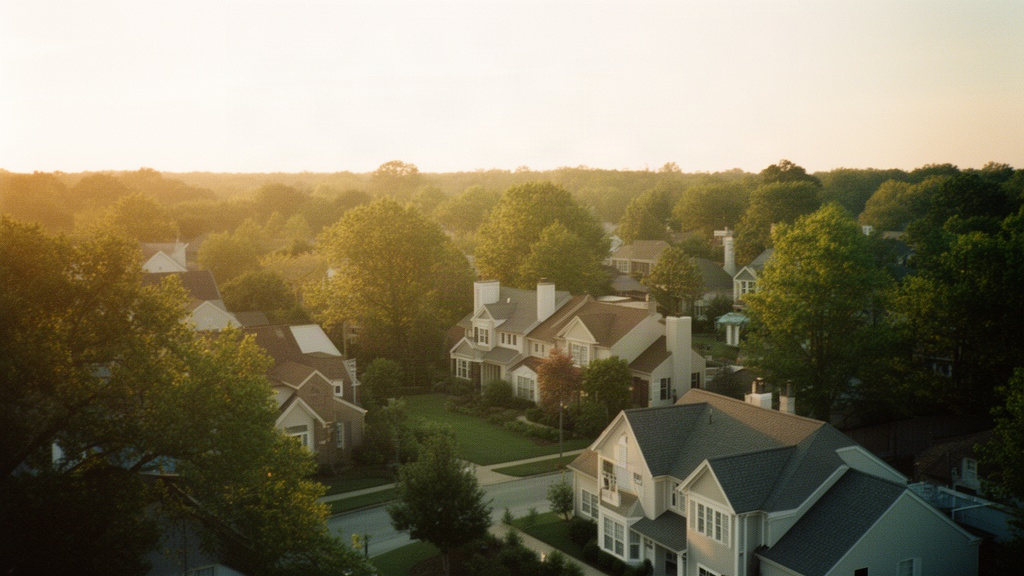
1. What Makes the Downtown Core a Distinct Market Segment
The downtown core is its own micro-market within Innisfail. Properties here are priced, marketed, and absorbed differently than homes in Hazelwood, Dobler, or the newer northwest developments. Understanding that distinction is the starting point for making a smart decision, whether you are buying or selling.
The Physical Character of the Area
The downtown core of Innisfail sits roughly between 42nd Street and 50th Street, centred along Highway 2A (which runs through town as 50th Avenue). This corridor includes the commercial main street, the post office, Innisfail Town Hall, and a mix of residential streets running east and west off the main drag. The Innisfail Museum and the old CN Rail corridor are nearby reference points that help orient buyers new to the area.
Homes here were largely built between the 1920s and the 1970s, which means the streetscape is a mix of original character bungalows, two-storey wartime-era houses, and a handful of infill properties constructed or heavily renovated in the 2000s and 2010s. Mature elms and poplars line many of the side streets, and lot sizes tend to run narrower than what you find in newer subdivisions, typically in the 5,000 to 7,500 square foot range.
How Downtown Differs from Newer Subdivisions
Newer subdivisions on the west and northwest edges of Innisfail offer larger lots, attached garages, and open-concept layouts built to current Alberta Building Code standards. The downtown core trades some of those features for walkability, established trees, proximity to the Innisfail Aquatic Centre on 42nd Avenue, and immediate access to shops and services along 50th Avenue. Buyers weighing these trade-offs should also factor in that older homes often require more maintenance capital in the near term, even when they are priced attractively on the surface.
If you are also considering properties outside the core, the Innisfail rural real estate market guide covers acreage and country residential options that offer a completely different value proposition.
2. Downtown Core Prices: What Homes Are Selling For in September 2026
Prices in the downtown core currently sit below the Innisfail-wide average for detached homes, reflecting the age and condition of much of the housing stock. That gap represents both a risk and an opportunity, depending on how a buyer approaches the purchase.
Detached Home Price Range
As of September 2026, detached homes in the Innisfail downtown core are generally trading in the $220,000 to $360,000 range. The lower end of that range reflects properties that are original condition, may have older mechanical systems, and have not been updated since the 1990s or earlier. The upper end reflects homes that have seen meaningful renovation: updated kitchens, new windows, modernized electrical panels, and in some cases detached garages or converted basements.
Outliers exist on both sides. A fully renovated character home on a corner lot with a double detached garage can push toward $390,000 or beyond, while a property requiring significant structural or foundation work may list below $200,000. For current MLS listings and recent sale data specific to this pocket, Zolo's downtown Innisfail market page is a useful starting point for tracking active inventory and historical sold prices.
Attached and Multi-Unit Properties
The downtown core also contains a small but consistent supply of duplexes, half-duplexes, and older four-plexes. These properties appeal to buyers looking for rental income alongside their primary residence, or to investors who want to hold central Innisfail real estate without entering the single-family market. Side-by-side duplexes in this area currently trade in the $280,000 to $380,000 range for the full building, depending on suite condition and rental history.
Condo inventory in the strict downtown core is limited. Most of Innisfail's condo product sits in other parts of town. Buyers specifically seeking condo-style ownership with lower maintenance obligations may find more options by broadening their search slightly.
How to Read Listing Data for This Area
Price per square foot is a useful lens here, but it needs context. An 1,100 square foot bungalow priced at $240,000 works out to roughly $218 per square foot, which can look like a bargain compared to newer construction in Innisfail running $280 to $320 per square foot. But if that bungalow has a 100-amp electrical panel, original galvanized plumbing, and a furnace from 2001, the renovation budget required to modernize it can easily add $40,000 to $80,000 to the true cost of ownership.
The HonestDoor platform provides assessed value history alongside listing data, which can help buyers understand how a property's assessed value has moved relative to its asking price over time. That context matters in a market segment where condition variance is as wide as it is in the downtown core.
3. Street-by-Street Housing Stock in the Innisfail Downtown Core
Not every block in the downtown core looks or prices the same. Knowing which streets tend to produce which types of properties helps buyers narrow their search and helps sellers understand where their home sits in the local pecking order.
Older Character Homes and Bungalows
The streets closest to the commercial core, particularly those between 47th and 50th Streets, contain some of the oldest residential stock in Innisfail. Many of these homes date to the 1920s through 1940s and feature original wood trim, narrow staircases, and smaller room footprints by modern standards. Some have been beautifully maintained or restored; others have been through several rounds of budget renovations that can complicate inspections.
Moving south toward 42nd and 44th Streets, the housing stock shifts toward postwar bungalows and modest two-storeys built through the 1950s and 1960s. These properties tend to have slightly larger lots, more established landscaping, and in some cases detached single-car garages that were added in the 1970s or 1980s. Finished basement square footage in this zone varies widely; some owners have converted lower levels into legal or secondary suites, and some have not.
Lots, Setbacks, and Yard Sizes
Lot widths in the downtown core commonly run 33 to 50 feet, with depths of 120 to 140 feet on most blocks. That translates to a usable rear yard on most properties, though the narrow frontage can limit garage placement and driveway options. Corner lots in this area are particularly sought after because they offer more flexibility for detached garage construction and improved natural light on two sides of the home.
Town of Innisfail zoning in parts of the downtown core permits secondary suites and in some cases secondary dwellings on the same lot, which has driven some infill and garden suite activity in recent years. Buyers interested in that potential should verify zoning directly with the Town of Innisfail planning department before factoring it into an offer.
Condition and Renovation Considerations
Homes built before 1960 in Alberta frequently contain materials that require specific handling during renovation: knob-and-tube wiring, asbestos in floor tiles or pipe insulation, and lead paint in older layers. None of these automatically make a property a poor purchase, but they do affect renovation costs and timelines. A thorough home inspection from an inspector familiar with older Alberta housing stock is not optional in this market segment; it is essential.
Buyers who are new to purchasing older homes may find the first-time home buyer guide for Innisfail helpful for understanding inspection conditions, financing quirks related to older properties, and what to watch for when reviewing a disclosure document.
4. Timing the Innisfail Downtown Core Market
The downtown core follows Innisfail's broader seasonal patterns, but with some differences worth knowing. Because inventory in this pocket is limited at any given time, individual listings can move quickly or sit for months depending on condition and pricing, regardless of the season.
Seasonal Patterns in Central Innisfail
Spring, specifically April through June, brings the most buyer activity to Innisfail as a whole, and the downtown core is no exception. Listings that hit the market in late April or May benefit from the highest pool of active buyers. Summer sees continued activity, though some buyers pause during school holidays. The fall window, from September through mid-November, is the second-strongest period, and right now in September 2026 that window is open.
December through February is historically the quietest stretch in Innisfail. Listings that sit through winter without selling often come back in spring with a price adjustment. Sellers who can time their listing to avoid this window generally see better outcomes.
Days on Market and Absorption
In September 2026, well-priced and well-presented homes in the Innisfail downtown core are moving in the 25 to 45 day range. Properties that need significant work, or that are priced as if they have already been renovated when they have not, are sitting considerably longer, often 75 to 120 days or more before a price reduction brings buyer interest back. The spread between those two outcomes is almost entirely explained by pricing accuracy at launch.
Downtown core inventory is thin relative to other parts of Innisfail. At any given time, there may be only four to eight active detached listings in this pocket. That limited supply means buyers should be prepared to move when the right property appears, and sellers should understand that their competition is small but often priced aggressively.
When to List and When to Offer
For sellers, listing in late September or early October captures the tail end of fall buyer demand before the market quiets. Homes that are priced correctly and show well can still attract solid offers through mid-October. After that, the pool of active buyers in central Innisfail shrinks noticeably until the following spring.
For buyers, the late fall and early winter period can occasionally produce opportunities. Sellers who have been on the market since summer without success may be more open to negotiation in November and December. The trade-off is limited selection, and the best properties rarely sit long enough to reach that discounted window.
5. Practical Guidance for Buyers and Sellers in the Downtown Core
The downtown core rewards preparation. Buyers who understand what they are looking at, and sellers who present their home honestly and price it accurately, consistently outperform those who approach this pocket without that groundwork.
What Buyers Should Know Before Making an Offer
Get pre-approved before you start viewing homes in this area. Some downtown core properties qualify for conventional financing without issue, but others, particularly those with deferred maintenance or non-conforming suites, can trigger lender conditions that slow or complicate a purchase. Knowing your financing ceiling and any lender restrictions before you fall in love with a property saves significant stress.
Budget for a home inspection and, on older properties, consider adding a sewer scope to the inspection package. Older clay or cast iron sewer laterals in the downtown core can be a significant expense if they need replacement, and that cost is rarely visible in a standard visual inspection. The Town of Innisfail's infrastructure maps can give you a general sense of when municipal water and sewer lines in a given block were last updated.
Buyers relocating from outside Innisfail may also find the relocating to Innisfail guide useful for understanding the broader town layout, commute times to Red Deer (approximately 30 kilometres south on Highway 2), and what to expect from the local services and amenities.
What Sellers Should Know Before Listing
Presentation matters more in the downtown core than almost anywhere else in Innisfail. Buyers in this price range are often making trade-offs, accepting an older home in exchange for a lower price point. When a home looks clean, well-maintained, and cared-for, buyers extend the benefit of the doubt on age-related features. When a home looks neglected, buyers price in every possible risk, and offers reflect that.
Sellers should also be honest with their agent about any known defects. Alberta's disclosure obligations require sellers to disclose material latent defects, and attempting to conceal issues creates legal exposure that far outweighs any short-term pricing benefit. A transparent listing, priced to reflect actual condition, moves faster and closes more reliably than an overpriced one that collapses after inspection.
For a deeper look at what goes into a successful sale in this market, the article on choosing a realtor to sell your home in Innisfail walks through what to look for in an agent and how local knowledge specifically affects your outcome.
Working with a Local Expert
The downtown core is a small enough market that individual agent experience with this specific pocket makes a real difference. An agent who has sold homes on these streets before knows which blocks have drainage issues, which properties have had repeated price reductions, and what buyers in this price range are actually prioritizing when they walk through a door.
Kari Flaws of Royal LePage Network Realty works in Innisfail and the surrounding Central Alberta market. Her familiarity with the downtown core, its housing stock, and its pricing patterns means she can give buyers and sellers specific, grounded guidance rather than general market commentary. If you are weighing a purchase or sale in this area, reaching out to Kari directly is the most efficient first step.
FAQ
Are homes in the Innisfail downtown core cheaper than in other parts of town?
Generally, yes. As of September 2026, detached homes in the downtown core tend to price below the Innisfail-wide average for detached properties, largely because the housing stock is older and condition varies significantly from property to property. The gap between a move-in-ready downtown home and a comparable newer build in a west-end subdivision can be $50,000 to $100,000 or more. However, that price difference does not always represent savings once renovation costs are factored in. Buyers should compare the total cost of ownership, not just the list price, when evaluating downtown core properties against newer alternatives.
How long does it take to sell a home in the Innisfail downtown core right now?
In September 2026, well-priced and well-presented homes in the downtown core are selling in roughly 25 to 45 days. Properties that are overpriced relative to condition, or that have deferred maintenance issues that surface during inspection, can sit for 75 days or longer before a price adjustment generates renewed interest. The downtown core has a limited pool of active buyers at any given time, which means pricing accuracy at launch is the single biggest factor in how quickly a property moves. Sellers who work with an agent familiar with this specific pocket tend to price more accurately from day one.
What should I look for when buying an older home in the Innisfail downtown core?
The most important steps are a thorough home inspection and, on homes built before 1970, a sewer scope to check the condition of the lateral line connecting the house to the municipal sewer. Older electrical panels, original plumbing, and the possible presence of asbestos or lead paint in pre-1960 construction are all factors that affect renovation costs and lender conditions. You should also verify zoning with the Town of Innisfail if you are considering any future additions or secondary suite development, as permitted uses vary by block within the core. Getting pre-approved before you start viewing is essential, since some older properties trigger lender conditions that can complicate or delay financing.