← Back to Blog
Market Trends
Lafayette Indiana Real Estate Market Guide: Prices, Neighborhoods, Timing
By Karina Hernandez
Trueblood Real Estate
September 1, 2026 · 10 min read
If you are buying, selling, or relocating to Lafayette, Indiana, this real estate market guide covers what you actually need to know: current prices, what different parts of the city offer, and how to time your move for the best outcome. Lafayette sits at the crossroads of Tippecanoe County and is home to Purdue University just across the Wabash River in West Lafayette, making it one of the most economically stable mid-sized markets in the state.
1. What Lafayette, Indiana Homes Actually Cost Right Now
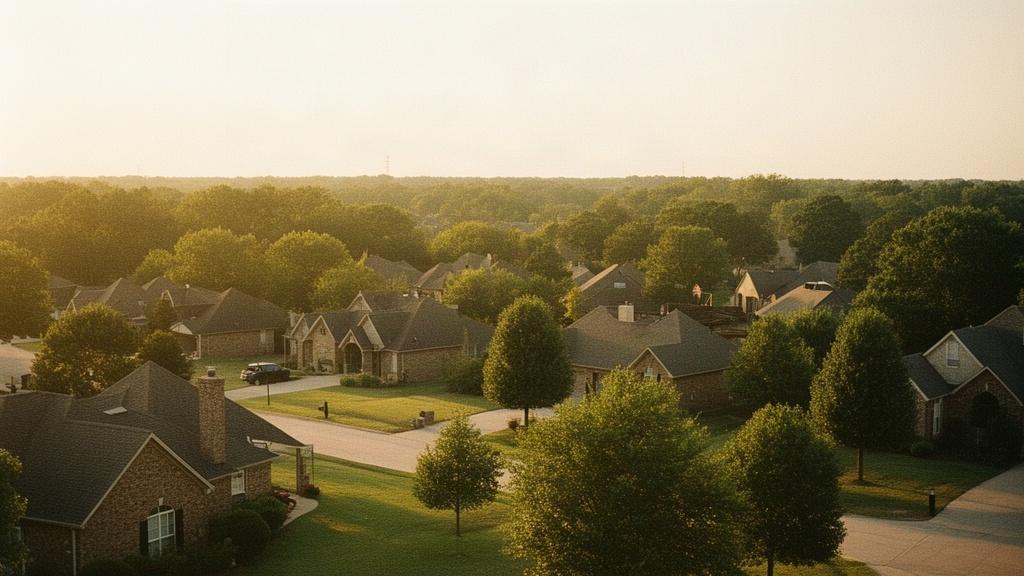
The Lafayette, Indiana real estate market in September 2026 is sitting at a median home price of roughly $215,000 to $235,000 for the city of Lafayette proper, depending on the neighborhood and property type. Single-family detached homes make up the bulk of the market and typically run between $175,000 for older bungalows in established neighborhoods and $380,000 or more for newer construction on the south side of the city.
Median Prices and Price Per Square Foot
Price per square foot currently averages around $115 to $135 in Lafayette, with newer builds in subdivisions south of State Road 26 pushing closer to $145 to $160. Condos and townhomes, which are more common near downtown and along the US-52 corridor, tend to list between $130,000 and $210,000. Duplexes and small multi-family properties remain popular among investors connected to the university rental market and typically list in the $200,000 to $320,000 range.
According to a review of Lafayette's 2025 housing activity, Lafayette's 2025 housing market showed steady transaction volume even as mortgage rates kept some first-time buyers on the sidelines. That dynamic has carried into 2026, with inventory gradually loosening but demand from relocating professionals and Purdue-affiliated households keeping prices from softening significantly.
How Lafayette Compares Within Indiana
Lafayette prices sit below the Indianapolis metro median, which has hovered near $290,000 to $310,000 through 2026, making Lafayette a relatively accessible entry point for buyers priced out of larger Indiana metros. Fort Wayne and South Bend track closer to Lafayette's range, but neither carries the same university-driven rental demand or the research and tech employment base that Purdue and its affiliated companies bring to Tippecanoe County.
For a broader view of how statewide inventory shifts are affecting buyers across Indiana, this HousingWire analysis of Indiana's housing market outlines how rising supply in some markets is creating openings that did not exist two years ago. Lafayette is one of the markets where that loosening is starting to show up in days-on-market figures.
2. Lafayette Neighborhood Breakdown: What Each Area Offers
Lafayette is not a one-size-fits-all market. Different parts of the city have distinct housing stock, lot sizes, price points, and proximity to amenities. Understanding those differences is one of the most useful things you can do before starting your search.
Downtown and Near-Northside
The blocks surrounding downtown Lafayette along Main Street and Columbia Street feature a mix of renovated Victorian-era homes, older two-story foursquares, and converted commercial buildings. Lot sizes here tend to be smaller, typically 40 to 60 feet wide, and many properties date to the early 1900s. Prices in this corridor generally run between $130,000 and $230,000 for single-family homes, with some fully renovated properties pushing higher. Walkability to the Tippecanoe County Courthouse, the Wabash River waterfront, and local restaurants along South Street is a practical draw for people who prefer to drive less.
Murdock and Happy Hollow
The Murdock neighborhood on the northwest side of Lafayette and the Happy Hollow area near the Wabash River bluffs contain some of the city's most architecturally varied housing. You will find craftsman bungalows, Tudor revivals, and mid-century ranches on tree-lined streets with mature canopy cover. Homes here typically list between $155,000 and $290,000. Happy Hollow Road itself winds along a ravine system, giving some properties a wooded feel unusual for a city of Lafayette's size. Commute time to downtown Lafayette from either area is roughly five to ten minutes by car.
South Lafayette and Hazel Dell
South Lafayette, particularly the Hazel Dell area along Creasy Lane and south of Sagamore Parkway, is where most of the city's newer residential development has concentrated over the past fifteen years. Subdivisions here include homes built between 2005 and 2026, with open floor plans, two-car garages, and lot sizes between 0.15 and 0.35 acres. Prices typically range from $230,000 to $390,000 depending on square footage and finish level. The area is roughly a fifteen-minute drive to the Purdue campus and has direct access to the Indiana 25 bypass, making it practical for commuters heading toward Indianapolis on US-52.
Columbian Park and Edgelea
The Columbian Park neighborhood sits adjacent to one of Lafayette's most recognized landmarks: Columbian Park itself, a 65-acre green space along the Wabash River that includes a zoo, a lagoon, and athletic fields. Homes in this area are predominantly mid-century ranches and split-levels from the 1950s through 1970s, with prices generally between $145,000 and $250,000. The Edgelea neighborhood to the east features a similar vintage of housing stock and connects easily to the Indiana 26 corridor for access to West Lafayette and the Purdue Research Park.
For a detailed look at the West Lafayette side of the market, which sits directly across the Wabash River and carries its own distinct price range and housing stock, see the guide to homes for sale in West Lafayette, Indiana.
3. Timing the Lafayette Market: When to Buy and When to Sell
Timing in the Lafayette market follows recognizable seasonal rhythms, but the Purdue academic calendar adds a layer that most purely residential markets do not have. Understanding both patterns gives buyers and sellers a concrete edge.
Seasonal Patterns in Lafayette
Spring is the busiest listing season. Inventory peaks between late March and early June, and competition among buyers is highest during this window. Homes that are priced correctly and show well often receive multiple offers within the first week in the spring market.
Late summer through September, which is where the market sits right now, sees a secondary wave of activity driven by households relocating ahead of the school year and Purdue faculty and staff arriving before the fall semester. This creates a window where motivated sellers and motivated buyers are both active at the same time, which can produce cleaner transactions than the frenzied spring peak.
November through February is historically the slowest stretch. Fewer homes come to market, but the buyers who are active during winter months tend to be serious, often relocating for employment or under time pressure. Sellers who list in winter face less competition from other listings, which can offset the smaller buyer pool.
How Inventory Levels Affect Your Strategy
As of September 2026, Lafayette's active inventory has grown compared to the tight conditions of 2022 and 2023, but the market has not flipped to a true buyer's market across all price bands. Homes priced under $200,000 still move quickly, often within two to three weeks. Homes above $300,000 are sitting longer, sometimes sixty to ninety days, giving buyers in that range more room to negotiate on price and terms.
If you are trying to decide whether this specific moment is the right one for your situation, the article on whether right now is a good time to buy in Lafayette walks through the rate environment, inventory data, and personal financial factors that matter most to that decision.
4. What Drives Lafayette Real Estate Prices
Lafayette's price floor is higher and more stable than comparably sized Indiana cities because of a specific set of economic anchors that generate consistent housing demand. Knowing what those anchors are helps you understand why prices have held up even when national headlines have been negative.
Purdue University and the Employment Base
Purdue University employs roughly 18,000 people across its West Lafayette campus and is the single largest employer in Tippecanoe County. That employment base creates a constant pipeline of incoming faculty, researchers, administrators, and graduate students who need housing on both sides of the river. The Purdue Research Park, one of the largest university-affiliated research parks in the country, adds private-sector tech and biotech employment that brings additional professional households into the market.
Subaru of Indiana Automotive in nearby Lafayette Township is another major employer, with roughly 6,000 workers, and Wabash National Corporation, headquartered in Lafayette, adds manufacturing and corporate employment. This diversified base means the local economy is not dependent on a single sector, which has historically cushioned the housing market during broader economic downturns.
Infrastructure and Development Activity
The ongoing development of the Sagamore Parkway corridor and continued commercial growth along the SR-26 East corridor have pushed residential development southward and eastward. New retail, healthcare facilities, and restaurant activity in those corridors tend to follow residential growth, which reinforces demand for nearby housing. The expansion of IU Health Arnett Hospital on South Street has also added healthcare employment that draws professionals relocating from outside the region.
For a more detailed breakdown of the economic and market forces shaping prices right now, the Lafayette, Indiana real estate market trends article for 2026 covers current data on days on market, list-to-sale price ratios, and where inventory is growing fastest.
5. Practical Steps for Buyers and Sellers in Lafayette
Knowing the market is one thing; being positioned to act on it is another. These are the concrete steps that make the difference between a smooth transaction and a missed opportunity in the Lafayette market.
For Buyers: Getting Positioned
Get pre-approved, not just pre-qualified, before you start touring homes. In the under-$200,000 segment, homes in Lafayette can go under contract within days, and a pre-approval letter from a lender who has verified your income and assets carries far more weight with sellers than a soft pre-qualification. Indiana Housing and Community Development Authority programs may also be worth reviewing if you are a first-time buyer, as they offer down payment assistance for qualifying households.
Know your commute requirements before you narrow your neighborhood search. If you are working at Purdue, the drive from south Lafayette to campus via US-52 and State Street runs about fifteen to twenty minutes in normal traffic. From downtown Lafayette to the Purdue Research Park via the US-231 bridge is closer to ten minutes. Those distances matter when you are comparing a $190,000 home in Columbian Park to a $270,000 new build in Hazel Dell.
Budget for inspection and repair reserves on older homes. A large share of Lafayette's housing stock was built between 1920 and 1975, and properties in that age range often have deferred maintenance items, older electrical panels, or original cast-iron plumbing that a thorough inspection will surface. Factor at least one to two percent of the purchase price annually for maintenance when evaluating affordability on older homes.
For Sellers: Preparing Your Home
Pricing is the single most important decision you will make as a seller. In September 2026, the Lafayette market rewards accurate pricing and penalizes overpricing. Homes that come in ten percent above comparable sales tend to sit, accumulate days on market, and ultimately sell for less than they would have if priced correctly from the start. A comparative market analysis from a local agent who knows the specific neighborhood comparables is worth more than any automated valuation tool.
Presentation matters more in a market with more inventory. When buyers have options, they move past homes that look tired online. Professional photography, a clean exterior, and a decluttered interior are not optional extras in the current market. Homes in Lafayette's mid-range that photograph well and are priced to the market are still selling within two to four weeks.
Choosing the right agent makes a measurable difference in your net proceeds. If you want to understand what separates a genuinely experienced local agent from one who simply holds a license, the article on how to know if a Lafayette real estate agent is experienced and trustworthy covers the specific questions to ask and credentials to look for.
FAQ
What is the median home price in Lafayette, Indiana right now?
As of September 2026, the median home price in Lafayette, Indiana sits in the range of $215,000 to $235,000 for single-family homes, depending on the neighborhood and condition of the property. Entry-level homes in older established areas like the Near-Northside or Columbian Park can be found in the $145,000 to $185,000 range, while newer construction in south Lafayette subdivisions typically starts around $230,000 and can exceed $380,000 for larger homes with premium finishes. Condos and townhomes are generally priced lower, between $130,000 and $210,000. Price per square foot across the city averages roughly $115 to $135, with newer builds pushing toward $145 to $160.
Is Lafayette, Indiana a buyer's market or a seller's market in 2026?
The Lafayette market in 2026 is best described as a transitional market, with conditions varying significantly by price range. Homes priced under $200,000 remain competitive, with limited inventory and relatively short days on market, which favors sellers in that segment. Above $300,000, buyers have more leverage because inventory has grown and homes are sitting longer, sometimes sixty to ninety days. For buyers, this means the strategy depends heavily on the price band you are shopping in. Working with a local agent who tracks active inventory and days-on-market data by neighborhood gives you the most accurate read on conditions for your specific search.
What should someone relocating to Lafayette, Indiana know before buying?
People relocating to Lafayette should understand that the city and West Lafayette are two distinct municipalities with different tax rates, housing stock, and price points, even though they sit immediately adjacent to each other separated by the Wabash River. Lafayette proper offers more affordable housing and a wider range of architectural styles, from Victorian-era homes downtown to newer subdivisions on the south side. Commute distances within the metro are short; most points in Lafayette are within fifteen to twenty minutes of the Purdue campus or major employers like Subaru of Indiana Automotive and IU Health Arnett Hospital. It is worth visiting multiple neighborhoods in person before committing, since the character of housing stock can shift noticeably from one part of the city to another. A local agent who knows the specific streets, not just the zip codes, is the most practical resource for narrowing down where to focus your search.