
← Back to Blog
Neighborhoods
Is the Drummond Road Area of Niagara Falls Ontario Mostly Older Homes or Are There Newer Builds Available Too?
By Karnpal Singh
September 22, 2026 · 10 min read
The Drummond Road area of Niagara Falls Ontario is not a one-era neighbourhood. It carries a deep inventory of mid-century and post-war homes, but newer builds and renovated properties have also made their way into the mix over the past decade. This article breaks down exactly what the housing stock looks like, what price ranges you can expect, and what to watch for when you are shopping this corridor.
1. The Short Answer: What Kind of Housing Stock Does Drummond Road Actually Have?
The Drummond Road area of Niagara Falls Ontario is predominantly older housing stock, with the majority of homes built between the 1940s and the 1970s. That said, newer builds and substantially renovated properties are available, particularly on infill lots and at the southern end of the corridor closer to Lundy's Lane and the Drummond Hill area. If you are house-hunting here, you will encounter a genuine mix, but you should walk in expecting older construction to dominate the listings.
The Dominant Era of Construction
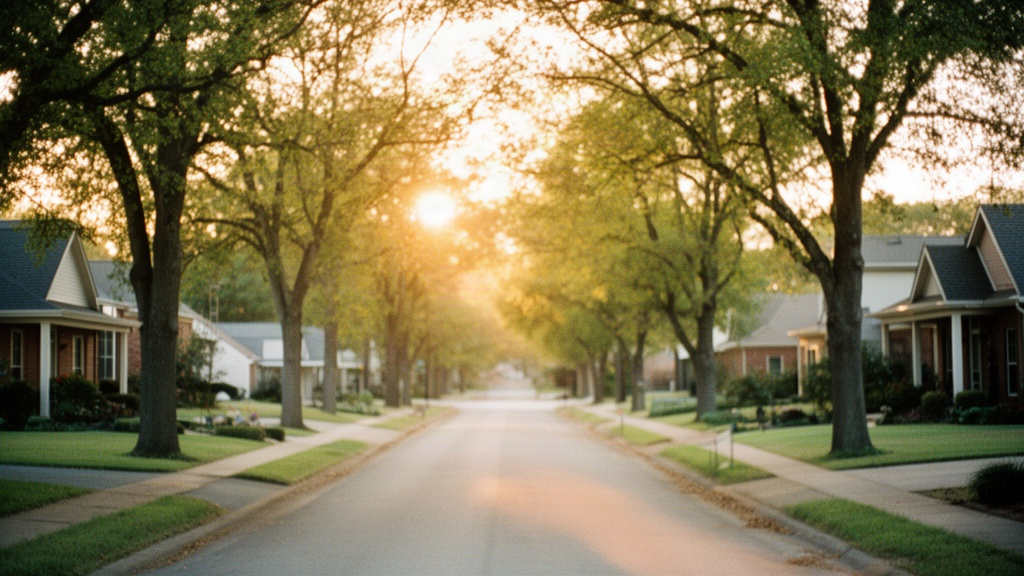
Most of the residential streets branching off Drummond Road were developed in the post-war boom that ran from roughly 1945 through the early 1960s. Niagara Falls was a growing industrial and tourism hub during that period, and the Drummond corridor filled in quickly with affordable detached housing aimed at working families. A second wave of construction in the late 1960s and 1970s added some larger two-storey homes and semi-detached properties to the mix, particularly on the side streets between Drummond Road and Portage Road.
How the Street Layout Shapes What You Find
Drummond Road itself runs north to south for several kilometres, connecting the older urban core near the QEW interchange down through Chippawa territory to the south. The residential character shifts as you move along the corridor. North of McLeod Road the lots tend to be narrower and the homes older and more compact. South of McLeod, particularly around the Drummond Hill Cemetery area and toward Lundy's Lane, you start to see slightly larger lots, more varied architecture, and occasional newer construction squeezed onto previously vacant or subdivided parcels.
2. The Older Homes: What Post-War and Mid-Century Builds Look Like Here
Older homes in the Drummond Road area follow the architectural patterns common across Niagara Falls from that era: solid bones, modest square footage, and construction methods that have aged with varying results depending on how well each property was maintained.
Bungalows and 1.5-Storey Homes
Bungalows are the most common form you will encounter. They typically run 800 to 1,200 square feet of above-grade living space, sit on lots ranging from 40 to 55 feet wide, and feature full unfinished or partially finished basements that add usable square footage. The 1.5-storey form, sometimes called a Cape Cod style, is also well represented here. These homes have a partial upper floor with sloped ceilings that usually contains one or two bedrooms and a bathroom. If you want to explore what 1.5-storey homes are currently listed for in the Niagara Falls market, NiagaraHomes.com has a dedicated search for this property type that makes it easy to filter by this style.
Detached Brick and Frame Houses
Brick exterior construction is common in the post-war stock, which is a practical advantage in Niagara Falls where winters can be damp and cold coming off Lake Ontario and the escarpment. Aluminum or vinyl-sided frame homes from the 1960s and 1970s are also plentiful. Two-storey detached homes from the 1970s tend to be larger, running 1,400 to 1,800 square feet above grade, and they often have attached single-car garages. Semi-detached properties from this era also appear, though they are less common here than in some other Niagara Falls corridors like Morrison Street or Dorchester Road.
What Condition Typically Looks Like
Condition varies enormously from property to property, which is one of the defining features of buying in an older corridor like this one. Some homes have been updated consistently: new roofs, replaced windows, updated electrical panels moved away from old 60-amp or fuse-based systems, and modernized kitchens and bathrooms. Others have had minimal work done in decades. Knob-and-tube wiring, original plumbing, and aging furnaces are still present in a meaningful share of the housing stock, so a thorough home inspection is not optional here.
The upside is that well-maintained older homes in this area offer genuine value. A solid brick bungalow on a 50-foot lot within walking distance of Drummond Road commercial services can still be found in the $450,000 to $580,000 range as of September 2026, which is considerably below the price of a comparable footprint in newer subdivisions on the city's west or south sides.
3. Newer Builds and Renovated Properties in the Drummond Corridor
Newer construction does exist in the Drummond Road area, though it is not the dominant story. The newer stock tends to arrive through three channels: infill construction on previously vacant lots, lot-split projects where a large older lot is divided and a new home built on the rear or side portion, and full gut renovations that replace everything but the foundation and frame. Each of these produces a different ownership experience.
Infill Construction and Lot Splits
Infill homes built in the 2010s and into the 2020s appear scattered through the side streets off Drummond Road. These are typically two-storey detached homes ranging from 1,600 to 2,200 square feet, built on narrower lots that were either previously empty or created through a severance. They tend to feature open-concept main floors, attached single or double garages, and modern mechanical systems. Prices for this type of property in the Drummond area currently sit in the $650,000 to $800,000 range, depending on size, finishes, and exact location.
The City of Niagara Falls has continued to approve infill severances in established neighbourhoods as part of its intensification policies under the Provincial Policy Statement, so this type of new construction is likely to keep appearing in the Drummond corridor over the coming years. For buyers who want a newer home without relocating to a brand-new subdivision on the city's outskirts, infill properties here represent a practical middle ground.
Renovated Originals That Feel New
A significant share of what looks like newer housing in this area is actually a heavily renovated older home. When a 1955 bungalow receives a full addition, new roof, new windows, updated electrical and plumbing, and a completely redone interior, it can present similarly to a newer build on paper but comes with the character of an older lot and streetscape. These properties are worth examining closely: the quality of the renovation matters as much as the age of the renovation, and a permit history search through the City of Niagara Falls building department will tell you what work was done with proper approvals.
Where to Find the Newest Stock
If you specifically want new construction and the Drummond Road corridor is your preferred location, the southern end of the corridor near Chippawa and the Willoughby area is your best starting point. Small-scale builder projects and custom builds have appeared in this zone more consistently than further north. You can also browse current Drummond area listings on platforms like ViewHomes.ca's Drummond neighbourhood page to filter active listings by year built and get a real-time picture of what is available. For a broader look at new construction across Niagara Falls, our article on Niagara Falls neighbourhoods, housing, and amenities covers how different parts of the city compare in terms of housing era and style.
4. Price Ranges and What Your Budget Gets You
The Drummond Road area offers one of the wider price ranges of any established corridor in Niagara Falls, precisely because the housing stock is so varied in age, size, and condition.
Entry-Level and Mid-Range Options
As of September 2026, entry-level detached homes in the Drummond corridor, typically smaller bungalows or 1.5-storey homes needing some work, are listed in the $420,000 to $499,000 range. Move-in-ready bungalows with updated kitchens and bathrooms tend to fall between $500,000 and $600,000. Larger two-storey detached homes from the 1970s in solid condition sit in the $580,000 to $680,000 range. Infill new builds and heavily renovated properties push into the $700,000 to $850,000 range.
These figures reflect the broader Niagara Falls market, which has seen price stabilization through 2026 after the significant run-up of earlier years. The Drummond corridor has historically tracked slightly below the city average for detached homes, offering a modest discount relative to streets closer to the tourist core or the newer southwest subdivisions.
How Drummond Road Compares to the Broader Niagara Falls Market
Buyers comparing the Drummond corridor to newer subdivisions on the west side of Niagara Falls, around areas like Garner Road or Kalar Road, will generally find that Drummond offers lower entry prices but older infrastructure. A brand-new townhome in a western subdivision currently starts around $650,000 to $720,000, while a detached bungalow on Drummond with a larger lot can be found for less. The trade-off is that the newer subdivision home comes with a Tarion warranty and modern mechanical systems, while the Drummond bungalow may need capital investment in the near term. Neither is the objectively better choice; it depends entirely on your priorities and budget flexibility.
5. Practical Buying Considerations for This Area
Whether you are drawn to the character of an older home or specifically hunting for a newer build in the Drummond corridor, there are a few practical points that apply to almost every purchase in this area.
Due Diligence on Older Homes
A full home inspection is essential for any pre-1980 property in this corridor. Key items to investigate include the electrical panel (60-amp service and fuse boxes are not insurable with most carriers and will require an upgrade), the plumbing material (galvanized steel pipes from the 1950s and 1960s corrode from the inside and restrict water pressure), the condition of the roof and fascia, and whether the basement has been waterproofed. Older homes in Niagara Falls can also show signs of foundation movement given the region's clay-heavy soil composition, so a structural assessment is worth the cost on any home where you see visible cracks in the foundation walls or uneven floors.
For newer infill builds, ask to review the building permits and occupancy certificate through the City of Niagara Falls building department. This confirms the construction was inspected and approved at each stage, which matters both for your peace of mind and for mortgage financing.
Lot Sizes, Parking, and Infrastructure
Lot sizes in the Drummond Road area are generally generous by Niagara Falls standards, particularly compared to newer townhome developments. Typical detached lots run 40 to 60 feet wide and 100 to 130 feet deep, giving you a meaningful backyard and room for a detached garage or garden. Most properties have private driveways with room for two vehicles. Street parking is generally available on the residential side streets as well. The area is serviced by municipal water and sewer throughout.
Proximity to Amenities and Transit
Drummond Road itself functions as a commercial arterial, which means grocery stores, pharmacies, restaurants, and service businesses are within short driving or cycling distance for most properties in the corridor. The Drummond Hill Cemetery and the surrounding green space provide a notable open-air landmark mid-corridor. Niagara Falls Transit Route 102 runs along Drummond Road, connecting the corridor to the downtown Via Rail station and the Niagara Falls bus terminal, which matters for buyers who commute or travel without a vehicle. The QEW is accessible within a 5 to 10 minute drive depending on your exact address, connecting you to St. Catharines (roughly 20 kilometres north) and the Greater Toronto Hamilton Area beyond.
For buyers researching how this area fits into the broader Niagara Falls landscape, the Niagara Falls neighbourhoods guide on this site provides a useful overview of how Drummond compares to other established corridors like Morrison Street, Lundy's Lane, and the Stamford area in terms of housing stock and local amenities.
FAQ
Are there any new construction homes available on or near Drummond Road in Niagara Falls right now?
Yes, new construction does appear in the Drummond Road area, though it is not common. The most likely form is infill construction on vacant or severed lots, primarily on the residential side streets rather than on Drummond Road itself. The southern end of the corridor, near the Chippawa and Willoughby areas, sees more new builder activity than the northern sections. As of September 2026, infill new builds in the Drummond corridor are generally priced between $650,000 and $850,000 depending on size and finishes. Checking active listings filtered by year built is the most reliable way to identify what is currently available.
What are the most common issues buyers encounter with older homes in the Drummond Road area?
The most frequent issues in pre-1975 homes along the Drummond corridor are outdated electrical panels, aging plumbing, and moisture in basements. Sixty-amp electrical service and fuse-based panels are not acceptable to most home insurers and lenders, so upgrading to a 100-amp or 200-amp panel is often a condition of financing. Galvanized steel water pipes, common in homes built before the mid-1960s, corrode internally and reduce water pressure over time. Basement moisture is also worth investigating carefully, as Niagara Falls clay soils can put pressure on older foundation walls. A thorough pre-offer inspection with a qualified home inspector will surface these items before you are committed.
How does the Drummond Road area housing stock differ from newer Niagara Falls subdivisions?
The core difference is age, lot character, and price point. The Drummond corridor is dominated by detached homes built between 1945 and 1975, sitting on lots that are typically 40 to 60 feet wide with mature trees and established streetscapes. Newer subdivisions on the western and southern edges of Niagara Falls, around areas like Garner Road and Kalar Road, offer homes built in the 2010s and 2020s with modern mechanical systems, open-concept layouts, and Tarion warranty coverage, but generally on smaller lots and at higher entry prices. Buyers choosing between the two are essentially trading newer infrastructure and warranty protection against larger lots, more character, and a lower purchase price in the Drummond area.