
← Back to Blog
Local Living
What Is It Actually Like to Live in the Stamford Neighbourhood of Niagara Falls Ontario Day to Day
By Karnpal Singh
September 22, 2026 · 10 min read
If you are wondering what it is like to live in the Stamford neighbourhood of Niagara Falls Ontario day to day, the short answer is this: it is a mature, established part of the city where tree-lined streets, mid-century housing stock, and quick access to big-box retail sit side by side with surprisingly quiet residential pockets. This guide covers everything from morning commutes and grocery runs to housing prices, green space, and what the streets actually feel like on a Tuesday afternoon.
1. Where Stamford Sits and How the Area Is Laid Out
Stamford occupies a broad swath of central and northwest Niagara Falls, Ontario. It is one of the older, more established planning districts in the city, sitting inland from the tourist corridor along Clifton Hill and the falls themselves. The neighbourhood is roughly bounded by the QEW to the north, Lundy's Lane to the south, and stretches west toward the border with Thorold and Pelham. That positioning gives it a genuinely suburban feel while keeping it within a short drive of the city's commercial spine.
Geographic Boundaries and Street Grid
The street grid in Stamford is a mix of older residential crescents, straight arterial roads, and cul-de-sacs that were built out primarily between the 1950s and the 1980s. Dorchester Road, Portage Road, and Mountain Road are the main north-south and east-west arteries you will use constantly. They connect residential streets to plazas, schools, and the highway with reasonable efficiency. Most blocks are walkable within themselves, though the distances between destinations make a car the practical choice for most errands.
How Stamford Connects to the Rest of Niagara Falls
QEW access from Stamford is straightforward. The McLeod Road interchange and the Thorold Stone Road ramps put drivers onto the highway in under ten minutes from most residential streets. That makes St. Catharines roughly 20 to 25 minutes west by car, and Hamilton roughly 55 to 65 minutes depending on traffic. For people who work in the broader Niagara Region but want to live in Niagara Falls, Stamford's highway access is one of its most practical attributes.
Niagara Falls Transit runs several routes through Stamford, including service along Dorchester Road and Portage Road. The frequency is adequate for getting to downtown Niagara Falls or the Pen Centre shopping area in St. Catharines, though most residents use transit as a secondary option rather than a daily primary one. If you are considering living in Stamford without a car, it is worth mapping your specific route before committing.
2. Housing Stock, Architecture, and What You Can Expect to Buy
Stamford's housing stock is predominantly detached bungalows and two-storey homes built between the 1950s and the early 1990s. Brick and brick-and-vinyl construction dominate the streetscape. Lots tend to be generous by Ontario suburban standards, with many properties sitting on 50-foot to 60-foot frontages and offering mature trees, deep backyards, and attached or detached garages. This is the kind of neighbourhood where you see original hardwood floors, updated kitchens, and the occasional untouched 1970s bathroom waiting for a renovation.
The Dominant Housing Types
Detached bungalows are the most common form in the older pockets of Stamford, particularly on streets north of Lundy's Lane. Two-storey detached homes become more common as you move toward the newer subdivisions closer to the QEW. Semi-detached homes and townhouses appear in pockets, particularly near commercial nodes. There are also a small number of condominium and apartment buildings along the arterial roads, giving the area a range of entry points for buyers at different budget levels.
If you want to browse what is currently listed in Stamford, the RE/MAX Hendriks Team Realty listing page for Stamford gives a current snapshot of available properties and asking prices, which is a useful reference point when you are forming a budget.
Price Ranges in September 2026
As of September 2026, detached homes in Stamford are generally trading in the $550,000 to $750,000 range for move-in-ready properties, with renovated or larger lots pushing toward $800,000 and above. Bungalows in original condition can still be found in the $490,000 to $560,000 range, which makes them one of the more accessible entry points for detached home ownership in the Niagara Falls market. Townhouses and semi-detached properties in Stamford typically list between $430,000 and $530,000 depending on condition and proximity to arterial roads.
For a broader look at how Stamford prices compare to other parts of Niagara Falls, the neighbourhoods guide on this site breaks down housing stock and price ranges across the city's major districts, which is worth reading before you narrow your search to a single area.
3. Day-to-Day Errands, Groceries, and Getting Around
Living in Stamford day to day means most of your regular errands are handled within a five to ten minute drive. The neighbourhood is not a walkable urban grid, but it is practical. Grocery stores, pharmacies, banks, hardware stores, and restaurants are clustered along the main commercial strips, and the absence of tourist-zone congestion makes running errands on a weekday morning genuinely painless.
Shopping and Services Within Reach
The Lundy's Lane corridor is the commercial backbone for Stamford residents. Along this stretch you will find a Walmart Supercentre, multiple grocery options including a Zehrs and an independent grocer, Canadian Tire, a range of fast food and sit-down restaurants, and a cluster of medical and dental offices. The strip is busy on weekends but moves quickly on weekday mornings. Most Stamford residents report that a full weekly grocery run takes 20 to 30 minutes door to door.
Montrose Road and Thorold Stone Road also have neighbourhood-scale plazas with pharmacies, convenience stores, and service businesses. For larger retail, the Pen Centre in St. Catharines is roughly 20 minutes west on the QEW, and Niagara Square on Dorchester Road in Niagara Falls is under ten minutes from most Stamford addresses. Costco in Niagara Falls is accessible via Montrose Road in about eight minutes. The combination means Stamford residents rarely feel the need to travel far for anything.
Commuting by Car and Transit
The internal road network in Stamford is one of its practical strengths. Because the neighbourhood sits away from the tourist core, you are not fighting Clifton Hill traffic on a Tuesday morning. Dorchester Road and Portage Road flow steadily during peak hours. Getting from a residential street in Stamford to the QEW on-ramp at Thorold Stone Road typically takes six to nine minutes, even at 8 a.m. For people commuting to Welland, that is roughly 25 minutes. Thorold is about 15 minutes. Fort Erie is under 30 minutes.
Niagara Falls Transit Route 102 and Route 104 serve parts of Stamford with connections to the downtown terminal on Erie Avenue. The GO Train station on Bridge Street connects Niagara Falls to Toronto Union Station, with the trip taking roughly two hours. For residents who commute to Toronto occasionally rather than daily, this is a workable option. The station is about 15 minutes by car from most Stamford addresses.
4. Parks, Green Space, and Outdoor Life in Stamford
Stamford has a solid network of neighbourhood parks and recreational facilities spread through its residential streets, and it sits within a short drive of some of the most significant natural landscapes in Ontario. This is one of the aspects of living in Stamford day to day that residents consistently appreciate: you can walk to a park in the morning and drive to the Niagara Gorge trail system in under 20 minutes.
Local Parks and Trails
Stamford Centre Volunteer Firefighters Association Park on Dorchester Road is one of the larger community green spaces in the area, with sports fields and open lawn. Kalar Road Park off Kalar Road provides a quieter neighbourhood option with a playground and open field. Firemen's Park, located near the Dorchester and McLeod intersection, is a well-maintained local park used for both casual recreation and organized sports. These parks are within walking distance of most residential streets in the core of Stamford.
The Gale Centre on Bender Street, roughly ten minutes from Stamford's residential core, is Niagara Falls' main arena and recreation complex. It hosts ice skating, hockey leagues, and community programming throughout the year. The MacBain Community Centre on McLeod Road is another major facility, with an indoor pool, fitness centre, and multi-purpose rooms. Both are accessible from Stamford without navigating the tourist corridor.
Proximity to Niagara's Larger Natural Assets
The Niagara River Recreation Trail runs along the river from Fort Erie to Niagara-on-the-Lake, and the Niagara Falls section is roughly 15 minutes by car from Stamford. The trail offers paved cycling and walking paths with views of the Niagara Gorge. Queenston Heights Park, with its elevated lookout over the escarpment and the river, is about 20 minutes north. Short Hills Provincial Park in Thorold, which has hiking trails through the Niagara Escarpment, is under 20 minutes west. For residents who prioritize outdoor access, Stamford's central position in the region makes it easy to reach several distinct landscapes without a long drive.
5. What the Stamford Neighbourhood Feels Like on an Ordinary Day
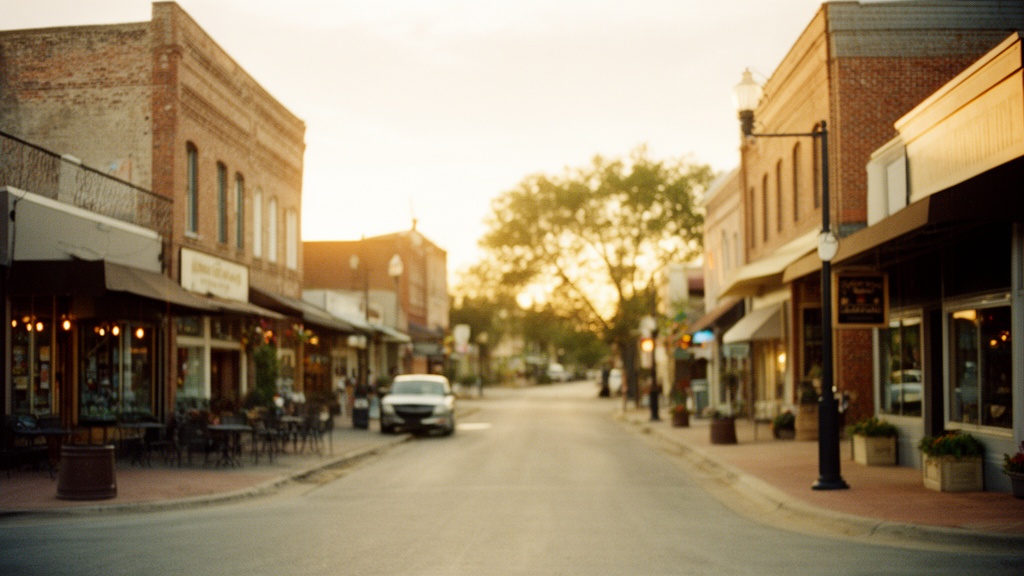
This is the part that is hardest to capture in a listing description but most important for people relocating. What is it like to live in the Stamford neighbourhood of Niagara Falls Ontario on a regular Wednesday? The answer is: quiet, functional, and distinctly residential. You hear lawnmowers on summer mornings. Streets are wide. Driveways are long. Neighbours wave. It does not feel like a city neighbourhood in the Toronto sense; it feels like a town that happens to be part of a city.
Street-Level Character
The mature tree canopy on many Stamford streets is one of the first things people notice when they move here from newer subdivisions. Decades-old maples and oaks line streets like Portage Road, Kalar Road, and the residential crescents off Dorchester Road. In summer, the shade is substantial. In fall, the colour is worth noting. The streetscape is neither manicured nor neglected; it is the kind of established residential texture that takes 40 or 50 years to develop and cannot be replicated in a new build.
Foot traffic on residential streets is light to moderate, with walkers, cyclists, and the occasional dog walker being the dominant presence during daylight hours. The arterial roads are busier, particularly Lundy's Lane during the tourist season from May through October, but the residential interior of Stamford is insulated from that traffic. The tourist zone, centred around the falls and Clifton Hill, is about 15 to 20 minutes east by car, close enough to visit easily but far enough that it does not affect daily life.
Community Anchors and Everyday Rhythm
Stamford has several community anchors that give the area a grounded, settled quality. St. Michael Catholic Secondary School and Saint Paul Catholic Elementary School are located within the neighbourhood boundaries. Public elementary and secondary schools serving Stamford are part of the District School Board of Ontario. For information on specific schools and their programming, the Ontario Ministry of Education's school finder at ontario.ca is the most reliable starting point, as school boundaries and programs change and are best confirmed directly with the relevant board.
Several churches and faith community buildings are distributed through Stamford, reflecting the neighbourhood's long residential history. There are also a handful of long-standing local restaurants and coffee shops along the commercial strips that have been there for decades, the kind that have a regular morning crowd and know their customers by name. That texture is part of what makes living in Stamford feel different from a newer subdivision where every business is a chain.
For people relocating from the Greater Toronto Area, Stamford often represents a significant shift in pace and cost. A detached home with a double garage and a mature lot that would cost over a million dollars in Mississauga can be found in Stamford for $600,000 to $700,000. The trade-off is a longer drive if your work is in Toronto, but for remote workers, retirees, or people with employment in Niagara, the value equation is clear. For a broader understanding of life in Niagara Falls as a whole, the Niagara Home Portal's living guide covers city-wide context that complements the Stamford-specific detail in this article.
FAQ
Is Stamford a good area to buy a house in Niagara Falls Ontario?
Stamford offers a mix of established housing stock, reasonable prices relative to the broader Ontario market, and practical access to major roads and amenities. Detached homes are available in a wide price range as of September 2026, from entry-level bungalows in the $490,000s to updated two-storey homes above $750,000. Whether it suits your situation depends on your commute requirements, budget, and lifestyle preferences, all of which are worth discussing with a local agent who knows the specific streets and pockets within Stamford. The neighbourhood's maturity means most streets are fully developed with established infrastructure, which reduces the uncertainty that can come with newer subdivisions.
How far is the Stamford neighbourhood from Niagara Falls tourist attractions?
The residential core of Stamford sits roughly 15 to 20 minutes by car from the Clifton Hill tourist zone and the falls viewpoints, depending on which part of Stamford you are in and the time of day. This distance is one of Stamford's practical advantages for residents: you are close enough to access the falls, the casino, and the tourist amenities when you want to, but the seasonal traffic and crowds do not affect your daily commute or street-level quiet. Lundy's Lane, which runs through part of Stamford, does see heavier traffic during the May to October tourist season, but the residential streets behind it remain largely unaffected.
What types of homes are most common in Stamford Niagara Falls and what do they cost in 2026?
The most common housing types in Stamford are detached bungalows and two-storey brick homes built primarily between the 1950s and the 1990s, sitting on lots with 50-foot to 60-foot frontages and mature trees. As of September 2026, detached move-in-ready homes generally range from $550,000 to $750,000, with bungalows in original condition available closer to $490,000 to $560,000. Townhouses and semi-detached homes in the area typically list between $430,000 and $530,000. Prices vary meaningfully by street, condition, and proximity to commercial roads, so working with a local agent who can compare recent sales on specific streets gives you a much more accurate picture than averages alone.