
← Back to Blog
Local Living
Relocating to Tallahassee, Florida: Neighborhoods, Costs and Timelines
By Kathy Reardon
Coldwell Banker Hartung
September 20, 2026 · 12 min read
Relocating to Tallahassee, Florida means moving to a mid-size capital city with a distinct mix of state government employment, two major universities, canopy roads lined with live oaks, and a housing market that is still more accessible than most Florida metros. This guide covers what you actually need to know before you move: which neighborhoods have what kind of housing stock, what things cost right now in September 2026, and how long the whole process realistically takes from first search to move-in day.
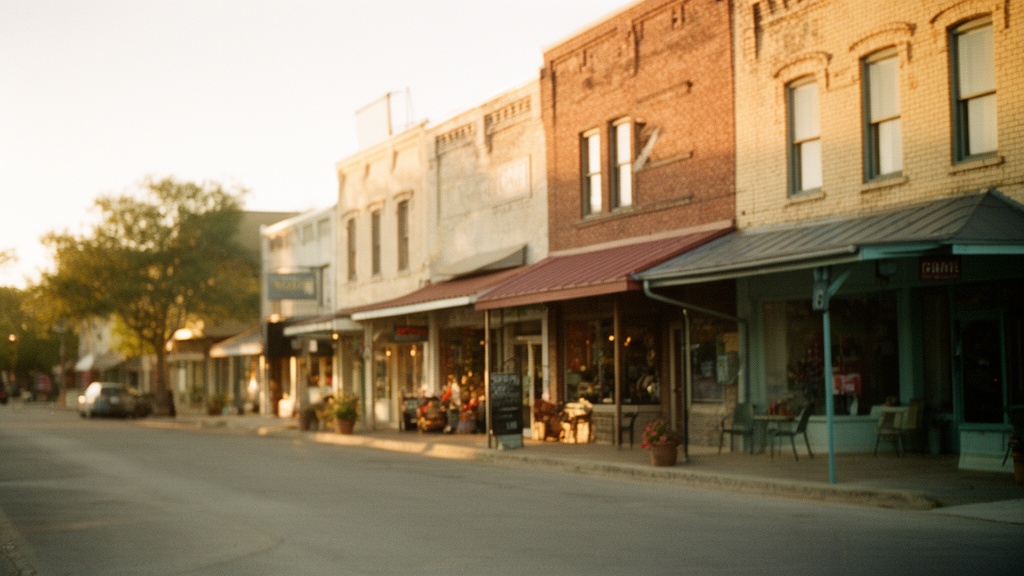
1. What Tallahassee Looks Like on the Ground
Tallahassee is not a beach city and it is not a sprawling suburb of Miami or Orlando. It sits in the Florida Panhandle about 30 miles from the Georgia border, and it has more in common geographically with the Deep South than with South Florida. The terrain is hilly by Florida standards, the streets in older neighborhoods are canopied by ancient live oaks, and the city's character is shaped heavily by the Florida State Capitol, Florida State University, and Florida A&M University.
The City's Layout and Character
The city proper has a population of around 200,000, with the broader metro area pushing closer to 385,000. Downtown Tallahassee is compact and centered on the Capitol complex, Kleman Plaza, and the Cascades Park greenway. From downtown, the city fans out in several directions, each with its own housing character and price range. Most of the residential growth over the past two decades has pushed northeast and southeast, while the area immediately surrounding the universities and Midtown retains a denser, older housing stock.
Employment and Why People Move Here
State government is the single largest employment sector, drawing attorneys, administrators, lobbyists, and agency professionals from across the country every year. FSU and FAMU together employ thousands of faculty, researchers, and staff, and both generate a constant stream of relocating academics and administrators. Capital Health Plan, Tallahassee Memorial HealthCare, and a growing technology corridor along the I-10 corridor also bring in relocating professionals. If you are moving here for a job, your employer type will often point you toward the part of the city where you will spend most of your time.
2. Neighborhoods to Know When Relocating to Tallahassee
Tallahassee's residential areas each have a distinct physical character, price range, and commute profile. Choosing where to buy or rent is one of the most consequential decisions in any relocation, so understanding what each area actually contains, rather than relying on reputation, is the right starting point. For a broader overview of how the market breaks down across the city, the Tallahassee real estate market guide on this site covers pricing and timing across all major areas.
Northeast Tallahassee
Northeast Tallahassee is the largest concentration of established single-family subdivisions in the city. Killearn Estates, Killearn Lakes, Golden Eagle, and Summerbrooke are the anchor communities here. Killearn Estates alone covers several square miles and contains thousands of homes built primarily between the 1970s and the 1990s, most on lots of a quarter acre or larger. Golden Eagle and Summerbrooke sit further northeast and feature newer construction, golf course settings, and gated sections with larger lot sizes.
Homes in the northeast quadrant range from roughly $300,000 for a smaller 1980s three-bedroom to well above $700,000 for newer construction or larger waterfront lots on Lake Iamonia or Lake Jackson. The commute from Killearn Estates to downtown runs about 20 to 25 minutes without traffic, and 30 to 40 minutes during the morning rush on Thomasville Road or Capital Circle NE. For a detailed breakdown of that specific area, the Killearn Estates real estate market guide covers price trends, lot sizes, and what buyers are seeing right now.
Midtown and Central Tallahassee
Midtown sits roughly two miles north of the Capitol and contains some of the oldest residential streets in the city. Bungalows from the 1920s and 1940s, mid-century ranch homes, and renovated cottages on lots as small as 5,000 square feet are common. The walkability here is higher than almost anywhere else in Tallahassee: restaurants, coffee shops, and Cascades Park are within a short walk or bike ride for many addresses. Home prices in Midtown vary considerably by condition and lot size, with updated bungalows trading anywhere from $280,000 to $550,000 depending on square footage and renovation quality.
The Midtown Tallahassee real estate market guide on this site goes deeper on price per square foot trends, what renovated versus unrenovated homes are selling for, and how quickly listings move in that corridor.
Southwood and Southeast Tallahassee
Southwood is a master-planned community on the southeast side of the city, developed primarily in the 2000s and 2010s. It is built around a traditional neighborhood design, meaning homes have front porches, narrower lots, and alleys running behind many properties. The community has its own town center with retail, a golf course, and several miles of walking and biking trails. Home prices in Southwood generally run from the low $300,000s for smaller townhomes to the mid $500,000s for larger single-family homes. The commute from Southwood to downtown is approximately 15 to 20 minutes via Capital Circle SE and Apalachee Parkway, though construction and traffic can extend that.
Southwest and Other Areas
The southwest side of Tallahassee, including areas near FSU's main campus and the Ox Bottom Road corridor, contains a mix of older ranch-style homes, newer subdivisions, and some of the city's most heavily wooded residential streets. Prices here span a wide range depending on proximity to campus and the condition of the home. The Redfin neighborhood overview is a useful starting point for getting a visual sense of how Tallahassee's residential areas are distributed across the city before you begin narrowing your search.
3. What It Costs to Live and Buy in Tallahassee
Cost is one of the most common questions from people relocating to Tallahassee, Florida, and the honest answer is that Tallahassee is meaningfully more affordable than Miami, Tampa, or Orlando across most categories. That said, prices have risen over the past several years and the market is not the bargain it was in 2019 or 2020.
Home Prices in September 2026
As of September 2026, the median sale price for a single-family home in Tallahassee sits in the mid to upper $290,000s, though that figure varies considerably by area. Entry-level homes in the $200,000 to $260,000 range do exist, primarily in older sections of the city or in properties that need updating. Move-in-ready homes in established northeast Tallahassee subdivisions tend to start closer to $310,000 to $340,000. Newer construction in Southwood, northeast Tallahassee, or along the I-10 corridor runs from the mid $300,000s into the $500,000s depending on square footage and finishes.
Condos and townhomes offer a lower entry point, with units near FSU or in Midtown trading in the $160,000 to $260,000 range depending on size and condition. If you are a first-time buyer, the first-time home buyer guide for Tallahassee covers loan programs, down payment assistance, and what to expect at each step of the purchase process here.
Property Taxes, Insurance and Ongoing Costs
Florida has no state income tax, which is a meaningful financial difference for people relocating from states like Georgia, North Carolina, or Virginia. Property taxes in Leon County, where Tallahassee is located, run roughly 1.0% to 1.3% of assessed value annually for most residential properties, though the exact figure depends on exemptions and the specific taxing district. A $320,000 home with the homestead exemption applied will typically generate an annual tax bill in the range of $3,000 to $3,800. The property taxes in Tallahassee guide on this site explains exactly how Leon County calculates your bill and what exemptions you can apply for after closing.
Homeowners insurance in Tallahassee is lower than in coastal Florida markets, but it has increased over the past three years as carriers have repriced statewide risk. Expect annual premiums in the range of $1,800 to $3,200 for a standard single-family home, depending on the age of the roof, the home's construction type, and whether it falls within a flood zone. Tallahassee is inland and not subject to the storm surge risk that drives premiums sky-high in Tampa Bay or the Keys, but certain low-lying areas do carry flood zone designations. The flood zones guide for Tallahassee explains how to look up any specific address before you make an offer.
General Cost of Living
Beyond housing, Tallahassee's cost of living runs below the national average in most categories. Groceries, utilities, and dining out are all priced more moderately than in South Florida or major metro areas on the East Coast. The Choose Tallahassee cost of living breakdown gives a useful category-by-category comparison if you are trying to model your monthly budget before you arrive.
Closing costs are a separate line item that surprises many buyers who are relocating from other states. In Florida, buyers typically pay between 2% and 4% of the purchase price in closing costs, covering lender fees, title insurance, prepaid property taxes, and homeowners insurance. On a $320,000 purchase, that means budgeting $6,400 to $12,800 on top of your down payment. The closing costs guide for Tallahassee buyers breaks down every line item so you are not caught off guard at the closing table.
4. The Realistic Timeline for Relocating to Tallahassee
Most people who are relocating to Tallahassee, Florida underestimate how long the full process takes from first research to sleeping in the new house. A realistic total timeline, assuming you are buying rather than renting, runs between three and five months from the day you seriously start your search. Here is how that breaks down.
Before You Search: Remote Prep
Get pre-approved for a mortgage before you start looking at homes, not after. In Tallahassee's current market, sellers expect buyers to have a pre-approval letter in hand when submitting an offer. This step alone can take one to three weeks if you need to gather tax returns, pay stubs, and bank statements. If you are relocating with a job offer letter rather than an established pay history in a new role, flag that to your lender early because some loan types handle that situation differently.
Use this pre-search period to narrow down which areas of the city fit your commute and budget. Map your workplace address and run driving directions from each neighborhood you are considering during the times you would actually be commuting. Tallahassee traffic is not as intense as Atlanta or Tampa, but Thomasville Road, Apalachee Parkway, and Capital Circle do slow meaningfully during morning and afternoon peak hours.
Active Search and Under Contract
Once you are actively searching, plan for four to ten weeks to find the right home and get an offer accepted, depending on how specific your criteria are and how competitive the price range is. In September 2026, Tallahassee's market is more balanced than it was during the peak years of 2021 and 2022, meaning buyers have more time to think and more room to negotiate. Homes in the $250,000 to $350,000 range still move relatively quickly, often within two to three weeks of listing. Above $450,000, the market is slower and buyers have more leverage.
If you cannot visit Tallahassee in person before making an offer, a local agent can do video walkthroughs and provide detailed condition assessments. Buying sight-unseen is not ideal, but it happens regularly with relocating buyers, and a knowledgeable agent who knows the specific streets and subdivisions is your most important safeguard in that situation.
From Contract to Closing
In Florida, the standard purchase contract runs 30 to 45 days from executed contract to closing, though 30 days is common when both parties want to move quickly. During this period you will schedule a home inspection, negotiate any repairs or credits, complete your mortgage underwriting, and do a final walkthrough before signing. Budget for the home inspection itself: a standard inspection on a 1,800 to 2,400 square foot home in Tallahassee runs $350 to $500, with wind mitigation inspections and four-point inspections adding another $75 to $150 each if required by your insurer.
Planning Your Physical Move
Once you have a closing date confirmed, book your moving company as far in advance as possible, especially if you are moving during summer or at the end of a month when demand peaks. Forbes Home has a vetted list of moving companies serving Tallahassee, Florida that can help you compare local and long-distance carriers with verified reviews. A full-service move from a nearby Southeast city like Atlanta or Jacksonville typically runs $2,500 to $5,000 for a three-bedroom household, while a cross-country move from the West Coast can reach $8,000 to $14,000 depending on weight and distance.
5. Practical Things to Know Before You Arrive
Several practical details about Tallahassee tend to catch relocating buyers off guard. Knowing them before you close will save you time, money, and frustration after you arrive.
Flood Zones and Insurance
Tallahassee is an inland city, but it receives significant rainfall and has several creek systems and retention areas that create localized flood risk. Some homes in otherwise desirable subdivisions sit in or near FEMA Special Flood Hazard Areas, which require the purchase of separate flood insurance. Flood insurance through the National Flood Insurance Program adds $800 to $2,500 or more per year depending on the zone and the home's elevation. Always run the address through FEMA's flood map before making an offer, and ask your agent whether the property has a history of flooding or water intrusion.
School Zones
Leon County Schools assigns attendance zones by address, and the zone for a specific home can affect which public school a child is assigned to. Because zone boundaries do not always follow subdivision lines, two homes on the same street can be in different zones. The Leon County School District's official website allows you to look up the assigned school for any address, and the Florida Department of Education publishes school-level data that you can review directly. The guide on public school zones in Tallahassee on this site explains how zone assignments work and what to verify before you commit to a specific address.
What the Market Is Doing Right Now
In September 2026, Tallahassee's housing market is more balanced than it has been in several years. Inventory has increased compared to the tight conditions of 2022 and 2023, giving buyers more options and more time to make decisions. Homes are sitting on the market longer than they were during peak years, which means you are less likely to find yourself in a multiple-offer situation at the entry level, though well-priced, move-in-ready homes in desirable areas still attract strong interest quickly.
If you want current data on how long homes are actually sitting before going under contract, the days on market guide for Tallahassee in 2026 breaks that down by price range and area so you can calibrate your expectations before you start making offers.
FAQ
How long does it realistically take to relocate to Tallahassee, Florida if I am buying a home?
From the day you begin seriously researching to the day you close on a home, plan for three to five months total. Pre-approval takes one to three weeks, active home searching typically runs four to ten weeks depending on your price range and criteria, and the purchase contract period in Florida is usually 30 to 45 days. Add another two to four weeks to schedule and execute your physical move after you have a confirmed closing date. If you are on a tight employer-imposed timeline, communicate that early so your agent can prioritize accordingly.
Is Tallahassee, Florida more affordable than other Florida cities?
Yes, Tallahassee is meaningfully more affordable than Miami, Tampa, Orlando, and Jacksonville across housing, insurance, and general cost of living. As of September 2026, the median single-family home price in Tallahassee sits in the mid to upper $290,000s, compared to medians well above $400,000 in most other major Florida metros. Homeowners insurance is also lower than in coastal markets because Tallahassee is inland and not exposed to storm surge risk. Florida's lack of a state income tax applies here just as it does in other parts of the state, which is an additional financial benefit for people relocating from income-tax states.
What should I know about Tallahassee's neighborhoods before choosing where to buy?
The most important factors to evaluate are commute distance to your workplace, the age and style of the housing stock, lot size, and your budget. Northeast Tallahassee has the largest concentration of established subdivisions with homes built primarily from the 1970s through the 1990s. Midtown has older bungalows and ranch homes with higher walkability. Southwood on the southeast side offers newer construction in a planned community setting. Prices, lot sizes, and commute times vary significantly across these areas, so mapping your daily routes before narrowing your search will save you time. A local agent who works across all these areas can help you compare specific streets and subdivisions based on what matters most to you.