← Back to Blog
Neighborhoods
What Is It Actually Like to Live in Corktown Detroit Day to Day in 2026
By Kay Davis
September 14, 2026 · 10 min read
If you are wondering what it is actually like to live in Corktown Detroit day to day in 2026, the honest answer is that it depends heavily on what you value in a neighborhood. Corktown is Detroit's oldest surviving neighborhood, sitting about one mile west of downtown, and it has changed more in the past five years than in the previous two decades combined. This post covers the real texture of daily life there: housing costs, morning commutes, where people eat and shop, what the streets feel like on a Tuesday, and what buyers and renters need to know before committing.
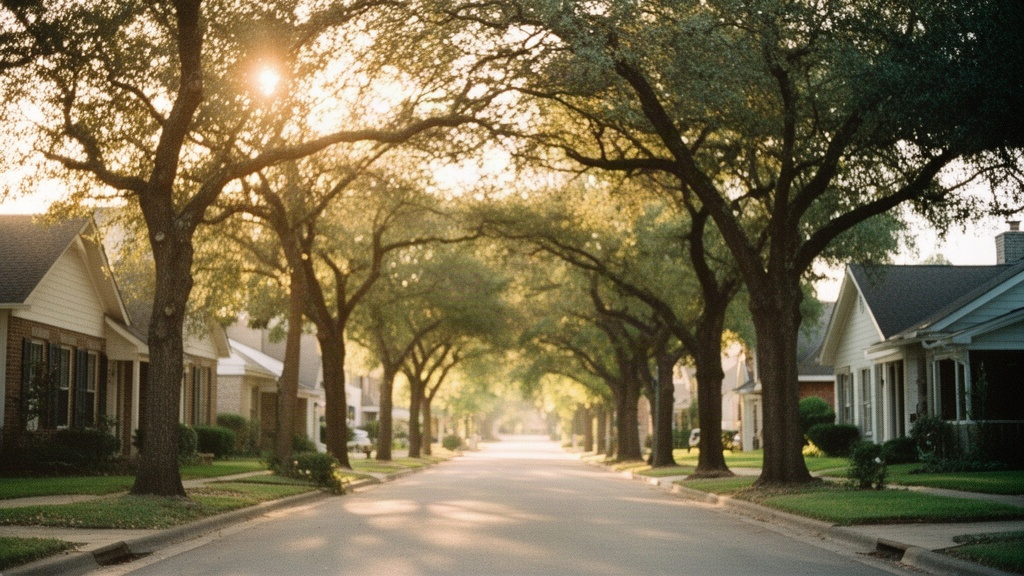
1. The Physical Layout and Character of Corktown in 2026
Corktown sits on a rough rectangle bounded by the Lodge Freeway to the east, Trumbull Avenue to the west, the Fisher Freeway (I-75) to the south, and roughly Bagley Street to the north. The neighborhood covers about one square mile, which makes it one of Detroit's most compact and walkable areas. Most blocks are a mix of 19th-century brick rowhouses, early 20th-century worker cottages, and newer infill construction that has gone up since 2019.
What the Streets Actually Look Like
Walking through Corktown on a weekday morning in September 2026 means navigating a neighborhood that is still mid-transformation. Michigan Avenue, the main commercial corridor, runs east-west through the heart of the neighborhood and is lined with a dense stretch of restaurants, coffee shops, and retail from roughly Rosa Parks Boulevard to Trumbull. Side streets like Leverette, Marantette, and Church Street are quieter, with a mix of renovated homes and vacant lots that reflect the uneven pace of development.
The neighborhood has a distinctly urban density compared to most of Detroit. Homes sit close to the sidewalk with small or no front yards, parking is on-street or in small rear lots, and the blocks feel active rather than sprawling. That density is a genuine selling point for some buyers and a real drawback for others who prefer the larger lots and setbacks common in neighborhoods like Rosedale Park or East English Village.
The Ford Michigan Central Ripple Effect
Michigan Central Station, the massive Beaux-Arts train depot that sat vacant for decades, reopened as Ford's mobility and innovation campus in 2024. By September 2026 the campus is operational, with several thousand Ford and partner-company employees working in and around the station building at 2001 15th Street. That single development has changed the daily character of the neighborhood more than any other factor: foot traffic on Michigan Avenue is heavier on weekdays, new retail has filled previously empty storefronts, and the western end of Corktown near the station feels noticeably more active than it did three years ago.
The station itself is worth understanding if you are considering buying nearby. It is a public-facing destination with a hotel, event space, and ground-floor retail, so the area around 15th Street and Michigan Avenue draws visitors on weekends as well as commuters on weekdays. As reporting on Corktown's evolution notes, the neighborhood has long served as a front porch to downtown Detroit, and that role has intensified considerably since the station's reopening.
2. Housing Stock, Home Prices, and What You Get for Your Money
Corktown is one of the pricier places to buy in Detroit, and the gap between Corktown and the broader city median has widened since 2022. Buyers moving from other Detroit neighborhoods sometimes experience sticker shock; buyers relocating from Chicago, New York, or the Bay Area often find the prices surprisingly accessible for what they get.
Single-Family Homes and Rowhouses
Renovated single-family homes in Corktown are currently listing and selling in the $350,000 to $650,000 range depending on size, finish level, and proximity to Michigan Avenue. A fully updated 3-bedroom brick rowhouse on a block like Leverette Street typically lands between $380,000 and $480,000 as of September 2026. Homes that have been partially renovated or that need significant work can still be found in the $150,000 to $250,000 range, though those opportunities are rarer than they were five years ago.
Lot sizes are small by Detroit standards. Most single-family lots in Corktown run between 2,500 and 4,000 square feet, which means a small backyard or courtyard rather than a true yard. If outdoor space is a priority, that constraint matters; buyers who want a half-acre lot will need to look at neighborhoods further from downtown.
Condos and New Construction
New construction condos and townhomes have been added to Corktown steadily since 2020, and several projects completed in 2024 and 2025 are now fully occupied. Condo prices in the neighborhood currently range from roughly $280,000 for a one-bedroom unit to $550,000 or more for a larger two-bedroom with parking and rooftop access. HOA fees vary widely by building but commonly run $300 to $600 per month, which is a meaningful addition to the monthly cost of ownership buyers should factor in.
Renting in Corktown
Renters currently pay roughly $1,400 to $1,800 per month for a one-bedroom apartment in Corktown, and $1,900 to $2,600 for a two-bedroom, as of September 2026. Those figures are significantly above the Detroit citywide average, which reflects both the neighborhood's location and the demand generated by the Ford campus workforce. Parking is often not included in rent and can add $100 to $200 per month if you have a car.
For buyers evaluating whether to purchase or rent while exploring Detroit, this guide to homes for sale in Detroit covers the broader market context and what buyers across the city are navigating right now.
3. Day-to-Day Life: Commutes, Errands, and Getting Around
One of the most practical questions about living in Corktown is how it functions logistically on a normal day. The neighborhood's proximity to downtown is its biggest logistical asset, but daily life still requires planning around a few real limitations.
Commuting to Downtown and Beyond
The drive from Corktown to downtown Detroit's central business district is roughly 1.5 to 2 miles and takes about 5 to 10 minutes by car outside of peak hours. During morning rush hour, that same trip can stretch to 15 to 20 minutes depending on Lodge Freeway on-ramp traffic. Biking to downtown via the protected lanes on Michigan Avenue or through Mexicantown takes about 10 to 15 minutes for most riders.
Commuting to Midtown, New Center, or the Detroit Medical Center corridor adds another 10 to 15 minutes by car. Reaching Dearborn or the suburban job centers along I-96 typically takes 20 to 35 minutes from Corktown depending on destination and time of day. For workers at the Michigan Central campus, the commute is essentially zero: the station is within walking distance of most Corktown addresses.
Walkability and Transit in Practice
Corktown is walkable by Detroit standards, but that phrase needs context. Michigan Avenue between Rosa Parks and Trumbull has a dense concentration of restaurants, bars, and small retail that residents can reach on foot in under 10 minutes from most addresses. The QLINE streetcar runs along Woodward Avenue, which requires a short drive or bike ride to access from Corktown, but the People Mover loop and several DDOT bus lines are reachable within the neighborhood.
Most Corktown residents still own and use a car for anything beyond the immediate neighborhood. Street parking is competitive near Michigan Avenue on evenings and weekends, and some blocks have restricted parking zones tied to the Ford campus. If you own a car, budgeting for a parking spot or accepting the time cost of circling for street parking is part of the daily reality.
Grocery Shopping and Daily Errands
There is no full-service grocery store within Corktown itself as of September 2026. The nearest options are a Meijer on Michigan Avenue in Dearborn (roughly 4 miles west, about 10 minutes by car), a Whole Foods in Midtown (about 3 miles northeast), and the Eastern Market sheds on Saturdays, which are about 3.5 miles east and draw a large portion of Corktown residents for weekly produce. Smaller convenience and specialty stores on Michigan Avenue cover basics, but a full grocery run requires a car trip.
Pharmacies, hardware stores, and other everyday retail are similarly not within walking distance for most Corktown addresses. This is a genuine trade-off compared to neighborhoods like Midtown or Indian Village, where more daily-errand infrastructure exists closer to home. Residents who live car-free or car-light find this the most significant friction point of daily life in Corktown.
4. Eating, Drinking, and the Social Pulse of the Neighborhood
Corktown's food and bar scene is one of the most concentrated and well-regarded in Detroit, and for many residents it is the central reason they chose the neighborhood. Michigan Avenue between Trumbull and Rosa Parks is the spine of that scene, with additional spots scattered on Bagley and a few side streets.
Restaurants and Bars Worth Knowing
Slows Bar BQ on Michigan Avenue has been a neighborhood anchor since 2006 and remains a reliable indicator of the street's character: a mix of long-standing local institutions and newer arrivals. Gold Cash Gold, occupying a former pawnshop on Michigan, serves brunch and dinner with a menu that changes seasonally. Ottava Via on Bagley is a neighborhood Italian spot with a loyal following among residents who live within walking distance.
The bar scene skews toward craft cocktail and local beer, with spots like Batch Brewing Company on Michigan Avenue drawing both neighborhood regulars and visitors from across the city. On weekend evenings, Michigan Avenue between Trumbull and the Lodge is genuinely busy, with foot traffic that feels more like a city corridor than a Detroit side street. That energy is appealing to many residents and a noise and parking consideration for anyone living directly on or adjacent to the strip.
Parks, Green Space, and Outdoor Life
Corktown is not a neighborhood with abundant park acreage. Cochran Park on 16th Street is the primary green space within the neighborhood, a modest park with a playground and open lawn. The Detroit Riverwalk is accessible by bike in about 10 minutes and provides a much larger outdoor amenity along the riverfront, including the Dequindre Cut connection to Eastern Market.
Residents who want regular access to larger parks typically drive to Clark Park in Southwest Detroit, about 1.5 miles south, or to Milliken State Park along the riverfront. The proximity to the river and the Riverwalk is one of Corktown's most underappreciated outdoor assets, and residents who bike or run use it frequently.
5. The Noise, the Construction, and the Trade-Offs
Anyone asking what it is actually like to live in Corktown Detroit day to day in 2026 deserves an honest answer about the less polished parts of the experience. The neighborhood is in a sustained period of physical change, and that has real day-to-day consequences.
What the Ongoing Development Means for Residents
Construction noise is a consistent reality in Corktown right now. Several infill residential and mixed-use projects are underway as of September 2026, and the ongoing buildout of the Michigan Central campus area means heavy equipment, lane closures, and construction traffic on certain blocks near 15th Street and Vernor Highway. For buyers considering a home within two blocks of the station, it is worth visiting the site on a weekday morning to get a realistic sense of the current noise environment.
Street conditions vary significantly by block. Michigan Avenue itself has been repaved and improved, but several residential side streets still have uneven pavement and limited street lighting. The city has prioritized infrastructure investment in Corktown relative to many other Detroit neighborhoods, but the work is not uniformly complete.
Who Thrives Here and Who Finds It Frustrating
Corktown rewards residents who genuinely want urban density, walkable dining and nightlife, and proximity to downtown Detroit's job and cultural core. The trade-offs, including limited grocery access, competitive parking, weekend bar noise, and ongoing construction, are real and worth weighing honestly against your own priorities.
Buyers who want more space, quieter streets, or larger lots will find better fits in other Detroit neighborhoods. Detroit has dozens of distinct neighborhoods with very different physical characters and price points, and the right choice depends on your daily routines, commute, and lifestyle priorities rather than on any single neighborhood's reputation. For a broader look at how Detroit neighborhoods compare on housing stock and features, this Detroit neighborhood guide covers a wide range of areas across the city.
Property values in Corktown have appreciated meaningfully since 2019, and the Ford campus presence has added a structural demand floor that did not exist before. Whether that trajectory continues depends on broader Detroit market conditions, interest rates, and how the Michigan Central campus ecosystem matures over the next several years. Buyers should treat Corktown as a neighborhood with real upside and real current-day friction, not as a finished product.
FAQ
Is Corktown a good place to buy a home in Detroit in 2026?
Corktown has some of the strongest buyer demand of any Detroit neighborhood right now, driven by its proximity to downtown and the Ford Michigan Central campus. Home prices currently range from around $280,000 for a condo to over $600,000 for a fully renovated single-family home, which is significantly above the Detroit citywide median. Whether it is the right place to buy depends on your priorities: the neighborhood offers dense urban living, walkable dining, and a short downtown commute, but limited grocery access, small lots, and ongoing construction are real trade-offs. Buyers should visit on both a weekday and a weekend to get an honest feel for the pace and noise level before committing.
How do Corktown home prices compare to the rest of Detroit?
Corktown sits at the higher end of Detroit's price spectrum as of September 2026. The broader Detroit market has a median home price well below $200,000 for the city as a whole, while renovated Corktown homes regularly sell in the $350,000 to $650,000 range. New construction condos add another layer of pricing that can reach $550,000 or more depending on size and amenities. The premium reflects both the neighborhood's location and the sustained investment activity around Michigan Central Station. Buyers who want Detroit's urban core at a lower price point may find more options in Midtown, New Center, or Southwest Detroit.
Do you need a car to live in Corktown, Detroit?
Most Corktown residents own and use a car for daily errands, even though the neighborhood is walkable by Detroit standards for dining and nightlife. There is no full-service grocery store within the neighborhood itself, and pharmacies and general retail require a short drive. The DDOT bus system serves the area, and the neighborhood is bikeable to downtown and the Riverwalk, but reaching Eastern Market, Midtown, or suburban job centers comfortably still requires a car for most residents. Street parking is competitive near Michigan Avenue on evenings and weekends, so buyers with vehicles should factor in parking logistics when evaluating specific addresses.