← Back to Blog
Selling
Downsizing in Camarillo, California: Options, Costs and Timing
By Kelsey Trujillo
September 14, 2026 · 12 min read
Downsizing in Camarillo, California is one of the most consequential moves you can make, and getting the options, costs and timing right will determine whether it feels like a relief or a regret. This guide covers every practical dimension of the process, from the types of homes available in Camarillo to what you can realistically net after transaction costs, and when in the market cycle it makes sense to pull the trigger.
1. Why Camarillo Makes Downsizing Worth Considering Right Now
Camarillo homeowners who bought even five to ten years ago are sitting on substantial equity. That equity is the engine that makes downsizing financially powerful, and in September 2026 the conditions in Camarillo are still favorable enough that sellers are not giving their homes away to move into something smaller.
What the Local Market Looks Like in September 2026
Camarillo's median home price is hovering in the high $700,000s to low $800,000s as of September 2026, depending on the submarket. For context on exactly where prices stand right now, the average home price breakdown for Camarillo in September 2026 covers the numbers by property type in detail. The broader market has moderated compared to the peak frenzy of a few years ago, which means buyers of smaller homes are not facing the same frantic bidding wars, and sellers of larger homes are still commanding strong prices.
Inventory in Camarillo remains relatively tight for single-story detached homes under 1,800 square feet, which is precisely the segment most downsizers are targeting. That supply constraint keeps prices in the smaller-home segment firm, so you are not necessarily trading into a depressed market when you move down in size.
Equity You Have Built and What It Means for Your Next Move
A homeowner who purchased a 2,400-square-foot home in Mission Oaks or the Pleasant Valley corridor a decade ago for around $550,000 may be looking at a current value north of $850,000 or more. After paying off the remaining mortgage and covering transaction costs, the freed equity can eliminate a mortgage payment entirely on a smaller replacement home, or fund retirement accounts, travel, or other priorities.
The National Association of Realtors has documented a growing wave of homeowners reaching this crossroads, sometimes called the silver tsunami in real estate, where millions of long-term owners are evaluating whether their current home still fits their life. In Camarillo, where a large share of the housing stock consists of three- and four-bedroom homes built for growing families, that question is especially common.
2. Your Housing Options When Downsizing in Camarillo
Camarillo offers several distinct property types that work well for downsizers, each with different price points, maintenance obligations and lifestyle trade-offs. Understanding what is actually available, and what it costs, helps you set realistic expectations before you start touring homes.
Single-Story Detached Homes
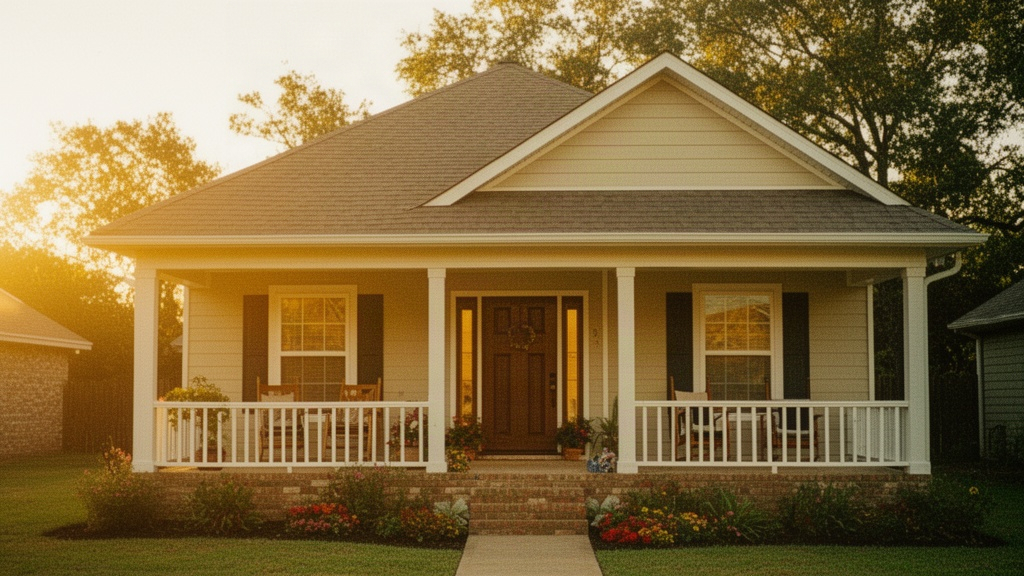
Single-story detached homes are the most requested property type among downsizers in Camarillo, and they command a premium because of it. In neighborhoods like Mission Oaks, Camarillo Heights and portions of the Las Posas Estates area, single-story homes in the 1,400 to 1,900 square foot range are currently priced roughly between $750,000 and $950,000 depending on lot size, updates and exact location.
These homes typically sit on lots between 5,000 and 8,500 square feet, with attached two-car garages and yards that are manageable without a professional gardening crew. Many were built between the late 1970s and early 1990s, so buyers should budget for potential updates to kitchens, bathrooms and HVAC systems unless the home has already been renovated.
Condos and Townhomes
Condos and townhomes represent the lowest-maintenance path to downsizing in Camarillo. The Camarillo condo market currently ranges from roughly $450,000 for a two-bedroom unit in an established complex to around $650,000 or more for a larger townhome with a garage and updated finishes. HOA fees vary widely, typically running between $350 and $600 per month, and those fees cover exterior maintenance, landscaping and often amenities like a pool or clubhouse.
Before purchasing a condo as part of your downsizing plan, it is worth reviewing the HOA's reserve fund health, any pending special assessments, and the rental ratio in the complex, since lenders sometimes restrict financing in complexes with high investor ownership. The article on who to hire when buying a condo in Camarillo walks through the specific due diligence steps in more detail.
Active Adult and 55-Plus Communities
Camarillo has a handful of age-restricted communities that appeal to downsizers who want neighbors in a similar life stage and amenities oriented toward that demographic. These communities typically feature single-story homes or ground-floor condos, community clubhouses, fitness centers and organized social programming. Prices in these communities generally run between $500,000 and $750,000 depending on size and upgrades, with HOA fees that can range from $400 to $700 per month.
One practical note: financing rules for age-restricted communities differ from standard HOA communities, and not all loan programs are available. Confirming the community's HUD-approved 55-plus status and understanding which loan types are accepted is an important early step.
Old Town and Camarillo Springs Pockets
Old Town Camarillo and the Camarillo Springs area offer smaller, character-rich homes that can work well for downsizers who want something with more personality than a tract subdivision. Old Town has bungalows and Spanish-style homes from the 1930s through the 1960s, typically in the 900 to 1,500 square foot range, priced from the mid-$600,000s upward. Camarillo Springs sits at the base of the Santa Monica Mountains and features homes with views and a quieter, more secluded feel.
The Old Town Camarillo real estate market guide and the Camarillo Springs area market guide both go deeper on pricing, lot characteristics and what to expect in each pocket.
3. The Real Costs of Downsizing in Camarillo, California
The costs of downsizing in Camarillo, California are more layered than most people expect. You are not just selling one home and buying another; you are running two separate transactions simultaneously, each with its own fees, and managing a physical move on top of that. Running the numbers before you commit prevents unpleasant surprises at the closing table.
Selling Costs on Your Current Home
On a home selling for $850,000 in Camarillo, sellers should budget for the following approximate costs: real estate commission, which varies by agreement; transfer taxes of roughly $1.10 per $1,000 of sale price (approximately $935 on an $850,000 sale); escrow fees typically ranging from $2,000 to $3,500; title insurance for the buyer, often $1,500 to $2,500; and any pre-sale repairs or staging costs you choose to invest. All-in, sellers typically see transaction costs between 6% and 8% of the sale price, though the exact figure depends on negotiated terms.
For a detailed look at what the selling process looks like in Camarillo from pricing to close, the guide to selling a home in Camarillo covers the timeline and what to expect at each stage.
Buying Costs on Your Smaller Home
Buyers in California pay their own escrow and title fees, plus loan origination costs if they are financing the purchase. On a $650,000 replacement home purchased with a mortgage, total buyer-side closing costs typically run between $10,000 and $18,000 depending on the loan type, lender fees and whether you negotiate any seller concessions. Cash buyers avoid loan costs but still pay escrow, title and any inspections.
If your replacement home is in an HOA, factor in the upfront HOA transfer fee (often $200 to $500) and any move-in deposits required by the association. Some Camarillo communities also charge a one-time capital contribution fee at purchase, which can add another $500 to $2,000 to your closing costs.
Moving, Storage and Transition Expenses
A local move within Ventura County for a three-to-four bedroom home typically costs between $2,500 and $6,000 for a full-service moving company, depending on the volume of items and how many specialty pieces you have. Many downsizers also rent a storage unit during the transition, particularly if the sale closes before the purchase does. Storage units in Camarillo run roughly $150 to $350 per month for a 10x20 foot unit, and the transition period often lasts one to three months.
Estate sales, consignment and donation logistics for furniture and belongings that will not fit in the new home are often underestimated costs, both in dollars and in time. Professional estate sale companies typically charge 35% to 50% of proceeds, but they handle all the logistics, which many people find worth it during an already busy move.
Tax Considerations You Should Know About
California homeowners who have lived in their primary residence for at least two of the past five years can exclude up to $250,000 of capital gains from federal tax ($500,000 for married couples filing jointly). For a Camarillo homeowner who bought at $500,000 and is selling at $850,000, the $350,000 gain falls within the married exclusion, meaning no federal capital gains tax owed. But if your gain exceeds the exclusion, the portion above it is taxable, so confirming your basis and gain with a CPA before listing is a smart step.
California also has Proposition 19, which allows homeowners 55 and older to transfer their existing property tax base to a replacement home anywhere in California. If your current Camarillo home has a low assessed value from years of Proposition 13 protection, this transfer can result in significant ongoing property tax savings on your smaller replacement home. Your county assessor's office can confirm the specifics of how this applies to your situation.
4. Timing Your Downsizing Move in Camarillo
Timing matters when downsizing in Camarillo, California, but it rarely means waiting for a perfect market moment that may never come. More often, the right timing is determined by your personal circumstances, your equity position and your readiness to execute both sides of the transaction efficiently.
Seasonal Patterns in the Camarillo Market
Camarillo follows a fairly predictable seasonal rhythm. Listing activity picks up in late February and peaks through May and June, when buyer demand is strongest and homes tend to sell fastest. July and August see some softening as families focus on summer plans. September, where we are right now in 2026, represents a secondary wave of activity as buyers who did not find something over the summer re-enter the market before the holiday slowdown.
November and December are traditionally slower, with fewer listings and fewer buyers, though serious buyers in those months tend to be highly motivated. For a downsizer who wants maximum exposure and competitive offers on their larger home, listing in March through May of 2027 would capture the strongest seasonal demand. But waiting is not always the right call if your personal timeline favors moving sooner.
How Long the Process Actually Takes
From the decision to downsize to the closing of your replacement home, most Camarillo homeowners should plan for a four to eight month process when all steps are included. Pre-sale preparation (repairs, decluttering, staging) typically takes four to eight weeks. Marketing and finding a buyer in the current Camarillo market averages two to four weeks for well-priced homes. Escrow runs 30 to 45 days. Then finding and closing on your replacement home adds another 30 to 60 days, depending on inventory and competition in the smaller-home segment.
The gap between selling and buying is the piece most people underestimate. If you close on your sale before finding a replacement, you need a plan for temporary housing. Options include negotiating a rent-back agreement with your buyer (allowing you to stay in the sold home for up to 60 days after close), moving into a short-term rental, or staying with family. Each option has cost and logistics implications worth thinking through in advance.
When to List and When to Buy
Most downsizers face a sequencing dilemma: do you sell first or buy first? In Camarillo's current market, where smaller homes sell quickly and competition for them is real, selling first gives you the clearest picture of your budget and the strongest negotiating position as a buyer. But it also creates the gap period described above.
Buying first eliminates the gap but requires either a bridge loan, a home equity line of credit, or enough liquid assets to carry two properties temporarily. Bridge loans in California currently carry interest rates that make them expensive for anything longer than a few months. A contingent offer, where your purchase is contingent on selling your current home, is possible but less attractive to sellers in a competitive market. Discussing these trade-offs with both a lender and your real estate agent before you start is the most important thing you can do.
5. Practical Steps to Start Downsizing in Camarillo
Getting the process started is often the hardest part. These concrete steps will help you move from thinking about downsizing in Camarillo, California to actually executing it with confidence.
Get a Current Home Value Estimate First
Before you can plan anything, you need to know what your current home is worth in the September 2026 market. Online automated valuations are a starting point, but they frequently miss recent sales of directly comparable homes and do not account for your specific updates, lot position or condition. A comparative market analysis from a local agent who knows Camarillo's submarkets gives you a realistic number to plan around.
Narrow Your Target Property Type
Decide early whether you are targeting a single-story detached home, a condo, a townhome or an age-restricted community, because each segment has different inventory levels, HOA structures and financing requirements. Trying to stay open to all types simultaneously often leads to indecision and missed opportunities. Prioritize one or two property types based on your maintenance preferences, budget and lifestyle priorities, then focus your search there.
Line Up Financing Before You List
Even if you plan to pay cash for the replacement home using proceeds from your sale, getting a pre-approval or a bridge loan assessment done in advance gives you options. If the right replacement home appears before your current home sells, you will need to move quickly. Having your financing lined up means you can make a competitive offer without scrambling. Lenders familiar with the Ventura County market and Camarillo's specific HOA landscape are worth seeking out over national online lenders who may not understand local nuances.
The emotional and logistical dimensions of downsizing are real, and they are worth acknowledging. Homes carry decades of memories, and sorting through a lifetime of belongings takes time. The NAR has published thoughtful guidance on how to approach the downsizing conversation that many people find helpful, particularly when multiple family members are involved in the decision.
FAQ
What is the most affordable way to downsize in Camarillo, California?
The most affordable entry point for downsizing in Camarillo is typically a two-bedroom condo, where prices currently start in the low-to-mid $400,000s. While HOA fees add a monthly cost, they replace expenses you currently pay separately, such as exterior maintenance, roof reserves and landscaping. If you are carrying significant equity from your current home and can purchase the condo outright or with a small mortgage, the monthly carrying cost of the replacement home can be substantially lower than what you pay today. Comparing the all-in monthly cost of each option, including HOA fees, property taxes under Proposition 19 and any mortgage payment, is the most accurate way to evaluate affordability.
How does Proposition 19 affect downsizing in California?
Proposition 19, which took effect in February 2021, allows California homeowners who are 55 or older, severely disabled, or victims of a natural disaster to transfer their existing property tax base to a replacement home anywhere in California. For a Camarillo homeowner with a low assessed value built up over years of Proposition 13 protection, this can mean paying property taxes on the new smaller home based on the old assessed value rather than the new purchase price, resulting in potentially thousands of dollars per year in savings. The transfer can be used up to three times in a lifetime. You apply through the Ventura County Assessor's Office after your purchase closes, and the timing of your application matters, so confirming the process with the assessor before you close is recommended.
Should I sell my Camarillo home before buying a smaller one, or buy first?
In most cases, selling first is the lower-risk approach for Camarillo downsizers because it confirms your net proceeds, eliminates the carrying cost of two properties and makes you a stronger buyer with no contingencies. The main downside is the potential gap period between closing on your sale and finding a replacement home, which you can address with a rent-back agreement, a short-term rental or temporary housing with family. Buying first is possible if you have access to a bridge loan or sufficient liquid assets, but bridge loans carry meaningful interest costs and the strategy requires confidence that your current home will sell quickly at your target price. A local Camarillo real estate agent can help you model both scenarios using current market data so you can make the choice that fits your financial situation.