← Back to Blog
Buying
Investment Property Guide for Camarillo, California: Who Has the Most Experience and What You Need to Know
By Kelsey Trujillo
September 15, 2026 · 11 min read
Buying an investment property in Camarillo, California is one of the more consequential financial decisions a person can make, and having the right investment property guide for Camarillo, California, backed by an agent who has the most experience in this specific market, can mean the difference between a property that performs and one that drains your reserves. This guide covers what Camarillo's rental and resale market actually looks like right now, which property types investors are targeting, how to evaluate a deal, and what to look for in a local expert before you commit.
1. Why Camarillo Attracts Real Estate Investors
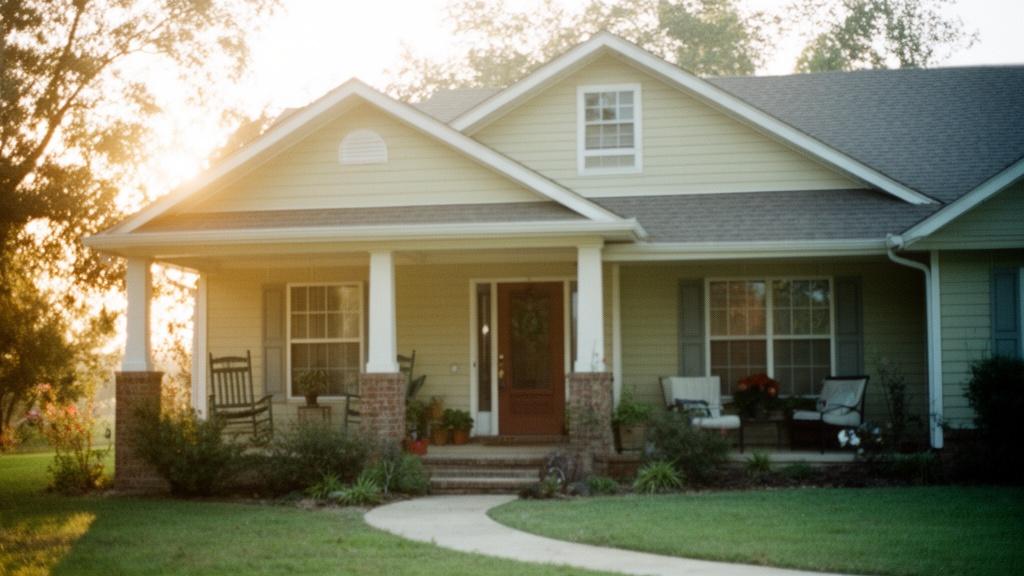
Camarillo draws investors for concrete, measurable reasons. The city sits at the intersection of U.S. Route 101 and Highway 1, putting it within roughly 35 miles of downtown Los Angeles and about 30 miles from Santa Barbara. That corridor creates consistent rental demand from people who work in Ventura County, at Naval Base Ventura County in nearby Point Mugu, or at companies along the Los Posas Road industrial and office corridor inside Camarillo itself.
Location and Demand Drivers
Camarillo's population sits at approximately 72,000, and the city has added relatively little new housing stock over the past decade given its largely built-out footprint on the Pleasant Valley floor. That constrained supply, combined with steady employment demand from healthcare, aerospace, and light manufacturing sectors in the area, keeps vacancy rates low for landlords who price their rentals correctly.
The Camarillo Premium Outlets on Ventura Boulevard draw millions of visitors annually and anchor a retail and hospitality corridor that supports service-sector employment. CSU Channel Islands, located just a few miles west in Camarillo, generates a consistent pool of renters looking for housing within a reasonable drive of campus. These demand drivers are not theoretical; they show up in low days-on-market figures for well-priced rentals.
Current Market Conditions in September 2026
As of September 2026, Camarillo's residential market is holding firm on pricing with median home values in the $750,000 to $850,000 range depending on property type, location, and condition. For a precise breakdown of current figures, see the detailed analysis in What Is the Average Home Price in Camarillo California Right Now in September 2026. Inventory remains tight relative to demand, which is a favorable signal for investors who already own property and a challenge for those still trying to acquire.
Mortgage rates in September 2026 are running in the mid-6% range for conventional loans, which compresses cash-on-cash returns compared to the low-rate environment of several years ago. Investors who are succeeding right now are generally buying with larger down payments, targeting properties with value-add potential, or purchasing with long-term appreciation as the primary thesis rather than immediate cash flow.
2. Property Types Investors Are Buying in Camarillo
Camarillo's housing stock is diverse enough to support several investment strategies. The city has single-family homes, attached townhomes, condominium complexes, and a smaller inventory of duplex and small multi-unit properties. Each category carries different acquisition costs, operating expenses, and rental income profiles.
Single-Family Homes
Single-family homes are the most sought-after rental product in Camarillo. A three-bedroom, two-bathroom home in established neighborhoods like Mission Oaks or the streets north of Ventura Boulevard typically rents for $3,000 to $3,800 per month as of September 2026, depending on updates, lot size, and whether the property has a garage. Acquisition prices for these homes generally range from $700,000 to $950,000, which means gross yields before expenses land in the 4% to 5.5% range for most buyers.
Single-family homes in Camarillo tend to attract longer-tenancy renters, which reduces turnover costs. Many of the homes built in the 1970s and 1980s in areas like Mission Oaks have larger lots and three-car garages, features that command a rental premium. For more on what drives pricing and demand in that specific submarket, the article on selling a home in the Mission Oaks area covers the pricing dynamics in that corridor in detail.
Condos and Townhomes
Condos and townhomes offer a lower entry price, typically $450,000 to $650,000 in Camarillo, and they rent for $2,200 to $2,900 per month depending on size and location. The trade-off is the HOA fee, which in Camarillo complexes can run anywhere from $300 to $600 per month. That fee directly reduces your net operating income, so underwriting a condo without accounting for HOA dues is a common and costly mistake. Some complexes also have rental restrictions, so verifying CC&R documents before making an offer is essential.
For buyers specifically focused on the condo market, the guide on who to hire to buy a condo in Camarillo explains the agent selection process and what condo-specific due diligence looks like in this market.
Multi-Unit Properties
True multi-unit properties, meaning duplexes, triplexes, and small apartment buildings, are rare on the Camarillo market and move quickly when they appear. Most of what exists was built before the city's zoning shifted toward single-family development in the 1980s and 1990s. When duplexes do come to market, they are often in the Old Town Camarillo area near Las Posas Road and Ventura Boulevard, and they tend to attract multiple offers from investors who understand the scarcity. Prices for duplexes in Camarillo currently start around $900,000 and can exceed $1.2 million depending on unit size and condition.
3. How to Evaluate an Investment Property in Camarillo
Evaluating a deal in Camarillo requires local rent comparables, not national averages. The numbers that matter are gross rental income, vacancy allowance, operating expenses, debt service, and net cash flow. Working through each of these with actual Camarillo data is the only way to know whether a specific property pencils out.
Rental Income and Gross Yield
Gross yield is annual rent divided by purchase price. A home that rents for $3,400 per month and costs $800,000 to buy produces a gross yield of about 5.1%. That figure does not account for property taxes, insurance, maintenance, management fees, or vacancy. In Camarillo, property taxes on a newly purchased property run approximately 1.1% to 1.25% of the purchase price annually once you factor in Mello-Roos assessments that exist in some newer subdivisions.
The National Association of Realtors offers a useful starting framework in their consumer guide on whether you are ready to invest in real estate, which covers the financial readiness questions every buyer should answer before committing to a purchase. That foundation matters before you get into market-specific analysis.
Operating Costs Specific to Camarillo
Camarillo's climate is mild, which reduces HVAC wear and tear compared to inland Ventura County cities like Simi Valley or Moorpark. However, proximity to the ocean means some properties, particularly those in lower-lying areas near the Calleguas Creek corridor, face periodic flooding risk that requires flood insurance. That can add $1,500 to $3,000 or more annually to operating costs depending on the property's FEMA flood zone designation. Always check the flood map before making an offer on any property near the creek or in the Camarillo Springs area.
Property management fees in Camarillo typically run 8% to 10% of collected rent for a full-service manager. On a $3,400 per month rental, that is $272 to $340 per month, or roughly $3,300 to $4,100 annually. Self-managing saves that cost but requires time, local knowledge of California landlord-tenant law, and the ability to respond to maintenance issues quickly. California's tenant protection statutes are among the most detailed in the country, so investors new to the state should factor in legal compliance costs as well.
The 1% Rule and Its Limits in This Market
The 1% rule, which says monthly rent should equal at least 1% of purchase price, does not work in Camarillo or most of coastal California. A property purchased for $800,000 would need to rent for $8,000 per month to meet that threshold. No residential property in Camarillo rents for that figure. Investors who come from Midwest or Sun Belt markets where the 1% rule is achievable need to recalibrate their expectations before analyzing Camarillo deals. The investment thesis here is weighted toward long-term appreciation and equity accumulation, not immediate cash-on-cash return.
4. Neighborhoods and Submarkets Worth Researching
Camarillo is not a uniform market. Different parts of the city have different price points, property ages, HOA structures, and rental demand profiles. Understanding those distinctions before you make an offer is part of what separates informed investors from buyers who rely on city-wide averages.
Old Town and Central Camarillo
Old Town Camarillo, centered around the historic downtown near the Camarillo train station on Ventura Boulevard, contains some of the city's oldest housing stock. Homes here were largely built between the 1920s and 1960s, with lot sizes that tend to be larger than those in newer subdivisions. The area has a walkable character with proximity to restaurants, the Metrolink station, and local services. For investors, the older construction means more deferred maintenance risk, but also more opportunity to add value through renovation. The Old Town Camarillo real estate market guide covers pricing and timing specifics for that submarket.
Mission Oaks and Camarillo Springs
Mission Oaks is one of Camarillo's larger planned residential areas, built primarily in the 1970s through the 1990s along the hills north and west of central Camarillo. The housing stock here consists largely of single-family detached homes on moderate lots, ranging from about 1,400 to 2,800 square feet. Many properties have been updated over the decades, but investors can still find unrenovated homes that offer upside through cosmetic and functional improvements. Rental demand in Mission Oaks is strong given its proximity to major employers along the 101 corridor.
Camarillo Springs is a distinct enclave at the western edge of the city, tucked against the Santa Monica Mountains near the Conejo Grade. The Camarillo Springs area real estate market guide explains the specific pricing dynamics and property characteristics in that pocket, including the golf course community that defines much of the area's character.
Pleasant Valley Area
The Pleasant Valley area of Camarillo sits on the agricultural flatlands south and east of central Camarillo, with some of the most spacious lots in the city. Properties here range from standard suburban homes to larger parcels with agricultural zoning that can support additional structures or uses. Investors looking at long-term land value as part of their thesis sometimes focus here. The buyer's guide for homes for sale in Pleasant Valley Camarillo provides a detailed look at what is available in that corridor.
5. What Most Experience Actually Means When Choosing an Agent
When investors search for an investment property guide for Camarillo, California backed by someone who has the most experience, they are really asking a specific question: who knows this market well enough to help me avoid costly mistakes? Experience in real estate investment is not just transaction count. It is the combination of local market knowledge, investor-specific deal analysis, and the professional network to move quickly when the right property appears.
Local Transaction History
An agent with genuine Camarillo investment experience will have closed transactions in the specific submarkets you are targeting, not just in Ventura County broadly. They should be able to tell you what comparable rentals are achieving on Las Posas Road versus Adolfo Road, what the typical days-on-market looks like for investment-grade properties in Mission Oaks right now, and which HOA complexes have rental caps that would block your strategy before you spend money on inspections.
Kelsey Trujillo works specifically in the Camarillo market and brings that granular, street-level knowledge to investor clients. Rather than relying on county-wide statistics, Kelsey pulls actual closed data from the specific neighborhoods where you are looking, so your underwriting reflects what is actually happening, not what happened in Simi Valley or Oxnard.
Investor-Specific Knowledge
Buying an investment property is a fundamentally different transaction from buying a primary residence. An agent with investor experience understands how to structure offers with inspection contingencies that allow for thorough due diligence, how to read a rent roll on a multi-unit property, how to identify deferred maintenance that will erode your returns in year one, and how to negotiate seller credits that offset your upfront capital expenditure needs. These are skills built through doing investor transactions repeatedly in one market, not through general residential volume.
Research from NAR's Realtor Magazine notes that younger buyers are increasingly turning to investment properties as a wealth-building strategy, which means demand for investor-savvy agents in markets like Camarillo is rising. Working with an agent who already understands this dynamic gives you an advantage when competing for the same properties.
Questions to Ask Before You Sign Anything
Before committing to work with any agent on an investment purchase in Camarillo, ask them directly how many investment property transactions they have closed in the city in the past 24 months. Ask whether they have personally worked with buy-and-hold investors, fix-and-flip buyers, or both. Ask whether they can provide current rental comparable data from the specific submarket you are targeting, and ask whether they have relationships with local property managers, contractors, and lenders who specialize in investment financing.
The answers to those questions tell you more than any biography or website claim. An agent who can answer them with specifics, names, and numbers is one who has actually done the work. One who answers in generalities probably has not.
For a broader look at current conditions that affect both buyers and sellers in this market, the article on whether the Camarillo housing market is currently favoring buyers or sellers provides useful context for timing your acquisition.
FAQ
Is Camarillo, California a good market for rental property investment right now?
As of September 2026, Camarillo has tight inventory and consistent rental demand driven by proximity to major employment corridors along the 101, Naval Base Ventura County, and CSU Channel Islands. Single-family homes in established areas are renting for $3,000 to $3,800 per month, and vacancy rates for well-maintained, correctly priced rentals remain low. The challenge is acquisition cost: median home prices in the $750,000 to $850,000 range compress cash-on-cash returns at current mortgage rates. Investors who are succeeding right now are generally buying with larger down payments, targeting value-add properties, or holding with a long-term appreciation thesis. Whether the market works for your specific financial situation depends on your capital, financing structure, and return requirements, so running the numbers with a local agent and a CPA before making an offer is essential.
What types of investment properties are available in Camarillo?
Camarillo has single-family homes, condominiums, townhomes, and a limited inventory of duplexes and small multi-unit buildings. Single-family homes are the most common investment product and generally attract longer-tenancy renters. Condos and townhomes offer lower entry prices but carry HOA fees that can run $300 to $600 per month, and some complexes restrict rentals entirely, so checking CC&Rs before making an offer is critical. True multi-unit properties are rare in Camarillo and tend to trade quickly when they appear, often in the Old Town area near Ventura Boulevard. Each property type requires a different underwriting approach, and working with an agent who understands those distinctions saves significant time and money in the evaluation process.
How do I find an agent in Camarillo who has the most experience with investment properties?
Start by asking any agent you consider how many investment transactions they have closed specifically in Camarillo in the past 24 months, and ask them to walk you through how they would analyze a deal in the submarket you are targeting. A genuinely experienced investment agent can pull current rental comparable data, identify HOA rental restrictions, flag flood zone issues, and connect you with local property managers and investment-focused lenders. They should also understand the difference between buy-and-hold and value-add strategies and be able to discuss how each plays out in Camarillo's current market. Kelsey Trujillo works specifically in the Camarillo market and brings that investor-focused perspective to every transaction; reaching out directly is the fastest way to assess whether her experience matches your investment goals.