← Back to Blog
Neighborhoods
The Cherry Street Area of Tulsa, Oklahoma Real Estate Market Guide: Prices, Neighborhoods and Timing
By Kimmie Martin
September 22, 2026 · 11 min read
The Cherry Street area of Tulsa, Oklahoma real estate market guide covers everything buyers, sellers, and relocating households need to know: what homes cost right now, what the housing stock looks like, how the corridor's boundaries connect to surrounding areas, and when the market tends to move. Cherry Street sits in the heart of Midtown Tulsa and draws consistent attention for its walkable retail strip, early-twentieth-century architecture, and relatively tight inventory. This guide gives you the numbers, the street-level context, and the timing signals you need to make a confident decision.
1. What Is the Cherry Street Area and Where Does It Begin and End?
Cherry Street is the colloquial name for the 15th Street corridor in Midtown Tulsa, running roughly from Peoria Avenue on the west to Utica Avenue on the east. The real estate market people refer to when they say "Cherry Street" extends outward from that retail spine into the residential blocks north and south, generally bounded by 11th Street to the north and 21st Street to the south, and by Peoria to the west and Utica to the east.
The Physical Corridor
The 15th Street strip itself is lined with locally owned restaurants, coffee shops, specialty retailers, and a handful of bars. Landmarks include Pancho's Azteca, Chimera Cafe, and the longtime anchor establishments that have operated there for decades. The corridor is walkable by Tulsa standards, and that walkability directly influences what buyers are willing to pay for homes within a few blocks of it.
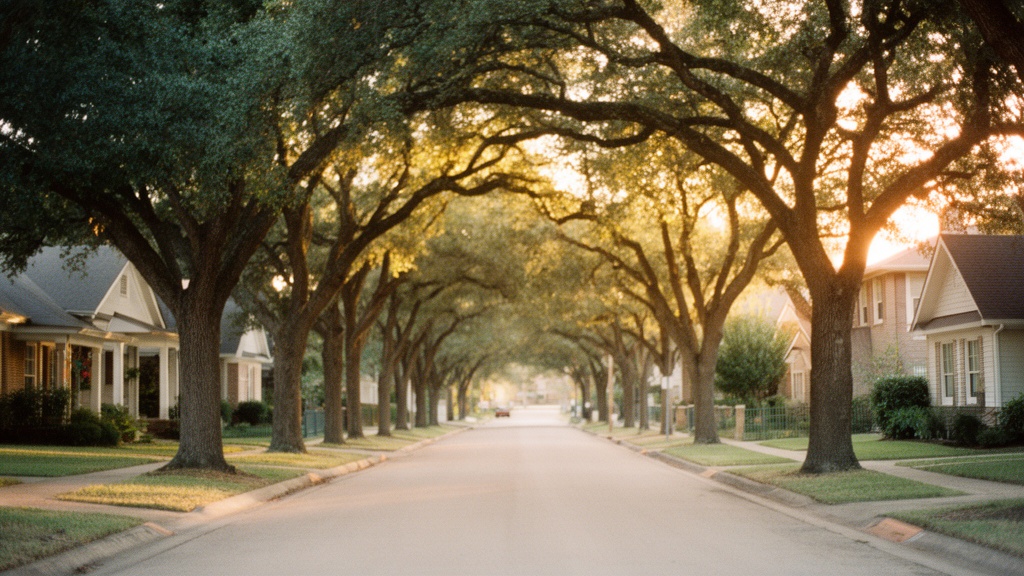
The residential streets feeding off 15th Street, including streets like Quaker Avenue, Gillette Avenue, and Madison Avenue, are lined with mature elm and oak canopy trees. Lot sizes in this part of Midtown typically run from 6,000 to 8,500 square feet, with occasional corner lots exceeding 10,000 square feet. Sidewalks are present on most blocks, and the neighborhood connects on foot to Woodward Park and the Tulsa Garden Center, roughly eight blocks to the south.
How Cherry Street Connects to Surrounding Midtown Blocks
Cherry Street does not exist in isolation. Its western edge blends into the Brookside corridor, which runs along Peoria Avenue from roughly 31st Street northward. Buyers who find Cherry Street pricing at the top of their range often look one or two blocks beyond the immediate corridor, where prices can soften while still keeping them within a short walk of the same restaurants and shops. The broader Midtown Tulsa market context matters here, and you can read more about it in the Midtown Tulsa, Oklahoma Real Estate Market Guide published on this site.
2. Cherry Street Area Real Estate Prices Right Now
As of September 2026, the Cherry Street area of Tulsa carries a median sale price in the range of $285,000 to $340,000 for single-family homes, depending on the specific block, lot size, and condition of the property. That range reflects the wide variation in housing stock: a modest, unrenovated 1,100-square-foot bungalow on the outer edges of the corridor trades very differently from a fully updated 1,900-square-foot Craftsman two blocks off 15th Street.
Median Sale Prices in September 2026
- Unrenovated bungalows (under 1,200 sq ft): Typically selling in the $210,000 to $255,000 range as of September 2026, depending on lot condition and deferred maintenance.
- Updated or partially renovated homes (1,200 to 1,600 sq ft): Median closer to $275,000 to $315,000, with kitchens and baths carrying the most weight in pricing.
- Fully renovated or larger Craftsman homes (1,600 to 2,200 sq ft): Prices ranging from $330,000 to $410,000 for move-in-ready properties with updated mechanicals and period-appropriate finishes.
- Infill new construction (rare, typically 1,800 to 2,400 sq ft): When it appears, infill product in this corridor has priced between $390,000 and $480,000, reflecting lot cost and construction costs in the current environment.
Price Per Square Foot and What Drives It
Price per square foot in the Cherry Street area currently runs between $175 and $230, with the highest figures going to renovated homes on the blocks closest to the 15th Street corridor itself. The variables that push a home toward the top of that range include: original hardwood floors in good condition, updated electrical panels (knob-and-tube wiring is still present in some homes built before 1940), newer HVAC systems, and proximity to walkable retail within two to three blocks.
Homes that sit more than four or five blocks from the corridor, or that face deferred maintenance on roofs, foundations, or plumbing, tend to land closer to $155 to $175 per square foot. Buyers who understand this spread can find genuine value on the outer blocks while still accessing the same walkable amenities that define the area.
How Cherry Street Compares Within Midtown Tulsa
Cherry Street pricing sits at or slightly above the broader Midtown Tulsa median, which the Norada Real Estate Tulsa market overview tracks as part of the citywide picture. The premium reflects the walkability factor and the density of amenities on 15th Street. By comparison, blocks in Midtown that are farther from any retail corridor, such as the residential stretches near 36th Street and Harvard Avenue, typically carry lower per-square-foot figures for equivalent square footage and condition.
3. Housing Stock: What You Will Actually Find for Sale
The Cherry Street area is one of the most architecturally consistent corridors in Tulsa. The vast majority of homes were built between 1915 and 1950, which means buyers encounter a specific set of features, both appealing and requiring attention, that differ significantly from South Tulsa's newer subdivisions or the new construction projects covered in this guide to Tulsa's 2026 housing developments.
Bungalows and Craftsman Homes
The dominant housing type is the one-story or one-and-a-half-story bungalow, often with a covered front porch, tapered columns, and original interior woodwork. Square footage runs modest: most range from 950 to 1,600 square feet, with two or three bedrooms and one or two bathrooms. Garages, when present, are typically detached and accessed from an alley behind the property. Buyers should expect to see original hardwood floors under carpet in many listings, along with plaster walls, single-pane windows in unrenovated examples, and older cast-iron plumbing in homes that have not been updated.
The Craftsman variation tends to be slightly larger, often 1,400 to 1,900 square feet, with more pronounced architectural details like built-in bookshelves, window seats, and decorative beams. These command a premium when the original details are intact and the mechanicals have been updated. A fully restored Craftsman with a new roof, updated HVAC, and a renovated kitchen is a different purchase than a similar footprint that has been cosmetically refreshed but still carries a 1970s electrical panel.
Infill Construction and Renovated Properties
Infill new construction appears occasionally in the Cherry Street area when a teardown or vacant lot becomes available, but it is not common. When it does appear, the product tends to be a two-story home with a modern open floor plan, often between 1,800 and 2,400 square feet, priced to reflect both the land cost and current construction costs. Some buyers specifically seek these out to avoid the maintenance questions that come with pre-war housing stock.
Renovated historic homes occupy the middle ground and represent the most active segment of the Cherry Street market. These are homes where a previous owner, or a flipper, has updated the kitchen, bathrooms, roof, and HVAC while preserving the original character. Buyers should verify the quality of those renovations carefully: permitted work done by licensed contractors carries a different risk profile than cosmetic-only updates.
Condos and Smaller Multi-Unit Buildings
Condominiums and smaller multi-unit conversions exist in the Cherry Street area but are a small fraction of total inventory. Some of the larger historic homes along the corridor's edges have been converted to duplexes or triplexes over the decades. Buyers interested in house-hacking or investment purchases sometimes target these, though zoning and HOA considerations vary by property. If you are considering a multi-unit purchase in this corridor, verifying current zoning with the City of Tulsa's planning department is an essential early step.
4. Market Conditions and Timing in the Cherry Street Area
The Cherry Street area of Tulsa operates with tighter inventory than most Tulsa submarkets, which affects both how long homes sit and how much leverage buyers and sellers hold at any given moment. Understanding the current conditions in September 2026 matters whether you are planning to list or planning to make an offer.
Days on Market and Inventory Levels
Well-priced, move-in-ready homes in the Cherry Street corridor are currently selling in the range of 14 to 28 days on market. Homes that need significant work, or that are priced above what the condition supports, are sitting longer, sometimes 45 to 70 days, before sellers adjust. Active inventory in this specific corridor tends to run between 12 and 22 listings at any given time, which is thin enough that a single new listing can generate multiple showings within the first weekend. You can see how Cherry Street's pace compares to the broader Tulsa market in the days-on-market breakdown for Tulsa in 2026.
Seasonal Patterns That Affect Your Decision
Cherry Street follows Tulsa's broader seasonal rhythm, with the most active listing period running from late March through early July. September, where we are right now, marks the transition into the fall market. Inventory tends to thin out through October and November as sellers who did not close during the summer either relist in spring or take their homes off the market temporarily. For buyers, this creates a window: motivated sellers who are still listed in September and October often have more flexibility on price or terms than they did in May.
For sellers, the fall timing question is more nuanced. A well-prepared home priced correctly in September can still sell quickly because competing inventory is shrinking. The fall 2026 Tulsa market conditions guide on this site covers the timing tradeoffs in more detail for sellers weighing whether to list now or wait until spring.
Buyer and Seller Leverage Right Now
In September 2026, the Cherry Street area leans modestly toward sellers on move-in-ready inventory, and toward buyers on properties with deferred maintenance. That split matters practically. If you are buying a renovated bungalow priced at $310,000, expect limited room to negotiate and possibly competing offers if the home shows well. If you are buying an unrenovated home priced at $235,000 with a dated kitchen and a roof that has six years left, you have more room to negotiate on price or ask for seller concessions toward closing costs.
Sellers with updated homes should not underprice in hopes of a bidding war, because that strategy is less reliable in September than it is in April. Pricing at or slightly below market value still generates strong interest in this corridor, but the multiple-offer frenzy that characterized 2022 is not the current reality. Accurate pricing based on recent comparable sales is the most effective strategy right now.
5. What Buyers and Sellers Should Know Before Acting
The Cherry Street area rewards buyers who do their homework on the specific property, not just the corridor. And sellers who price based on actual comparable sales, rather than what a neighbor claimed their home was worth, close faster and with fewer complications.
Due Diligence Items Specific to Older Midtown Homes
- Foundation inspection: Oklahoma clay soils expand and contract with moisture, which stresses pier-and-beam and slab foundations alike. A dedicated foundation inspection, separate from the general home inspection, is worth the cost on any pre-1960 home.
- Electrical panel and wiring: Homes built before 1950 may still have knob-and-tube wiring in portions of the house. This affects insurability and should be disclosed and priced into any offer.
- Plumbing material: Original cast-iron drain lines and galvanized supply lines are common. A sewer scope inspection is inexpensive relative to the cost of a surprise sewer line replacement after closing.
- Roof condition and age: Tulsa's hail season puts significant wear on roofs. Ask for the age and any insurance claim history. A roof with fewer than five years of remaining life will affect your insurance options and costs.
- HVAC system age: Central air conditioning is essential in Tulsa's summers. A system older than 15 years in an unrenovated home is a negotiating point or a near-term replacement budget item.
Costs Beyond the Purchase Price
Property taxes in Tulsa County are calculated on assessed value, which in Oklahoma is set at 11% of fair market value for residential properties. On a $300,000 Cherry Street home, that puts your assessed value around $33,000, and the effective tax rate applied to that figure typically produces an annual tax bill in the range of $1,800 to $2,400, depending on the applicable millage rates. The full breakdown of how Tulsa property taxes are calculated is covered in the Tulsa property tax guide on this site.
Homeowner's insurance in this corridor is worth budgeting carefully. Oklahoma's hail and wind exposure means premiums are higher than the national average. Older homes with original roofs or outdated electrical systems may face higher premiums or coverage restrictions. Buyers should get insurance quotes before finalizing an offer, not after, so there are no surprises at closing.
Commute context is worth noting for buyers relocating to Tulsa. Cherry Street sits roughly 2.5 miles from downtown Tulsa, which translates to a 10 to 15 minute drive on a normal morning, or a manageable bike ride on the city's existing trail connections through Midtown. This is one of the shorter commutes to downtown available in any established Tulsa neighborhood with this level of housing character.
FAQ
What is the typical price range for homes in the Cherry Street area of Tulsa right now?
As of September 2026, single-family homes in the Cherry Street corridor of Tulsa are selling in a range from roughly $210,000 for unrenovated bungalows on the outer edges of the corridor to $410,000 or more for fully updated Craftsman homes on the blocks closest to 15th Street. The median for the area falls between $285,000 and $340,000 depending on condition and proximity to the retail strip. Price per square foot currently runs between $175 and $230, with renovated homes closer to the corridor commanding the higher end of that range. Buyers should expect limited negotiating room on move-in-ready listings and more flexibility on properties with deferred maintenance.
Is Cherry Street in Tulsa a good area to buy a historic home?
The Cherry Street corridor contains some of Tulsa's most intact early-twentieth-century residential architecture, including bungalows and Craftsman homes built primarily between 1915 and 1950. Many of these homes retain original hardwood floors, built-in millwork, and covered front porches. Buyers interested in historic character should budget for thorough inspections covering foundation, electrical, plumbing, and roof, since the age of the housing stock means these systems vary significantly from property to property. Researching whether a specific property falls within any historic overlay district through the City of Tulsa's planning department can also affect what renovations are permitted. Working with an agent who knows the corridor's specific inventory is the most reliable way to identify which listings have been properly updated versus cosmetically refreshed.
How does the Cherry Street real estate market compare to the Brookside area of Tulsa?
Both Cherry Street and Brookside are established Midtown Tulsa corridors with walkable retail strips and historic housing stock, but they differ in a few practical ways. Cherry Street centers on 15th Street and draws buyers who want proximity to that specific cluster of restaurants and shops, while Brookside runs along Peoria Avenue from roughly 31st Street northward and has its own distinct retail character. Pricing in both corridors is broadly similar for equivalent condition and square footage, though block-by-block variation exists in both areas. The Brookside real estate market guide on this site covers that corridor's pricing and inventory in detail for buyers who want to compare the two areas side by side before deciding where to focus their search.