← Back to Blog
Selling
Downsizing in Tulsa, Oklahoma: Options, Costs and Timing
By Kimmie Martin
September 22, 2026 · 13 min read
Downsizing in Tulsa, Oklahoma is best known as a financial decision, but it is equally a lifestyle shift that touches everything from your monthly budget to how you spend a Saturday morning. This guide covers the real options available in Tulsa right now, what the process actually costs, and how to think about timing your move in the current market.
1. What Downsizing in Tulsa Actually Looks Like
Downsizing in Tulsa means trading square footage for something that fits your life better right now. That might mean moving from a 2,800-square-foot ranch in South Tulsa to a 1,400-square-foot patio home a few miles away, or leaving a four-bedroom house near 91st and Yale for a two-bedroom condo in Midtown. The math is different for everyone, but the core trade is the same: less space, lower carrying costs, and fewer weekends spent on maintenance.
Defining a Downsize in the Tulsa Market
In Tulsa, the typical homeowner who downsizes is moving from a home in the 2,000 to 3,500 square foot range into something between 900 and 1,600 square feet. That is not a universal rule, but it reflects what the local inventory looks like. Tulsa has a deep supply of mid-century brick ranches, 1970s colonials, and 1990s two-story homes that were built for larger households. The smaller end of the market, which is where downsizers land, includes a mix of condos, patio homes, townhomes, and compact single-family homes spread across the city.
The Tulsa Housing Stock That Makes It Possible
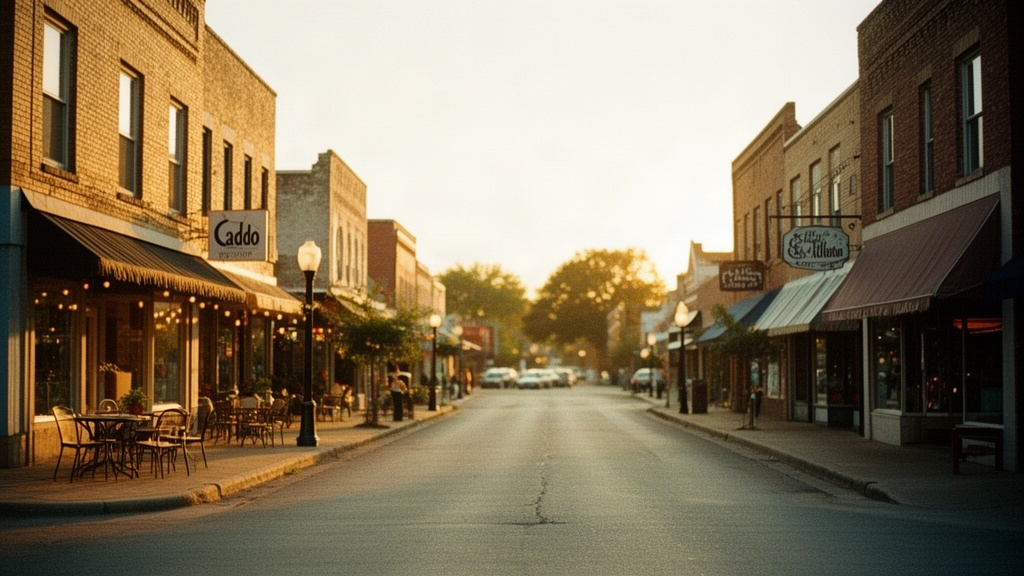
Tulsa's housing market has enough variety to support almost any version of a downsize. The city has walkable urban corridors like Cherry Street and Brookside where smaller homes and condos sit within a short walk of restaurants and shops. It has established patio home communities in South Tulsa near the Creek Turnpike. It has newer townhome developments going up along the 71st Street corridor. And it has a steady supply of smaller brick homes in East Tulsa and North Tulsa that are priced well below the city median. That range of product means you are not locked into one type of property or one part of town.
2. Your Options for Downsizing in Tulsa
Tulsa offers several distinct property types for people ready to downsize, and each one comes with a different set of trade-offs around price, maintenance, and lifestyle. Understanding the differences before you start touring homes will save you time and help you avoid a purchase you regret six months later.
Condos and Townhomes
Condos in Tulsa are concentrated in Midtown, the Pearl District, and along the riverfront near the Gathering Place. Prices in September 2026 range from roughly $150,000 for a one-bedroom unit in an older Midtown building to $400,000 or more for a newer riverfront unit with amenities. Monthly HOA fees vary widely, from around $150 per month in smaller complexes to $500 or more in buildings with concierge services, pools, and covered parking. The key trade-off with a condo is that exterior maintenance disappears from your to-do list, but you give up control over common areas and pay for amenities whether you use them or not.
Townhomes in Tulsa typically offer two to three stories, a small private outdoor space, and an attached garage. They sit between a condo and a single-family home in terms of maintenance responsibility and price. You will find townhome clusters near 71st and Memorial, along the 51st Street corridor, and in newer developments in South Tulsa. Prices generally run from $200,000 to $350,000 depending on age, finishes, and location.
Patio Homes and Zero-Lot-Line Properties
Patio homes are single-story, single-family homes built on small lots, often in planned communities with shared lawn maintenance. They are one of the most popular choices for people downsizing in Tulsa because they preserve the feel of owning a detached home while eliminating the yard work that comes with a larger property. Several well-established patio home communities sit south of 71st Street, particularly in the corridors near 91st and Sheridan and around the Broken Arrow Expressway. Prices in these communities in September 2026 generally range from $250,000 to $425,000 depending on lot size, age of the home, and whether the community has a pool or clubhouse.
Smaller Single-Family Homes
If you want a yard, a driveway, and full control over your property without a homeowners association, a smaller single-family home is worth considering. Tulsa has a large supply of two and three-bedroom homes in the 1,000 to 1,600 square foot range, particularly in Midtown, East Tulsa, and established neighborhoods near the University of Tulsa. Many of these are 1950s and 1960s brick homes that have been updated over the decades. Prices vary considerably: a 1,200-square-foot brick home in East Tulsa might list around $130,000 to $180,000, while a comparable footprint in Midtown or Brookside could reach $250,000 to $350,000 based on the neighborhood's proximity to walkable amenities.
Active Adult Communities
Tulsa has a small but growing number of age-restricted communities aimed at residents 55 and older. These typically offer single-story layouts, low-maintenance exteriors, and shared amenities like fitness rooms and community gathering spaces. They are not abundant in Tulsa the way they are in Sun Belt retirement markets, but options do exist in South Tulsa and in some of the newer suburban corridors near Broken Arrow. If this type of community is a priority, it is worth starting your search early because inventory in this specific niche is limited and homes tend to move when they come up.
3. What Downsizing in Tulsa Costs: A Realistic Breakdown
The financial picture of downsizing in Tulsa is more nuanced than most people expect. You are running two transactions simultaneously: selling a home and buying another one. Each side of that equation has its own costs, and the net result depends heavily on your current mortgage balance, the price gap between what you sell and what you buy, and how you handle the costs in between.
Selling Your Current Home
When you sell a home in Tulsa, the costs that come off your gross sale price include the real estate commission, which typically runs 5 to 6 percent of the sale price, plus any seller-paid closing costs. In Tulsa's current market, sellers are sometimes asked to contribute toward the buyer's closing costs, particularly if a home has been sitting on the market for more than 30 days. On a $350,000 home, you might net $315,000 to $325,000 after commissions and closing costs, depending on how the negotiation goes. If you have owned your home for many years and have significant equity, that net proceeds figure is the capital you are working with for your next purchase.
For a deeper look at what selling a home in Tulsa involves from a pricing and timeline perspective, the Selling a Home in Tulsa, Oklahoma guide on this site covers that process in full detail.
Buying Your Next Home
Buyers in Tulsa in September 2026 face closing costs that typically run 2 to 4 percent of the purchase price. On a $275,000 patio home, that is roughly $5,500 to $11,000 in closing costs on top of your down payment. Those costs cover lender fees, title insurance, an appraisal, and prepaid items like homeowners insurance and property tax escrow. If you are paying cash from your sale proceeds, you skip the lender fees but still owe title, transfer, and prepaid costs.
Property taxes in Tulsa are relatively modest compared to many other metros. Oklahoma's homestead exemption reduces the assessed value of a primary residence, which lowers the annual tax bill. The property taxes in Tulsa guide on this site walks through exactly how the calculation works so you can estimate what you would owe on a smaller home.
The Hidden Costs Most People Miss
Moving costs in Tulsa for a local move typically run $1,500 to $4,000 depending on how much you are transporting and whether you hire full-service movers or rent a truck. Storage fees add up if you need time to sort through belongings before your next home is ready. Many people downsizing also spend money on new furniture that fits a smaller floor plan, since a sectional sofa that worked in a 20-by-18 living room will not fit in a 14-by-14 one. Budget for those purchases separately rather than assuming your existing furniture will transfer perfectly.
If your new home is in a community with an HOA, factor in both the monthly fee and any move-in fees the association charges. Some Tulsa condo associations charge a one-time move-in fee of $200 to $500 to cover elevator use and common area protection during your move. Patio home communities with lawn service HOAs typically charge $100 to $300 per month. These are recurring costs that replace some of what you were spending on lawn care and exterior maintenance, but the total does not always come out in your favor unless you price it carefully.
4. Timing Your Downsize in Tulsa's 2026 Market
Timing matters when you are running a sale and a purchase at the same time. In Tulsa's current market, the conditions for a downsize are reasonably workable, though they require some coordination to avoid a gap between when you sell and when you close on your next home.
Where the Market Stands Right Now
As of September 2026, Tulsa's housing market is more balanced than it was during the peak seller's market of 2021 and 2022. Homes are taking longer to sell than they did two years ago, and buyers have more negotiating room than they had then. The median days on market for Tulsa homes has stretched, which means sellers need to price carefully and prepare their homes well. For a downsizer, a slower market on the selling side is offset by more options and less competition on the buying side. You are less likely to lose a patio home to a bidding war in September 2026 than you would have been in 2022.
For more detail on how long homes are sitting in Tulsa right now, the days on market analysis for Tulsa breaks down current numbers by area and price range.
Why Fall 2026 Deserves a Closer Look
Fall is historically one of the more practical windows to list in Tulsa because serious buyers are still active while the summer surge of casual lookers has passed. If you list your current home in late September or October 2026, you can realistically close by late November and use that window to shop for your next home with cash or a strong down payment in hand. The risk is that inventory on smaller homes also thins out in fall, so you may need to start identifying target properties before your current home goes under contract.
The fall 2026 market conditions guide on this site covers the specific factors that affect whether right now is the right moment to list, including price trends and buyer activity levels across Tulsa.
5. Neighborhood Choices When Downsizing in Tulsa
Where you land after downsizing in Tulsa depends on what you want your day-to-day to look like, how far you want to be from work or family, and what your budget allows. Each part of the city has a different mix of property types, price points, and character. No area is objectively better than another; the right choice depends entirely on your priorities.
Midtown and Brookside
Midtown Tulsa is defined by its older housing stock, tree-lined streets, and proximity to the city's cultural corridor along 15th Street and Peoria. Smaller homes here tend to be 1940s through 1960s brick construction, typically 1,000 to 1,600 square feet, on lots that require some yard upkeep but nothing like a suburban half-acre. Prices for smaller homes in Midtown currently range from around $175,000 to $325,000. Brookside, which runs along Peoria between 31st and 51st Streets, has a walkable commercial strip with restaurants, coffee shops, and specialty retail within a short distance of residential streets. Smaller homes and occasional condos in Brookside range from roughly $200,000 to $375,000 in the current market.
The Midtown Tulsa real estate market guide and the Brookside area market guide on this site cover both areas in detail, including current price ranges and what is available in each part of town.
South Tulsa
South Tulsa has the largest concentration of patio home communities and newer townhome developments in the city. The area south of 71st Street and east of Highway 75 has seen consistent residential development since the 1990s, and many of those communities were built specifically with smaller, lower-maintenance homes in mind. Shopping, medical facilities, and major employers are distributed throughout the South Tulsa corridor, so many residents can handle most errands without a long drive. The Creek Turnpike provides quick access to Broken Arrow and Owasso. Smaller homes and patio homes in South Tulsa currently range from about $220,000 to $450,000 depending on the specific community and finish level.
East Tulsa
East Tulsa offers some of the most affordable smaller homes in the city, with many two and three-bedroom brick homes in the 900 to 1,400 square foot range priced between $110,000 and $185,000. The area sits east of the Broken Arrow Expressway and runs toward the Broken Arrow city limits. Commute times to downtown Tulsa from East Tulsa are generally 20 to 35 minutes depending on traffic and the specific location. The area has a mix of retail along 11th Street and Admiral Boulevard, and Mohawk Park, one of Tulsa's largest green spaces at over 2,800 acres, is accessible from the north end of East Tulsa.
6. Practical Steps to Start Your Downsize
Downsizing in Tulsa is not a single decision; it is a sequence of decisions that go more smoothly when you work through them in the right order. The steps below reflect how the process typically unfolds for Tulsa homeowners who navigate it successfully.
Start with a current valuation of your home. Before you can plan your next move, you need to know what your current home is worth in today's market. A comparative market analysis from a local agent will give you a realistic number, not a Zestimate that may be off by 10 to 15 percent. In Tulsa's current market, pricing your home correctly from day one matters more than it did in 2021 when almost anything sold quickly.
Clarify your target property type and budget before you start touring. Touring homes without a clear sense of what you want leads to decision fatigue and wasted weekends. Decide whether you want a condo, a patio home, or a smaller single-family home, and set a price ceiling based on what your sale proceeds and any mortgage you are comfortable carrying will support.
Address the belongings question early. One of the most underestimated parts of downsizing is the physical process of reducing what you own to fit a smaller space. Many people in Tulsa use estate sale companies, donation services, or consignment shops along the Cherry Street and Brookside corridors to move furniture and household goods. Starting that process three to four months before your target listing date reduces stress significantly.
Understand the tax implications. If you have owned your home for more than two years and it has been your primary residence, federal tax law allows you to exclude up to $250,000 in capital gains from the sale ($500,000 for a married couple filing jointly). Many Tulsa homeowners who bought in the 1990s or 2000s have gains well within those limits, but it is worth confirming with a tax professional before you close. Oklahoma does not have a separate state capital gains exclusion, so your Oklahoma taxable income may differ from your federal return.
Plan for the bridge. The gap between selling your current home and closing on your next one is the part of a downsize that causes the most stress. Options include negotiating a rent-back agreement with your buyer, lining up temporary housing in advance, or using a bridge loan if you need to close on your new home before your old one sells. Each approach has costs and trade-offs that depend on your specific financial situation.
Research from the National Association of Realtors notes that many homeowners find the emotional side of downsizing harder than the financial side. If you want to read more about how others have navigated that aspect, this NAR piece on talking through the downsizing decision covers the conversation from multiple angles and may be useful if you are working through the decision with family members.
FAQ
What is the most affordable way to downsize in Tulsa right now?
The most affordable path to downsizing in Tulsa in September 2026 is purchasing a smaller single-family brick home in East Tulsa or North Tulsa, where two and three-bedroom homes in the 1,000 to 1,400 square foot range are available from around $110,000 to $185,000. This approach avoids HOA fees and gives you full control over the property. The trade-off is that you take on all exterior maintenance yourself. If avoiding maintenance is a priority, a patio home community in South Tulsa offers lawn service through the HOA for a monthly fee, though the entry price is higher, typically $250,000 to $425,000. The right choice depends on your budget, how much maintenance you want to handle, and which part of the city fits your daily routine.
Should I sell my current Tulsa home before buying a smaller one?
In most cases, selling first gives you a clearer picture of your actual proceeds and avoids carrying two mortgages simultaneously, which is the safer approach for most Tulsa homeowners. The downside is that you may need temporary housing between closing on your sale and closing on your purchase. In Tulsa's current market, where homes are taking longer to sell than they did in 2021 and 2022, you have more time to shop for your next home once your current property goes under contract. If you find the right smaller home before your current one sells, a bridge loan or a contingency offer may be worth exploring, though contingency offers are less competitive in a market where sellers have options. A local agent who knows both sides of the Tulsa market can help you sequence the transactions to minimize risk.
Are there any downsizing-specific programs or incentives in Oklahoma?
Oklahoma does not have a state program specifically designed for homeowners who are downsizing, but there are a few financial tools worth knowing. Oklahoma's homestead exemption reduces the assessed value of a primary residence by $1,000 for property tax purposes, which applies to your new smaller home just as it did to your current one. Homeowners who are 65 or older and meet income thresholds may qualify for an additional senior valuation freeze, which limits increases in the assessed value of their home for property tax purposes. This can be a meaningful long-term savings on a fixed income. For details on how these programs apply to a specific property, the Tulsa County Assessor's office is the authoritative source. A tax professional familiar with Oklahoma law can also walk you through how your sale proceeds will be treated for state income tax purposes.