← Back to Blog
Neighborhoods
The Brookside Area of Tulsa, Oklahoma Real Estate Market Guide: Prices, Neighborhoods and Timing
By Kimmie Martin
September 20, 2026 · 10 min read
The Brookside area of Tulsa, Oklahoma real estate market guide covering prices, neighborhoods, and timing is exactly what buyers and sellers need before making a move in this part of the city. Brookside sits along Peoria Avenue between 31st and 51st Streets, and it carries some of the most distinctive housing stock and street-level energy in all of Tulsa. This guide breaks down what homes cost right now, what the physical neighborhood looks like block by block, and when to act if you are buying or selling here in 2026.
1. What Makes Brookside Its Own Real Estate Market Within Tulsa
Brookside functions as a distinct micro-market within Tulsa. It has its own pricing rhythm, its own housing character, and its own demand drivers that do not always move in lockstep with the broader Tulsa metro. Understanding those differences is the first step toward making a smart decision here.
Where Brookside Begins and Ends
Brookside runs along Peoria Avenue as its spine, stretching roughly from 31st Street on the north end down to 51st Street on the south. The Arkansas River sits about a mile to the west, and the neighborhood is bordered on the east by Lewis Avenue. Within that footprint you will find a concentrated strip of locally owned restaurants, coffee shops, boutiques, and fitness studios that give the area its commercial identity, surrounded by residential blocks that fan out in all directions from Peoria.
The Brookside commercial corridor itself is walkable in a way that most of Tulsa is not. Residents on the blocks immediately adjacent to Peoria can reach groceries, coffee, and dinner on foot. Blocks further east toward Lewis require a short drive for most daily errands, but the residential streets there are quieter and lots tend to be deeper.
The Physical Character of the Neighborhood
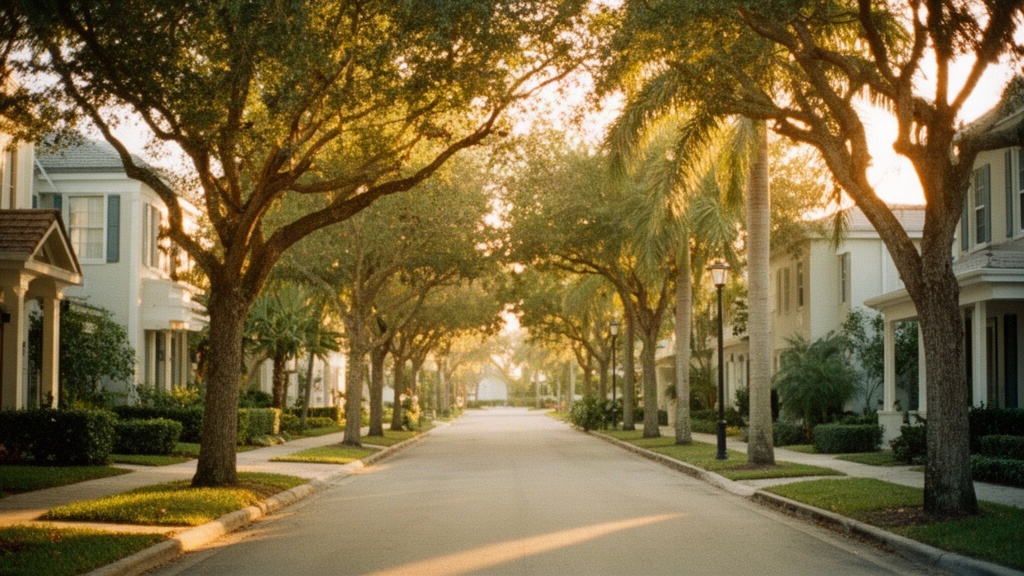
Brookside is one of the older established neighborhoods in Tulsa, with most of its residential streets platted and built out between the 1920s and 1950s. That era of construction shows in the architecture: brick bungalows, Craftsman cottages, Tudor Revival homes, and the occasional two-story Colonial Revival sit on mature tree-lined streets with sidewalks. Lot sizes are generally modest by Tulsa standards, typically running 50 to 75 feet wide and 120 to 150 feet deep, though corner lots and double lots do appear.
The neighborhood has a strong preservation culture. Many homeowners have invested significantly in period-appropriate renovations, updated mechanicals behind original facades, and landscaping that reflects the age of the homes. That investment shows up in asking prices and appraisal values.
2. Brookside Home Prices and Market Conditions in September 2026
Brookside carries a price premium relative to many other Tulsa neighborhoods. In September 2026, median sale prices for single-family homes in the Brookside area are running in the $290,000 to $370,000 range depending on square footage, condition, and proximity to Peoria Avenue. Entry-level bungalows needing cosmetic work can still be found in the $230,000 to $260,000 range, while fully renovated homes with updated kitchens, new roofs, and modern HVAC systems regularly close above $400,000.
Current Price Ranges by Property Type
- Entry-level bungalows (800 to 1,200 sq ft, original condition): $230,000 to $265,000 as of September 2026
- Mid-range updated homes (1,200 to 1,800 sq ft, partial renovation): $290,000 to $350,000
- Fully renovated or larger homes (1,800 sq ft and above): $380,000 to $500,000 and above
- Condos and attached townhomes near Peoria: $175,000 to $240,000, depending on unit size and HOA terms
- Price per square foot: Typically $175 to $230 per sq ft for updated single-family homes, which sits above the broader Tulsa metro average
How Brookside Compares to Broader Tulsa Trends
The Tulsa metro median home price as of September 2026 sits in the low-to-mid $200,000s, which means Brookside runs roughly 25 to 40 percent above the citywide median. That premium has held relatively steady over the past two years because inventory in Brookside stays tight. The neighborhood is geographically bounded, there is very little vacant land left for new construction, and turnover is lower than in newer suburban subdivisions.
For broader context on how Tulsa's overall market is performing in 2026, the team at Norada Real Estate's Tulsa market analysis tracks citywide price trends, days on market, and inventory levels on an ongoing basis. Brookside's numbers consistently sit above the metro averages shown there, which reflects the scarcity of available homes in this corridor.
You can also check current listing data and price-per-square-foot trends for the Tulsa market at Houzeo's Tulsa housing market page, which is updated regularly and gives a useful snapshot of where the market sits right now.
If you want to understand what the average home price looks like across all of Tulsa in September 2026 and how Brookside fits into that picture, this breakdown of Tulsa's average home price covers the citywide numbers in detail.
3. The Housing Stock: What You Are Actually Buying in Brookside
Knowing what you are buying matters as much as knowing the price. Brookside homes come with a specific set of characteristics that buyers should understand before submitting an offer, particularly if they are relocating from newer suburban markets where homes were built in the 1990s or later.
Older Bungalows and Craftsman Homes
The majority of Brookside's single-family homes were built between 1920 and 1955. That means buyers are looking at original hardwood floors, plaster walls, single-car detached garages, and basements in many cases. Foundations are typically poured concrete or block, and the homes sit on slabs or crawl spaces depending on the specific block and build year.
Buyers should budget for the realities of older construction. Electrical panels in homes that have not been updated may still have older wiring configurations. Plumbing in homes built before 1960 sometimes includes original cast iron or galvanized pipes. HVAC systems in unrenovated homes can be at or near the end of their service life. A thorough inspection by a licensed Oklahoma inspector is not optional in Brookside; it is essential.
On the positive side, the construction quality of the 1920s through 1940s era in Tulsa was generally solid. Brick exteriors on many Brookside homes have held up well for a century with minimal maintenance beyond tuckpointing. Original hardwood floors, when intact, are a genuine asset that adds warmth and character that newer construction rarely replicates.
Renovated Properties and Infill Construction
Over the past decade, Brookside has seen a steady wave of renovation activity. Many homes in the $350,000 to $500,000 range have been fully gutted and rebuilt behind original facades, with open floor plans, quartz countertops, tankless water heaters, and new electrical and plumbing throughout. These properties command a significant premium but reduce the deferred maintenance risk that comes with unrenovated originals.
A smaller number of infill new-construction homes have also appeared on vacant lots or lots where original structures were demolished. These tend to be two-story modern builds with two-car garages and larger square footage, priced from $450,000 upward. They represent a different buying proposition than the historic bungalows and are worth evaluating separately if you are interested in new construction in the area. For a broader look at what new construction is happening across Tulsa right now, this article on new housing developments in Tulsa in 2026 gives useful context.
4. Timing the Brookside Market: When to Buy and When to Sell
Timing in Brookside follows Tulsa's broader seasonal patterns but with tighter inventory that amplifies the effects. Because there are fewer homes available at any given time compared to larger suburban areas, the difference between listing in peak season versus off-season can meaningfully affect both the number of offers received and the final sale price.
Seasonal Patterns in Brookside
- Spring (March through May): The most active listing season. Buyer demand peaks, competition is highest, and well-priced homes in Brookside often receive multiple offers within the first week. Sellers who list in late March or April typically see the strongest results.
- Summer (June through August): Demand remains solid but begins to soften slightly in July and August as Tulsa heat pushes some buyers to delay. Relocating buyers on employer timelines are often active in this window.
- Fall (September through November): A secondary active window. Serious buyers who missed spring listings return to the market. September in particular tends to see a short burst of activity before the holiday slowdown. Right now, in September 2026, the market is in this secondary window.
- Winter (December through February): The slowest period. Fewer listings, fewer buyers, but the buyers who are active tend to be motivated. Sellers who list in winter often face longer days on market but can still achieve strong prices on well-presented homes.
Inventory Levels and Days on Market
Brookside inventory in September 2026 is running lean, with typically fewer than 20 to 25 active single-family listings in the core Brookside boundary at any given time. That scarcity means buyers should be prepared to move quickly. Homes priced correctly and in good condition are spending an average of 14 to 25 days on market in this corridor, compared to the broader Tulsa metro average which has been running closer to 30 to 40 days.
Overpriced listings do sit longer, and Brookside is not immune to that dynamic. Sellers who push above the supportable range tend to see price reductions after 45 to 60 days, which can actually result in a lower final sale price than a correctly priced listing would have achieved. The data consistently shows that accurate initial pricing outperforms aspirational pricing in this market.
For sellers thinking about whether fall 2026 is the right time to list in Tulsa broadly, this look at fall 2026 market conditions across Tulsa covers the timing question from a citywide perspective that applies to Brookside as well.
5. What Buyers Relocating to Tulsa Should Know About Brookside
Brookside is one of the first areas that relocating buyers ask about, and for good reason. Its walkable commercial strip, older housing character, and central location within Tulsa make it a frequent point of comparison when people are narrowing down where to focus their search. Here is what you need to know before you decide.
Walkability and Daily Life
Peoria Avenue through Brookside has a genuine pedestrian energy that is uncommon in Tulsa. Restaurants like Elgin Park, The Bramble, and Yokozuna have anchored the strip for years alongside coffee shops, wine bars, and independent retail. The Gathering Place, Tulsa's 100-acre riverside park along the Arkansas River, is a short drive or longer bike ride to the west. Woodward Park, with its formal rose garden and conservatory, sits at the northern edge of the Brookside area near 21st Street.
The Brookside Farmers Market operates seasonally and draws residents from surrounding blocks on weekend mornings. There are several independently owned fitness studios and yoga spaces within walking distance of the core residential streets. For daily grocery needs, a Whole Foods Market is located a few minutes north on Peoria, and a Reasor's is accessible nearby as well.
Proximity to Other Tulsa Areas
Brookside sits roughly 3 to 4 miles south of downtown Tulsa. The drive on Peoria or on the Riverside Drive route typically runs 10 to 15 minutes outside of peak traffic windows. The University of Tulsa campus is about 2 miles northeast. St. Francis Hospital, one of the largest medical centers in the metro, is approximately 3 miles south on Yale Avenue. OSU Medical Center is accessible via a short drive north toward downtown.
Midtown Tulsa, which borders Brookside to the north, shares some of the same housing character and commercial energy. If you are comparing the two areas as part of your search, this day-to-day look at living in Midtown Tulsa gives you a useful side-by-side sense of how the two corridors feel differently from each other.
Researching Schools and Other Personal Factors
School assignment in Brookside falls under Tulsa Public Schools, and specific school boundaries can shift. The Oklahoma State Department of Education publishes school performance data and boundary maps that you can review directly at their website. Because school enrollment and fit are deeply personal decisions, Kimmie Martin always recommends that buyers research this independently using the district's own resources rather than relying on third-party rankings.
For other personal research, the City of Tulsa's official website and the Tulsa Police Department publish their own data that you can access directly. Census data through the U.S. Census Bureau's American Community Survey provides demographic and housing information at the neighborhood level. These primary sources give you the most accurate and current picture for your own decision-making.
One practical note for buyers coming from outside Oklahoma: Tulsa sits in a region with significant weather variability, including severe spring storms and occasional flooding near low-lying areas. Brookside itself is not an Arkansas River flood zone, but it is worth understanding the broader insurance landscape. This article on flooding and storm risk for Tulsa homes covers what buyers need to know about insurance costs and risk levels across the metro.
FAQ
What is the typical home price in the Brookside area of Tulsa in September 2026?
In September 2026, median sale prices for single-family homes in Brookside are running between $290,000 and $370,000, with entry-level unrenovated bungalows starting around $230,000 and fully updated homes exceeding $400,000. Price per square foot typically falls between $175 and $230 for updated properties, which is above the broader Tulsa metro average. Condos and attached units near Peoria Avenue are generally priced from $175,000 to $240,000 depending on size and HOA costs. These figures reflect a consistent premium that Brookside has maintained relative to the citywide median over the past several years.
Is Brookside a good area to buy in Tulsa if you are relocating from out of state?
Brookside offers a specific combination of walkable commercial streets, older brick housing stock, and a central location within Tulsa that appeals to many relocating buyers. Whether it is the right fit depends on your priorities around commute, home size, budget, and lifestyle preferences. Homes here are older construction, so buyers should plan for thorough inspections and potentially higher maintenance budgets than they would face with newer suburban builds. The neighborhood is geographically bounded, which keeps inventory tight and supports price stability over time. Kimmie Martin works with relocating buyers regularly and can help you compare Brookside against other Tulsa corridors that might match your specific criteria.
When is the best time to sell a home in Brookside, Tulsa?
Spring, specifically late March through May, is historically the strongest window for selling in Brookside, with peak buyer activity, the most competition among buyers, and the highest likelihood of multiple offers on well-priced homes. A secondary active period runs through September, which is where the market sits right now in September 2026. Winter months from December through February see the slowest activity and typically longer days on market, though motivated buyers are still present. The most important timing factor in Brookside is accurate pricing from day one; overpriced listings that sit and then reduce often net less than correctly priced listings that move quickly. Working with an agent who knows Brookside's specific comparable sales is the most reliable way to price with precision.