← Back to Blog
Market Trends
West Monroe Real Estate Market Guide: Prices, Neighborhoods and Timing
By Kristen LeDent
Keller Williams Parishwide Partners
September 23, 2026 · 10 min read
If you are weighing a move to the west side of the Ouachita River, this West Monroe real estate market guide covers what you need to know about current prices, neighborhood features, and the timing factors that affect your purchase or sale in September 2026. West Monroe sits in Ouachita Parish directly across the river from Monroe, and its housing market moves on its own rhythm that is worth understanding before you make an offer or list a property.
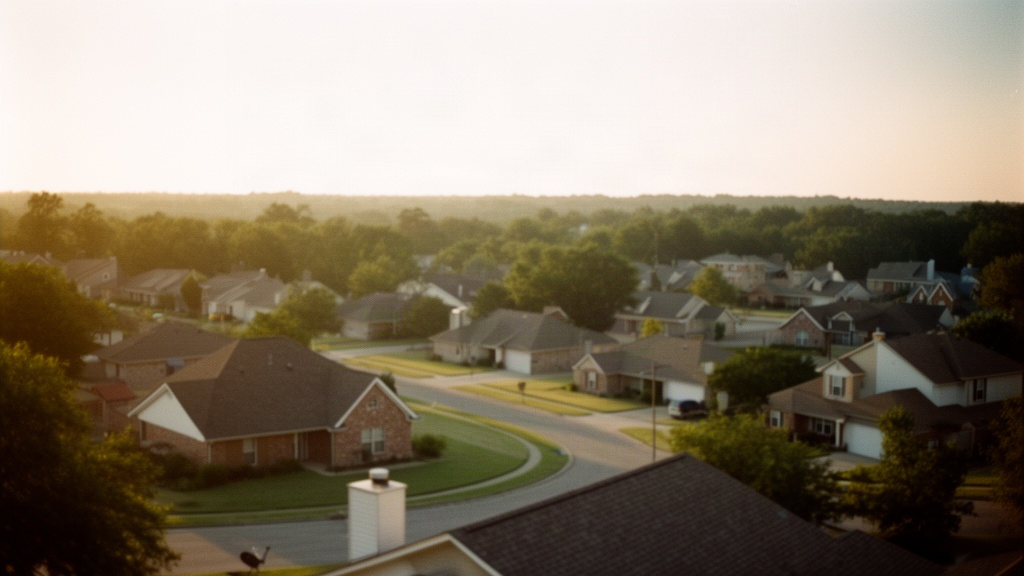
1. What Makes West Monroe a Distinct Real Estate Market
West Monroe operates as its own housing market, not simply an extension of Monroe. It is an incorporated city in Ouachita Parish with its own city government, utility infrastructure, and commercial corridors. That distinction matters when you are comparing property taxes, municipal services, and the character of individual streets.
Geography and Infrastructure
West Monroe covers roughly 19 square miles on the western bank of the Ouachita River. The city is bisected by several major corridors including Highway 80, Cypress Street, and Natchitoches Street, each of which anchors a different tier of residential inventory. Interstate 20 runs through the southern portion of the city, giving residents direct highway access east toward Monroe and west toward Shreveport, which sits about 100 miles away.
The Ouachita River itself is a defining feature. Riverview Park and the Lazarre Park area give residents green space along the water, and the Thomas Assembly Center and CenturyLink Center complex in Monroe is reachable in under ten minutes by crossing one of several bridges. That short crossing is one of the most common daily commutes in the metro area, and you can read a detailed breakdown of what that commute actually looks like in this guide to commuting between Monroe and West Monroe.
How West Monroe Compares to Monroe Proper
The two cities share an economy, a school parish, and a regional identity, but their housing stocks differ in meaningful ways. West Monroe carries a higher proportion of ranch-style and brick homes built between the 1960s and 1990s on larger lots, while Monroe's older core neighborhoods include more Victorian and Craftsman-era construction on tighter parcels. West Monroe also has more recent suburban development on its outer edges, particularly south of Interstate 20.
For a broader look at how the Monroe metro as a whole is performing, the Monroe, Louisiana Real Estate Market Guide covers the full picture across both cities and surrounding Ouachita Parish.
2. West Monroe Home Prices in September 2026
Home prices in West Monroe currently sit in a range that reflects the city's mix of older established neighborhoods and newer suburban inventory. The median home value in West Monroe as of September 2026 is approximately $175,000 to $210,000 depending on the corridor and property condition, with entry-level homes starting in the low $100,000s and move-up properties in established subdivisions reaching $300,000 to $400,000. Larger custom homes on acreage at the city's edges can exceed $500,000.
Median Price and Price Per Square Foot
Price per square foot in West Monroe currently runs between $90 and $130 for most resale homes, with newer construction and fully renovated properties pushing toward the higher end of that range. A 1,600-square-foot brick ranch in an established subdivision typically lists between $155,000 and $195,000. A 2,400-square-foot home built after 2010 with updated mechanicals and an open floor plan generally lists between $250,000 and $320,000.
You can track current West Monroe home values and see how they have shifted over recent months on Zillow's West Monroe housing market page, which updates regularly with median sale prices and days-on-market data.
Price Trends Over the Past Year
West Monroe prices have held relatively stable through 2026 after a period of modest appreciation from 2022 through 2024. The market has not seen the dramatic swings that affected coastal Louisiana metros, which makes it more predictable for buyers planning a long-term purchase. Sellers who bought before 2020 are generally still sitting on meaningful equity, while those who purchased at the 2023 peak may be closer to break-even depending on their specific street and condition.
For a granular look at how current Monroe metro prices break down by zip code and which areas are moving fastest, see the article on which Monroe Louisiana zip codes have homes selling fastest right now.
3. West Monroe Neighborhoods and Housing Stock
West Monroe's residential areas each have a distinct physical character shaped by when they were built and how they connect to the city's commercial spine. Understanding the difference between the Highway 80 corridor, the Cypress Street area, the riverfront district, and the newer southern subdivisions helps you focus your search on the type of property that fits your priorities.
Established Subdivisions Along Highway 80 and Cypress Street Corridors
The neighborhoods that fan out north and south of Highway 80 between the river and the Ouachita Parish line include some of West Monroe's most recognizable residential streets. Homes here are predominantly brick construction, built from the 1950s through the 1980s, sitting on lots that range from a quarter acre to half an acre. Lot sizes in this corridor are noticeably larger than what you find in Monroe's older urban core, and many properties have mature oak and pine tree canopy that adds to the streetscape.
The Cypress Street corridor runs roughly parallel to Highway 80 and carries a mix of retail, medical offices, and residential side streets. Homes within a few blocks of Cypress Street tend to list in the $130,000 to $220,000 range. The proximity to Glenwood Regional Medical Center and the commercial amenities along Cypress Street is a practical feature for residents who want walkable or short-drive access to services.
Riverfront and Downtown West Monroe
The area closest to the Ouachita River includes the downtown West Monroe district, which has seen steady commercial investment over the past decade. The Antique Alley district along Trenton Street is a draw for visitors and residents alike, with local restaurants, boutiques, and event venues concentrated in a walkable stretch. Residential inventory immediately adjacent to downtown is limited, which tends to support prices for the homes that do come to market in this pocket.
Lazarre Park sits along the riverbank and provides open green space, a boat launch, and a connection to the Ouachita River levee trail system. Properties within a half-mile of the park and the river tend to carry a modest premium over comparable homes further inland, reflecting the amenity access and the distinct character of the older riverfront streets.
Newer Development Pockets
South of Interstate 20, West Monroe transitions into newer subdivision development where homes built from the late 1990s through the present sit on planned lots with consistent setbacks and newer utility infrastructure. These subdivisions offer open floor plans, attached two-car garages, and energy-efficient construction that older homes in the city's core do not always have. Prices in these areas generally start around $200,000 and move up to $450,000 for larger custom builds.
If you are interested in what new construction specifically looks like across the broader Monroe metro in 2026, including builder activity and planned developments, the article on new construction and development projects in Monroe Louisiana in 2026 covers that in detail.
4. Timing the West Monroe Market: When to Buy or Sell
Timing in West Monroe follows Ouachita Parish seasonal patterns, but with some nuances specific to the west side of the river. Spring is consistently the most active listing season, with inventory rising from February through May as sellers prepare for the summer moving window. Fall, which is where we are right now in September 2026, tends to bring reduced competition from other buyers while motivated sellers remain active.
Seasonal Patterns in Ouachita Parish
The West Monroe market typically sees its highest number of active listings between March and June. Homes listed during this window attract more competing buyers, which can push sale prices closer to or above list price. By contrast, listings that enter the market in September and October face a smaller buyer pool but also less competition from other sellers, which can be an advantage if you are pricing correctly.
For a more detailed analysis of how fall 2026 specifically compares to spring as a buying window across the Monroe metro, see the article on whether fall 2026 is a good time to buy a house in Monroe Louisiana.
How Inventory Levels Affect Your Leverage
West Monroe currently carries roughly two to three months of housing supply in most price bands, which puts it in a mild seller's market territory. That means well-priced, well-maintained homes are moving within 30 to 60 days, while properties that need work or are priced above market comparables are sitting longer and sometimes requiring price reductions. Buyers have slightly more room to negotiate on days-on-market properties than they did during the tighter 2022 and 2023 period.
The $150,000 to $250,000 price band is the most competitive segment right now because it captures the largest pool of buyers using conventional and FHA financing. If you are shopping in that range, expect to move quickly when a well-priced home appears. Above $350,000, the market is more patient and buyers generally have more time to evaluate options.
For additional data on current market trends in West Monroe, Redfin's West Monroe housing market page provides regularly updated median sale price, price per square foot, and days-on-market figures that are useful for benchmarking any home you are considering.
5. Practical Steps for Buyers and Sellers in West Monroe
Knowing the market data is only useful if you translate it into action. The steps that matter most differ depending on whether you are coming in as a buyer or preparing to sell, and both sides of a West Monroe transaction have specific considerations worth addressing before you start.
For Buyers
Get pre-approved before you search seriously. West Monroe's active price bands move fast enough that showing up without a pre-approval letter puts you behind any competing buyer who has one. A local lender familiar with Ouachita Parish appraisal values is worth prioritizing over a national online lender who may not understand the local market depth.
Factor in property taxes and insurance before you set your budget. Louisiana property taxes are generally lower than the national average, but homeowners insurance in Louisiana has risen meaningfully over the past three years due to storm-related losses statewide. A home that looks affordable at the purchase price may carry higher monthly carrying costs than you expect. The article on property taxes on a $250,000 home in Monroe Louisiana gives you a concrete baseline for what to expect on the tax side.
Inspect thoroughly. West Monroe's older housing stock, particularly homes built before 1980, can carry deferred maintenance on roofs, HVAC systems, and electrical panels. A general inspection plus a separate roof inspection is standard practice in this market. Budget for the possibility that a seller in a slower price band may negotiate on repairs or closing costs, while a seller in the competitive $150,000 to $250,000 range may not.
Understand your closing cost exposure before you make an offer. Average closing costs for buyers in this market typically run between 2% and 4% of the purchase price on top of your down payment. The article on average closing costs for a home buyer in Monroe Louisiana breaks down exactly what those costs include.
For Sellers
Price your home based on recent sold comparables within West Monroe specifically, not on Monroe-wide averages. The two cities have different price-per-square-foot norms in certain segments, and using the wrong data set can result in a list price that sits above what the market will support. A comparative market analysis from an agent who works both sides of the river regularly is the most reliable starting point.
Condition drives speed more than almost any other variable in this market. Homes that show clean, updated, and move-in ready consistently sell faster and closer to list price than homes that need cosmetic work. If your home has deferred maintenance, a pre-listing inspection can help you identify what to address before buyers start writing offers with repair credits.
Professional photography is not optional in the current market. Buyers in the Monroe metro are browsing listings on their phones before they ever schedule a showing, and low-quality photos reduce the number of showings you get in the first critical week. The first seven to ten days on market are when you will see the most traffic, and that traffic is driven almost entirely by how your listing looks online.
FAQ
What is the median home price in West Monroe, Louisiana right now?
As of September 2026, the median home price in West Monroe sits in the range of approximately $175,000 to $210,000, depending on the neighborhood corridor and the condition of the property. Entry-level homes in older sections of the city can be found in the low $100,000s, while updated homes in established subdivisions and newer construction south of Interstate 20 typically list between $250,000 and $450,000. Price per square foot for most resale inventory runs between $90 and $130. These figures shift based on inventory levels and interest rate conditions, so checking current sold data through a local agent or platforms like Zillow and Redfin will give you the most current snapshot.
How is the West Monroe real estate market different from Monroe's market?
West Monroe and Monroe are separate incorporated cities that share Ouachita Parish but operate with different city governments, utility systems, and housing stock characteristics. West Monroe carries a higher proportion of brick ranch-style homes built between the 1950s and 1990s on larger lots, while Monroe's older core neighborhoods include more Victorian and Craftsman-era construction. West Monroe also has more recent suburban development on its southern edges, particularly south of Interstate 20. Price ranges in West Monroe and Monroe overlap significantly in the middle tiers, but the specific streets, lot sizes, and architectural styles differ enough that buyers should evaluate each city on its own terms rather than treating them as interchangeable.
Is fall 2026 a good time to buy in West Monroe?
September 2026 brings a smaller buyer pool than the spring peak season, which can give buyers slightly more room to negotiate on price, closing costs, or repairs, particularly on homes that have been sitting on the market for more than 30 days. Inventory in West Monroe is not dramatically higher in fall than in spring, so you are not necessarily choosing between more homes. What you are choosing is less competition for the homes that are available. Sellers who list in September and October are often motivated, which adds to the negotiating dynamic. If you need to move within a specific timeframe, fall is a workable window in this market.