← Back to Blog
Buying
Investment Property Guide for Manteca, California: Working With an Agent Who Has the Most Experience
By La Tasha Laster-Mullins, California REALTOR®
https://new.servefirstrealty.com/about/meet-our-team/agent?id=latasha-lastermullins · DRE# 02007166
September 3, 2026 · 11 min read
Manteca, California has drawn serious real estate investors for years, and the reasons are concrete: a central San Joaquin Valley location, direct access to Highway 99 and Interstate 5, and a rental market fed by a steady stream of workers, households, and people relocating from the Bay Area. This investment property guide for Manteca, California covers every stage of the process, from choosing the right property type to running accurate cash flow numbers, and explains why working with the agent who has the most experience in this specific market gives you a measurable edge.
1. Why Manteca Attracts Real Estate Investors in 2026
Manteca draws investors because of its fundamentals, not hype. The city sits at the intersection of Highway 99 and Interstate 5, which puts it within commuting range of Stockton, Modesto, Tracy, and the South Bay. That geographic position means a broad renter pool: logistics workers, healthcare employees at Doctors Hospital of Manteca, warehouse staff from the distribution centers along McKinley Avenue, and households priced out of the Bay Area who want more space without leaving Northern California entirely.
The Local Demand Drivers
Population growth in San Joaquin County has outpaced state averages for several consecutive years, and Manteca itself has been one of the faster-growing cities in the region. New master-planned communities like Woodbridge at Del Webb and the ongoing residential expansion on the city's northern and eastern edges have added thousands of housing units, but demand for rental housing has kept pace. The city's own projections anticipate continued growth through the late 2020s, supported by infrastructure investment including the ongoing expansion of the Manteca Transit Center and planned improvements to Union Road.
What the Numbers Look Like Right Now
As of September 2026, median home prices in Manteca are holding in the mid-to-upper $500,000 range for single-family homes, with smaller homes and condos available in the $380,000 to $450,000 range. Median gross rents for a three-bedroom single-family home are running between $2,400 and $2,800 per month depending on location, condition, and whether the property sits inside a planned community with amenities. For context on how investors are approaching markets like this nationally, the NAR's consumer guide on real estate investing is a useful starting point for understanding the questions you should be asking before you commit capital.
2. Investment Property Types Available in Manteca
Manteca offers several distinct property types for investors, and the right choice depends on your capital, your tolerance for management complexity, and your return targets. Each type comes with its own rent range, expense profile, and tenant dynamic, so understanding what is actually available in the local inventory is the first step.
Single-Family Rentals
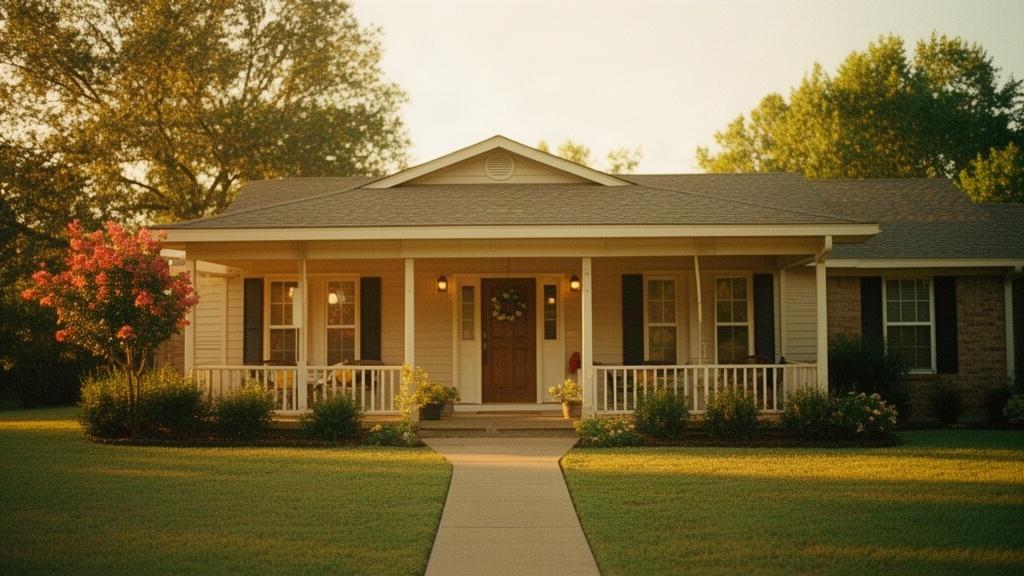
Single-family homes make up the largest share of Manteca's housing stock, and they are the most common entry point for investors in this market. Homes built between the 1970s and 1990s in the older core neighborhoods near downtown Manteca and along Yosemite Avenue tend to be priced lower and carry higher gross yields, but they also come with older roofs, plumbing, and HVAC systems that require realistic maintenance budgets. Homes in newer subdivisions on the north and east sides, including areas near Woodbridge Parkway and Louise Avenue, carry higher purchase prices but lower near-term maintenance exposure and often attract longer-tenancy renters.
A three-bedroom, two-bathroom home in Manteca purchased in the $480,000 to $540,000 range and renting for $2,500 per month produces a gross rent multiplier of roughly 16 to 18, which is competitive for the Central Valley. The net picture depends heavily on property tax (roughly 1.1 to 1.25 percent of assessed value annually under California's Proposition 13 framework), insurance, and any HOA dues.
Small Multifamily Properties
Duplexes, triplexes, and small fourplexes exist in Manteca, though they are less common than single-family homes and require more active searching. When they do come to market, they tend to move quickly because investors recognize the income-to-price ratio advantage. A duplex in the $650,000 to $750,000 range with two units each renting for $1,800 to $2,100 per month can produce meaningfully better cash flow than a single-family home at a similar price point, particularly when one unit is owner-occupied and the buyer qualifies for owner-occupied financing rates.
Finding these properties in Manteca requires local market knowledge and, often, relationships with other agents who represent sellers before a property is publicly listed. This is one area where working with the most experienced local agent makes a direct financial difference.
Short-Term and Mid-Term Rentals
Manteca is not a primary short-term rental destination in the way that Lake Tahoe or coastal markets are, but its position along the Highway 99 corridor and proximity to Great Wolf Lodge Manteca, one of the region's most-visited indoor water park resorts, does generate some short-term demand. Mid-term rentals, typically furnished units leased for 30 to 90 days, have grown in popularity among investors targeting traveling healthcare workers from Doctors Hospital of Manteca and Kaiser facilities in nearby Stockton.
Before pursuing a short-term rental strategy, verify current City of Manteca ordinances on short-term rental permits and zoning, as local regulations in California cities have shifted considerably over the past few years and continue to evolve.
3. Running the Numbers: Cash Flow, Cap Rate, and Financing
Every investment property decision should start with the math, not the property tour. Understanding how to calculate cash flow and cap rate for Manteca properties specifically, using local rent data rather than national averages, is what separates a sound investment from an expensive mistake.
Estimating Gross Rent and Vacancy
Gross rent estimates for Manteca in September 2026 run roughly as follows: one-bedroom units in the $1,400 to $1,700 range, two-bedroom units between $1,800 and $2,200, and three-bedroom single-family homes between $2,400 and $2,800. Four-bedroom homes in newer subdivisions can push past $3,000 per month. These figures vary by condition, location within the city, and whether utilities are included.
For vacancy, a conservative underwriting assumption in Manteca is five to eight percent annually, which accounts for turnover time between tenants. The local rental market has been tight, but underwriting to a lower vacancy rate than that introduces unnecessary risk into your projections.
Calculating Your Cap Rate
Cap rate is net operating income divided by purchase price. For a Manteca single-family rental purchased at $520,000 with gross annual rent of $30,000, a vacancy allowance of six percent, and operating expenses (property tax, insurance, maintenance, property management at eight to ten percent of gross rent) totaling roughly $12,000 per year, the net operating income is approximately $16,200. That produces a cap rate of about 3.1 percent. That figure is typical for California residential investment properties and reflects the trade-off between appreciation potential and immediate cash flow that defines investing in this state.
Investors who need stronger immediate cash flow often look at older, lower-priced properties in Manteca's core neighborhoods, where purchase prices are lower relative to achievable rents. The trade-off is higher maintenance exposure and, in some cases, longer time to find qualified tenants.
Financing Options for Investment Properties
Conventional investment property loans in September 2026 generally require a minimum 15 to 25 percent down payment depending on the lender and loan structure, and rates run higher than owner-occupied rates, often by 0.5 to 0.75 percentage points or more. DSCR loans, which qualify based on the property's rental income rather than the borrower's personal income, have become increasingly common among Manteca investors and are worth exploring if your personal income documentation is complex.
House hacking, buying a duplex or small multifamily property and living in one unit while renting the others, allows buyers to use owner-occupied financing with as little as three to five percent down on FHA loans for properties up to four units. This strategy has gained traction among younger buyers in Manteca and the broader Central Valley, as noted in NAR Realtor Magazine's coverage of how younger buyers are using investment properties to build wealth. If you are considering this path, the First-Time Home Buyer Guide for Manteca, California covers financing options in detail that apply to owner-occupant purchasers.
4. Neighborhood-Level Factors That Affect Returns
Where a property sits within Manteca affects your returns in ways that the purchase price alone does not reveal. Rent levels, tenant quality, maintenance costs, and vacancy rates all vary by location, and understanding those differences requires granular local knowledge rather than ZIP code-level generalizations.
Proximity to Employment and Transportation
Properties within a short drive of Manteca's major employment corridors, including the industrial and logistics zone near the Union Pacific rail yard, the retail and commercial strip along Yosemite Avenue, and the healthcare facilities on North Main Street, tend to rent more consistently because tenants can minimize commute costs. Proximity to the Manteca Transit Center, which connects to San Joaquin RTD routes serving Stockton and Tracy, adds value for renters who commute by bus.
Properties on the far eastern or northern edges of Manteca, in newer subdivisions farther from the freeway interchanges, appeal to renters who prefer newer construction and larger lots but who have their own vehicles. These properties typically achieve the highest gross rents but also carry the highest purchase prices, compressing yields.
Property Age, Condition, and Maintenance Costs
Manteca has housing stock spanning from the 1940s through new construction in 2026. Older homes in the downtown core and along historic streets like Center Street and Moffat Boulevard often have larger lots, mature trees, and character, but they also carry the deferred maintenance risk that comes with age. A thorough inspection and a realistic capital expenditure reserve, typically budgeted at one to two percent of property value per year, is non-negotiable before closing on any property built before 1980.
Homes built in the 1990s and 2000s in subdivisions like Atherton, Del Webb Woodbridge, and the areas around Woodbridge Parkway and Louise Avenue offer a middle ground: newer systems with lower near-term capital expenditure risk, at prices that are lower than brand-new construction. These properties have been popular with buy-and-hold investors for that reason.
HOA Considerations in Planned Communities
A significant portion of Manteca's newer housing stock sits within homeowner association communities. HOA dues in these developments range from roughly $80 to $300 per month depending on the community and its amenities, and those dues are a direct operating expense that must be factored into your cash flow calculation. Some HOAs in Manteca also restrict rental activity, including caps on the percentage of homes that can be rented at any one time, so reviewing HOA documents before making an offer is essential.
For a broader look at how Manteca's different areas compare on housing stock, price points, and commute access, the Manteca, California Real Estate Market Guide: Prices, Neighborhoods and Timing covers those details in depth.
5. Why the Agent With the Most Experience in Manteca Changes the Outcome
An experienced local agent is not a nice-to-have for investment property buyers; it is a competitive advantage. The investment property guide for Manteca, California that has the most experience behind it is one built on real transaction data, real rent comps, and real relationships in the local market. That is what La Tasha Laster-Mullins brings to every investor she works with.
Off-Market Access and Local Relationships
The best investment properties in Manteca rarely sit on the MLS for long, and many of the most attractive deals never hit the public market at all. Agents with deep roots in the local community, who have closed dozens of transactions in Manteca across multiple market cycles, maintain relationships with other agents, estate attorneys, property managers, and sellers who call them before listing publicly. That access is not something you can replicate by browsing Zillow.
La Tasha Laster-Mullins with Serve First Realty has built exactly that kind of local network in Manteca. You can learn more about her background and approach at her profile on the Serve First Realty website.
Accurate Rent Comps and Due Diligence Support
Projecting rental income accurately requires current, local rent comparable data, not national averages or automated estimates. An experienced Manteca agent can pull actual lease data from recently rented properties in the same neighborhood, cross-referenced against active listings, to give you a defensible rent estimate before you write an offer. That number feeds directly into your cap rate and cash-on-cash return calculations, and getting it wrong by even $150 per month can shift a deal from positive to negative cash flow.
Beyond rent comps, an experienced agent knows which inspectors, contractors, and property managers in Manteca are reliable, which matters when you are doing due diligence on a property you may never personally manage. That local vendor network is built over years of transactions, not months.
Negotiating Investment Purchases Differently Than Primary Homes
Investment property negotiations are structurally different from primary home purchases. Sellers of investment properties often have existing tenants, lease agreements, security deposits, and deferred maintenance disclosures that must be handled correctly in the purchase contract. An agent who has closed investment transactions in Manteca knows how to structure contingencies around lease assignment, tenant estoppel certificates, and rent proration at closing in a way that protects the buyer without unnecessarily alarming the seller.
If you are currently weighing whether the Manteca market conditions favor a purchase right now, the article Is the Manteca, California Housing Market Currently Favoring Buyers or Sellers? gives a current read on supply, demand, and negotiating leverage.
And if you are thinking about eventually selling an investment property in Manteca, understanding the seller's side of the transaction in advance is useful planning. The article Selling a Home in Manteca, California: Pricing, Timeline and What to Expect walks through that process in detail.
FAQ
Is Manteca, California a good market for rental property investment in 2026?
Manteca has several characteristics that make it worth serious consideration for rental property investors. Population growth in San Joaquin County has kept rental demand steady, and the city's position along Highway 99 and Interstate 5 supports a broad renter pool drawn from multiple employment sectors. Gross rents for three-bedroom single-family homes are running between $2,400 and $2,800 per month as of September 2026, and vacancy rates have remained below ten percent in most parts of the city. As with any California market, appreciation potential and cash flow must be weighed against higher purchase prices and property taxes, so running accurate local numbers before committing is essential.
How much do I need to put down to buy an investment property in Manteca?
For a conventional investment property loan in September 2026, most lenders require between 15 and 25 percent down, depending on the loan structure, the lender, and whether the property is a single-unit or small multifamily. DSCR loans, which qualify based on the property's rental income rather than the buyer's personal income, have become a popular option for investors with complex income situations and typically require 20 to 25 percent down. If you plan to live in one unit of a duplex or small multifamily property, FHA financing may allow as little as 3.5 percent down, which changes the cash-on-cash return calculation significantly. Working with a lender who is familiar with investment property financing in California is an important first step.
What should I look for when evaluating an investment property in Manteca?
Start with the rent-to-price ratio: divide the expected annual gross rent by the purchase price to get a quick yield snapshot, and compare that to your financing costs. Then layer in operating expenses including property tax, insurance, HOA dues if applicable, maintenance reserves, and property management fees to arrive at net operating income. Beyond the numbers, evaluate the property's age and condition carefully, particularly for homes built before 1980, where deferred maintenance can erode returns quickly. Location within Manteca matters for vacancy risk, so consider proximity to employment, transit, and amenities. Finally, review any HOA documents for rental restrictions before making an offer, as some communities in Manteca cap the number of rentals allowed.