← Back to Blog
Buying
Relocating to Manteca, California: Neighborhoods, Costs and Timelines for Out-of-Town Buyers
By La Tasha Laster-Mullins, California REALTOR®
https://new.servefirstrealty.com/about/meet-our-team/agent?id=latasha-lastermullins · DRE# 02007166
September 3, 2026 · 13 min read
Relocating from out of town to Manteca, California is a major decision, and doing it without local knowledge can cost you time, money, and peace of mind. This guide covers the neighborhoods, costs, and timelines that matter most to buyers moving to Manteca from another city or state, so you can arrive with a clear plan rather than a list of surprises.
1. Why Manteca Draws Out-of-Town Buyers Right Now
Manteca sits at the crossroads of two major California corridors. Interstate 5 and Highway 99 both pass through or near the city, and the ACE commuter rail line connects Manteca to the Tri-Valley and Santa Clara County. That combination of freeway access and rail service is a primary reason people relocating from the Bay Area, Sacramento, and Southern California keep landing here. The drive to downtown Stockton is roughly 15 minutes. The drive to Livermore is about 45 to 55 minutes depending on traffic. San Jose is approximately 80 miles west, which translates to 90 minutes on a good day via I-205 and I-580.
The city itself has grown considerably over the past decade, with a population now above 90,000 residents. Big Box retail, local dining along Airport Way and Yosemite Avenue, the Manteca Transit Center, and easy access to the Great Wolf Lodge corridor near Lathrop give the area a self-contained feel. People relocating from out of town often note that Manteca offers a suburban pace with genuine infrastructure, not just a bedroom community with a gas station and a fast-food strip.
Location and Commute Context
Manteca's position in the northern San Joaquin Valley means it sits within driving distance of several major employment centers. Tracy is about 10 miles west and hosts significant logistics and warehouse employment along I-205. Modesto is roughly 20 miles south on Highway 99. The Altamont Corridor Express, known as ACE, departs from the Manteca station and reaches Pleasanton in about an hour, making it a realistic option for workers commuting into Alameda County. Out-of-town buyers who are relocating for remote or hybrid work often prioritize this rail access as a backup option.
What the Housing Stock Actually Looks Like
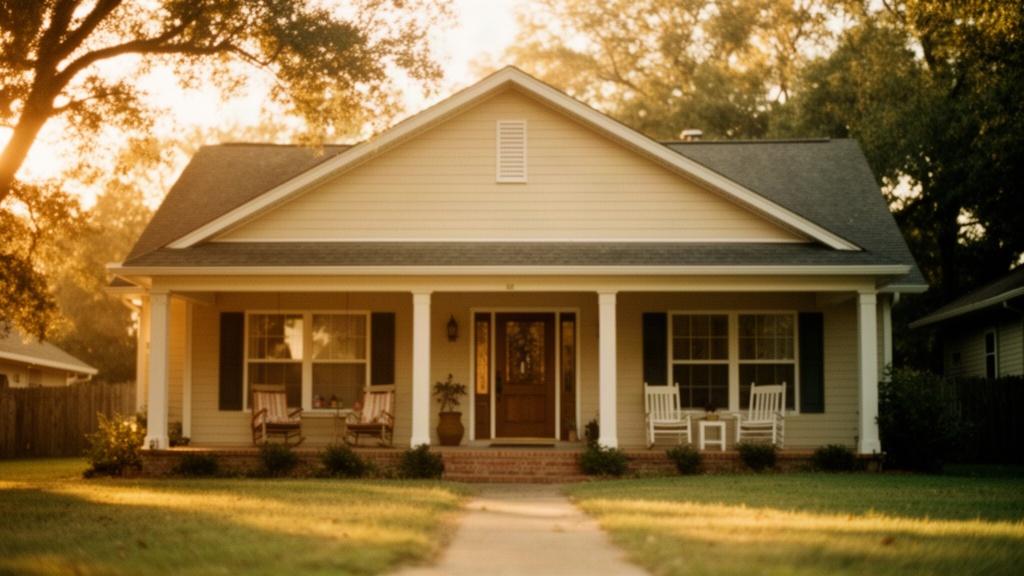
Manteca's housing stock spans several distinct eras. The older central neighborhoods contain homes built from the 1950s through the 1980s, typically on lots of 6,000 to 8,000 square feet, with single-story ranch layouts and mature trees. The growth that happened from the late 1990s through the mid-2000s brought large master-planned subdivisions with two-story homes ranging from 1,800 to 3,200 square feet. The most recent construction, concentrated in the eastern and southeastern portions of the city, includes new builds from national and regional builders with modern floor plans, solar panels, and HOA amenities. Each era carries different maintenance profiles and price points, which matters a lot when you are buying remotely and cannot easily pop over for a second look.
2. Manteca Neighborhoods: What to Know Before You Choose
Choosing the right part of Manteca from out of town requires factual information about each area, not vague impressions. The city is compact enough that most areas are within a 10-minute drive of each other, but the differences in home age, lot size, HOA structure, and price are real. For a deeper look at how neighborhoods break down across the city, the Manteca, California Real Estate Market Guide on this site covers price ranges and housing characteristics across different parts of town.
West Manteca and the Del Webb Area
The western edge of Manteca includes the Del Webb at Woodbridge community, a large active-adult development with its own clubhouse, pool, and recreational facilities. Homes here are typically single-story, ranging from about 1,400 to 2,200 square feet, and the community has a strong HOA structure that handles common area maintenance. Prices in this pocket as of September 2026 generally run from the high $400,000s into the $600,000s depending on lot position and upgrades. The Woodbridge community also has its own dedicated blog post on this site if you want a more detailed breakdown of that specific development.
East Manteca and Newer Master-Planned Communities
The eastern side of Manteca has seen the most active new construction over the past several years. Subdivisions here feature homes built by builders like Meritage Homes and KB Home, with open floor plans, attached two-car garages, and community parks. Lot sizes tend to run smaller than older parts of the city, often in the 4,500 to 6,000 square foot range, but the homes themselves are larger. Prices for new construction in this corridor currently start around $520,000 and can reach $750,000 or more for larger floor plans with upgrades. HOA fees in these communities typically run between $80 and $160 per month.
Central Manteca and Older Established Streets
Central Manteca, the area roughly bounded by Yosemite Avenue to the north and the Union Pacific rail corridor to the south, contains the city's oldest residential fabric. Streets here are lined with established trees, and homes from the 1950s through the 1970s sit on generous lots. These properties rarely have HOAs, which lowers monthly carrying costs but means the buyer takes on full maintenance responsibility. Entry-level homes in this area can be found in the $380,000 to $480,000 range as of September 2026, making them among the most accessible price points in the city. Many of these homes have been updated over the decades, but buyers relocating from out of town should budget for a thorough inspection given the age of the structures.
Lathrop and French Camp as Nearby Alternatives
Some buyers relocating to the Manteca area also look at the neighboring cities of Lathrop and French Camp, both within 10 miles. Lathrop has its own new construction activity, including the River Islands master-planned community on a man-made island in the San Joaquin River, which features waterfront lots, community parks, and a K-8 school within the development. River Islands homes range widely from the $500,000s to over $1 million for larger waterfront parcels. French Camp is a smaller unincorporated community with more modest pricing, often in the $350,000 to $430,000 range. Both are worth considering if your budget or lifestyle priorities lead you in that direction.
3. What It Costs to Buy a Home in Manteca Right Now
Understanding the full cost picture before you relocate prevents the kind of sticker shock that derails timelines. Manteca's median home price as of September 2026 sits in the $520,000 to $560,000 range for a single-family home, though that number moves depending on the specific neighborhood and home size. The Manteca CA Real Estate Listings guide on this site explains how to read active listings and understand what the numbers actually mean before you start searching.
Current Price Ranges by Home Type
Manteca's market as of September 2026 breaks down roughly as follows across home categories. Condominiums and townhomes generally list between $320,000 and $430,000. Entry-level single-family homes in older central neighborhoods start around $380,000. Mid-range single-family homes in established subdivisions from the 2000s era typically fall between $480,000 and $620,000. Newer construction with four or more bedrooms and modern finishes runs from $550,000 to $780,000. Premium lots, waterfront parcels in River Islands, or homes with pools and large lots can exceed $800,000. These ranges reflect listed prices; final sale prices depend on offer competition and condition.
Closing Costs and Cash You Will Need
Closing costs in California typically run between 2% and 3% of the purchase price for the buyer. On a $540,000 home, that means budgeting $10,800 to $16,200 in addition to your down payment. This covers lender fees, title insurance, escrow fees, prepaid property taxes, and homeowners insurance deposits. San Joaquin County property taxes run approximately 1.1% to 1.25% of the assessed value annually, so on a $540,000 purchase you would pay roughly $5,940 to $6,750 per year in property taxes. If the home is in an HOA, you may also owe a transfer fee at closing, which can range from $200 to $500 depending on the management company.
Buyers relocating from out of town also need to account for the cost of travel. Most out-of-town buyers make at least one in-person visit to Manteca during the process, and some make two or three. Flights from Los Angeles to Sacramento or Stockton, plus a rental car and a hotel night, can add $400 to $800 per trip. Building that into your relocation budget is practical planning, not an afterthought. The NAR has noted that moving costs and relocation logistics are consistently underestimated by buyers who have not moved long distance before.
Ongoing Costs After You Close
Monthly ownership costs in Manteca go beyond the mortgage payment. Homeowners insurance in the San Joaquin Valley averages $1,200 to $1,800 per year for a standard single-family home, though homes with pools or older roofs may cost more to insure. HOA fees, where applicable, add $80 to $200 per month. Manteca is served by the South San Joaquin Irrigation District for water, and monthly utility costs for a typical three-bedroom home run approximately $180 to $280 combined for water, electricity, and gas. Homes with solar panels, which are common in newer construction, can reduce electricity costs significantly.
4. A Realistic Timeline for Relocating from Out of Town
Most out-of-town buyers who relocate to Manteca successfully complete the process in four to six months from the first serious conversation to move-in day. Rushing that timeline creates risk; stretching it unnecessarily means paying rent somewhere else while the market moves. Here is what each phase actually involves.
Months One and Two: Research and Financing
The first two months should be spent getting pre-approved, not browsing listings. A lender pre-approval letter specific to California is essential because sellers in competitive markets will not take an offer seriously without one. During this phase, you should also be researching Manteca's different neighborhoods using satellite maps, street-level photography, city planning documents, and conversations with a local agent. Identifying your non-negotiables, such as minimum square footage, garage requirements, yard size, and commute tolerance, before you visit in person saves significant time once you are on the ground.
This is also the right time to research schools if that matters to your household. Manteca Unified School District serves most of the city. Buyers can review a property's specific location and attendance boundaries as part of their research.
Month Three: The Visit and the Offer
Plan your in-person visit strategically. A two to three day trip to Manteca allows you to tour eight to twelve homes, drive the commute routes at actual commute times, visit the parks and retail corridors you would use regularly, and get a physical sense of the neighborhoods on your shortlist. Trying to compress this into a single day often leads to rushed decisions. Work with your local agent to pre-select homes before you arrive so every showing counts. If you find a home you want to offer on during the visit, you can often submit an offer the same day.
California's standard purchase agreement gives buyers 17 days for inspections and contingency review. That window is your primary protection as an out-of-town buyer. Do not waive inspection contingencies to win a bidding war unless you have already completed a pre-inspection and understand exactly what you are accepting. The First-Time Home Buyer Guide for Manteca on this site walks through the full offer and contingency process in detail, which is useful even if you have bought a home before in another state.
Months Four and Five: Escrow and the Move
California escrow periods for resale homes typically run 30 to 45 days. New construction can take longer, sometimes 60 to 90 days from contract to close, depending on where the home is in the build process. During escrow, you will complete your inspections, review the title report, finalize your loan, and wire your down payment and closing costs to the escrow company. Most of this can be handled remotely. Your agent, lender, and escrow officer will coordinate the paperwork digitally, and you will sign closing documents either in person or through a remote online notarization service.
Once you close, your physical move to Manteca begins. Cross-country or long-distance moves from the Bay Area, Southern California, or out of state typically take one to three weeks to schedule with a licensed mover. Get at least three quotes, verify the mover's CALPUC license for in-state moves or FMCSA registration for interstate moves, and confirm that your belongings are insured during transit. Moving costs from the Bay Area to Manteca for a three-bedroom household run roughly $2,500 to $5,000 depending on volume and timing.
5. Practical Tips for Buying in Manteca Without Being Here Full-Time
People relocating from out of town face a specific set of challenges that local buyers do not. You cannot drive by a property on a Tuesday afternoon to check the street noise. You cannot easily reschedule a showing if a new listing hits on a Wednesday. Working around those constraints requires a different approach, and the right local agent makes that possible.
Working Remotely Through the Process
Video tours are a standard tool for out-of-town buyers, but they are not a substitute for a thorough in-person inspection. Use video walkthroughs, conducted live by your agent via FaceTime or Zoom, to eliminate homes that clearly do not fit before you travel. Save your in-person visits for the two or three properties that genuinely compete for your attention. Ask your agent to film the street, the neighbors' yards, the noise environment, and the traffic pattern at different times of day. Those are the details that video listings never show.
Inman has published useful guidance on how agents can serve out-of-town buyers at a higher level, including the importance of proactive communication and local knowledge that goes beyond the MLS. That standard of service is exactly what relocating buyers should expect from their agent.
What to Inspect Extra Carefully
Manteca sits in the Central Valley, which has specific environmental and structural considerations that buyers from coastal markets may not be familiar with. The summer heat, with July and August temperatures regularly reaching 100 to 108 degrees Fahrenheit, puts significant strain on HVAC systems. Ask your inspector to evaluate the age, condition, and capacity of the air conditioning unit specifically. Older homes in central Manteca may have original ductwork that is inefficient or deteriorated. Foundation issues from expansive clay soils are also worth checking in homes built before 1990.
Manteca is not in a high wildfire risk zone in the way that foothill communities are, but it does sit in a FEMA-designated flood zone in some low-lying areas near the Delta waterways. Ask your agent to confirm whether a property requires flood insurance, which can add $800 to $2,000 per year to your carrying costs if it does. Your title report and Natural Hazard Disclosure report, both required in California transactions, will identify these conditions.
Avoiding Common Relocation Mistakes
The most common mistake out-of-town buyers make is over-relying on online listing data and under-relying on local expertise. Zillow and Redfin estimates are useful starting points, but they do not account for the difference between a home on a busy arterial street versus a quiet cul-de-sac two blocks away, or the fact that a particular subdivision has a pending special assessment. A local agent who works Manteca daily carries that knowledge. If you are evaluating agents, the guide on how to evaluate a real estate agent's experience in Manteca walks through the specific questions worth asking.
A second common mistake is waiting too long to get pre-approved. In a market where well-priced homes in Manteca can receive multiple offers within the first weekend, arriving without a pre-approval letter means you cannot compete. Get pre-approved before you start touring homes, not after you find one you want. Your pre-approval should be from a lender familiar with California transactions, not just a national online lender who has never closed a deal in San Joaquin County.
FAQ
How long does it realistically take to relocate to Manteca, California from out of state?
Most out-of-town buyers complete the full process, from initial research to move-in day, in four to six months. The first two months typically cover financing and neighborhood research. Month three usually involves an in-person visit and submitting an offer. Escrow in California runs 30 to 45 days for resale homes and up to 90 days for new construction. Add two to three weeks for scheduling movers and you have a realistic total timeline. Buyers who try to compress this to 60 days often face avoidable stress and rushed decisions.
What is the median home price in Manteca, California right now?
As of September 2026, the median single-family home price in Manteca sits in the $520,000 to $560,000 range. Entry-level homes in older central neighborhoods can be found starting around $380,000, while newer construction with four or more bedrooms runs from $550,000 to $780,000. Condominiums and townhomes generally list between $320,000 and $430,000. These are listed prices; final sale prices depend on offer competition, home condition, and how long a property has been on the market. A local agent can pull recent closed sales data to give you a precise picture for the specific type of home you are targeting.
Do I need to visit Manteca in person before making an offer, or can I buy remotely?
While it is technically possible to purchase a home entirely remotely in California, most experienced agents and buyers recommend at least one in-person visit before submitting an offer. A two to three day trip allows you to tour your top candidates, drive the commute routes, and assess the physical environment in ways that video cannot replicate. That said, the majority of the transaction itself, including document signing, inspections, and communication with your lender and escrow officer, can be handled remotely. The in-person visit is about making the right choice, not about completing paperwork.