← Back to Blog
Market Trends
What Is the Average Home Price in Cedar Hill Texas Right Now in September 2026
By LaMonica Birmingham
September 3, 2026 · 10 min read
If you are wondering what the average home price in Cedar Hill Texas is right now in September 2026, the short answer is that the median sale price sits in the low-to-mid $300,000s, though the number you see on any single data source only tells part of the story. This article breaks down current prices by property type, price-per-square-foot figures, how Cedar Hill compares to the broader Dallas-Fort Worth corridor, and what is actually moving the market this month. Whether you are buying, selling, or relocating, these are the numbers you need before making a decision.
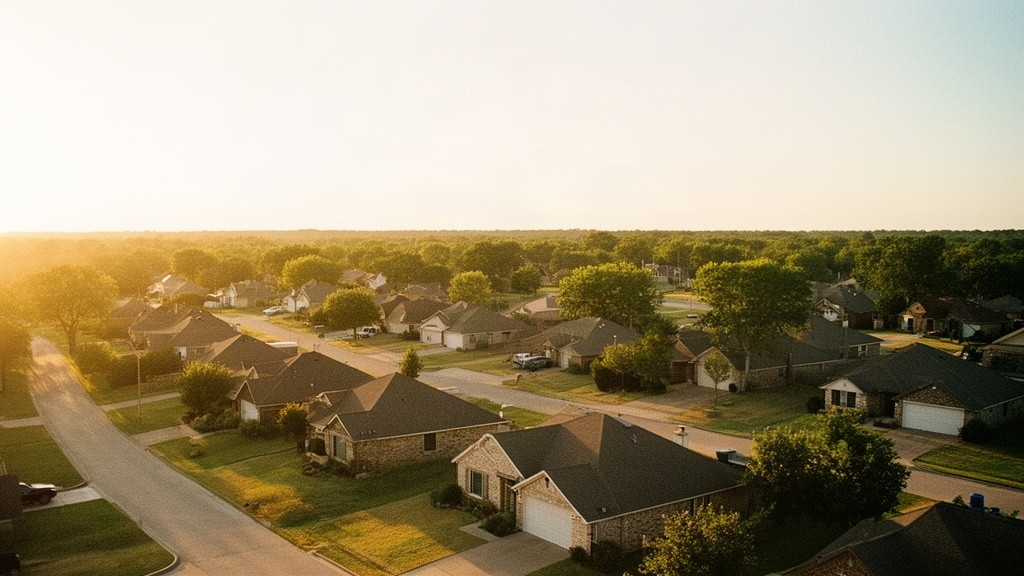
1. The Current Numbers: Cedar Hill Home Prices in September 2026
The median home price in Cedar Hill, Texas right now in September 2026 is approximately $330,000 to $345,000, depending on the data source and the specific weeks sampled. That figure reflects closed sales, meaning homes that went under contract, cleared inspection, and funded. It does not reflect active list prices, which tend to run $10,000 to $20,000 higher as sellers test the market before adjusting.
For a broader market view, Zillow's Cedar Hill housing market data tracks the Zillow Home Value Index for the city, which smooths out week-to-week volatility and gives a cleaner trend line. Cross-referencing that index with closed MLS data is the most reliable way to understand where prices actually landed.
Median Sale Price vs. List Price
The gap between list price and sale price matters a lot in this market. Homes in Cedar Hill are currently selling at roughly 97 to 99 percent of their original list price when priced correctly from day one. Overpriced listings, meaning those that sit past 30 days, are seeing price reductions of 3 to 6 percent before going under contract. That gap has widened slightly compared to the frenzied pace of 2022 and early 2023, when many homes sold above asking price.
The practical takeaway: if you see a Cedar Hill home listed at $360,000, the realistic sale price is probably $350,000 to $358,000 if it has been on the market more than two weeks. A fresh listing priced at market value could still close right at or within a few thousand dollars of ask.
Price Per Square Foot
Price per square foot gives you a more apples-to-apples comparison across different home sizes. In Cedar Hill right now, the median price per square foot for a single-family home is running between $145 and $165, with newer construction and updated homes on larger lots pushing toward the top of that range. Older homes built in the 1980s and early 1990s, particularly in areas near Pleasant Run Road and the older sections of Lakeridge, typically come in at $130 to $148 per square foot.
Townhomes and patio homes, which make up a smaller share of Cedar Hill's housing stock, are pricing closer to $155 to $170 per square foot because their smaller footprints concentrate value. If you are comparing two homes and one is priced at $155 per square foot while a similar home nearby is at $175, that difference is worth asking about.
Days on Market Right Now
The median days on market in Cedar Hill in September 2026 is sitting at approximately 28 to 35 days. That is up from the 10 to 15 day pace seen in 2021 and 2022, which means buyers have a bit more time to think without immediately losing a home. However, well-priced homes in the $290,000 to $360,000 range, particularly those with updated kitchens, three or more bedrooms, and a two-car garage, are still moving in under two weeks.
2. What the Average Home Price in Cedar Hill Actually Buys You
A median price number is only useful if you know what it translates to on the ground. Cedar Hill has a diverse housing stock ranging from 1970s ranch-style homes to newer two-story builds in planned subdivisions, and the price you pay shapes the product you get in very specific ways.
Entry-Level Homes Under $280,000
Below $280,000, buyers in Cedar Hill are typically looking at homes built between the late 1970s and mid-1990s. These properties generally offer 1,200 to 1,800 square feet, three bedrooms, and one or two bathrooms. Many sit on lots of 7,000 to 9,000 square feet. Expect original kitchens or partial updates, older HVAC systems, and roofs that may be approaching the end of their useful life. Some are move-in ready with cosmetic updates; others need work. This price tier requires careful inspection and a clear-eyed renovation budget.
The $300,000 to $400,000 Range
This is the heart of the Cedar Hill market and where the most transaction volume happens. In this range you will find homes from 1,800 to 2,600 square feet, typically four bedrooms and two to three bathrooms, built between the mid-1990s and mid-2010s. Many are in subdivisions like Lakeridge, High Pointe, and Cedar Hill Estates. Updated kitchens with granite or quartz countertops, covered patios, and two-car garages are common at this price point. Cedar Hill's proximity to Joe Pool Lake adds tangible value here, particularly for homes within a short drive of the lake's parks and boat ramps.
If you want deeper context on how this price range performs for sellers specifically, the article on selling a home in Cedar Hill: pricing, timeline and what to expect walks through what sellers in this range are experiencing right now.
Move-Up and Larger Homes Above $400,000
Above $400,000, Cedar Hill offers homes in the 2,600 to 4,000 square foot range, often with five bedrooms, formal dining rooms, game rooms, and larger lots. Some of the newer builds in this tier feature open-concept layouts, energy-efficient construction, and three-car garages. Homes backing to the greenbelt areas near Cedar Hill State Park or with elevated views toward the lake command premiums in this segment. Days on market for this price tier tend to run slightly longer, around 35 to 50 days, because the buyer pool is narrower.
3. How Cedar Hill Home Prices Compare to Nearby Cities
Cedar Hill's median price sits in a competitive position relative to its neighbors along the US-67 and I-20 corridors. Understanding where Cedar Hill lands in that landscape helps buyers and sellers calibrate expectations.
Cedar Hill vs. Duncanville and DeSoto
Duncanville and DeSoto, both located northeast of Cedar Hill along US-67, are currently pricing in a similar range, with medians generally between $310,000 and $345,000. Cedar Hill's housing stock tends to offer slightly larger lots and more direct access to outdoor recreation at Joe Pool Lake and Cedar Hill State Park, which is a draw for buyers who prioritize space and greenery. Commute times from Cedar Hill to downtown Dallas run approximately 30 to 40 minutes via US-67 under normal traffic conditions, comparable to DeSoto and Duncanville.
Cedar Hill vs. Midlothian and Mansfield
Midlothian, located about 15 miles southwest of Cedar Hill on US-287, has seen significant new construction activity and currently prices slightly higher, with many new builds starting in the mid-$300,000s and running well above $400,000. Mansfield, to the northwest via FM-157, also trends higher, with a median closer to $380,000 to $410,000. Buyers who find Cedar Hill's price range appealing but want to understand the trade-offs in commute distance and lot characteristics should map out each city relative to their workplace before deciding.
The DFW Context
The broader Dallas-Fort Worth metro median home price currently sits around $380,000 to $400,000, meaning Cedar Hill is priced below the metro average. That gap has made Cedar Hill a consistent draw for buyers relocating from higher-cost parts of the metro, including Frisco, Plano, and Irving, who want more square footage and land for their dollar while staying within a reasonable commute of employment centers in Dallas, Grand Prairie, and Arlington.
4. What Is Driving Cedar Hill Home Prices Right Now
Price levels do not exist in a vacuum. Several specific forces are shaping what Cedar Hill homes cost in September 2026, and understanding them helps you anticipate where prices may head over the next six to twelve months.
Inventory Levels This Fall
Active inventory in Cedar Hill is currently running at approximately 2.5 to 3.5 months of supply, which is a balanced-to-slightly-buyer-friendly market. A true seller's market sits below two months of supply; a true buyer's market sits above six months. Cedar Hill's current inventory level means neither side has overwhelming leverage, though buyers have noticeably more choices than they did in 2021 and 2022. The fall season typically brings a modest uptick in new listings as sellers who waited out the summer heat list before the holidays.
Interest Rates and Buyer Demand
Mortgage rates have been a significant factor in Cedar Hill's market since late 2022, and that dynamic has not fully resolved. Rates in September 2026 are in the mid-to-upper 6 percent range for a 30-year fixed conventional loan, which keeps monthly payments meaningful on a $330,000 purchase. At 6.75 percent with 10 percent down, a buyer financing $297,000 is looking at a principal and interest payment of roughly $1,925 per month before taxes and insurance. That payment math is constraining some buyers and keeping demand from fully absorbing available inventory.
For a more detailed look at how these conditions affect the Cedar Hill market across different price points and timeframes, the Cedar Hill real estate market guide covering prices, neighborhoods, and timing offers additional context on how the market has shifted over the past year.
New Construction Pressure
New construction activity in and around Cedar Hill is adding supply that competes directly with resale homes. Builders in the area have been offering incentives including mortgage rate buydowns, closing cost contributions, and appliance packages to move inventory, which puts downward pressure on resale prices in the same price tier. Resale sellers in the $330,000 to $400,000 range need to be aware that a buyer can sometimes get a brand-new home nearby for a comparable price with builder incentives factored in. Condition and updates matter more now than they did three years ago.
5. What These Numbers Mean If You Are Buying or Selling in Cedar Hill
Market data is only useful when it connects to a decision. Here is how the current average home price picture in Cedar Hill translates into practical guidance for buyers and sellers this September.
Advice for Buyers This September
Buyers have more room to negotiate in September 2026 than at any point in the past four years. With days on market stretching past 30 days for many listings, a well-researched offer below asking price is no longer automatically rejected. Focus your search on homes that have been on the market 21 days or more, check whether the seller has already reduced the price, and use the price-per-square-foot data above to identify listings that are overpriced relative to comparable sales.
Get a thorough inspection, particularly on homes built before 2000. Cedar Hill's clay-heavy soil can cause foundation movement, and older roofs, HVAC systems, and plumbing are worth scrutinizing before you commit. Budget for these items when evaluating whether a list price is reasonable.
Also worth reading before you make an offer: the Cedar Hill home buyer guide covers the full purchase process with local specifics that generic buyer guides miss.
Advice for Sellers This September
Sellers who price accurately from day one are still achieving strong results in Cedar Hill. The mistake most sellers make right now is anchoring to what a neighbor sold for in 2022 or early 2023, when prices peaked. Those comps are no longer relevant. Current closed sales in the past 60 to 90 days are the right benchmark. A home priced 5 to 8 percent above market will sit, accumulate days on market, and ultimately sell for less than it would have at correct pricing on day one.
Presentation still moves the needle. Homes with professional photography, clean landscaping, and neutral paint are generating more showings and stronger offers than comparable homes that are listed without those basics. In a market where buyers have options, first impressions filter out homes before a buyer ever schedules a tour.
For a full breakdown of what the selling process looks like in Cedar Hill's Lakeridge area specifically, the article on selling a home in Lakeridge: pricing, timeline and what to expect covers that neighborhood's distinct market dynamics.
For additional data and trend tracking, Redfin's Cedar Hill housing market page updates regularly with median sale prices, price reductions, and sale-to-list ratios that are useful for both buyers and sellers building their strategy.
FAQ
What is the average home price in Cedar Hill Texas right now in September 2026?
The median home sale price in Cedar Hill, Texas in September 2026 is approximately $330,000 to $345,000 for a single-family home, based on recent closed sales data. Price per square foot is running between $145 and $165 depending on the age, condition, and location of the home. Newer construction and updated homes on larger lots trend toward the top of that range, while older homes built before 2000 typically come in lower. Active list prices tend to run $10,000 to $20,000 higher than closed sale prices, so it is important to look at sold comps rather than current listings when forming a price opinion. These figures can shift month to month, so checking recent closed sales data or speaking with a local agent is the most reliable approach.
Are Cedar Hill home prices going up or down in 2026?
Cedar Hill home prices in 2026 have been relatively stable compared to the significant appreciation seen in 2021 and 2022, with modest fluctuations rather than sharp movement in either direction. The market has shifted from strongly seller-favored to more balanced, with inventory at roughly 2.5 to 3.5 months of supply as of September 2026. Prices are not declining sharply, but sellers no longer have the automatic leverage they had a few years ago. Homes that are priced correctly and presented well are still selling close to asking price, while overpriced listings are sitting longer and requiring reductions. The broader DFW job market and continued in-migration from higher-cost metros continue to provide a floor under Cedar Hill prices.
How does Cedar Hill's home price compare to the rest of the Dallas-Fort Worth area?
Cedar Hill's median home price of approximately $330,000 to $345,000 is notably below the broader Dallas-Fort Worth metro median, which currently sits around $380,000 to $400,000. That gap has made Cedar Hill attractive to buyers who want more square footage and land than they can find at comparable prices in closer-in suburbs. Compared to immediate neighbors like Duncanville and DeSoto, Cedar Hill's pricing is similar, while cities like Mansfield and Midlothian tend to run higher due to newer construction activity. Cedar Hill's location along US-67, with a roughly 30 to 40 minute drive to downtown Dallas under normal traffic, keeps it competitive for buyers who need reasonable access to employment centers while prioritizing value and space.