← Back to Blog
Market Trends
The Beltline Road Corridor of Cedar Hill, Texas Real Estate Market Guide: Prices, Neighborhoods and Timing
By LaMonica Birmingham
September 3, 2026 · 10 min read
The Beltline Road corridor of Cedar Hill, Texas is one of the most active stretches of real estate in the southern Dallas-Fort Worth metroplex, connecting established subdivisions, newer construction pockets, and commercial anchors along a spine that runs through the heart of the city. This guide covers current prices, what the housing stock actually looks like, how the corridor's distinct sections differ from one another, and how to time a purchase or sale in September 2026. Whether you are relocating, buying your first home, or planning to list, understanding this specific corridor gives you a real edge.
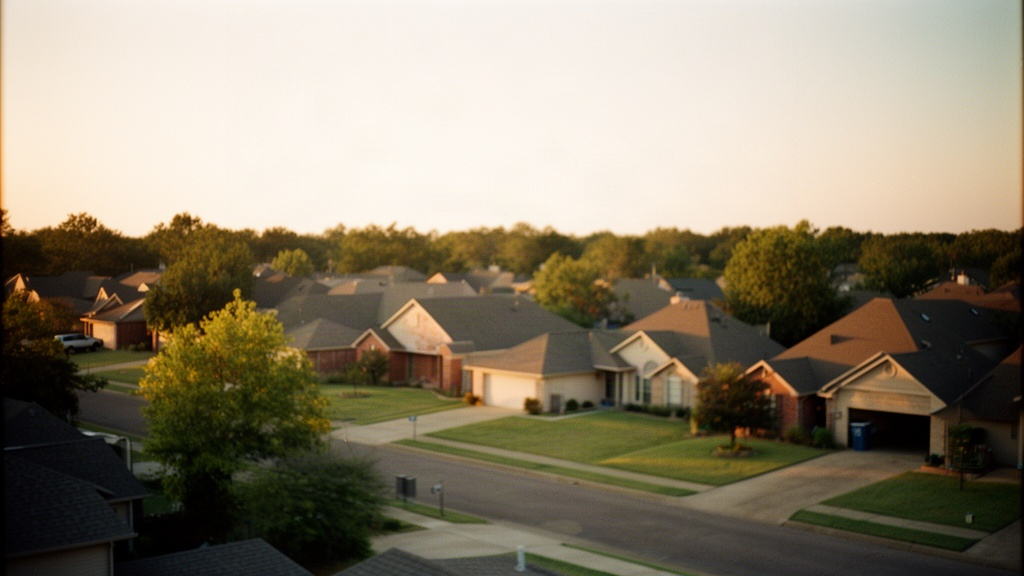
1. What Makes the Beltline Road Corridor Distinct in Cedar Hill
The Beltline Road corridor is Cedar Hill's primary east-west artery. It connects U.S. Highway 67 on the west side to the city's eastern residential zones, passing through retail nodes, parks, and some of the city's most recognizable subdivisions along the way. No other road in Cedar Hill carries the same mix of through-traffic, neighborhood access, and commercial activity in a single stretch.
The Physical Layout of the Corridor
Beltline Road runs roughly east-west through Cedar Hill, shifting slightly in character as it moves across the city. Near Highway 67, the road is flanked by commercial development including grocery anchors, fast food, and service retail. Moving east, the corridor transitions into residential territory, with subdivision entrances feeding off Beltline into neighborhoods of varying ages and price points. The terrain in Cedar Hill is notably hilly compared to much of the DFW area, and Beltline Road reflects that: elevation changes are visible, and many homes on side streets off the corridor have elevated lots with views of the surrounding landscape.
Joe Pool Lake sits to the northeast of Cedar Hill, and Beltline Road's eastern segments bring residents within a short drive of Cedar Hill State Park, which covers roughly 1,826 acres along the lake's shoreline. That proximity to the park and the lake is a genuine differentiator for homes in the eastern portions of the corridor compared to other Cedar Hill addresses.
Commercial and Retail Context
The commercial presence along Beltline Road matters to buyers because it shapes daily convenience. Cedar Hill's main retail concentration sits near the Highway 67 interchange, anchored by big-box stores and a grocery corridor that residents along Beltline can reach in under ten minutes from most neighborhood entrances. The Hillside Village shopping center, located along Highway 67 close to the Beltline intersection zone, adds additional retail and dining options. For commuters, Beltline Road provides direct access to Highway 67, which connects to Interstate 20 in roughly five to seven minutes, putting downtown Dallas approximately 25 to 30 minutes away under normal traffic conditions.
2. Current Prices Along the Beltline Road Corridor
As of September 2026, homes in Cedar Hill's Beltline Road corridor trade across a meaningful price range depending on age, lot size, square footage, and how close a property sits to the corridor's commercial nodes versus its quieter residential pockets. The citywide median for Cedar Hill currently sits in the low-to-mid $300,000s, and corridor properties generally track that range with some variation at both ends.
Entry-Level and Mid-Range Pricing
Homes priced from the upper $200,000s to around $330,000 along or just off Beltline Road tend to be older builds from the 1980s and 1990s, typically ranging from 1,400 to 2,000 square feet. These properties often sit on lots of 7,000 to 9,000 square feet, feature three to four bedrooms, and carry the original brick exteriors common to that era of Cedar Hill construction. Some have been updated with modern kitchens and baths; others present a clear opportunity for buyers willing to renovate. Buyers stretching their dollar in today's market are finding that corridor-adjacent streets in this price band offer more square footage per dollar than comparable DFW suburbs closer to Dallas.
The mid-range band, roughly $330,000 to $420,000, captures a mix of updated 1990s homes and early 2000s builds with more square footage, typically 2,000 to 2,800 square feet. These homes often include two-car garages, larger backyards, and in some cases backing to greenbelt areas. Buyers in this range are competing with investors and move-up buyers simultaneously, so well-priced listings in this band tend to move faster than those at either end of the price spectrum.
Upper-Tier Homes and Larger Lots
Properties priced from the mid-$400,000s to the low $600,000s represent the upper tier of the Beltline corridor market in Cedar Hill as of September 2026. These homes are generally larger builds from the mid-2000s through the 2010s, with square footage ranging from 2,800 to over 3,500. Lots in this segment sometimes exceed a quarter acre, and some back to wooded areas or offer elevated positions that take advantage of Cedar Hill's topography. Finishes in this range frequently include granite or quartz countertops, hardwood floors, and updated primary suites. Homes at this price point in the corridor compete with newer construction in nearby Midlothian and Mansfield, so condition and presentation matter significantly.
3. Neighborhoods and Housing Stock Tied to the Corridor
The Beltline Road corridor of Cedar Hill's real estate market is not a single neighborhood but a collection of distinct subdivisions that share corridor access as a common thread. Each section of the corridor has its own character, price point, and housing vintage.
Established Subdivisions Near the Northern Stretch
The northern portions of Cedar Hill near Beltline Road include some of the city's more established subdivisions, with homes built primarily between 1985 and 2000. Street layouts in these areas tend to be curvilinear, with cul-de-sacs and winding roads that reduce cut-through traffic. Lot sizes are generally modest by suburban standards, but mature tree canopy adds character that newer construction areas cannot replicate. Many of these homes have been owned for ten or more years, so when they do come to market, sellers have accumulated meaningful equity and listings are often priced competitively relative to the square footage offered.
Mid-Corridor Communities
The central section of Beltline Road in Cedar Hill is where the corridor's residential and commercial uses overlap most visibly. Subdivisions here were largely built in the late 1990s through the mid-2000s, and they tend to offer slightly larger floor plans than the older northern neighborhoods. Proximity to Beltline Road's retail nodes means residents can walk or make a very short drive to everyday services, which some buyers value highly. Homes here also sit within a reasonable distance of Lakeridge Parkway, another key Cedar Hill artery. For context on how Lakeridge-area pricing and selling conditions compare, the guide on selling a home in Lakeridge covers those dynamics in detail.
Southern Sections Toward the Lake
As Beltline Road extends toward the eastern and southern portions of Cedar Hill, the residential character shifts again. Lots tend to get larger, and some streets in this zone feature homes on half-acre or larger parcels. Cedar Hill State Park's 1,826-acre footprint along Joe Pool Lake is accessible within a short drive from these neighborhoods, offering hiking, fishing, mountain biking trails, and lakeside access. Homes in this section of the corridor command a modest premium tied to the larger lots and the outdoor recreation proximity. New construction has appeared in scattered pockets here as well, with builders offering three-to-four bedroom plans in the $380,000 to $480,000 range on newly platted streets.
4. Market Conditions in September 2026
The Cedar Hill market in September 2026 sits in a period of measured activity. Inventory has expanded compared to the tight conditions of 2022 and 2023, giving buyers more options while keeping sellers from the kind of multiple-offer frenzy that defined those years. It is a more balanced market than the recent past, though demand along the Beltline corridor remains steady because of Cedar Hill's relative affordability within the DFW region.
Inventory and Days on Market
Homes along the Beltline Road corridor are currently averaging 30 to 50 days on market depending on price point and condition, up from the 10-to-15-day averages seen during the peak years. Well-priced, move-in-ready listings in the $300,000 to $380,000 range still attract multiple showings in the first week and occasionally receive competing offers. Homes priced above $450,000 or those requiring significant updates are sitting longer, sometimes 60 to 90 days, which gives buyers in those segments meaningful negotiating room on both price and seller concessions.
List-to-sale price ratios in Cedar Hill currently run between 96% and 99% for well-positioned homes, meaning sellers are generally getting close to asking price but not the over-ask premiums common in 2021 and 2022. Buyers who are pre-approved and ready to move quickly still have an advantage over those who need extended closing timelines.
How the Broader DFW Trend Applies Here
Cedar Hill's Beltline corridor does not operate in isolation from the broader Dallas-Fort Worth housing market. According to HousingWire's analysis of the Dallas housing market, the DFW region is showing steady demand even as inventory expands, a pattern that mirrors exactly what is happening along Beltline Road in Cedar Hill. The city benefits from DFW's broader job market and population growth while offering price points that are meaningfully lower than closer-in suburbs like Duncanville or DeSoto.
Mortgage rates in September 2026 remain the primary constraint on buyer purchasing power. Rates have moderated from their 2023 peaks but have not returned to the sub-4% environment of the early 2020s. Buyers who locked in rates during brief dips earlier in 2026 are finding their monthly payments more manageable, while those entering the market now are budgeting carefully around current rate levels. For a broader look at how Cedar Hill's market has evolved over the past year, the Cedar Hill real estate market guide covering the last year provides useful historical context.
5. Timing a Purchase or Sale on the Beltline Road Corridor
Timing in real estate is always a combination of market conditions and personal readiness, and the Beltline Road corridor in Cedar Hill is no exception. That said, there are seasonal and cyclical patterns worth understanding before you commit to a strategy.
Best Windows for Buyers
September through November historically represents one of the stronger buying windows in Cedar Hill. Sellers who listed in the spring and summer and have not yet sold are often more willing to negotiate on price, closing costs, or repairs. Inventory that has been sitting for 60 or more days is particularly worth examining, because in a market where list-to-sale ratios are running at 96% to 99%, a home that has not sold after two months is signaling either a pricing issue or a condition issue, both of which create negotiating leverage for a prepared buyer.
January and February also present opportunities along the corridor. Buyer competition drops in the winter months, and while inventory is thinner, the sellers who do list in winter tend to be motivated. If you are flexible on move-in timing and can close quickly, winter listings on Beltline Road-adjacent streets frequently offer room for negotiation that spring listings do not. For a detailed look at the full buying process in Cedar Hill, the guide on buying a home in Cedar Hill covers costs, timelines, and what to expect step by step.
Best Windows for Sellers
For sellers, March through June remains the strongest listing window along the Beltline Road corridor. Buyer demand picks up in late winter as households begin planning moves ahead of the summer, and the pool of active buyers is at its largest from March through May. Homes that hit the market in this window with accurate pricing and strong presentation consistently achieve the highest sale prices and the shortest days on market. A seller who lists in mid-March on a well-prepared home in the $320,000 to $400,000 range has historically seen the most competitive offer activity.
Sellers considering a fall or winter listing are not out of options, but pricing accuracy becomes even more critical outside the spring window. Overpricing by even 3% to 5% in a slower season can push a home past the 60-day mark, which triggers perception problems that are difficult to reverse without a price reduction. The guide on selling a home in Cedar Hill covers the full pricing and timeline strategy in detail.
Buyers stretching their purchasing power in today's environment are increasingly looking at suburban corridors like Beltline Road in Cedar Hill precisely because the price-per-square-foot is more favorable than in closer-in DFW suburbs. This dynamic is well documented in broader market reporting: research on how homebuyers are stretching their dollar in today's market shows suburban corridors like Cedar Hill's Beltline Road are absorbing demand from buyers priced out of urban cores. That underlying demand is a stabilizing force for corridor pricing even when the broader market softens.
FAQ
What is the typical price range for homes along the Beltline Road corridor in Cedar Hill, Texas right now?
As of September 2026, homes along or just off Beltline Road in Cedar Hill span from the upper $200,000s for older, smaller builds to the low $600,000s for larger, updated homes on bigger lots. The most active price band sits between $300,000 and $420,000, which captures the bulk of available inventory. Entry-level homes in the upper $200,000s to low $300,000s are typically 1,400 to 2,000 square feet built in the 1980s or 1990s, while upper-tier homes above $450,000 offer 2,800 square feet or more with more recent construction and updated finishes. Pricing varies meaningfully based on proximity to the commercial nodes along Beltline versus the quieter residential pockets further from the main road.
How long are homes sitting on the market along the Beltline Road corridor in Cedar Hill?
In September 2026, the average days on market for homes along the Beltline Road corridor in Cedar Hill runs between 30 and 50 days, which is notably longer than the 10-to-15-day averages seen during the 2021 to 2022 peak. Move-in-ready homes priced accurately in the $300,000 to $380,000 range still attract strong early interest and can go under contract within the first one to two weeks. Homes priced above $450,000 or those requiring updates are averaging closer to 60 to 90 days, giving buyers in those segments more room to negotiate. List-to-sale price ratios currently run between 96% and 99% for well-positioned listings.
What neighborhoods feed off Beltline Road in Cedar Hill, and how do they differ from one another?
Beltline Road in Cedar Hill serves as the access spine for several distinct residential areas rather than a single unified neighborhood. The northern sections near Beltline feature older subdivisions from the 1985 to 2000 era with mature trees, modest lot sizes, and curvilinear street layouts. The mid-corridor zone includes late-1990s through mid-2000s builds with slightly larger floor plans and close proximity to retail and services. The eastern and southern sections approaching Cedar Hill State Park and Joe Pool Lake tend to have larger lots, some exceeding half an acre, and a mix of older homes and scattered new construction. Each section carries its own price range and character, so buyers should walk multiple sub-areas rather than treating the entire corridor as uniform.